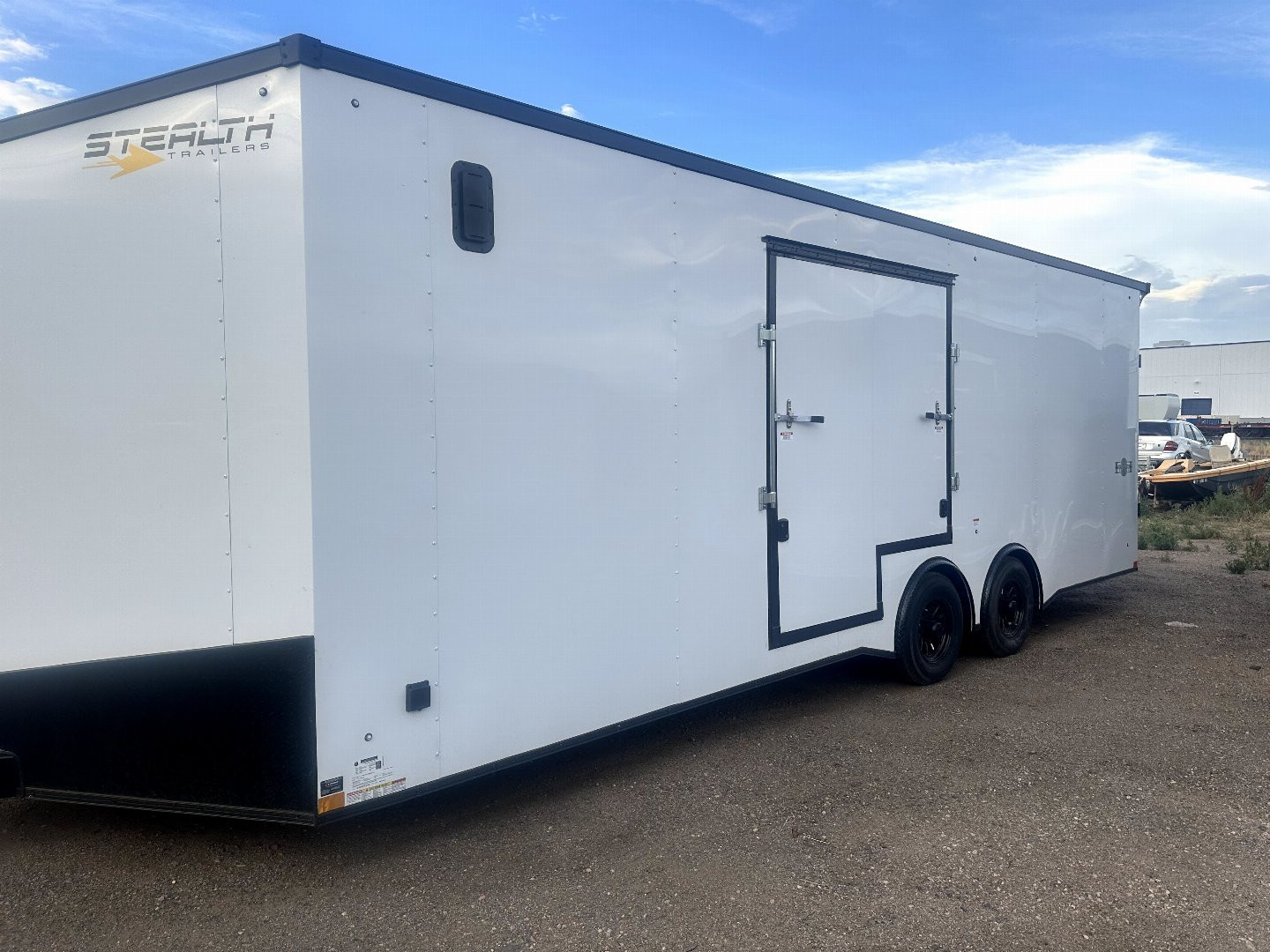
Determining the weight of a 24 ft trailer requires distinguishing between its unloaded vehicle weight and its gross vehicle weight rating, which typically ranges from 3,500 to 10,000 pounds depending on construction materials, axle configuration, and intended cargo. Accurate weight identification is essential for safe towing, legal compliance, and vehicle longevity.
When discussing the weight of a 24-foot trailer, it is common to encounter confusion between various weight measurements. Understanding these distinctions is the first step toward safe operation. You must differentiate between the dry weight of the trailer (the weight as it leaves the factory without any fluids or cargo) and the Gross Vehicle Weight Rating (GVWR), which represents the maximum weight the trailer is designed to handle safely, including its own structure and everything loaded inside.
The Anatomy of Trailer Weight
To properly assess a 24-foot trailer, you must break down the weight into four distinct categories. Each serves a different purpose in the relationship between your tow vehicle and your trailer.
- Unloaded Vehicle Weight (UVW) / Dry Weight: This is the weight of the trailer as manufactured at the factory. It includes the weight of the axle(s) and tongue, but excludes cargo, fresh water, propane, and personal belongings.
- Gross Vehicle Weight Rating (GVWR): This is the maximum weight the trailer is allowed to reach when fully loaded. It includes the UVW plus all water, gear, and supplies. This rating is determined by the manufacturer based on the weight capacity of the frame, axles, and tires.
- Payload Capacity: This is the difference between the GVWR and the UVW. It represents the total amount of weight you can safely add to the trailer.
- Tongue Weight: This is the downward force the trailer tongue exerts on the hitch of the tow vehicle. Ideally, this should be between 10% and 15% of the total loaded trailer weight to ensure stability and prevent dangerous trailer sway.
Factors Influencing 24-Foot Trailer Weight
The weight of a 24-foot trailer varies significantly based on its construction and intended use. A 24-foot aluminum-framed flatbed utility trailer will weigh substantially less than a 24-foot travel trailer equipped with appliances, furniture, and cabinetry.
Construction Materials Trailers built for construction or heavy equipment transport often utilize heavy-gauge steel beams. These trailers provide superior durability but start at a much higher base weight. In contrast, recreational vehicles (RVs) often utilize lightweight composite materials, aluminum framing, and laminated walls to keep the weight manageable for standard pickup trucks and SUVs.
Axle Configuration The number of axles on a 24-foot trailer drastically changes the GVWR and the baseline weight. Most 24-foot trailers are tandem-axle models, as a single axle would rarely support the weight distribution required for a trailer of this length. A heavy-duty equipment hauler might feature "spread axles" or triple axles, which significantly increase the base weight but distribute the load more effectively across the road surface.
Equipment and Amenities For travel trailers, the internal components contribute heavily to the final weight. Features such as slide-outs, full kitchens, bathrooms with holding tanks (for fresh, gray, and black water), and residential-style HVAC units add thousands of pounds. A "shell" trailer—an empty cargo or toy hauler—will almost always be lighter than a finished RV of the same length.
Comparison Table: Estimated Weights by Trailer Type
The following table provides a generalized overview of how design intent affects the weight of a 24-foot trailer. Note that these are estimates; the specific manufacturer's sticker on your trailer is the only definitive source for your specific unit.
| Trailer Type | Estimated Dry Weight (lbs) | Estimated GVWR (lbs) | Typical Purpose |
|---|---|---|---|
| Utility/Flatbed (Steel) | 2,500 – 4,000 | 7,000 – 10,000 | Hauling materials/Equipment |
| Aluminum Utility | 1,800 – 2,800 | 5,000 – 7,000 | Light cargo/Lawn equipment |
| Enclosed Cargo | 3,000 – 4,500 | 7,000 – 10,000 | Secure storage/Transport |
| Travel Trailer | 4,500 – 7,500 | 7,500 – 10,500 | Recreational camping |
| Boat Trailer (Trailer only) | 1,500 – 2,500 | 5,000 – 8,000 | Watercraft transport |
Legal and Safety Requirements
Operating a trailer that exceeds the tow vehicle’s capacity is not only a safety hazard but also a legal liability. In the United States, every vehicle has a Gross Combined Weight Rating (GCWR), which is the maximum allowable weight of the tow vehicle and the trailer combined.
Exceeding Ratings If you exceed your tow vehicle’s towing capacity or the trailer’s GVWR, you risk premature failure of the transmission, braking system, and suspension. Furthermore, in the event of an accident, insurance companies may deny claims if they determine the vehicle was operating beyond its legally rated capacity.
Weight Distribution and Sway Control With a 24-foot trailer, wind resistance and physical length make sway a significant factor. Proper weight distribution hitches are highly recommended. These systems use spring bars to distribute the tongue weight across all axles of both the tow vehicle and the trailer, creating a level ride that improves steering and braking control.
Determining Your Specific Trailer Weight
Do not rely on online forums or generalized estimates when determining the weight of your specific trailer. Follow these steps to obtain an accurate figure:
- Locate the Certification Label: Every trailer manufactured for public road use is required to have a permanent metal or sticker label (usually found near the front left side of the frame). This lists the VIN, the date of manufacture, the GVWR, and the tire inflation specifications.
- Consult the Owner’s Manual: The manufacturer’s documentation will provide the dry weight and payload capacity. If you have added aftermarket accessories, such as an extra battery, a larger spare tire, or a heavy hitch, add the weight of these items to the dry weight.
- Use a CAT Scale: For the most accurate result, visit a truck stop equipped with a CAT scale. Weigh your tow vehicle and trailer together, then weigh the tow vehicle alone. The difference provides the actual current weight of your trailer. This is the only way to know exactly how much gear you have loaded.
Common Mistakes to Avoid
A frequent error is assuming that because a vehicle has a high towing capacity, it can safely pull any 24-foot trailer. While horsepower is important, the length of the trailer creates a "sail effect" that can make towing difficult in crosswinds, even if the weight is within limits.
Another mistake is neglecting to account for the weight of fluids. A 50-gallon fresh water tank adds over 400 pounds to the trailer. Always calculate your "loaded" weight based on full tanks if you intend to travel with water. Additionally, remember to account for the weight of your passengers and cargo inside the tow vehicle, as this reduces the total payload capacity available for the trailer tongue.
Frequently Asked Questions
How does a 24 ft trailer affect gas mileage? Towing a 24-foot trailer significantly increases aerodynamic drag. Regardless of the weight, the frontal surface area of the trailer forces the engine to work harder. You can expect a 20% to 50% decrease in fuel efficiency compared to driving your vehicle without a trailer.
Can I upgrade my axles to increase my 24 ft trailer weight capacity? While you can technically replace axles with higher-rated versions, the limiting factor is usually the frame of the trailer itself. If the frame is not designed to handle the increased GVWR, adding stronger axles will lead to structural failure or frame bending. Always consult with the manufacturer before attempting such modifications.
What is the minimum tow vehicle required for a 24 ft travel trailer? Most 24-foot travel trailers require at least a half-ton pickup truck (e.g., Ford F-150, Chevrolet Silverado 1500) equipped with a factory-installed tow package. Mid-size SUVs may be rated for the weight, but their shorter wheelbase often makes them unstable when towing a trailer of this length.
Why does my trailer weight fluctuate on the scale? Your trailer weight changes whenever you add or remove items, including water, propane, food, and gear. Scales provide a snapshot of the weight at that exact moment. It is advisable to weigh your trailer at least once while fully loaded for a trip to ensure you are not unknowingly exceeding the GVWR.
Does tire pressure affect trailer weight capacity? Tire pressure does not change the weight capacity of the trailer, but it is critical to safety. Under-inflated tires generate excessive heat, which can lead to blowouts, especially when carrying near-maximum weight. Always inflate tires to the pressure listed on the trailer’s certification label or the tire sidewall, whichever is appropriate for your specific load.
Final Recommendation
Before hitching a 24-foot trailer to your vehicle, conduct a thorough audit of your current setup. Locate the certification plate on your trailer to identify the GVWR. Simultaneously, check your tow vehicle’s door jamb sticker for its specific towing capacity and Gross Combined Weight Rating. If your intended loaded weight approaches these limits, invest in a quality weight distribution hitch and perform a test tow at low speeds to evaluate how your vehicle handles the length and mass. When in doubt, prioritize safety by opting for a lighter load or a more capable tow vehicle.