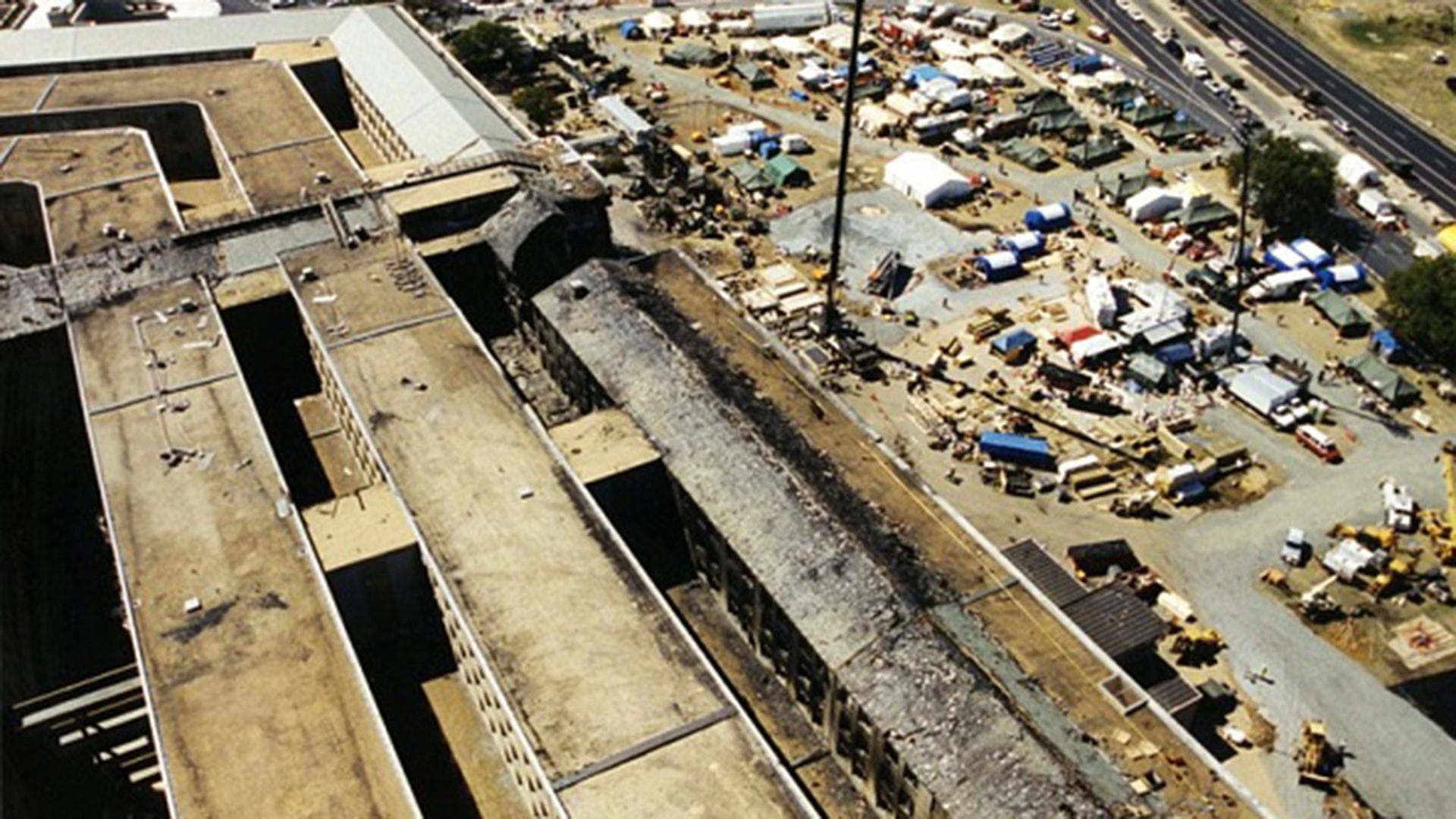
The recovery and identification of human remains from the September 11, 2001, terrorist attacks represent the largest, most complex forensic investigation in United States history. More than two decades after the collapse of the World Trade Center, the Pentagon, and the crash of Flight 93 in Shanksville, Pennsylvania, the Office of Chief Medical Examiner (OCME) in New York City and federal forensic laboratories continue the arduous scientific process of matching 21,905 recovered remains to the 2,977 victims of the attacks. This ongoing undertaking relies on advanced DNA profiling, cutting-edge anthropological analysis, and meticulous inter-agency coordination to provide closure to families and maintain historical accountability.
Historical Context and Initial Recovery Phase
The immediate aftermath of the attacks on the World Trade Center complex created an unprecedented disaster environment. The catastrophic structural failure of the Twin Towers resulted in millions of tons of pulverized concrete, steel, office debris, and human remains spread across a massive debris field in Lower Manhattan, eventually transported to the Fresh Kills Landfill on Staten Island.
During the initial rescue and recovery phase, which stretched from September 2001 until May 2002, search and recovery teams—comprising firefighters, police officers, construction workers, and forensic specialists—worked around the clock. The extreme heat of the fires, the kinetic force of the collapses, and the passage of time severely degraded biological material. Because of these factors, visual identification was largely impossible for the vast majority of cases, forcing forensic scientists to rely entirely on molecular biology and anthropology.
The Scale of the Recovery Operation at Fresh Kills
The Fresh Kills Landfill served as the primary sorting ground for debris sifted by hand. Sifting operations involved thousands of personnel who meticulously examined every cubic yard of material. This exhaustive search yielded thousands of fragments, ranging from large portions of tissue to microscopic bone fragments. Every piece recovered was logged, refrigerated, and transported to the OCME temporary morgue established near Bellevue Hospital and later integrated into the permanent forensic infrastructure.
Evolution of Forensic Science and DNA Profiling Technologies
The monumental task of identifying 21,905 remains required innovations in forensic science that changed how mass disaster investigations are conducted globally. In 2001, standard DNA profiling techniques were often insufficient for degraded, burned, or chemically contaminated bone samples. Over the past two decades, forensic laboratories have repeatedly upgraded their methodologies to analyze increasingly compromised material.
From Short Tandem Repeats (STR) to Next-Generation Sequencing
In the early years following the attacks, forensic scientists relied heavily on Short Tandem Repeat (STR) analysis using nuclear DNA. However, as easy-to-identify samples were exhausted, laboratories faced bone fragments with severely degraded DNA. This led to the adoption of:
- Mitochondrial DNA (mtDNA) Analysis: Used when nuclear DNA is too degraded, tracing maternal lineage.
- Single Nucleotide Polymorphism (SNP) Testing: Providing higher resolution for fragmented genetic material.
- Next-Generation Sequencing (NGS): Allowing laboratories to sequence smaller, highly degraded DNA fragments with unprecedented accuracy.
Reference Sample Collection
A successful identification requires a DNA match against a reference profile. Immediately after the attacks, the OCME and the FBI launched a massive campaign to collect reference samples from family members of the victims. These included personal items belonging to the victims, such as hairbrushes, toothbrushes, and unwashed clothing, as well as direct blood and swab samples donated by parents, children, and siblings. To date, thousands of reference profiles remain stored in secure databases, serving as the matching key for newly analyzed remains.
The Role of the New York City Office of Chief Medical Examiner (OCME)
The OCME of New York City holds statutory responsibility for identifying the victims of the World Trade Center attacks. Within the OCME, the World Trade Center DNA Operations unit operates as a dedicated, specialized laboratory focused exclusively on this mission.
The process managed by the OCME is rigorous and multi-step:
- Triage and Examination: Anthropologists examine recovered fragments to determine if they are human or animal, and whether they contain viable biological material.
- Sampling: Technicians take a small powder or core sample from bone or tissue, minimizing the consumption of the original evidence.
- DNA Extraction: Chemical processes isolate genetic material from the sample matrix.
- Amplification and Profiling: The extracted DNA is amplified using Polymerase Chain Reaction (PCR) and analyzed for genetic markers.
- Database Comparison: The resulting profile is compared against the database of family reference samples.
- Review and Verification: A multidisciplinary team reviews the genetic data before an official identification is certified by the Chief Medical Examiner.
Statistical Breakdown of Recoveries and Identifications
The data surrounding the 21,905 recovered remains illustrates both the staggering scope of the disaster and the persistent dedication of forensic scientists. While 2,977 individuals perished in the attacks (excluding the hijackers), not all victims have been identified.
| Metric / Category | Figure / Status | Notes & Context |
|---|---|---|
| Total Victims | 2,977 | Across World Trade Center, Pentagon, and Shanksville. |
| Recovered Remains | 21,905 | Individual fragments and tissue samples recovered and cataloged. |
| Identified Victims | 1,650+ (approx. 60%) | Number of individuals with at least one confirmed identification. |
| Unidentified Remains | Thousands | Stored in secure, respectful repositories under OCME care. |
| Ongoing Identifications | Active | New technological breakthroughs allow periodic identifications years apart. |
Challenges in Reaching 100% Identification
Despite advancements in technology, a significant percentage of victims have no genetic representation among the remaining unidentified fragments. Factors contributing to this include extreme temperatures that destroyed DNA completely, the immense kinetic energy of the collapses, and environmental exposure during the months of sorting. For some families, no remains have ever been identified, leaving them to rely on memorialization rather than physical interment.
Ethical, Psychological, and Memorial Considerations
The ongoing recovery and identification process touches deeply upon ethical and psychological dimensions for the families of the victims. For many families, notification that a new fragment has been identified—even decades after the event—brings a renewed wave of grief, but also a sense of finality and closure.
Respectful Custody and Repatriation
The OCME maintains a policy of returning newly identified remains to families or placing them in secure, dignified storage at the National September 11 Memorial & Museum repository located at the World Trade Center site. This repository is managed by the OCME and remains closed to the public, reserved exclusively for scientific stewardship and family access under strict ethical guidelines.
Communication Protocols
Medical examiners utilize compassionate, structured protocols when contacting families regarding new identifications. Because years may pass between notifications, family support specialists and grief counselors work in tandem with forensic scientists to ensure families are informed with sensitivity and clarity.
Frequently Asked Questions
How is it possible to identify remains decades after the 9/11 attacks?
Identification is possible because forensic scientists continuously adopt new technologies, such as advanced DNA extraction methods and Next-Generation Sequencing, which can retrieve usable genetic data from severely degraded bone fragments that older methods could not process.
Are new remains still being recovered today?
While large-scale recovery operations concluded years ago, tiny fragments are occasionally discovered during construction work in Lower Manhattan or during routine reviews of stored evidence, prompting renewed forensic analysis by the OCME.
How many victims of the World Trade Center attacks remain unidentified?
Out of the 2,977 victims, roughly 40 percent do not have complete identifications, meaning thousands of recovered fragments have yet to be matched to a specific person due to extreme DNA degradation.
What happens to remains that cannot be identified?
Unidentified remains are stored in a secure, climate-controlled repository managed by the Office of Chief Medical Examiner at the World Trade Center site, maintained with strict security, privacy, and respect.
Can families donate new reference samples if needed?
Yes. The OCME maintains an open channel for family members to provide updated or additional reference samples, which can improve the likelihood of making a match as DNA profiling techniques improve.
Conclusion and Next Actions
The ongoing analysis of the 21,905 remains recovered from the 9/11 attacks stands as a testament to the intersection of forensic science, historical duty, and human empathy. For families seeking information or wishing to update their family reference profile, direct contact with the New York City Office of Chief Medical Examiner (OCME) World Trade Center DNA Operations unit provides the official and secure pathway for assistance.