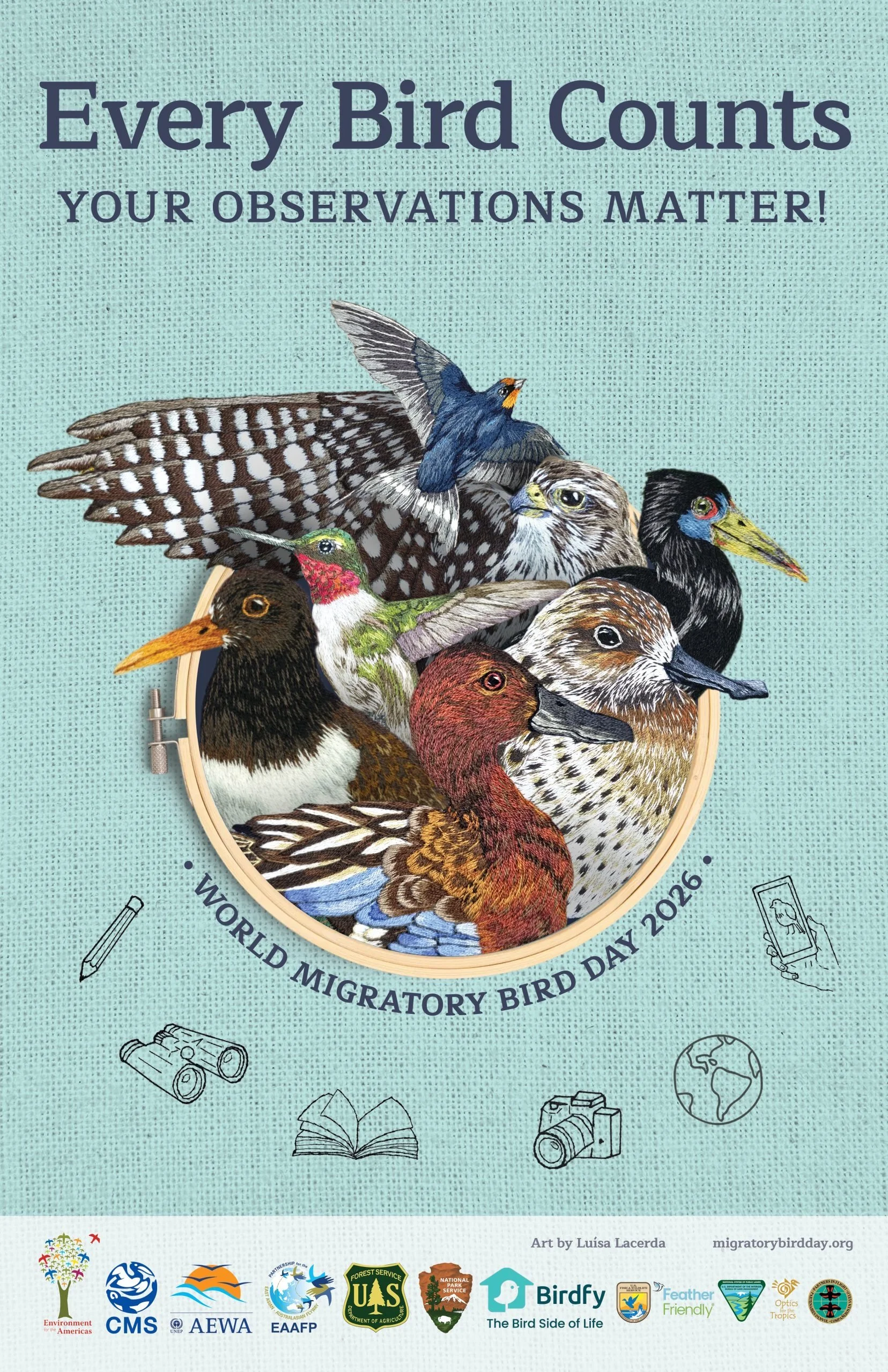
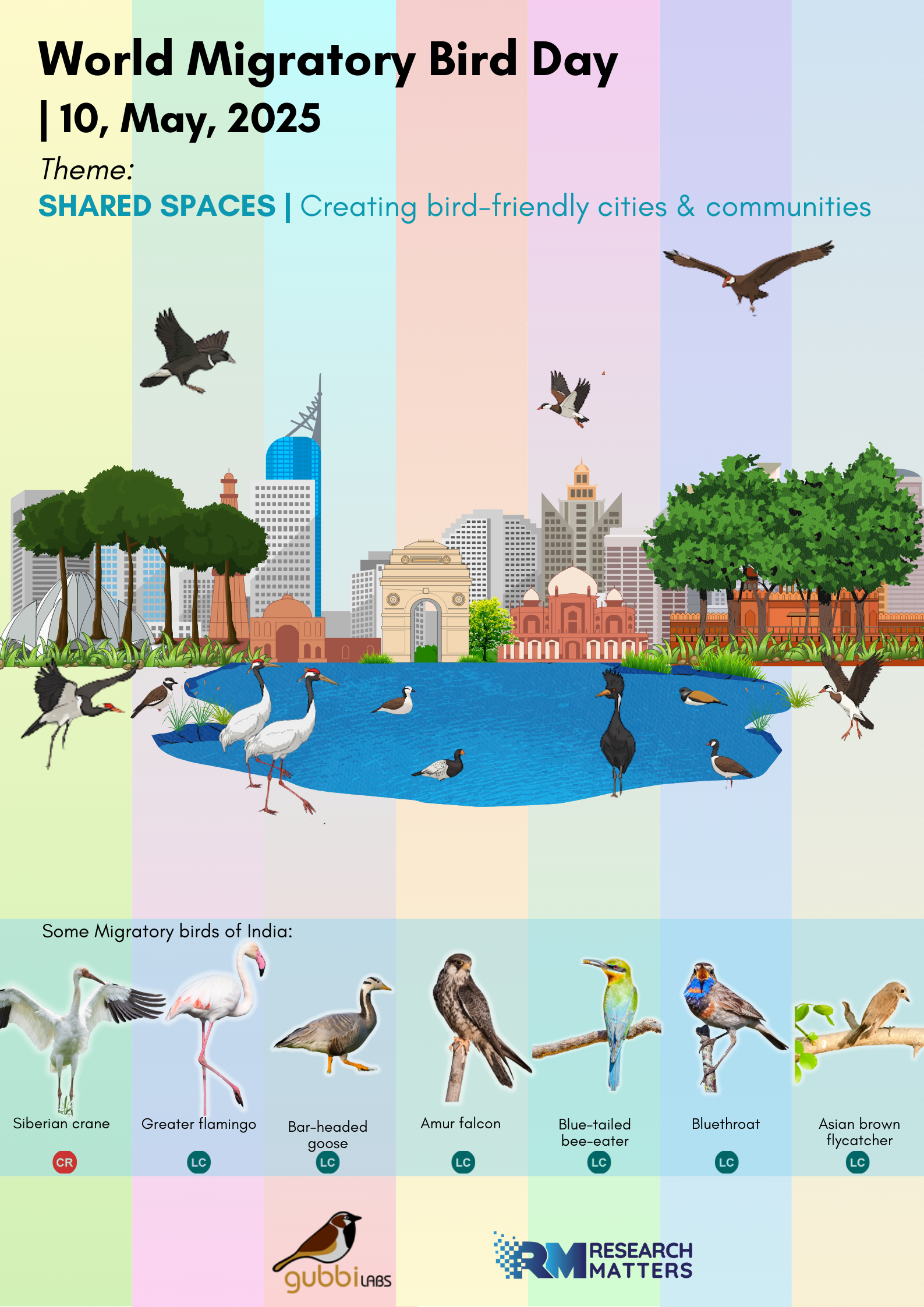
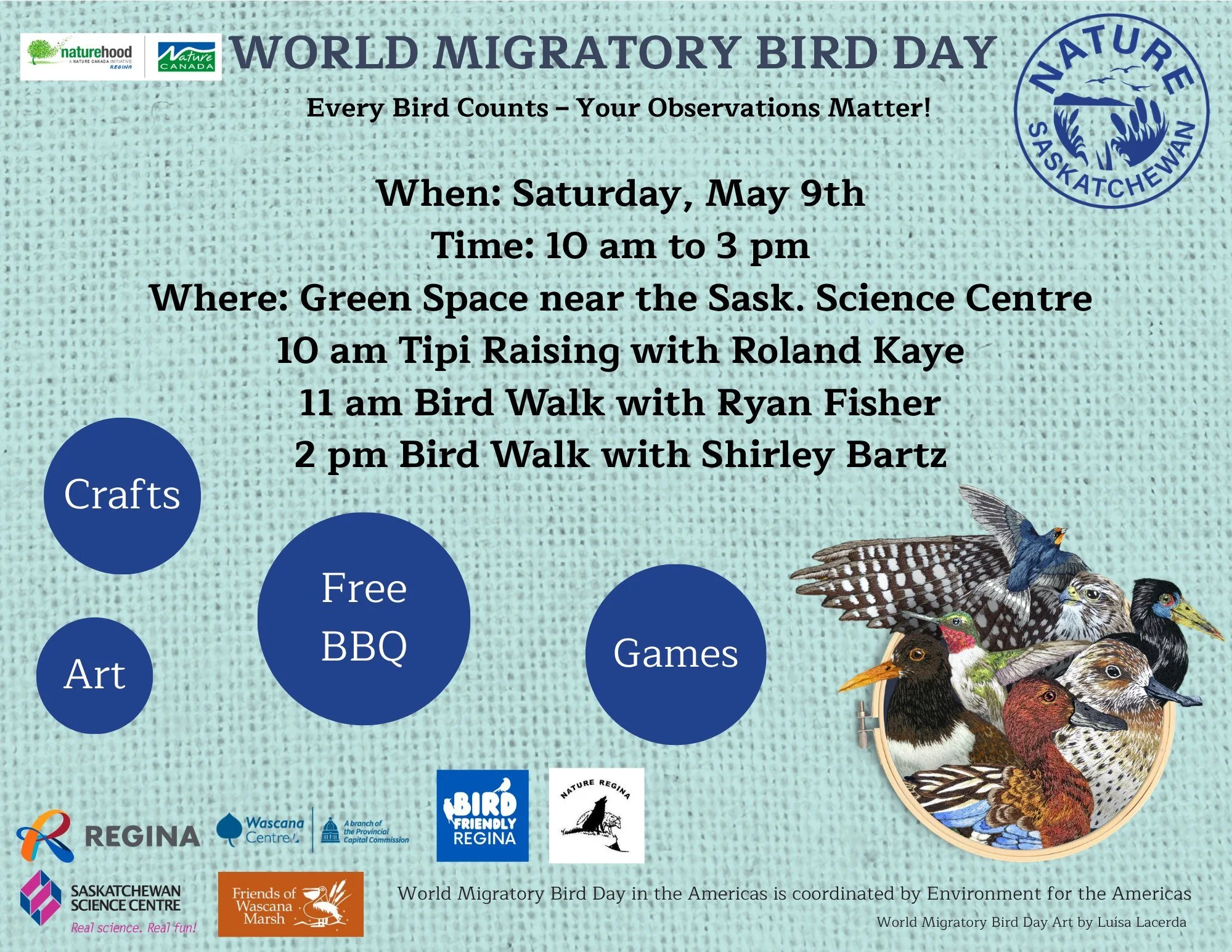
World Migratory Bird Day 2026 takes place on Saturday, May 9, 2026, and Saturday, October 10, 2026. This bi-annual campaign aligns with the peak periods of bird migration across the Northern and Southern Hemispheres, unifying international conservation efforts, public education, and habitat protection along the world’s major avian flyways.
Official Dates for World Migratory Bird Day 2026
World Migratory Bird Day (WMBD) is officially recognized twice each year to reflect the cyclical, hemispheric nature of bird migration. In 2026, the primary global peak days are:
- Spring Peak: Saturday, May 9, 2026
- Autumn Peak: Saturday, October 10, 2026
While these two dates serve as the main focal points for international events and media campaigns, migratory bird activity varies significantly based on geographic latitude and local climate conditions. Consequently, local nature centers, research institutions, and community groups host educational programs, bird walks, and habitat restoration days throughout the spring and autumn months.
- SPRING PEAK (Saturday, May 9)
- Northern Hemisphere Migration (Breeding Grounds Arrival)
- AUTUMN PEAK (Saturday, Oct 10)
- Southern Hemisphere Migration (Wintering Grounds Return)
Why World Migratory Bird Day Uses Two Peak Dates
Migratory birds travel along vast ecological corridors known as flyways, crossing international boundaries, ocean basins, deserts, and mountain ranges. The dual-date calendar structure addresses the fundamental ecological reality of these movements:
- Northern Hemisphere Spring Migration (May): Millions of songbirds, waterfowl, shorebirds, and raptors travel northward from tropical wintering grounds to temperate and arctic breeding territories. May marks the period of highest species diversity and active migration across North America, Europe, and northern Asia.
- Southern Hemisphere Autumn Migration (October): Birds return southward to non-breeding wintering habitats in Central and South America, Sub-Saharan Africa, South Asia, and Australasia. October represents the peak period for autumn passage migration and wintering arrival across the Southern Hemisphere.
By designating the second Saturday of May and October, the global campaign allows organizers in both hemispheres to engage the public when local bird activity and public visibility are at their natural peak.
Understanding the Campaign Framework and Global Theme
Each year, World Migratory Bird Day centers on an annual theme addressing systemic environmental threats to migratory species. Coordinated jointly by the Convention on Migratory Species (CMS), the African-Eurasian Waterbird Agreement (AEWA), and Environment for the Americas (EFTA), the initiative provides unified messaging, educational materials, scientific resources, and community toolkits to participants worldwide.
The Role of Annual Themes in Avian Conservation
The annual theme is designed to translate complex ecological research into concrete conservation actions. Rather than focusing solely on individual species, themes target shared environmental pressures that affect hundreds of species across multiple continents.
Key conservation priorities regularly addressed through the campaign include:
- Ecological Connectivity and Habitat Protection: Protecting linked chains of intact ecosystems—including wetlands, coastal estuaries, temperate forests, and grasslands—that birds rely on for refueling during long-distance flights.
- Anthropogenic Hazards: Mitigating man-made threats such as light pollution, glass collisions, pesticide usage, plastic pollution, and unsustainably built energy infrastructure.
- Resource Availability: Preserving natural food networks, including aquatic insect populations, native plant communities, and unpolluted freshwater systems.
- Climate Change Adaptation: Addressing shifts in migration timing (phenology), range shifts, and severe weather events caused by global climate disruption.
Theme Implementation Across International Flyways
Once an annual theme is established by the international organizing committee, it is adapted across three primary global regions:
- The Americas Flyway: Coordinated by Environment for the Americas, linking conservation actions across North, Central, and South America and the Caribbean.
- The African-Eurasian Flyway: Coordinated by CMS and AEWA secretariats, connecting breeding grounds in Europe and northern Asia with wintering grounds across Africa and the Mediterranean basin.
- The East Asian-Australasian Flyway: Supported by international flyway partnerships linking the Russian Far East and Alaska through East Asia and Southeast Asia to Australia and New Zealand.
Historical Evolution of Campaign Themes (2021–2026)
To understand the trajectory of global bird conservation initiatives, it is helpful to examine recent WMBD campaign themes and their underlying ecological focus areas.
| Year | Primary Conservation Theme | Target Threat / Focus Area | Key Action Items |
|---|---|---|---|
| 2021 | "Sing, Fly, Soar – Like a Bird!" | Public connection to nature and bird song during global isolation. | Promoting citizen science, bird identification, and local habitat awareness. |
| 2022 | "Dim the Lights for Birds at Night" | Artificial Light at Night (ALAN) and night-sky disorientation. | Implementing dark-sky policies, turning off non-essential building lights, and managing architectural lighting. |
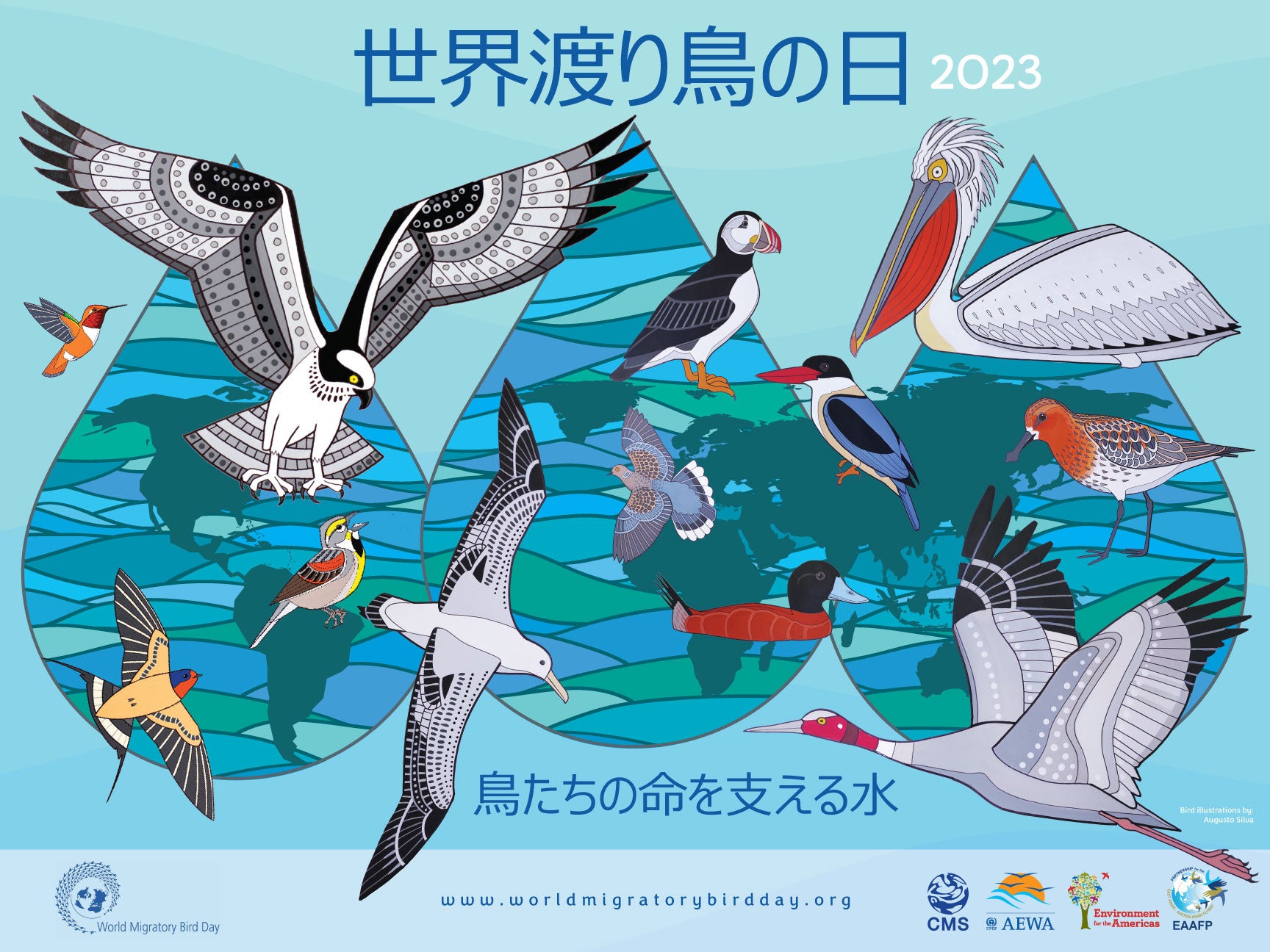
| 2023 | "Water: Sustaining Bird Life" | Depletion of freshwater resources, wetland degradation, and drought. | Wetland restoration, river basin management, and coastal habitat protection. |
| 2024 | "Protect Insects, Protect Birds" | Decline of insect populations (food source depletion) from agriculture and urbanization. | Reducing pesticide usage, planting native plant species, and restoring organic insect habitats. |
| 2025 | "Sustainable Energy for Birds" | Avian mortality from expanding renewable energy infrastructure (wind turbines, solar panels, power lines). | Bird-friendly energy planning, collision mitigation technology, and sensitive site selection. |
| 2026 | Integrated Flyway Connectivity | Habitat fragmentation, stopover site loss, and cross-border ecological network protection. | Establishing international protected corridors, community monitoring, and regional land-use policies. |
Each annual theme builds upon previous campaigns, forming a comprehensive matrix of protective measures across land use, energy development, urban design, and resource management.
Major Global Flyways and Migration Mechanics
Migratory birds move across defined geographical highways known as flyways. Understanding flyway dynamics is essential for evaluating why migration dates and conservation strategies vary by region.
- GLOBAL FLYWAY NETWORKS
- AMERICAS FLYWAY
- North America
- Central & South America
- AFRICAN-EURASIAN FLYWAY
- Europe & Asia
- Sub-Saharan Africa
- EAST ASIAN-AUSTRALASIAN
- Siberia & Alaska
- Southeast Asia & Oceania
- AMERICAS FLYWAY
1. The Americas Flyways
The Americas flyway system comprises four major routes: the Atlantic, Mississippi, Central, and Pacific Flyways. Millions of migratory songbirds (warblers, tanagers, thrushes), raptors, and waterfowl move between boreal breeding forests in Canada and Alaska to wintering grounds in South America, the Caribbean, and Central America. Key stopovers such as the Delaware Bay in the United States and the Isthmus of Panama act as natural bottlenecks where high concentrations of birds gather to feed and rest.
2. The African-Eurasian Flyway
Spanning over 120 countries, this flyway connects breeding grounds across northern Europe and Siberia with wintering regions in Sub-Saharan Africa. Birds navigating this corridor face extreme geographical hurdles, including crossing the Mediterranean Sea and the Sahara Desert. Stopover habitats along the Wadden Sea in Western Europe and the Great Rift Valley in East Africa provide critical energy replenishment points.
3. The East Asian-Australasian Flyway (EAAF)
Extending from the Russian Arctic and Alaska southwards through East Asia, Southeast Asia, Australia, and New Zealand, the EAAF supports over 50 million migratory waterbirds. The Yellow Sea region serves as a crucial transit hub for species like the Spoon-billed Sandpiper and the Bar-tailed Godwit. Tidal flat reclamation and coastal development in East Asia present urgent conservation challenges along this route.
4. The Central Asian Flyway (CAF)
Covering a large area of Eurasia between the Arctic and Indian Oceans, the CAF encompasses migration routes across Central Asian steppes, the Himalayas, and the Indian subcontinent. Species using this flyway navigate high-altitude alpine passes and arid environments, relying on scattered freshwater wetlands across India, Pakistan, and Central Asian republics.
Core Environmental Threats Facing Migratory Birds
The migration process is inherently dangerous, but human activities have significantly increased mortality rates during transit. Campaign activities during World Migratory Bird Day focus on mitigating these specific threats:
Light Pollution and Nighttime Disorientation
The majority of songbirds migrate at night to avoid predators and take advantage of cooler, calmer atmospheric conditions. Artificial Light at Night (ALAN) from urban centers disrupts their celestial navigation systems. Attracted to bright city lights, birds become disoriented, leading to fatal window strikes or exhaustion as they circle illuminated structures.
Habitat Loss and Degradation
Urban expansion, industrial agriculture, deforestation, and coastal infrastructure development destroy essential stopover habitats. When key stopovers are lost, birds cannot replenish fat reserves, leading to starvation or failure to complete their journey.
- Habitat Loss
- Reduced Stopover Sites
- Fat Depletion
- Migration Failure
Collisions with Built Infrastructure
Glass windows, high-rise buildings, commercial wind turbines, and electrical transmission lines pose severe collision risks. Glass reflects surrounding vegetation or sky, creating the illusion of open space. Globally, glass collisions account for hundreds of millions of avian fatalities annually.
Chemical Contamination and Pesticide Use
Systemic pesticides, particularly neonicotinoids, decimate non-target insect populations that insectivorous birds rely on during spring migration. Additionally, agricultural run-off pollutes freshwater ecosystems, poisoning aquatic feeding grounds.
Action Plan: How Individuals, Communities, and Cities Can Participate
World Migratory Bird Day is an actionable campaign aimed at reducing human-caused mortality. Individuals, schools, non-profit organizations, and local governments can implement several high-impact actions:
1. Implement Lights-Out Initiatives
- Action: Turn off non-essential architectural, display, and decorative outdoor lighting between 11:00 PM and 6:00 AM during peak migration periods (April–May and September–October).
- Impact: Reduces window strikes, prevents bird disorientation over urban areas, and lowers municipal energy consumption.
2. Make Windows Bird-Safe
- Action: Apply visual markers, decals, insect screens, or specialized fritted film to exterior glass surfaces. Patterns should follow the "2x2 inch rule" (vertical or horizontal spacing no wider than 2 inches).
- Impact: Breaks up glass reflections, alerting birds to the presence of a solid barrier.
3. Restore Native Vegetation
- Action: Replace lawns and non-native ornamentals with native trees, shrubs, and flowering plants.
- Impact: Native plants host up to 35 times more caterpillar biomass and insect life than exotic plants, providing vital food for migrating birds and their nestlings.
4. Reduce Chemical Inputs
- Action: Eliminate synthetic pesticides, herbicides, and chemical fertilizers in residential yards, public parks, and agricultural lands.
- Impact: Preserves insect populations essential for avian diets and prevents toxic bioaccumulation in local food webs.
5. Participate in Citizen Science Programs
- Action: Record bird sightings using platforms such as eBird or iNaturalist during WMBD events.
- Impact: Supplies ornithologists and conservation scientists with real-time data to track migration timing, population trends, and habitat utilization.
Institutional Framework and International Treaties
World Migratory Bird Day operates under the administrative authority of international wildlife agreements established under the United Nations Environment Programme (UNEP).
- UNITED NATIONS ENVIRONMENT PROGRAMME (UNEP)
- CMS (Bonn Conven.)
- AEWA (Waterbird)
- EFTA (Americas)
The Convention on Migratory Species (CMS)
Also known as the Bonn Convention, CMS is an intergovernmental treaty dedicated to the conservation of terrestrial, aquatic, and avian migratory species throughout their ranges. It provides the legal foundation for coordinated international conservation measures along migratory corridors.
The African-Eurasian Waterbird Agreement (AEWA)
AEWA is an independent international treaty developed under CMS. It targets waterbird species that depend on wetlands for at least part of their annual cycle across 119 range states across Europe, Africa, the Middle East, Central Asia, and the Canadian Arctic.
Environment for the Americas (EFTA)
Environment for the Americas is a non-profit organization that coordinates World Migratory Bird Day across North, Central, and South America. EFTA creates bilingual educational resources, coordinates global poster artwork, and distributes conservation toolkits to hundreds of partner organizations annually.
Frequently Asked Questions
What are the main dates for World Migratory Bird Day 2026?
World Migratory Bird Day 2026 is officially celebrated on Saturday, May 9, 2026, and Saturday, October 10, 2026. These two dates accommodate peak migration periods in the Northern and Southern Hemispheres, respectively.
Why is World Migratory Bird Day celebrated on two different days?
Because migration occurs in seasonal cycles linked to earth's climate zones, birds migrate north in the Northern Hemisphere spring (May) and south in the Southern Hemisphere spring/autumn (October). Celebrating on two peak dates allows communities across both hemispheres to participate during local peak migration times.
Who organizes World Migratory Bird Day?
The campaign is jointly organized by Environment for the Americas (EFTA), the Secretariat of the Convention on the Conservation of Migratory Species of Wild Animals (CMS), and the Secretariat of the Agreement on the Conservation of African-Eurasian Migratory Waterbirds (AEWA).
How can local communities organize a World Migratory Bird Day event?
Local groups, schools, nature centers, and parks can register their events on the official World Migratory Bird Day platform. Organizers can access free educational materials, posters, presentation guides, and activity sheets designed for various age groups and educational settings.
What is the significance of the annual theme?
The annual theme focuses international attention on a specific, pressing ecological issue—such as light pollution, insect decline, water security, or clean energy infrastructure. This targeted approach allows organizations worldwide to pool resources, raise public awareness, and push for specific policy changes.
Can individuals participate if they live far from major nature reserves?
Yes. Urban environments are critical stopover sites for migrating birds. Individuals can participate by turning off outdoor lights at night during migration, making home windows bird-safe, planting native gardens on balconies or yards, and reporting bird observations via citizen science applications.
Recommended Next Steps
To maximize your impact during World Migratory Bird Day 2026:
- Mark Your Calendar: Reserve May 9, 2026, and October 10, 2026, for local bird counts, community events, or educational workshops.
- Audit Your Property: Inspect home or office windows for reflection hazards and install bird-friendly window treatments prior to the spring migration season.
- Engage Local Governance: Encourage municipal leaders to pass formal "Lights Out" resolutions for public buildings during peak May and October migration weeks.
- Connect with Organizations: Visit the official portals of Environment for the Americas, CMS, or local bird protection societies to download updated 2026 educational toolkits and poster graphics.