The 2026 Range Rover Sport SV represents the pinnacle of Land Rover’s performance engineering, combining a 626-hp twin-turbo V8 with unprecedented carbon fiber integration. Key features include the world's first 23-inch carbon fiber wheels, Brembo carbon ceramic brakes, and the revolutionary 6D Dynamics hydraulic suspension system, delivering a 0-60 mph sprint in just 3.6 seconds.
The Engineering Philosophy of the 2026 Range Rover Sport SV
The 2026 Range Rover Sport SV is not merely a faster version of the standard SUV; it is a fundamental re-engineering of the platform to challenge the world's most capable super-SUVs. In 2026, the vehicle continues to occupy a unique space where extreme luxury meets track-ready dynamics. The "SV" badge, standing for Special Vehicle, signifies a level of bespoke tailoring and mechanical refinement that goes beyond the standard production line.
Central to the 2026 model's identity is the aggressive use of carbon fiber. This material is not used sparingly for aesthetic accents but is integrated into the vehicle's structural and rotational masses to solve the primary challenge of high-performance SUVs: weight. By reducing unsprung mass, the SV achieves a level of agility that belies its physical footprint.
Performance and Powertrain: The Heart of the SV
At the core of the 2026 Range Rover Sport SV lies a BMW-sourced 4.4-liter Twin-Turbo V8 engine. This powerplant represents a significant shift from the supercharged engines of previous generations, offering better thermal efficiency and a broader torque curve.
Power Output and Acceleration
The engine produces a staggering 626 horsepower (635 PS) and 553 lb-ft of torque. When using the "SV Mode" and Launch Control, the mild-hybrid system provides a temporary boost, ensuring the vehicle can reach 60 mph in a verified 3.6 seconds. The top speed is electronically limited to 180 mph, a figure that places it firmly in the territory of the Porsche Cayenne Turbo GT and the Lamborghini Urus.
Mild-Hybrid Integration (MHEV)
The 2026 model utilizes a 48-volt mild-hybrid system. Unlike traditional hybrids designed solely for fuel economy, this system is tuned for performance. It harvests energy during deceleration and redeploys it to assist the engine during initial acceleration, effectively eliminating turbo lag and smoothing out the stop-start transitions in urban driving.
The Carbon Fiber Revolution: Reducing Unsprung Mass
The most significant technical achievement of the 2026 Range Rover Sport SV is the optional Carbon Fiber package. In the world of automotive performance, "unsprung mass" (the weight of components not supported by the suspension, such as wheels and brakes) is the enemy of handling.
World-First 23-Inch Carbon Fiber Wheels
The SV is the first production vehicle to offer 23-inch split-spoke carbon fiber wheels. These wheels are a marvel of composite engineering, saving a total of 35.5 kg (approx. 78 lbs) across the vehicle compared to conventional alloy wheels.
- Impact on Steering: Because the wheels are lighter, they have less gyroscopic inertia, allowing the vehicle to change direction with significantly less effort and greater precision.
- Durability: Land Rover has put these wheels through rigorous off-road and impact testing to ensure they meet the brand’s "Trail Rated" expectations, proving that carbon fiber can be as resilient as it is light.
Brembo Carbon Ceramic Brakes (CCB)
To stop a vehicle with this much momentum, the 2026 SV utilizes an optional Brembo Carbon Ceramic Braking system.
- Specifications: The front discs measure 440mm, the largest ever fitted to a Range Rover. They are clamped by unique eight-piston Brembo calipers.
- Weight Savings: Choosing the CCBs over standard iron discs saves an additional 34 kg (75 lbs) of unsprung mass.
- Fade Resistance: Under track conditions, these brakes can withstand temperatures exceeding 800°C without the "pedal fade" common in traditional braking systems.
6D Dynamics Suspension: A Physics-Defying System
One of the most complex features of the 2026 Range Rover Sport SV is the 6D Dynamics suspension. This system replaces traditional mechanical anti-roll bars with a sophisticated network of hydraulically interlinked dampers.
How It Works
The system manages pitch and roll simultaneously. When the vehicle enters a sharp left-hand turn, the hydraulic system increases pressure in the right-side dampers to keep the body level. Similarly, under heavy braking, the front dampers stiffen to prevent "nose-dive."
- Benefits: By eliminating anti-roll bars, the wheels can act more independently during straight-line driving, significantly improving ride comfort. When the SV Mode is engaged, the system tightens, lowering the ride height by an additional 15mm to 25mm depending on the driving environment.
- Handling: This allows the SV to maintain a near-level stance even under 1.1G of lateral acceleration, a figure usually reserved for low-slung sports cars.
2026 Design and the "Carbon" Aesthetic
For the 2026 model year, Land Rover has refined the SV’s visual presence through the introduction of curated "Carbon Themes" (often referred to as Edition Two themes). These packages emphasize the technical nature of the vehicle.
Exterior Highlights
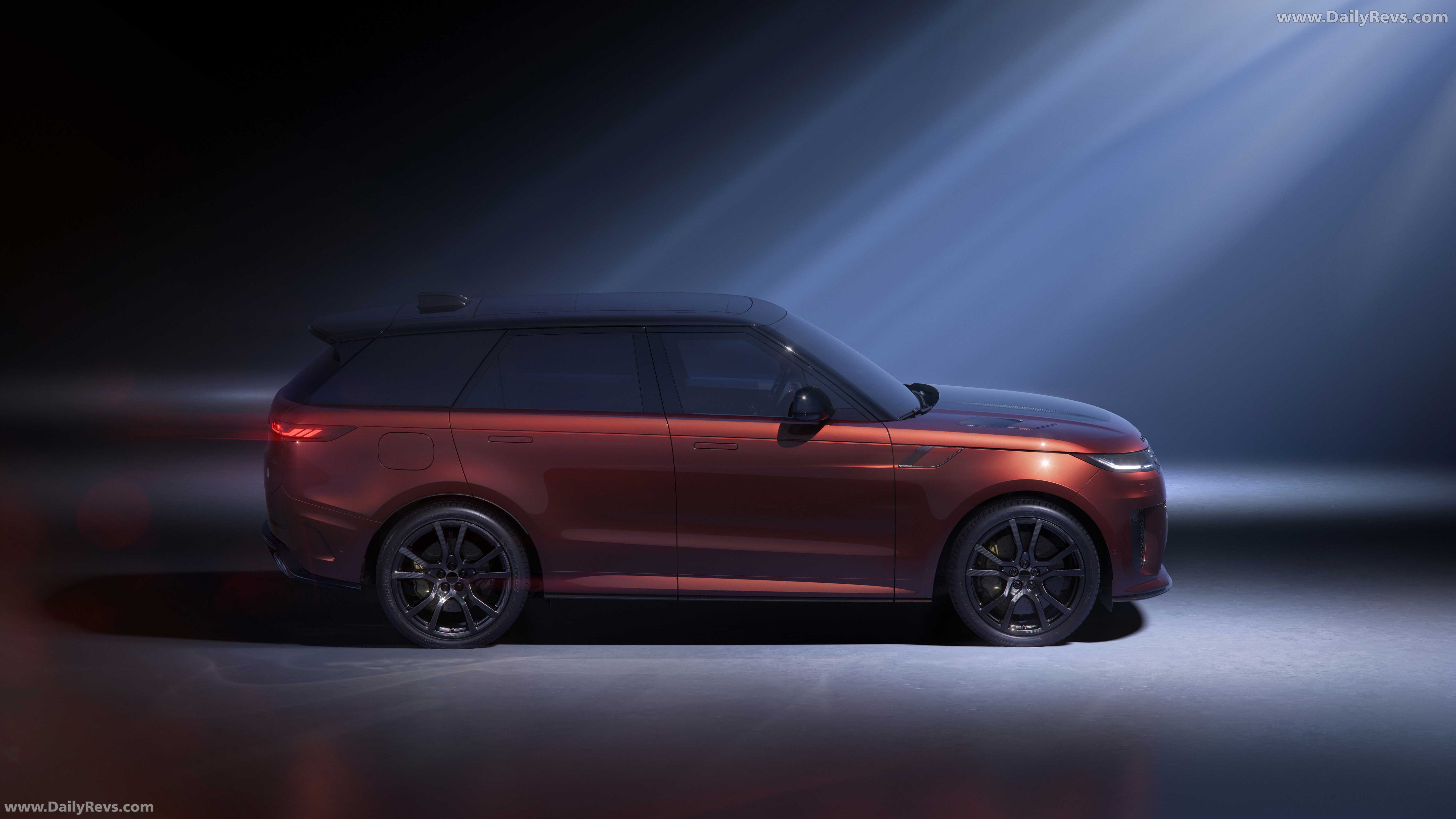
- Carbon Fiber Hood: The 2026 SV features a standard carbon fiber hood with integrated cooling vents. In some themes, the center section of the hood is left as "exposed carbon," featuring a high-gloss weave that highlights the material's texture.
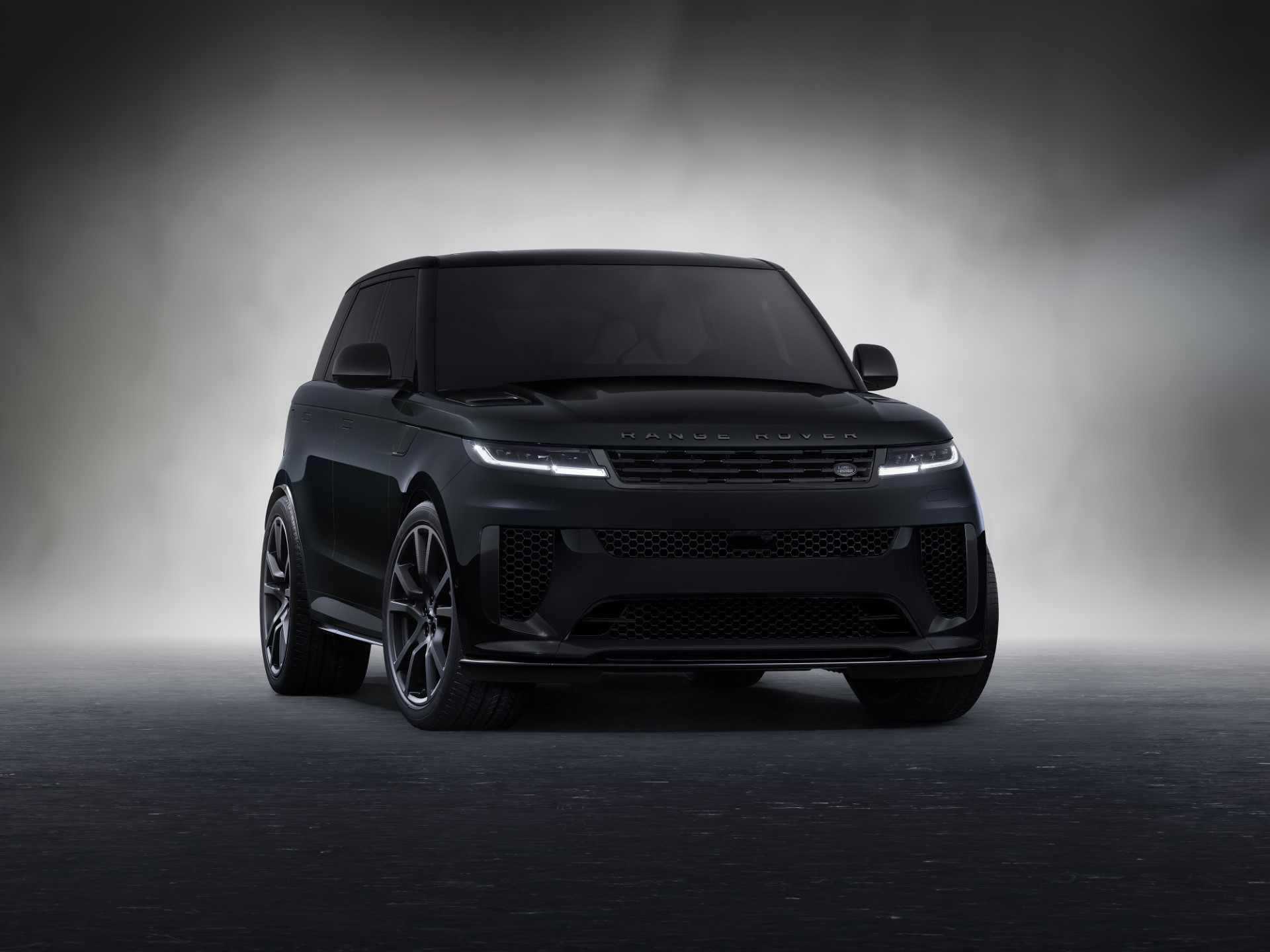
- Aerodynamics: The front splitter, grille surround, and rear diffuser are all crafted from carbon fiber. These aren't just for show; they are shaped to optimize airflow to the massive cooling radiators and to manage high-speed lift.
- Exhaust Finishers: The quad-exit exhaust system features carbon fiber tips, surrounding an active exhaust valve system that provides a visceral V8 soundtrack.
The 2026 Color Palette
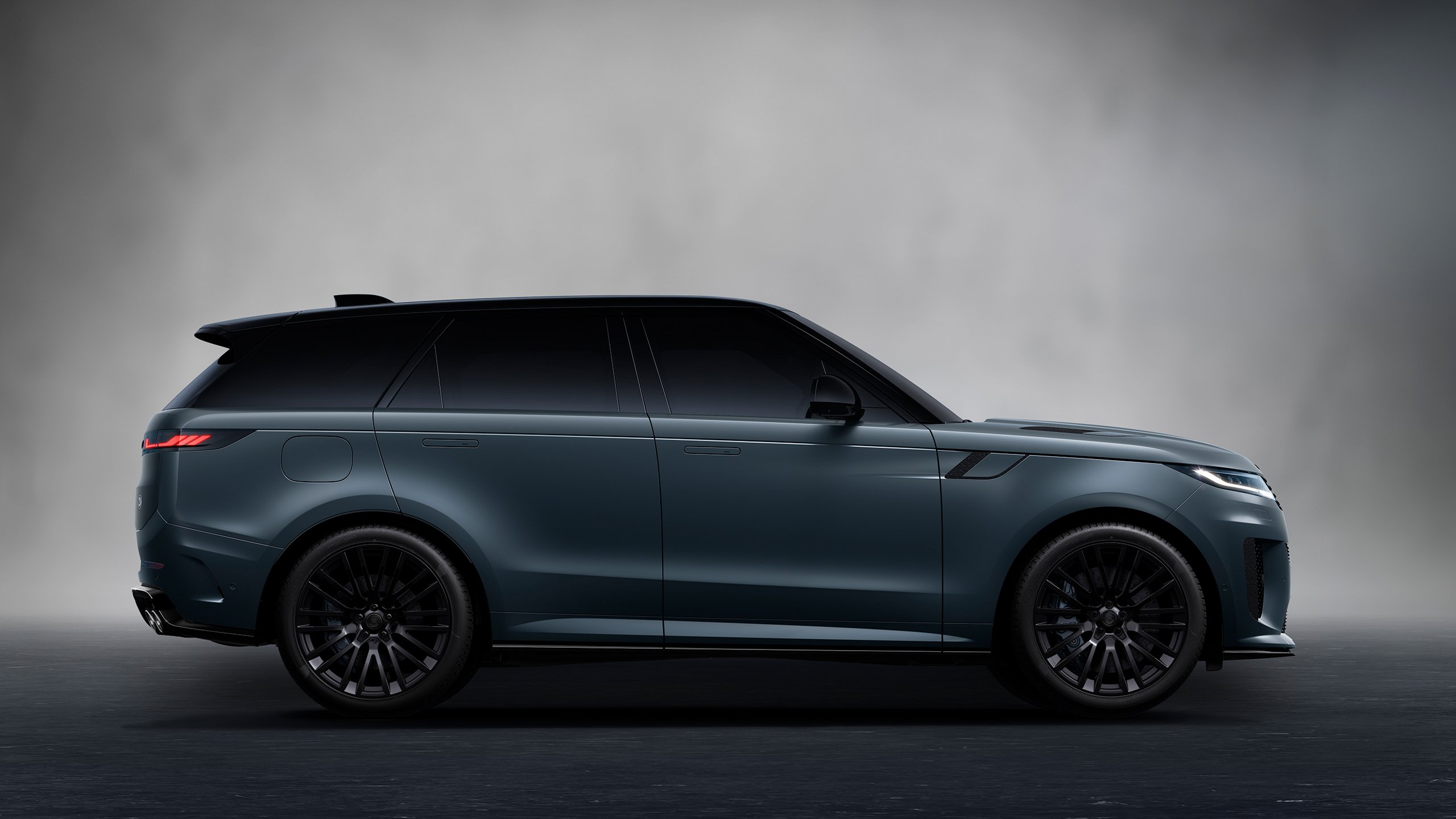
The 2026 SV is available in several exclusive matte and gloss finishes, including Blue Nebula Matte, Marl Grey Gloss, and Sunrise Copper Satin. These colors are specifically formulated to contrast with the dark weave of the carbon fiber components.
Interior Innovation: Body and Soul Seats (BASS)
The interior of the 2026 Range Rover Sport SV introduces a sensory experience called the Body and Soul Seat (BASS). Developed in collaboration with SUBPAC, this system uses tactile transducers integrated into the front seatbacks.
- Vibrational Audio: The seats allow occupants to "feel" the music. High-fidelity vibrations are synchronized with the 29-speaker Meridian Signature Sound System, creating an immersive 4D audio experience.
- Wellness Programs: Beyond music, the BASS system includes wellness tracks designed to influence heart rate variability (HRV). Six modes—including Calm, Relax, and Energize—use specific frequencies to either soothe or stimulate the driver and passenger.
- SV Performance Seats: The seats themselves feature bolstered side supports and integrated headrests with illuminated SV logos. They are available in "Ultrafabrics" PU—a lightweight, high-grip alternative to leather that fits the SV's performance mission.
Technical Specifications Summary
The following table provides a detailed breakdown of the 2026 Range Rover Sport SV’s core specifications.
| Feature | Specification |
|---|---|
| Engine | 4.4L Twin-Turbo V8 with Mild-Hybrid (MHEV) |
| Horsepower | 626 hp (635 PS) |
| Torque | 553 lb-ft (750 Nm) |
| 0-60 mph | 3.6 Seconds |
| Top Speed | 180 mph (290 km/h) |
| Transmission | 8-Speed Automatic with Paddle Shift |
| Suspension | 6D Dynamics (Hydraulic Interlinked) |
| Wheel Size | 23-inch Carbon Fiber (Optional) |
| Braking System | Brembo Carbon Ceramic (440mm Front Discs) |
| Total Weight Saving | Up to 76 kg (with Carbon Wheels and Brakes) |
| Audio System | Meridian Signature (29 Speakers, 1430W) |
Comparison: Range Rover Sport SV vs. Competitors
In 2026, the performance SUV market is more competitive than ever. When comparing the SV to its primary rivals, the distinction lies in its "dual-purpose" nature.
vs. Porsche Cayenne Turbo GT
The Porsche is often considered the benchmark for track handling. While the Cayenne may feel slightly more clinical on a circuit, the Range Rover Sport SV offers superior ride quality thanks to the 6D Dynamics system and a more commanding driving position.
vs. Lamborghini Urus Performante
The Urus is more extroverted in its styling and exhaust note. However, the Range Rover Sport SV provides a more understated luxury experience. The SV’s carbon fiber wheels are also larger and more technologically advanced than the standard offerings on the Lamborghini.
Practical Considerations and Maintenance
Owning a vehicle with this level of specialized equipment requires specific considerations, particularly regarding the carbon fiber components.
- Carbon Wheel Care: While extremely strong, carbon fiber wheels require specialized mounting equipment for tire changes to avoid damaging the rim's finish. Owners should ensure their local Land Rover center is equipped for SV-specific wheel maintenance.
- Brake Longevity: Carbon ceramic brakes are designed to last the life of the vehicle under normal road use. However, they are significantly more expensive to replace than iron discs if damaged or worn through heavy track use.
- Fuel Requirements: The high-output V8 requires 91 octane (95 RON) fuel at a minimum to achieve the stated performance figures.
Frequently Asked Questions
Are the carbon fiber wheels standard on the 2026 SV?
No, the 23-inch carbon fiber wheels are typically part of an optional "Carbon Fiber" package or specific "Edition" trims. While they are a defining feature of the SV, standard 23-inch forged alloy wheels are also available for those who do not require the maximum weight saving.
How does the SV Mode change the driving experience?
Engaging SV Mode via the steering wheel button optimizes the engine, transmission, steering, and suspension for maximum performance. It lowers the ride height, opens the exhaust valves for a louder sound, and tightens the 6D Dynamics hydraulics to minimize body roll. It also simplifies the digital instrument cluster to focus on performance data like G-force and lap times.
Is the 2026 Range Rover Sport SV still capable off-road?
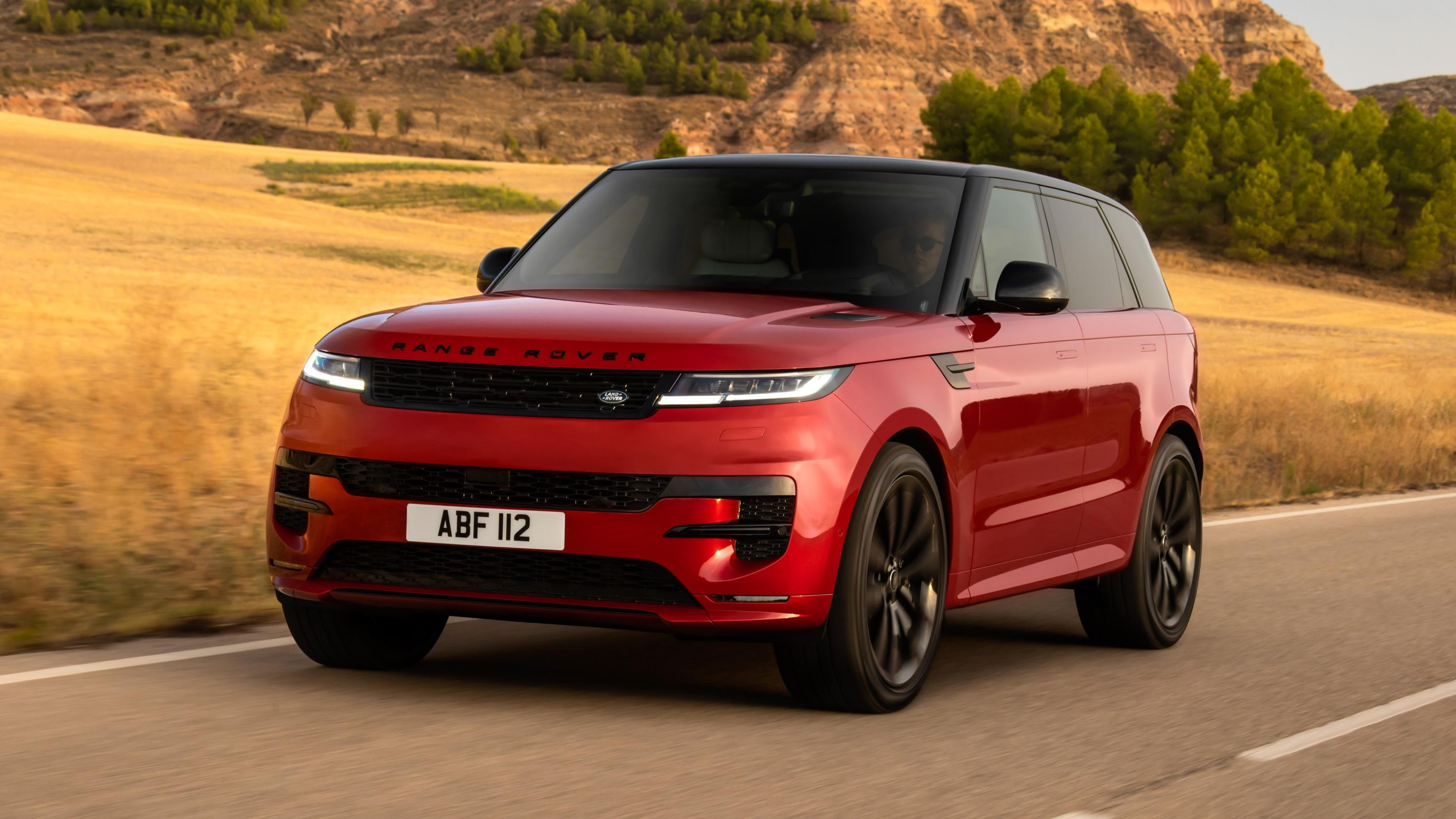
Yes. Despite its track-focused specs, the SV retains Land Rover’s core DNA. It features All-Terrain Progress Control (ATPC) and a sophisticated All-Wheel Drive (AWD) system. However, the lower front splitter and high-performance tires mean it is better suited for gravel paths and snow than extreme rock crawling.
What is the expected price for the 2026 model?
In 2026, the Range Rover Sport SV starts at approximately $180,000, with fully optioned "Carbon Theme" versions exceeding $210,000. Prices vary based on the level of "SV Bespoke" customization selected by the owner.
What is the "Edition Two" designation for 2026?
"Edition Two" refers to the curated specification themes available for the 2026 model year following the initial launch of the "Edition One." These themes include specific color combinations (like Blue Nebula or Sunrise Copper) paired with specific carbon fiber finishes and interior materials, ensuring a level of exclusivity for each production run.
Final Recommendation
If you are seeking the ultimate expression of the Range Rover brand, the 2026 Range Rover Sport SV with the full Carbon Package is the definitive choice. To move forward with a purchase, it is recommended to visit a certified SV Specialist Center to explore the SV Bespoke commissioning service. This allows for personalized paint-to-sample options and unique interior material combinations that ensure your carbon-intensive SUV is a one-of-one production.