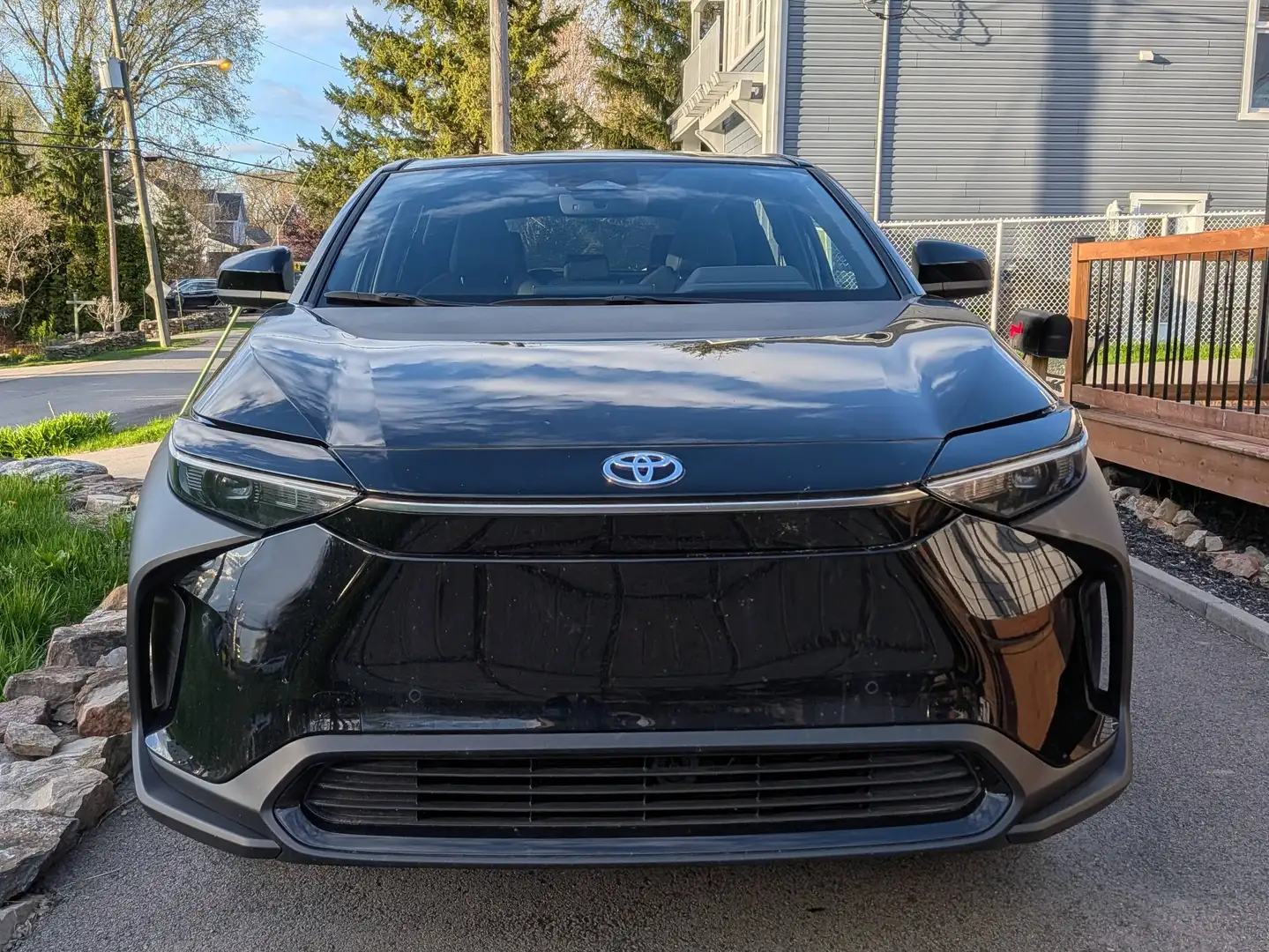
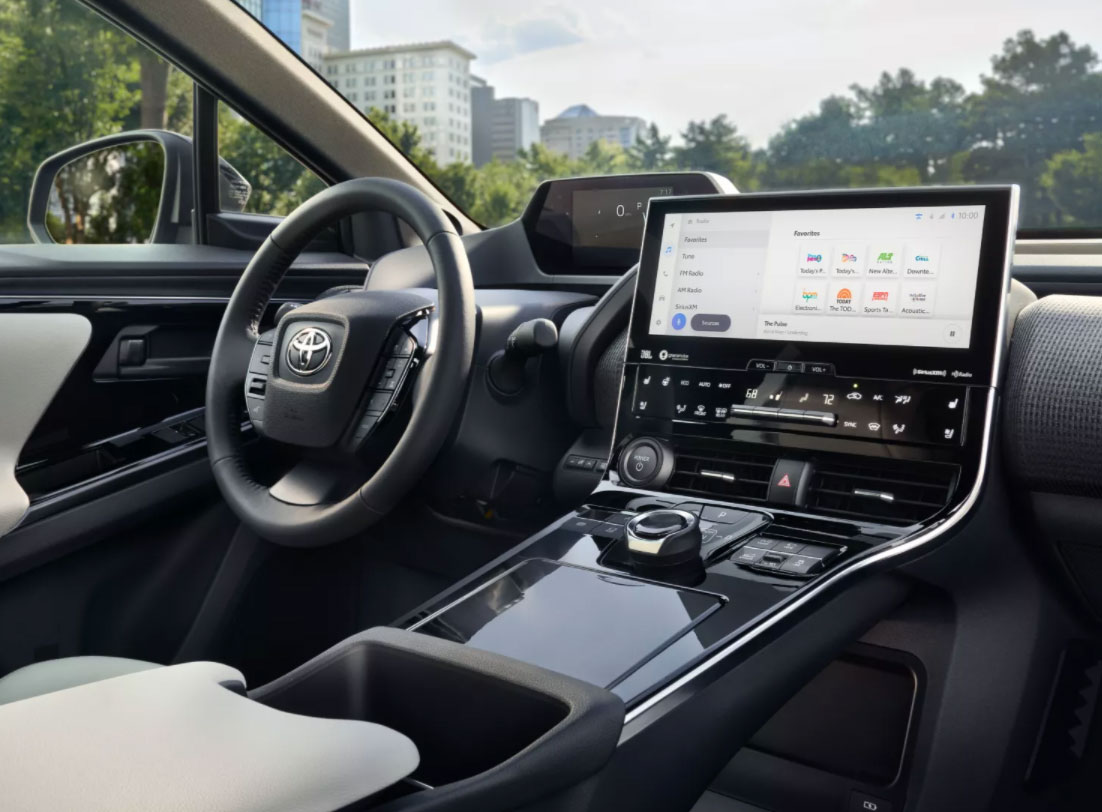
The 2023 Toyota bZ4X XLE front-wheel-drive model achieves an EPA-estimated range of 252 miles on a single charge, while the all-wheel-drive variant offers a slightly lower 228 miles due to its dual-motor configuration. Real-world driving distances vary significantly based on ambient temperature, highway speeds, climate control usage, and terrain conditions.
Navigating the landscape of electric vehicles (EVs) requires a shift in how drivers evaluate capability. For prospective buyers and current owners examining the 2023 Toyota bZ4X XLE range, understanding the interplay between battery chemistry, powertrain options, and environmental variables is essential. This comprehensive review examines the official ratings, technical underpinnings, real-world operational realities, and charging strategies associated with Toyota’s purpose-built battery-electric crossover.
Overview of the 2023 Toyota bZ4X XLE
The bZ4X represents Toyota’s entry into the modern battery-electric vehicle segment, utilizing the dedicated e-TNGA (Toyota New Global Architecture) platform. The model lineup is split primarily between the entry-level XLE and the higher-tier Limited trim, with choices for both front-wheel drive (FWD) and all-wheel drive (AWD).
The XLE trim serves as the core volume model, offering a balanced mix of advanced safety features, connectivity, and comfort without the added weight and cost of luxury-oriented additions. However, range specifications for the XLE vary notably depending on the drivetrain chosen at purchase. Buyers must weigh the traction benefits of all-wheel drive against the reduction in total driving distance between charging stops.
Factory Range Specifications: FWD vs. AWD
Official environmental ratings provide a standardized baseline for comparing electric vehicles, though individual results fluctuate in daily use. The EPA metrics for the 2023 Toyota bZ4X XLE establish clear boundaries between the two drivetrain configurations:
- 2023 Toyota bZ4X XLE Front-Wheel Drive (FWD): Features a single permanent-magnet synchronous AC motor producing 201 horsepower and 196 lb-ft of torque. Powered by a 71.4-kilowatt-hour (kWh) gross battery pack, this configuration delivers an EPA-estimated range of 252 miles.
- 2023 Toyota bZ4X XLE All-Wheel Drive (AWD): Utilizes dual induction motors (one on each axle) delivering a combined 214 horsepower and 248 lb-ft of torque. Powered by a slightly larger 72.8-kWh gross battery pack supplied by a different manufacturer (CATL versus Panasonic), this setup achieves an EPA-estimated range of 228 miles.
The 24-mile difference between the two variants reflects the energetic overhead of driving two axles continuously, combined with the differing cell chemistries and capacities of the respective battery suppliers.
| Drivetrain Variant | Gross Battery Capacity | EPA-Estimated Range | Horsepower | Combined MPGe |
|---|---|---|---|---|
| XLE Front-Wheel Drive | 71.4 kWh | 252 miles | 201 hp | 119 MPGe |
| XLE All-Wheel Drive | 72.8 kWh | 228 miles | 214 hp | 104 MPGe |
Real-World Efficiency and Driving Dynamics
While EPA ratings provide a controlled baseline, actual driving distance depends heavily on operational conditions. Independent automotive testing organizations and consumer reports indicate that highway driving at sustained speeds of 70 to 75 mph typically yields a lower total range than city or mixed-cycle testing. This phenomenon affects all electric vehicles due to aerodynamic drag and the absence of regenerative braking opportunities during constant high-speed cruising.
In mild weather conditions (65°F to 75°F), an FWD bZ4X XLE can closely approach or match its 252-mile rating during mixed commuting. However, sustained highway runs generally reduce total attainable mileage by 15% to 20%. Drivers utilizing eco-driving modes, predictive deceleration, and moderate acceleration profiles achieve better efficiency metrics than those utilizing maximum throttle response frequently.
Environmental Factors Impacting Battery Range
Electric vehicle batteries are sensitive to ambient temperatures. The chemistry inside lithium-ion cells relies on chemical reactions that slow down in cold weather and require thermal management systems to operate efficiently.
Cold Weather Performance
Winter driving is universally recognized as a challenge for EV range. When temperatures drop below freezing (32°F), the bZ4X XLE experiences a noticeable reduction in available driving distance. Factors contributing to this drop include:
- Cabin Heating: Resistance-based cabin heaters draw significant energy compared to internal combustion engines that utilize waste heat from coolant loops. Utilizing seat warmers and the heated steering wheel places less demand on the high-voltage battery than running the main climate control system at high temperatures.
- Battery Conditioning: The vehicle’s thermal management system must expend energy to warm the battery pack to an optimal operating temperature, diverting power away from propulsion.
- Increased Air Density: Cold air is denser, creating higher aerodynamic drag at highway speeds.
Hot Weather Impact
Extreme heat also affects range, primarily due to high air conditioning loads and battery cooling requirements. While less severe than deep winter cold snaps, operating in desert environments with constant high-intensity AC usage will decrease total per-charge mileage relative to the EPA standard.
Charging Infrastructure and Replenishment Speeds
Understanding range is inextricably linked to understanding how quickly that range can be replenished. The 2023 Toyota bZ4X XLE supports both AC Level 2 charging for home and destination use, and DC fast charging for road trips. However, charging speeds differ significantly between the FWD and AWD models due to their differing battery pack architectures and suppliers.
- FWD Charging Architecture (Panasonic Battery): Supports DC fast charging at peak rates up to 150 kW, allowing a 10% to 80% charge in approximately 30 minutes under ideal conditions.
- AWD Charging Architecture (CATL Battery): Supports DC fast charging at peak rates up to 100 kW, extending the 10% to 80% charging duration to roughly 50 to 60 minutes. Cold temperatures further reduce DC fast-charging speeds because the vehicle actively protects the battery cells by limiting current until the pack warms up.
For daily commuting, most owners install a 240-volt Level 2 charger at home (such as a 32-amp or 40-amp unit), which replenishes a depleted battery from empty to full in roughly 9 to 11 hours, conveniently allowing overnight refueling.
Comparative Context Within the Compact Electric SUV Segment
When evaluating the 2023 Toyota bZ4X XLE range against competitors in the compact electric crossover category, it sits comfortably within the mainstream average, though it does not lead the class. Competitors such as the Tesla Model Y Long Range, Hyundai Ioniq 5, and Kia EV6 offer higher maximum EPA range figures—often exceeding 300 miles for single-motor variants—while supporting faster DC fast-charging speeds, particularly on 800-volt architectures.
Conversely, the bZ4X competes favorably against older-generation or value-oriented entries, offering Toyota’s traditional build quality, standard Toyota Safety Sense 3.0 suite, and familiar ergonomics. For drivers whose daily mileage falls well within the 150-to-200-mile window, the difference between a 252-mile range and a 300-mile range has minimal impact on daily routine.
Common Misconceptions Regarding EV Range
Prospective EV buyers frequently encounter misinformation regarding battery lifespan, degradation, and range reliability.
- Range Anxiety vs. Reality: Most drivers overestimate their daily driving requirements. Average daily commuting distances in North America are well under 40 miles, meaning even a degraded or winter-reduced bZ4X battery easily satisfies daily tasks without mid-day charging.
- Battery Degradation: Modern thermal management systems protect battery longevity. Toyota provides an extensive warranty covering the high-voltage battery against excessive capacity loss (typically 8 years or 100,000 miles, guaranteeing a specific percentage of original capacity).
- 100% Daily Charging: While charging to 100% daily is acceptable for short-term convenience, daily charging to 80% or 90% is often recommended by manufacturers for optimal long-term battery health unless a long trip is planned.
Practical Tips to Maximize Daily Range
Drivers looking to extract maximum efficiency from their 2023 Toyota bZ4X XLE can adopt several operational habits:
- Utilize Regenerative Braking Settings: Engage maximum regeneration where appropriate to capture kinetic energy during deceleration and feed it back into the battery pack.
- Pre-Condition the Cabin While Plugged In: Use the smartphone app or scheduled climate settings to warm or cool the interior while the vehicle remains connected to the home charger, preserving battery capacity for the drive.
- Monitor Tire Pressures: Maintaining correct tire inflation reduces rolling resistance, directly improving efficiency.
- Manage Speed: Aerodynamic drag increases exponentially with speed. Cruising at 65 mph instead of 75 mph yields measurable efficiency gains on interstate journeys.
Frequently Asked Questions
What is the official EPA range of the 2023 Toyota bZ4X XLE?
The front-wheel-drive (FWD) model has an EPA-estimated range of 252 miles, while the all-wheel-drive (AWD) model offers an EPA-estimated range of 228 miles. Real-world results vary based on speed, temperature, and climate control usage.
Why do the FWD and AWD models have different charging speeds?
The FWD and AWD variants utilize battery packs from different suppliers (Panasonic and CATL, respectively) with distinct chemical compositions and thermal thresholds. The Panasonic pack in the FWD model accepts DC fast charging up to 150 kW, whereas the CATL pack in the AWD model caps peak DC fast charging at roughly 100 kW.
Does cold weather severely impact the bZ4X XLE driving distance?
Yes. Cold winter temperatures reduce driving range due to cabin heating demands, increased air density, and the energy required by the thermal management system to warm the battery cells. Drivers can expect reduced mileage during freezing conditions.
Can I charge a 2023 Toyota bZ4X XLE using a standard household outlet?
Yes, using the included Level 1 charge cable plugged into a standard 120-volt household outlet is possible, but it is extremely slow—adding only a few miles of range per hour. Installing a 240-volt Level 2 home charging station is strongly recommended for daily convenience.
How does the bZ4X XLE compare to competitors in range?
While the bZ4X XLE’s 252-mile FWD range is competitive for everyday commuting, several rival electric crossovers offer extended-range options exceeding 300 miles. Buyers should evaluate their specific long-distance travel habits against these figures before purchasing.
Next Actions for Prospective Buyers
For those considering a pre-owned or remaining inventory 2023 Toyota bZ4X XLE, assessing daily commuting habits and home charging capabilities is the most critical first step. Ensure that access to reliable Level 2 charging is available at home or work, as reliance exclusively on public DC fast chargers can increase refueling costs and charging times. Test driving both the FWD and AWD models in local climate conditions provides the most accurate assessment of how the vehicle will perform in everyday service.