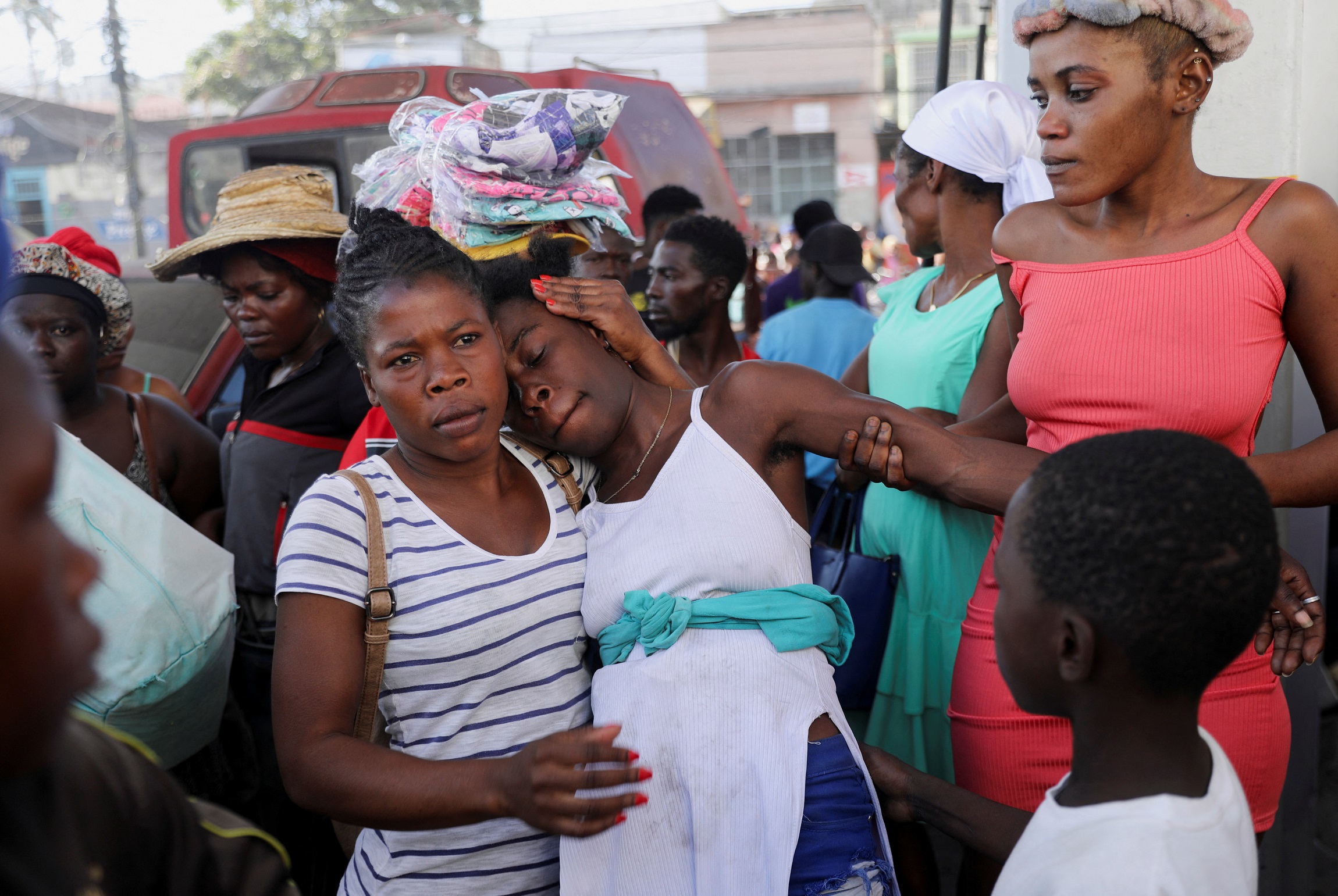
The 2021 news cycle in Port-au-Prince, Haiti, was defined by a series of unprecedented national crises, most notably the July 7 assassination of President Jovenel Moïse. This event, compounded by a major earthquake in August and escalating gang-related insecurity, fundamentally altered the nation's political trajectory and humanitarian landscape, leaving a complex legacy that continues to influence regional stability today.
The Assassination of President Jovenel Moïse
On the morning of July 7, 2021, armed assailants infiltrated the private residence of Haitian President Jovenel Moïse in the Pétion-Ville neighborhood of Port-au-Prince. The president was assassinated, and his wife, First Lady Martine Moïse, was critically wounded in the attack. The event sent immediate shockwaves through the capital and the international community, precipitating a constitutional vacuum and a period of intense political instability.
The investigation that followed uncovered a complex network of individuals involved in the operation. Authorities quickly identified a group primarily composed of former Colombian military personnel, alongside several Haitian-American dual citizens. This international involvement sparked significant diplomatic scrutiny and raised questions regarding the security apparatus meant to protect the Haitian head of state.
In the weeks following the assassination, the power struggle over succession dominated the political discourse. While Ariel Henry was eventually installed as Prime Minister, the lack of a functioning parliament—which had been effectively defunct since early 2020—left the administration operating without the traditional checks and balances required by the Haitian constitution. The uncertainty surrounding the mandate of the executive branch defined the remainder of the year and hampered efforts to organize legitimate democratic elections.
The August 14 Earthquake and Humanitarian Impact
While the capital was reeling from political upheaval, the southern peninsula of Haiti was struck by a 7.2 magnitude earthquake on August 14, 2021. Although the epicenter was near Saint-Louis-du-Sud, the logistical and humanitarian response was centered in Port-au-Prince. The capital served as the primary transit point for international aid, medical supplies, and humanitarian workers attempting to reach the decimated southern departments.
The intersection of a political crisis and a natural disaster created a "polycrisis" environment. Infrastructure in Port-au-Prince, already fragile, faced immense strain as aid organizations struggled to coordinate with a government in transition. The logistical challenges were further exacerbated by the control that armed criminal groups began to exert over key supply routes leading out of the capital.
Comparative Timeline of 2021 Major Events in Port-au-Prince
| Month | Major Event | Primary Impact |
|---|---|---|
| July | Assassination of Jovenel Moïse | Constitutional crisis; leadership vacuum |
| August | 7.2 Magnitude Earthquake | Widespread damage; humanitarian strain |
| September | Migration surge at Del Rio border | International focus on Haitian instability |
| October | Gang blockade of fuel terminals | Economic paralysis; food/fuel insecurity |
| November | Kidnapping of missionary group | Heightened security concerns for NGOs |
Escalation of Gang Violence and Insecurity
Throughout 2021, the security situation in Port-au-Prince deteriorated significantly as various criminal syndicates—most notably the G9 an Fanmi e Alye coalition—expanded their territorial control. By mid-to-late 2021, these groups had effectively cut off major arterial roads linking the capital to the rest of the country.
This control was not merely territorial; it became an economic tool. In October 2021, gangs established a blockade around the Varreux fuel terminal, the primary storage facility for fuel in the country. This blockade caused a severe scarcity of gasoline and diesel, which in turn crippled the transportation sector, limited the functionality of medical facilities, and drove up the cost of basic consumer goods. For residents of Port-au-Prince, 2021 was a year where the cost of living skyrocketed while the reliability of essential services like electricity and clean water reached record lows.
The prevalence of kidnapping for ransom became a daily reality for the citizens of the capital. Professional classes, including doctors, educators, and business owners, became primary targets. The insecurity reached a global audience in October 2021 with the kidnapping of a group of 17 North American missionaries. This incident forced international stakeholders to reevaluate the safety of humanitarian personnel in the capital and heightened the urgency of debates surrounding potential international intervention.
Legislative and Electoral Challenges
The search for a path toward democratic stability was a constant theme in the 2021 news cycle. Without a functioning Senate or Chamber of Deputies, the executive branch under Prime Minister Ariel Henry operated via decree. International organizations, including the United Nations and the Organization of American States, consistently called for a return to normalcy through democratic elections.
However, the prerequisites for conducting a national election were largely absent by the end of 2021:
- Civil Registry: Updating the national identification system to ensure eligible voters could register.
- Security: Establishing a baseline of stability that would allow polling stations to operate safely.
- Political Consensus: Reaching an agreement between the government, opposition parties, and civil society groups regarding a transitional roadmap.
These factors remained unresolved throughout the year, leading to a stalemate that persisted long after the 2021 calendar concluded.
Economic Consequences of the 2021 Crisis
The economic environment in Port-au-Prince during 2021 was characterized by high inflation and a depreciating gourde. The combination of gang-enforced roadblocks and political uncertainty deterred foreign direct investment and forced many local businesses to reduce operations or close entirely.
Supply chain disruptions were particularly acute. Because most of Haiti's imports transit through the Port-au-Prince port, the volatility in the capital had immediate impacts on food security across the entire nation. By the end of 2021, inflation for staple food items had outpaced the average wage growth of the population, leading to a significant increase in the percentage of the population facing acute food insecurity.
Frequently Asked Questions (FAQ)
What were the main security concerns in Port-au-Prince in 2021?
The primary security concern was the rapid expansion of gang influence, specifically their ability to control fuel distribution and major supply routes. This led to increased kidnappings, frequent roadblocks, and a general climate of fear that paralyzed economic activity in the capital.
How did the assassination of President Moïse affect the 2021 news cycle?
The assassination created an immediate power vacuum and constitutional crisis. It served as the central point from which all other events—including political protests, international diplomatic efforts, and institutional paralysis—radiated, dominating the national conversation for the remainder of the year.
Was the 2021 earthquake contained only to Port-au-Prince?
No. While the earthquake caused damage in the capital, its epicenter was in the Nippes department, causing massive destruction in the Grand’Anse, Sud, and Nippes departments. However, because Port-au-Prince is the logistical hub of the country, the news cycle focused heavily on the capital's role in the relief efforts.
Why was there a fuel crisis in Port-au-Prince during late 2021?
The fuel crisis was primarily caused by armed gangs blocking the Varreux oil terminal. By preventing fuel trucks from entering or leaving the terminal, these groups effectively held the capital’s energy supply hostage to negotiate their influence and leverage against the government.
Can the 2021 events be summarized as a failure of governance?
Many analysts suggest the 2021 events highlighted a structural collapse of governance. The absence of a parliament, the death of the head of state, and the inability of the state to provide basic security or disaster relief demonstrated a systemic vulnerability in Haiti’s institutional framework.
Next Steps for Understanding the 2021 Context
To gain a clearer understanding of the 2021 events in Port-au-Prince, researchers should consult the archival reports of the United Nations Integrated Office in Haiti (BINUH), which provided consistent monthly updates on the human rights and political situation throughout that year. Reviewing the official documentation regarding the constitutional succession process can also provide insight into why the political impasse became so protracted. Understanding these events is essential for contextualizing the current humanitarian and security developments observed in 2026.