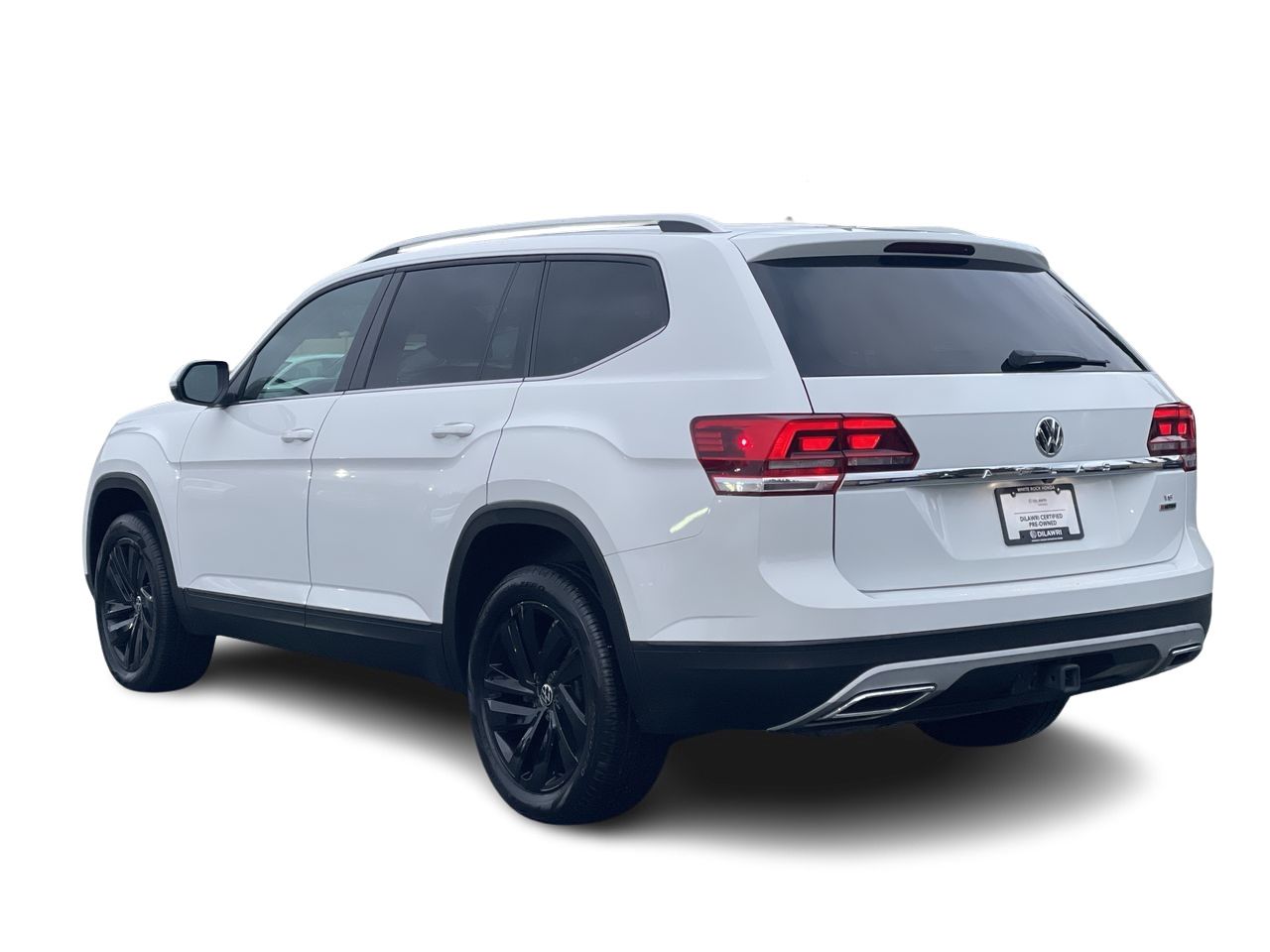
The 2018 Volkswagen Atlas, as the brand’s first major foray into the three-row midsize SUV market in North America, remains a complex proposition for used-car shoppers in 2026. While it offers impressive interior space and a composed ride, recurring electrical glitches, transmission hesitations, and persistent cooling system issues create significant ownership hurdles that often outweigh its initial comfort, making a thorough mechanical vetting essential for anyone considering a purchase.
The debut of the Volkswagen Atlas in 2018 was a strategic masterstroke by the German automaker. Designed specifically to cater to American families who prioritize passenger volume and cargo capacity, the vehicle succeeded in providing a genuine third row that could accommodate adults comfortably. However, as the 2018 model has aged, the honeymoon period has long since passed for many owners. By 2026, the vehicle has moved from a "new family hauler" to a "used-car candidate," and its long-term reliability record has become the primary talking point for those browsing the secondary market.
Understanding the Ownership Experience
For many prospective buyers, the 2018 Atlas is attractive because it offers a premium aesthetic at a price point that has depreciated significantly. Yet, the cost of entry is only the beginning of the financial narrative. When evaluating the reliability of this specific model year, it is vital to distinguish between minor inconveniences—such as infotainment screen freezes—and powertrain concerns that can result in significant repair bills.
The 2018 Atlas launched with two engine options: a 2.0-liter turbocharged four-cylinder and a 3.6-liter VR6 engine. The VR6, which powers the majority of units on the market, is a complex piece of engineering. While robust in its architecture, it has been linked to specific maintenance demands that, if neglected, lead to premature component failure.
Recurring Technical Challenges
The reputation of the 2018 Volkswagen Atlas is largely dictated by a few well-documented technical patterns. Most reports from long-term owners and service technicians point toward three specific areas of concern that frequently derail the ownership experience.
1. Transmission and Drivetrain Hesitation
The eight-speed automatic transmission paired with the Atlas often receives feedback regarding "searching" for gears or abrupt shifting behaviors. While software updates from Volkswagen have addressed some of these concerns over the years, many units continue to exhibit a noticeable lag between throttle input and power delivery. This is not merely an annoyance; it creates a lack of confidence during highway merging or city traffic navigation.
2. Electrical and Infotainment Gremlins
Volkswagen’s early MIB2 infotainment systems installed in the 2018 model are prone to spontaneous resets, intermittent Bluetooth connectivity drops, and camera display failures. Furthermore, sensors responsible for the Advanced Driver Assistance Systems (ADAS) are sensitive to environmental conditions, occasionally triggering false warnings that require dealership-level calibration. For a vehicle intended to be a reliable family workhorse, these electronic inconsistencies often force owners to make multiple trips to service centers.
3. Cooling System and Oil Consumption
Reports regarding the engine cooling system have surfaced with regularity. Plastic components within the thermostat housing have been known to crack or leak over time, leading to overheating risks. Additionally, the 3.6L engine requires strict adherence to oil change intervals using manufacturer-specified lubricants. Failure to follow these precise requirements can lead to increased oil consumption, which eventually stresses internal engine seals and sensors.
Comparative Reliability Analysis
To help buyers visualize the current standing of the 2018 Atlas against its peers, the following table summarizes the common pain points often discussed in service circles.
| Feature Area | Common Concern | Severity | Fix/Mitigation |
|---|---|---|---|
| Transmission | Shift hesitation/lag | Moderate | Software update (ECM/TCM) |
| Infotainment | System freeze/Reset | Minor | Firmware update or unit swap |
| Engine (VR6) | Thermostat housing leak | High | Replace with upgraded housing |
| Electrical | Sensor warning lights | Moderate | Calibration/Harness check |
| Suspension | Premature wear on bushings | Minor | Periodic inspection |
Evaluating Maintenance and Repair Costs
Because the 2018 Atlas utilizes European engineering, the maintenance cost is generally higher than that of its primary competitors—such as the Toyota Highlander or the Honda Pilot. Parts availability is generally good, as the platform shares components with other Volkswagen Group vehicles, but the complexity of the labor involved often dictates a higher hourly rate at independent shops or dealerships.
For a buyer in 2026, the most critical piece of advice is to secure a vehicle with a documented service history. A 2018 Atlas that has been serviced exclusively at a dealership or by a certified Volkswagen specialist is infinitely more valuable than one with "quick lube" service records. The specific requirement for high-quality synthetic oil and OEM-grade cooling parts is non-negotiable for the long-term survival of the VR6 engine.
The Role of Pre-Purchase Inspections
Given that many 2018 models have now surpassed the 100,000-mile threshold, a professional pre-purchase inspection (PPI) is the most effective tool to mitigate the "reliability roadblock." A general mechanic may not be familiar with the specific quirks of the Volkswagen MQB platform. It is highly recommended to take the vehicle to a technician who specializes in German imports.
During this inspection, ask the technician to specifically verify:
- The presence of any active or stored Diagnostic Trouble Codes (DTCs): Even if the Check Engine Light is currently off, history codes can reveal recurring electrical or sensor faults.
- The state of the cooling system: A visual inspection for "crusty" residue around the thermostat housing can identify a looming leak.
- Transmission fluid condition: While Volkswagen claims a "sealed for life" transmission, many specialists recommend fluid flushes at regular intervals. If the fluid is dark or burnt, it is a red flag for future transmission failure.
Addressing Common Owner Queries
Q: Are there any major recalls for the 2018 Volkswagen Atlas that I should worry about? A: Yes, there have been several recalls, including issues with the panoramic sunroof drainage causing interior water leaks, and potential problems with the passenger occupancy detection system. Before purchasing, use the vehicle's 17-digit VIN on the official National Highway Traffic Safety Administration (NHTSA) website to ensure all open recalls have been satisfied.
Q: Is the 2.0L Turbo engine more reliable than the 3.6L VR6? A: The 2.0L engine is generally simpler to work on, but it is under more strain when tasked with moving a vehicle as heavy as the Atlas. The VR6 is a more traditional, balanced engine, but it comes with higher fuel consumption and more complex peripheral components. Neither is strictly "trouble-free," so focus more on the maintenance history than the engine choice alone.
Q: How do the electrical gremlins manifest during a test drive? A: Often, they appear as flickering screens, unresponsive volume knobs, or backup camera static. Take at least 20 minutes for your test drive to ensure the infotainment system has reached operating temperature, as many heat-related electrical failures only appear once the components are warmed up.
Q: Can I use aftermarket parts to reduce maintenance costs? A: While aftermarket parts are cheaper, they are often a false economy for the 2018 Atlas. The engine management systems and cooling sensors are notoriously picky. Stick to Original Equipment Manufacturer (OEM) or reputable Original Equipment Supplier (OES) parts for any critical mechanical systems.
Q: Is the 2018 Atlas a "money pit" if it has high mileage? A: It depends entirely on the previous owner's diligence. A well-maintained Atlas with 120,000 miles is often a better purchase than a neglected one with 70,000 miles. If the service records show the water pump, thermostat, and transmission fluid have been addressed, you are likely in a much safer position.
Final Recommendation for Buyers
If your heart is set on the 2018 Volkswagen Atlas, you are buying a vehicle that excels in comfort and utility but demands a higher level of "active" ownership. It is not an appliance that can be ignored for years on end.
To turn this potential roadblock into a manageable asset, follow these three steps:
- Verification: Never purchase without a thorough inspection by a VW-specialized shop.
- Budgeting: Set aside a "repair contingency fund" of at least $1,500–$2,000 immediately upon purchase to cover any immediate maintenance the previous owner deferred.
- Patience: Be prepared to stay on top of the maintenance schedule. If you are the type of driver who performs preventative maintenance rather than waiting for a failure, the 2018 Atlas can provide years of service. If you are looking for a "fill-it-and-forget-it" vehicle, you may be better served looking at alternative models from manufacturers with a more consistent long-term track record in electronics.