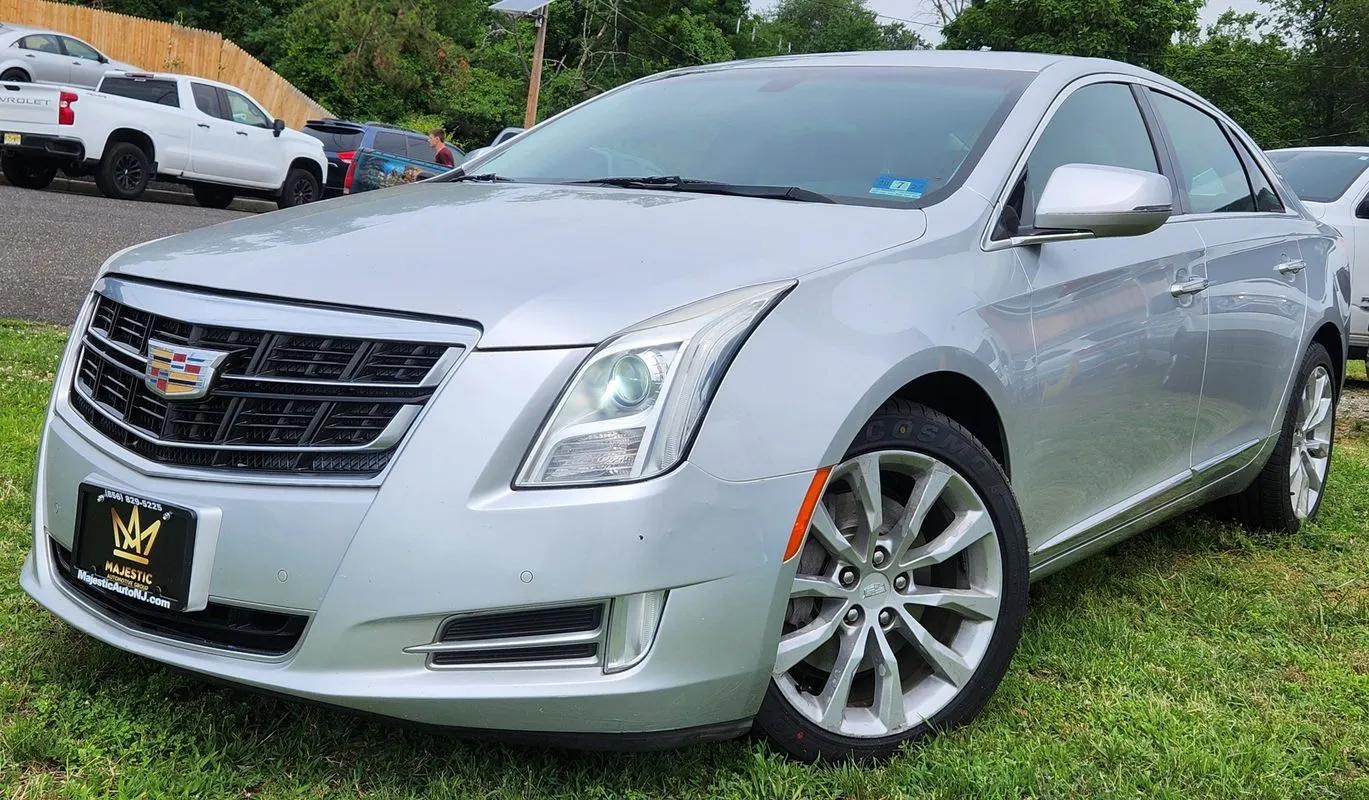
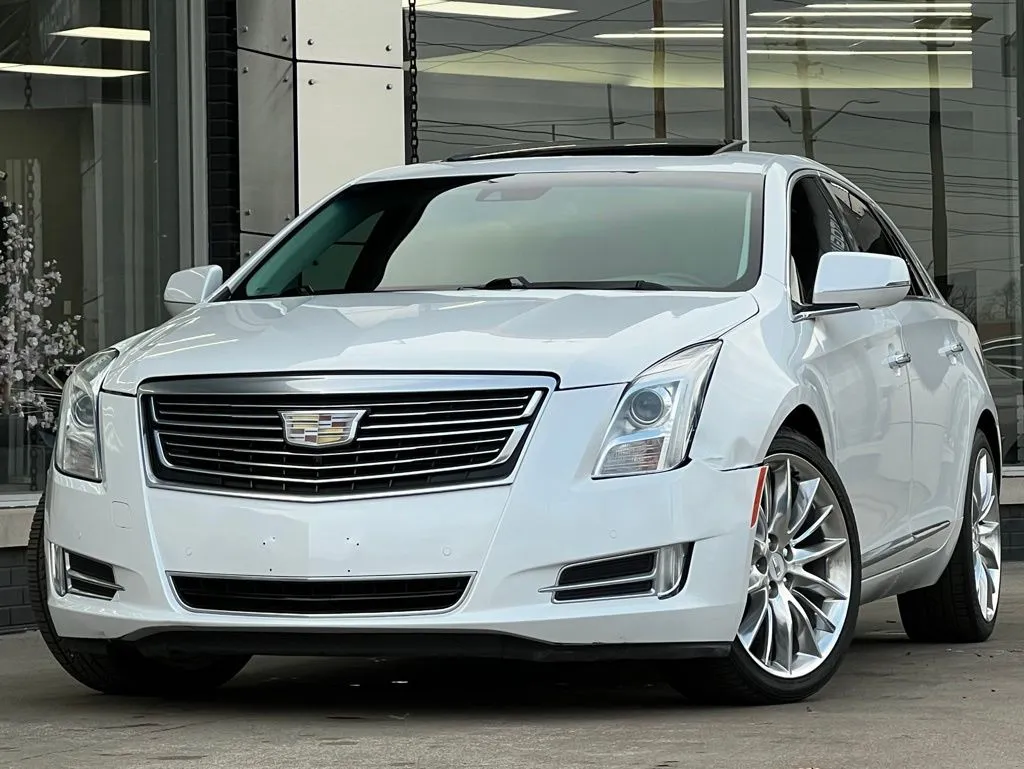
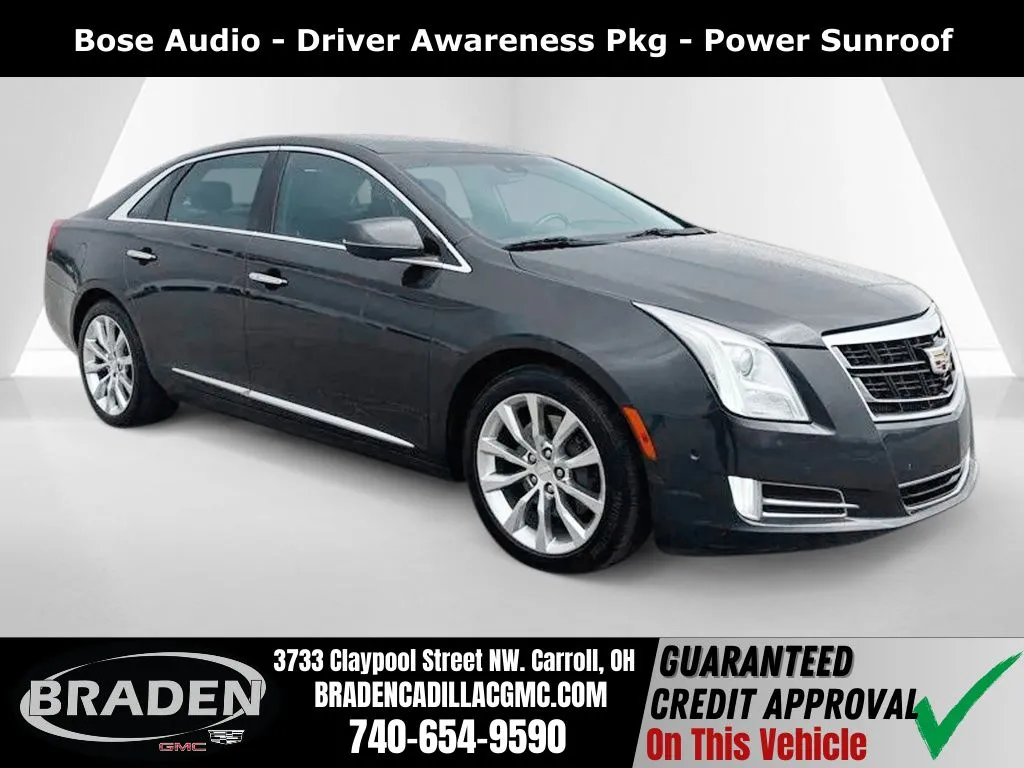
The 2016 Cadillac XTS offers two distinct power levels: the standard 3.6L V6 produces 304 horsepower, while the performance-oriented V-Sport trim features a 3.6L Twin-Turbo V6 delivering 410 horsepower. Both engines are paired with a six-speed automatic transmission, providing a balance of traditional luxury and modern forced-induction performance.
The 2016 Cadillac XTS arrived during a transitional era for Cadillac, serving as the brand's sophisticated, large-format sedan that bridged the gap between the classic comfort of the DTS and the aggressive sportiness of the CTS. While its dimensions suggest a cruiser, the horsepower figures and the underlying engineering—particularly in the V-Sport variant—tell a story of a vehicle capable of surprising even seasoned performance enthusiasts. Understanding the horsepower of the 2016 XTS requires looking beyond just the peak numbers and examining how that power is delivered to the pavement through advanced drivetrain and suspension systems.
The Standard 3.6L LFX V6: Balanced Efficiency
For the majority of 2016 Cadillac XTS models, including the Base, Luxury, Premium, and Platinum trims, the heart of the vehicle is the 3.6-liter naturally aspirated V6 engine, known internally at General Motors as the LFX. This engine was a staple of the Cadillac lineup for several years, praised for its refinement and relatively high power density for a non-turbocharged unit.
Technical Specifications and Power Delivery
The LFX engine produces 304 horsepower at 6,800 RPM and 264 lb-ft of torque at 5,300 RPM. This is a high-feature engine utilizing dual overhead camshafts (DOHC), four valves per cylinder, and continuously variable valve timing (CVVT). The use of direct injection is a critical component here; by spraying fuel directly into the combustion chamber at high pressure, Cadillac engineers were able to achieve a higher compression ratio (11.5:1), which directly translates to better efficiency and more immediate throttle response.
In a vehicle that weighs approximately 4,000 to 4,200 pounds depending on the configuration, 304 horsepower provides what is best described as "authoritative" acceleration. It is not a sports car, but it never feels underpowered during highway merging or overtaking maneuvers. The power delivery is linear, meaning the engine pulls more strongly as the tachometer rises, reaching its peak near the top of the rev range.
Performance in Daily Driving
In real-world conditions, the standard XTS can accelerate from 0 to 60 mph in approximately 6.7 to 6.9 seconds. For a full-size luxury sedan focused on passenger comfort, these figures are competitive. The standard front-wheel-drive (FWD) layout manages this power well, though Cadillac offered an advanced Haldex all-wheel-drive (AWD) system as an option on the Luxury, Premium, and Platinum trims to help distribute that horsepower more effectively in inclement weather.
The V-Sport Twin-Turbo: The High-Performance Variant
For drivers seeking a significantly more aggressive experience, the 2016 Cadillac XTS V-Sport utilizes the 3.6L Twin-Turbo V6 (LF3). This engine was a landmark for Cadillac, representing their first foray into twin-turbocharged V6 powerplants designed to rival the output of traditional V8 engines while maintaining a smaller, lighter footprint.
Engineering the 410 Horsepower Output
The V-Sport’s engine is not simply a standard V6 with turbos bolted on. It features a unique cylinder block casting, strengthened connecting rods, and a lower compression ratio (10.2:1) to handle the significant boost pressure. The result is a massive jump in performance: 410 horsepower at 6,000 RPM and a staggering 369 lb-ft of torque, which is available across a broad plateau from 1,900 to 5,600 RPM.
The presence of twin turbochargers changes the character of the XTS entirely. Unlike the standard engine, which needs to be revved high to find its strength, the V-Sport offers "instant-on" torque. This makes the car feel much smaller and lighter than it actually is, allowing for effortless acceleration from almost any speed.
V-Sport Performance Metrics
The XTS V-Sport, which comes standard with all-wheel drive to handle the extra grunt, can sprint from 0 to 60 mph in just 5.2 seconds. This puts it in the company of many dedicated sport sedans of the era. To manage this 410-horsepower output, Cadillac equipped the V-Sport with an electronic limited-slip differential (eLSD), which can split torque between the rear wheels to maximize traction coming out of corners.
Transmission and Drivetrain Dynamics
Regardless of the engine chosen, the 2016 Cadillac XTS utilizes a Hydra-Matic 6T70/6T75 six-speed automatic transmission. By 2026 standards, a six-speed might seem dated compared to modern 9 or 10-speed units, but in the context of the XTS, it was tuned for smoothness and reliability.
Gear Ratios and Power Management
The transmission features tap-shift controls on the steering wheel, allowing drivers to manually select gears if they want more control over the horsepower. The gear ratios are spaced to allow for quiet, low-RPM cruising at highway speeds—essential for the "QuietTuning" philosophy Cadillac employed—while providing a shorter first and second gear to help the heavy sedan get off the line quickly.
Managing the Horsepower: Magnetic Ride Control
One cannot discuss the XTS's power without mentioning how that power is kept under control. Most 2016 XTS models (and all V-Sports) come equipped with Magnetic Ride Control (MRC). This suspension system uses dampers filled with magneto-rheological fluid that can change its viscosity almost instantly in response to an electric charge. This allows the car to stiffen up to handle 410 horsepower during spirited driving and then soften immediately for a cloud-like ride over broken pavement.
Detailed Engine Comparison Table
The following table highlights the primary differences between the two powertrain options available for the 2016 model year.
| Feature | Standard 3.6L V6 (LFX) | 3.6L Twin-Turbo V6 (LF3) |
|---|---|---|
| Horsepower | 304 hp @ 6,800 RPM | 410 hp @ 6,000 RPM |
| Torque | 264 lb-ft @ 5,300 RPM | 369 lb-ft @ 1,900-5,600 RPM |
| Aspiration | Naturally Aspirated | Twin-Turbocharged |
| Compression Ratio | 11.5:1 | 10.2:1 |
| Fuel Requirement | Regular Unleaded (87 Octane) | Premium Recommended (91+ Octane) |
| Drivetrain | FWD (Standard) / AWD (Optional) | AWD (Standard) |
| 0-60 MPH (approx.) | 6.7 - 6.9 Seconds | 5.2 Seconds |
| Top Speed | Governed to ~130 mph | Governed to ~155 mph |
Fuel Economy vs. Horsepower
There is a natural trade-off between the high horsepower of the XTS and its fuel consumption. When the vehicle was released, and even looking back from 2026, the numbers reflect the realities of a large, powerful sedan.
- Standard V6 (FWD): Owners can expect an EPA-rated 18 city / 28 highway MPG. The ability to run on 87 octane regular gasoline is a significant benefit for those using the XTS as a daily commuter or executive transport.
- Standard V6 (AWD): The addition of the all-wheel-drive hardware adds weight and mechanical drag, dropping the fuel economy slightly to 17 city / 26 highway MPG.
- V-Sport Twin-Turbo (AWD): The high-output engine requires more fuel to maintain its 410 horsepower. It is rated at 16 city / 23 highway MPG. Furthermore, while the standard engine can run on regular, the V-Sport strongly requires premium fuel to reach its advertised horsepower and prevent engine knock under boost.
Reliability and Longevity in 2026
As the 2016 Cadillac XTS reaches a decade of service, the reliability of these engines remains a primary concern for used car buyers.
The LFX naturally aspirated engine is generally robust but has been known for timing chain wear if oil changes were neglected. High-mileage units may also suffer from carbon buildup on the intake valves—a common side effect of direct-injection technology.
The LF3 Twin-Turbo engine in the V-Sport is a more complex machine. While the bottom end of the engine is very strong, the turbochargers themselves and the extensive cooling plumbing required for the intercoolers are potential points of failure as they age. Prospective owners in 2026 should look for meticulous maintenance records, specifically frequent oil changes, as clean oil is the lifeblood of turbocharger longevity.
Frequently Asked Questions
Does the 2016 Cadillac XTS have a V8 engine option?
No, the 2016 XTS does not offer a V8. Cadillac replaced the traditional Northstar V8 found in previous large sedans with the 3.6L Twin-Turbo V6 in the V-Sport. This twin-turbo V6 actually produces more horsepower and significantly more torque than many of the older Cadillac V8s while being more fuel-efficient.
Can I increase the horsepower of my 2016 XTS?
Yes, particularly for the V-Sport model. Because the V-Sport is turbocharged, "tuning" the engine's computer (ECU) to increase boost pressure can easily add 40–60 horsepower. For the standard LFX engine, horsepower gains are harder to achieve without expensive mechanical modifications, as it is naturally aspirated.
What is the difference in horsepower between the 2015 and 2016 XTS?
There is no difference. Both the 2015 and 2016 model years utilize the same engine configurations with identical outputs: 304 hp for the standard V6 and 410 hp for the V-Sport.
Is the 2016 Cadillac XTS horsepower enough for towing?
The 2016 XTS has a modest towing capacity of approximately 1,000 pounds. While the horsepower is more than sufficient to move the weight, the vehicle's frame, transmission cooling, and suspension are designed for passenger comfort rather than heavy-duty towing.
Why does the XTS V-Sport require premium fuel?
The twin turbochargers compress the air entering the engine, which increases heat and pressure. Lower octane fuel (regular) can ignite prematurely under these conditions, causing "knock" which can damage the engine. The engine's computer will detect this and retard the timing to protect the hardware, which results in a significant loss of horsepower.
Final Recommendation for Buyers
If you are evaluating the 2016 Cadillac XTS based on its horsepower, your choice should depend entirely on your driving style. The 304-hp standard V6 is the logical choice for those who prioritize a serene ride, lower maintenance costs, and better fuel economy. It provides plenty of power for the "traditional" Cadillac experience of effortless, quiet cruising.
However, if you enjoy the sensation of being pushed back into your seat and want a sleeper sedan that can outrun many sports cars at a stoplight, the 410-hp V-Sport is the clear winner. Just be prepared for the higher "total cost of ownership," including premium fuel, higher insurance premiums, and the potential for more complex repairs as the turbochargers age. Regardless of the engine, the 2016 XTS remains a powerful testament to Cadillac's ability to blend old-school luxury with modern American muscle.