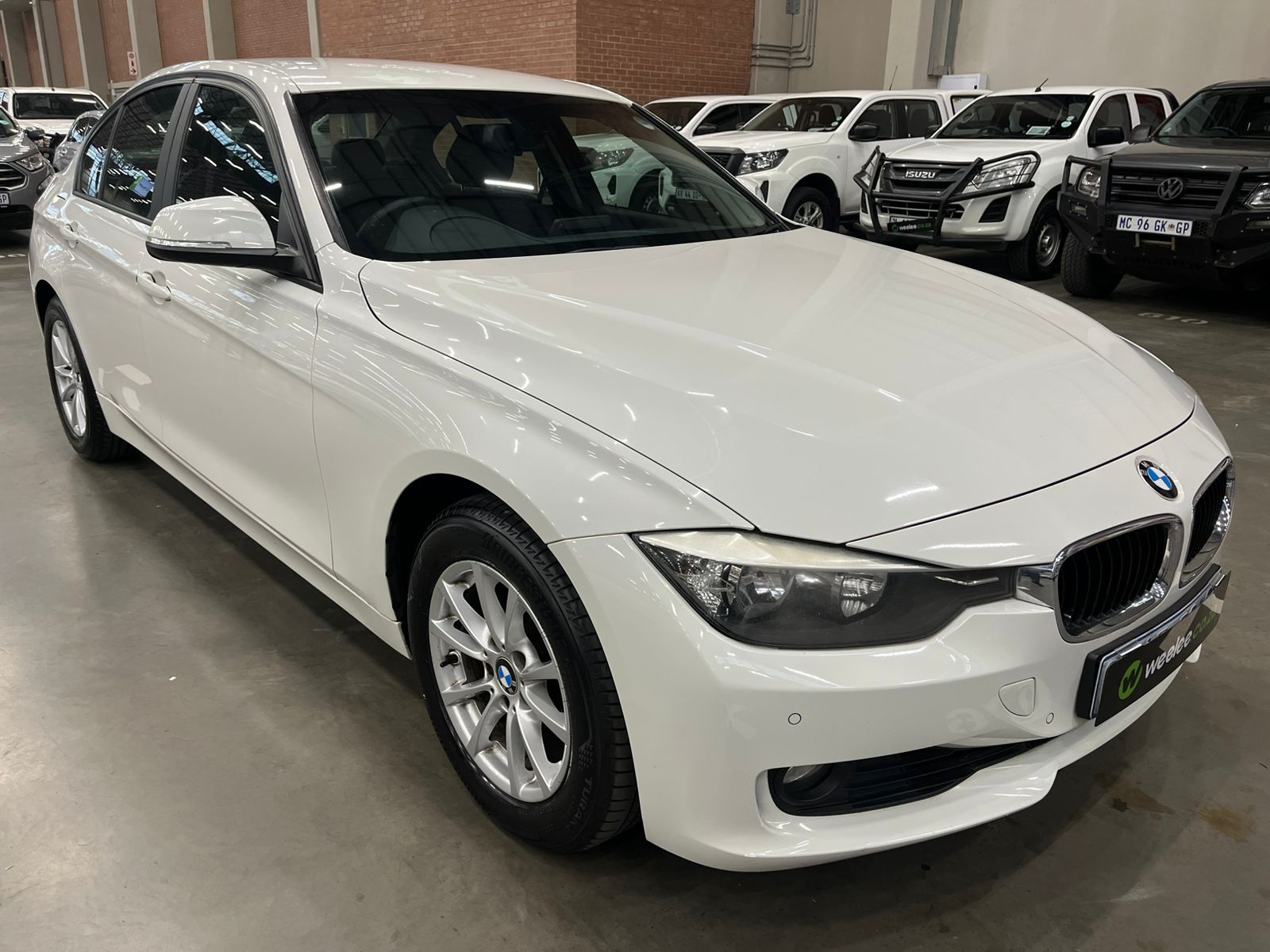
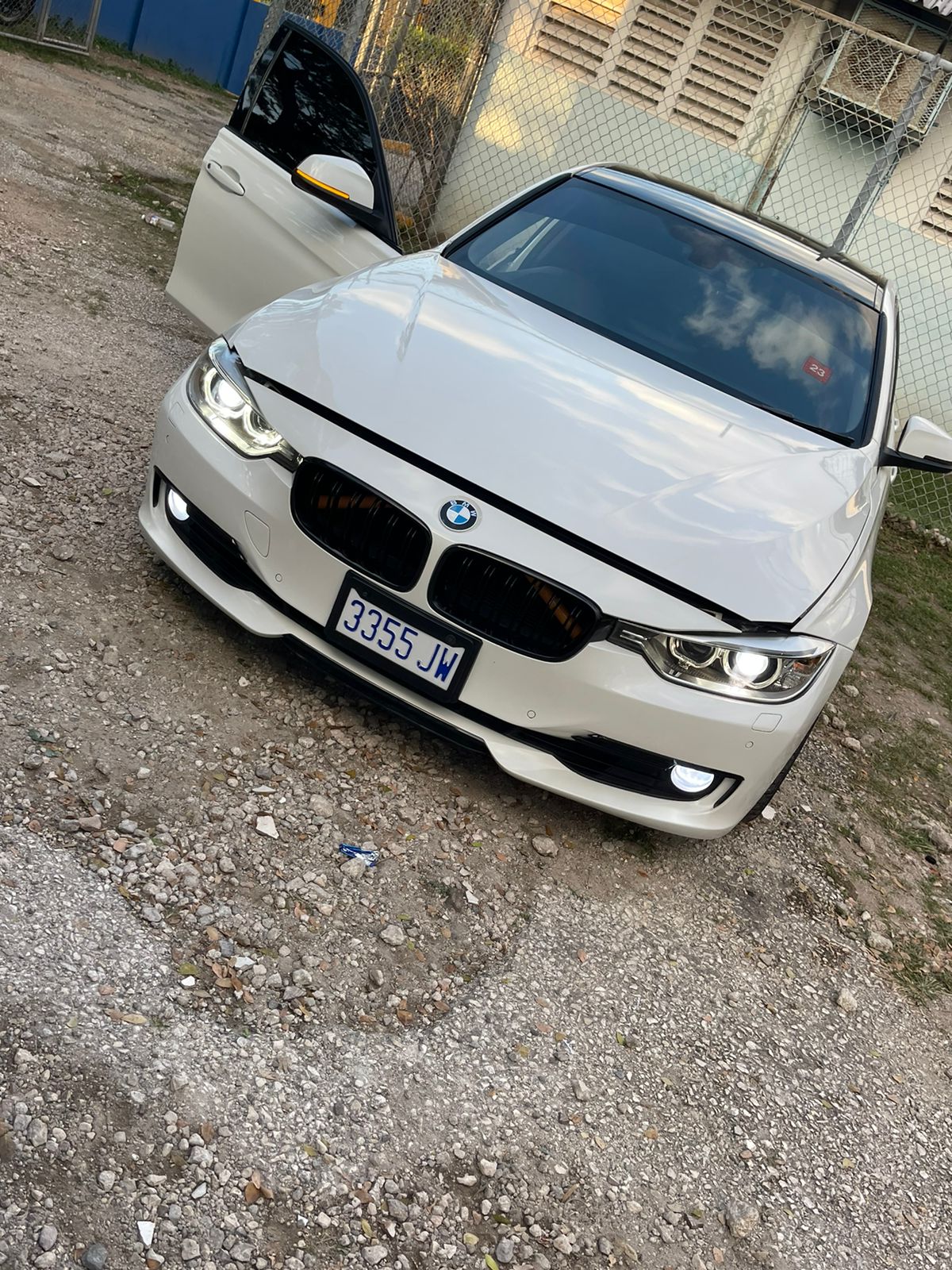
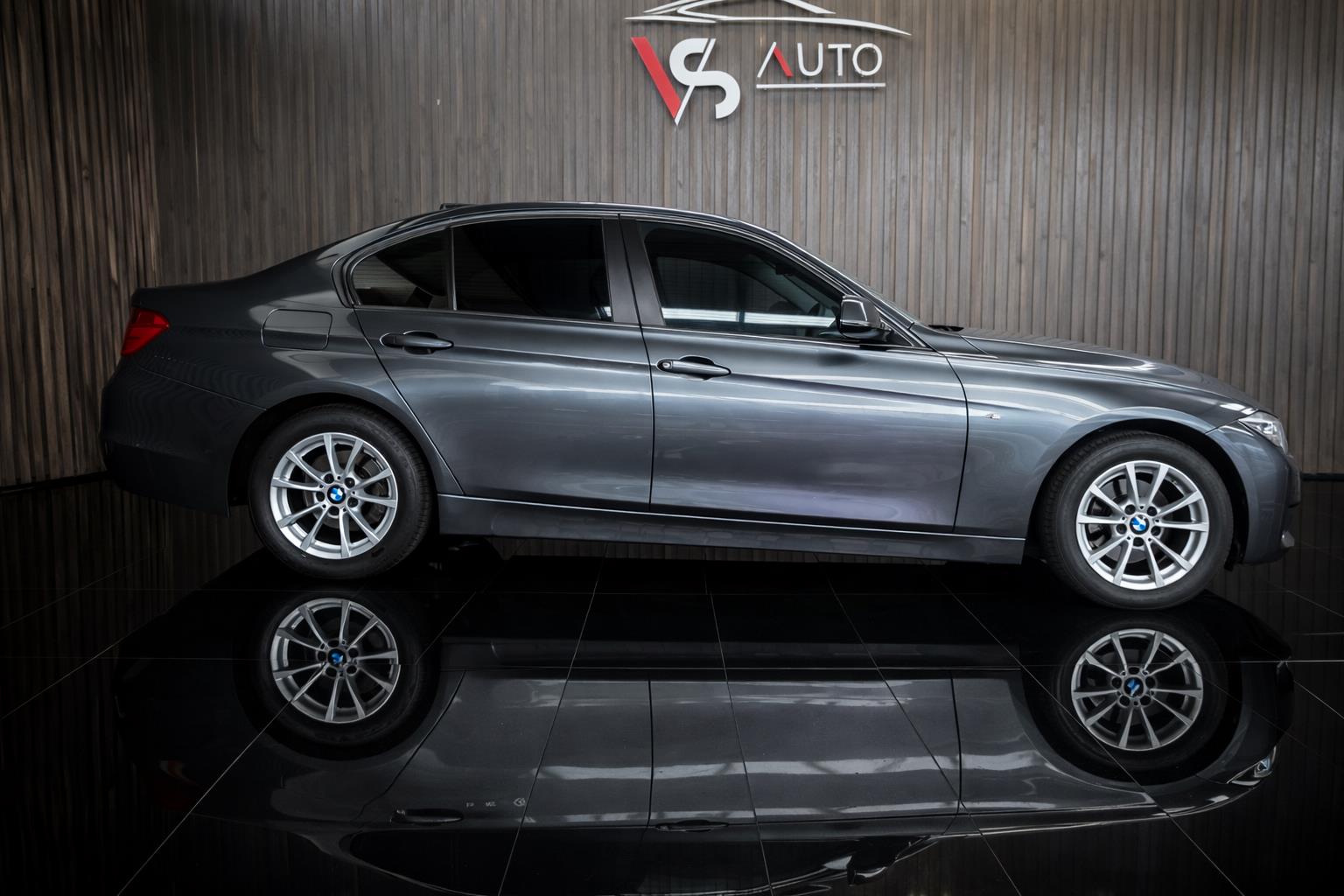
The 2012 BMW 320i marks a pivotal transition in the history of the 3 Series, introducing the F30 generation with a shift toward turbocharged efficiency and enhanced cabin technology. As a balanced entry-level luxury sedan, it offers a refined blend of fuel economy, sophisticated handling, and the prestige associated with the "Ultimate Driving Machine" ethos.
The Evolution of the F30 Generation
The 2012 model year represented a significant milestone for BMW as the 3 Series transitioned from the E90 generation to the F30. While the coupe and convertible variants remained on the older platform for that specific year, the sedan—where the 320i designation is most prominent—debuted the new, larger, and more technologically advanced chassis.
The F30 was designed to address several criticisms of its predecessor, specifically the cramped rear legroom and the somewhat clinical interior design. By increasing the wheelbase by approximately 50mm and the overall length by 93mm, BMW provided a more accommodating cabin for families and executive commuters alike. In 2026, looking back at this era, the 2012 320i is recognized as the moment BMW shifted its focus from raw steering feel toward a broader market appeal, emphasizing comfort and connectivity.
Powertrain and Engineering Performance
At the heart of the 2012 BMW 320i lies the N20 engine, a 2.0-liter, four-cylinder unit featuring BMW TwinPower Turbo technology. It is important to distinguish that "TwinPower" refers to the twin-scroll turbocharger design rather than the presence of two separate turbochargers. This engineering choice was intended to reduce turbo lag and provide a broader torque curve, making the 320i feel more responsive at low RPMs than the naturally aspirated four-cylinder engines of the past.
Engine Specifications
The N20B20 engine in the 320i was tuned to deliver approximately 181 horsepower (135 kW) and 199 lb-ft (270 Nm) of torque. While these figures may seem modest compared to the 328i or 335i variants of the same year, the 320i was optimized for efficiency and daily drivability. The torque delivery begins as low as 1,250 RPM, allowing for effortless merging and city driving.
Transmission Options
BMW offered two primary transmission choices for the 320i in 2012:
- 6-Speed Manual: Favored by enthusiasts for its tactile engagement and classic BMW shift feel.
- 8-Speed ZF Automatic: This transmission became the gold standard for the industry. Its rapid shift times and ability to keep the engine in its optimal power band significantly improved fuel economy compared to previous six-speed units.
Driving Modes and Dynamics
The 2012 320i introduced the Driving Experience Control switch as standard equipment. This allowed drivers to toggle between Eco Pro, Comfort, and Sport modes. Each mode adjusts the throttle response, steering weight, and—on automatic models—the transmission shift points. Eco Pro mode, in particular, was a new focus for BMW, encouraging fuel-efficient driving through decoupled coasting and optimized climate control settings.
2012 BMW 320i Technical Specifications
The following table summarizes the core technical data for the 2012 F30 320i sedan (International Market Specifications).
| Feature | Specification |
|---|---|
| Engine Type | Inline 4-cylinder, 16-valve, Turbocharged (N20) |
| Displacement | 1,997 cc |
| Horsepower | 181 hp @ 5,000 rpm |
| Torque | 199 lb-ft (270 Nm) @ 1,250–4,500 rpm |
| 0–100 km/h (62 mph) | 7.3 seconds (Manual) / 7.6 seconds (Automatic) |
| Top Speed | 235 km/h (146 mph) |
| Fuel Consumption (Combined) | ~5.9–6.3 L/100km (approx. 37–40 mpg) |
| Curb Weight | ~1,495 kg (3,296 lbs) |
| Drivetrain | Rear-Wheel Drive (RWD) |
| Brakes | Ventilated discs (Front and Rear) |
Interior Design and Technology
The interior of the 2012 320i reflects a "driver-centric" philosophy. The center console is angled slightly toward the driver, placing all essential controls within easy reach. In terms of materials, the F30 moved toward a mix of high-quality soft-touch plastics, aluminum or wood trim, and BMW’s SensaTec (synthetic leather) or optional Dakota leather upholstery.
iDrive System
By 2012, BMW’s iDrive system had matured significantly. The 320i featured a high-resolution 6.5-inch or 8.8-inch freestanding display (depending on the navigation package). While lacking the touch-screen capabilities of 2026 models, the rotary controller remained intuitive for navigating menus without taking eyes off the road. Bluetooth connectivity for telephony was standard, though music streaming often required the "Enhanced Bluetooth" or "Technology" package.
Practicality and Space
The increased dimensions of the F30 platform resulted in a 15mm increase in rear knee room and an additional 8mm of headroom. The trunk capacity was also expanded to 480 liters, featuring a wide opening that made loading luggage significantly easier than in the E90. In the pre-owned market of 2026, this generation remains a popular choice for those needing a compact executive car that can still function as a primary family vehicle.
Common Reliability Issues and Maintenance
As the 2012 BMW 320i is now 14 years old, prospective owners must be aware of specific mechanical vulnerabilities associated with the early N20 engine production.
The Timing Chain Issue
The most critical concern for the 2012–2015 N20 engines is the timing chain guide failure. The original plastic guides were prone to becoming brittle and breaking, which could lead to the chain skipping or snapped, resulting in catastrophic engine failure. By 2026, many vehicles on the road will have already had the updated components installed under warranty or as preventative maintenance. Buyers should verify if the "whining" sound (a common symptom) is present or if the timing chain components have been replaced with the revised parts (post-2015 design).
Oil Leaks and Cooling
Like many European vehicles of this era, the 320i is prone to oil leaks from the Valve Cover Gasket, Oil Filter Housing Gasket, and the Oil Pan Gasket. Furthermore, the cooling system relies heavily on plastic components, including the electric water pump and thermostat, which typically require replacement every 80,000 to 100,000 miles.
Fuel System and Carbon Buildup
Being a direct-injection engine, the N20 can suffer from carbon buildup on the intake valves over time. This can lead to rough idling, decreased fuel economy, and a loss of power. Periodic "walnut blasting" of the intake valves is a recommended maintenance task for high-mileage examples.
Driving Dynamics: The Shift to EPS
One of the most debated aspects of the 2012 320i was the introduction of Electric Power Steering (EPS), replacing the hydraulic systems found in the E90. While EPS improved fuel efficiency by reducing parasitic load on the engine, some enthusiasts felt it lacked the communicative "road feel" of earlier BMWs.
However, the chassis remains excellently balanced with a near 50/50 weight distribution. The suspension—featuring a double-joint spring strut front axle and a five-link rear axle—provides a composed ride that absorbs road imperfections while maintaining stability during spirited cornering. For drivers coming from non-luxury brands, the 320i still offers a significantly more engaging experience than most front-wheel-drive competitors.
Ownership Costs in 2026
In 2026, the 2012 BMW 320i has entered the "affordable enthusiast" bracket. Depreciation has leveled off, making it an accessible entry point into the brand.
- Insurance: Generally moderate, though slightly higher than non-luxury sedans due to the cost of BMW-specific parts.
- Fuel Economy: The 320i remains competitive. Its 8-speed automatic allows for excellent highway mileage, often exceeding 35 mpg in real-world conditions.
- Maintenance: DIY-friendly for basic tasks like oil changes and brake pads, but complex engine or electronic issues require specialized diagnostic tools (such as ISTA or ESYS).
Comparison with Competitors
When the 2012 320i was released, it faced stiff competition from the Audi A4 (B8) and the Mercedes-Benz C-Class (W204).
- Audi A4: Offered superior interior fit and finish and the availability of Quattro AWD, but the BMW’s RWD platform provided a more agile driving experience.
- Mercedes-Benz C-Class: Focused more on comfort and traditional luxury. The C250 was the direct competitor, but it lacked the sharpness of the 320i’s 8-speed transmission.
Frequently Asked Questions
Is the 2012 BMW 320i fuel efficient?
Yes, the 320i was designed specifically for efficiency. With the 8-speed automatic transmission and the N20 turbocharged engine, it can achieve roughly 37–40 mpg on the highway. The inclusion of the "Eco Pro" mode further assists drivers in maximizing their fuel range by optimizing shifting and climate control usage.
Does the 2012 320i have a timing chain problem?
Early versions of the N20 engine found in the 2012 320i are known for potential timing chain guide failure. This issue involves the plastic guides wearing down prematurely, which can cause the chain to jump or fail. Owners in 2026 should check service records to see if the guides and chain have been updated to the improved version released by BMW in early 2015.
What is the difference between the 320i and the 328i?
Both cars use the same 2.0-liter N20 engine, but the 320i is detuned for lower power output and better fuel economy. The 328i features different pistons and a larger exhaust diameter to handle higher boost pressures, resulting in approximately 240 horsepower compared to the 320i's 181 horsepower.
Can I play music via Bluetooth in a 2012 320i?
While Bluetooth for phone calls was a standard feature, Bluetooth Audio Streaming (A2DP) was often part of an optional "Technology" or "Enhanced USB/Bluetooth" package. If the vehicle is not equipped with this, owners typically use the AUX port or third-party Bluetooth adapters that plug into the USB/AUX interface in the center console.
Is the 2012 BMW 320i an F30 or E90?
For the 2012 model year, the 320i sedan is the F30 generation. However, if you are looking at a 2012 3 Series Coupe or Convertible, those models remained on the older E92/E93 (E90-based) platform for that specific year.
Is the 2012 320i reliable enough for a daily driver in 2026?
The 2012 320i can be a reliable daily driver provided that major preventative maintenance—specifically the timing chain, water pump, and oil gaskets—has been addressed. Because it is a 14-year-old luxury vehicle, buyers should set aside an annual maintenance budget of $1,500 to $2,000 for unexpected repairs and standard upkeep.
Final Recommendation
The 2012 BMW 320i remains a compelling choice for those seeking a sophisticated driving experience without the high fuel costs of larger-displacement engines. In 2026, it serves as a testament to BMW’s successful transition into the turbocharged era. For a successful ownership experience, prioritize vehicles with comprehensive service histories and evidence of timing chain replacement. If you value a modern interior, class-leading fuel efficiency, and a balanced chassis, the 320i is one of the most cost-effective ways to enjoy the BMW badge.