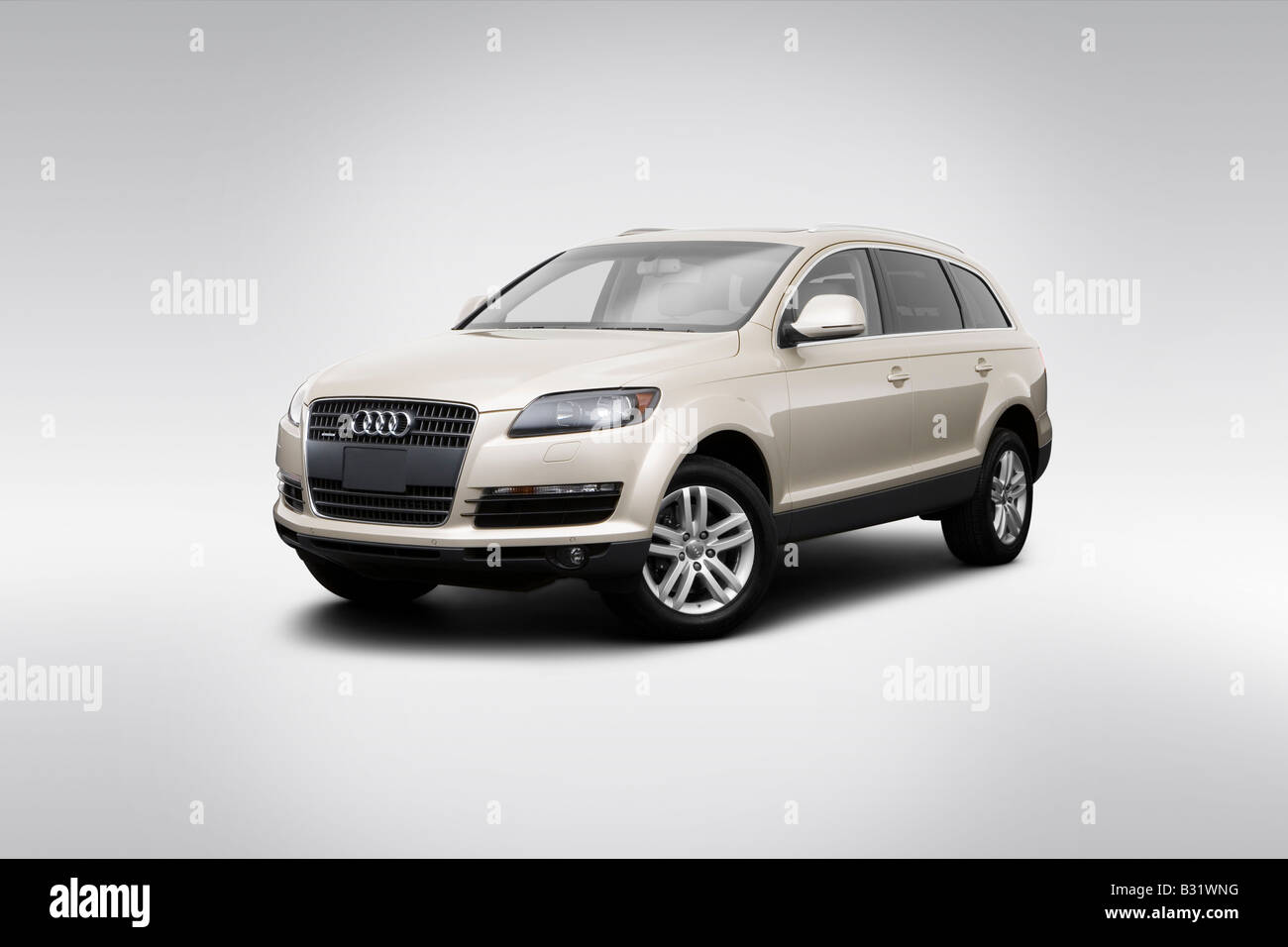
The 2008 Audi Q7 3.6 Premium Quattro represents a significant moment in the evolution of luxury SUVs, blending Audi’s signature all-wheel-drive performance with a versatile, upscale interior. Buyers considering this model in 2026 should focus on its 3.6L VR6 engine reliability, the complexities of its Quattro drivetrain, and the importance of thorough service history records to ensure long-term usability.
Architectural Overview of the 2008 Audi Q7
When Audi introduced the Q7, it signaled the brand's intent to capture the high-end SUV market by prioritizing road handling and interior refinement over rugged off-road utility. The 2008 model year sits within the early phase of the first generation (Type 4L), which was built on the Volkswagen Group PL71 platform, sharing architecture with the Porsche Cayenne and the Volkswagen Touareg.
The "Premium" designation signifies a specific trim level that bridged the gap between the base model and the more potent V8 variants. By 2008, Audi had established this trim to cater to buyers who wanted the prestige of the Quattro system and standard luxury features—such as heated seats, an advanced Bose sound system, and upgraded interior materials—without opting for the thirstier, more complex 4.2L V8 engine.
Technical Specifications and Performance
The heart of this vehicle is the 3.6-liter naturally aspirated FSI (Fuel Stratified Injection) V6 engine. Unlike a traditional V-configuration, this engine utilizes a narrow-angle VR6 layout. This design choice allowed Audi to package a six-cylinder engine into a longitudinal engine bay while maintaining a relatively compact footprint.
- Engine: 3.6L VR6 DOHC 24-valve FSI
- Horsepower: 280 hp @ 6,200 rpm
- Torque: 266 lb-ft @ 2,750 rpm
- Transmission: 6-speed Tiptronic automatic
- Drivetrain: Quattro permanent all-wheel drive with 40/60 torque split
- Curb Weight: Approximately 5,100 lbs
The Quattro system in the 2008 Q7 is a mechanical Torsen center differential setup. This is a critical technical detail for potential owners in 2026; unlike later Haldex-based systems that only engage rear wheels when slip is detected, the 2008 Quattro system provides a constant, rear-biased torque split. This delivers a predictable, planted feeling during cornering and inclement weather, though it does impose a weight penalty that affects fuel efficiency.
Evaluating Long-Term Ownership: 2026 Perspective
In 2026, an 18-year-old vehicle requires a pragmatic approach to ownership. The 3.6L engine is generally considered the most reliable powertrain option for the first-gen Q7, lacking the timing chain guide failures often associated with the 4.2L V8. However, the age of the vehicle means that plastic and rubber components are reaching the end of their design life.
Critical Maintenance Considerations
- Cooling System: The plastic coolant pipes and auxiliary water pumps are prone to leaking as they age. If the vehicle shows signs of overheating or coolant loss, these systems should be prioritized for inspection.
- Suspension Components: The Q7 is heavy, placing significant stress on control arm bushings and ball joints. If the vehicle feels "loose" or makes clunking noises over bumps, the entire front suspension assembly should be serviced.
- Electrical Gremlins: The 2008 Q7 features a complex Multiplex wiring system. Battery health is paramount; a failing battery or a corroded ground strap can cause "phantom" dashboard warning lights that do not necessarily indicate mechanical failure.
- Tiptronic Transmission: While the transmission is durable, "sealed for life" fluid claims from 2008 are no longer considered valid. Replacing the transmission fluid and filter is recommended every 60,000 to 80,000 miles to ensure smooth shifting.
Comparison of Trim Levels and Powertrains
Choosing the right configuration depends on your usage requirements. The 3.6L Premium is often considered the "Goldilocks" model for the Q7, offering the best balance of fuel economy, maintenance costs, and performance.
| Feature | 3.6 Premium (V6) | 4.2 Prestige (V8) |
|---|---|---|
| Engine Type | 3.6L VR6 | 4.2L FSI V8 |
| Reliability Focus | High (Simpler design) | Moderate (Complex timing) |
| Fuel Economy | Low (Heavy weight) | Very Low |
| Daily Utility | Excellent | High (More power) |
| Maintenance Costs | Moderate | High |
The V8 model offers superior towing capacity and highway passing power, but it comes with higher insurance premiums and more expensive specialized repair costs. For most drivers in 2026, the 3.6L model provides sufficient power for daily driving while being significantly easier to service.
Addressing Common Troubleshooting Questions
Owners often encounter specific issues with the MMI (Multi-Media Interface) system. This was Audi’s flagship infotainment system in 2008, but it lacks modern connectivity like Bluetooth streaming or smartphone integration. Many owners solve this by using aftermarket Bluetooth-to-Aux adapters or replacing the screen unit with a modern Android-based system designed specifically for the Q7 dashboard.
Another common point of concern is the panoramic sunroof. The drainage channels in the 2008 Q7 are notorious for clogging over time, which can lead to water intrusion in the cabin. Cleaning these drains annually is a small preventative task that can save the interior from significant water damage and mold growth.
Frequently Asked Questions
1. Is the 2008 Audi Q7 3.6 reliable for high-mileage driving? Yes, the 3.6L engine is robust, provided it has been maintained with high-quality synthetic oil. However, at this age, reliability is more dependent on previous owner care than manufacturer design. Always request a pre-purchase inspection from an Audi-specialist mechanic.
2. What is the real-world fuel economy for this model? Expect between 14 and 18 MPG depending on your city-to-highway ratio. The Q7 is a heavy vehicle with permanent all-wheel drive, which inherently limits its fuel efficiency compared to modern unibody SUVs.
3. Does the 2008 Audi Q7 have advanced safety features? For 2008, it was well-equipped with front, side, and curtain airbags, as well as electronic stability control. While it lacks modern active safety features like automatic emergency braking or lane-keep assist, it remains a structurally sound vehicle.
4. Are parts still available for a 2008 model? Because the Q7 shares parts with the Volkswagen Touareg and Porsche Cayenne, the aftermarket parts supply is excellent. You will find that many mechanical components remain readily available from independent auto-parts retailers.
5. How difficult is it to maintain the Quattro system? The mechanical Quattro system is highly durable. The main requirement is ensuring that all four tires are replaced as a set to match tread depth and brand. Mismatched tires can cause the center differential to "bind," leading to expensive mechanical wear over time.
Final Recommendation for Buyers
If you are looking for a capable, luxurious, and sturdy SUV, the 2008 Audi Q7 3.6 Premium Quattro remains a compelling choice if you budget for immediate post-purchase maintenance. Your first step upon acquisition should be a full "baseline" service: fresh synthetic oil, a complete transmission flush, and a thorough inspection of the cooling system. With these items addressed, the Q7 offers a level of road presence and interior comfort that remains competitive with many entry-level vehicles sold today.