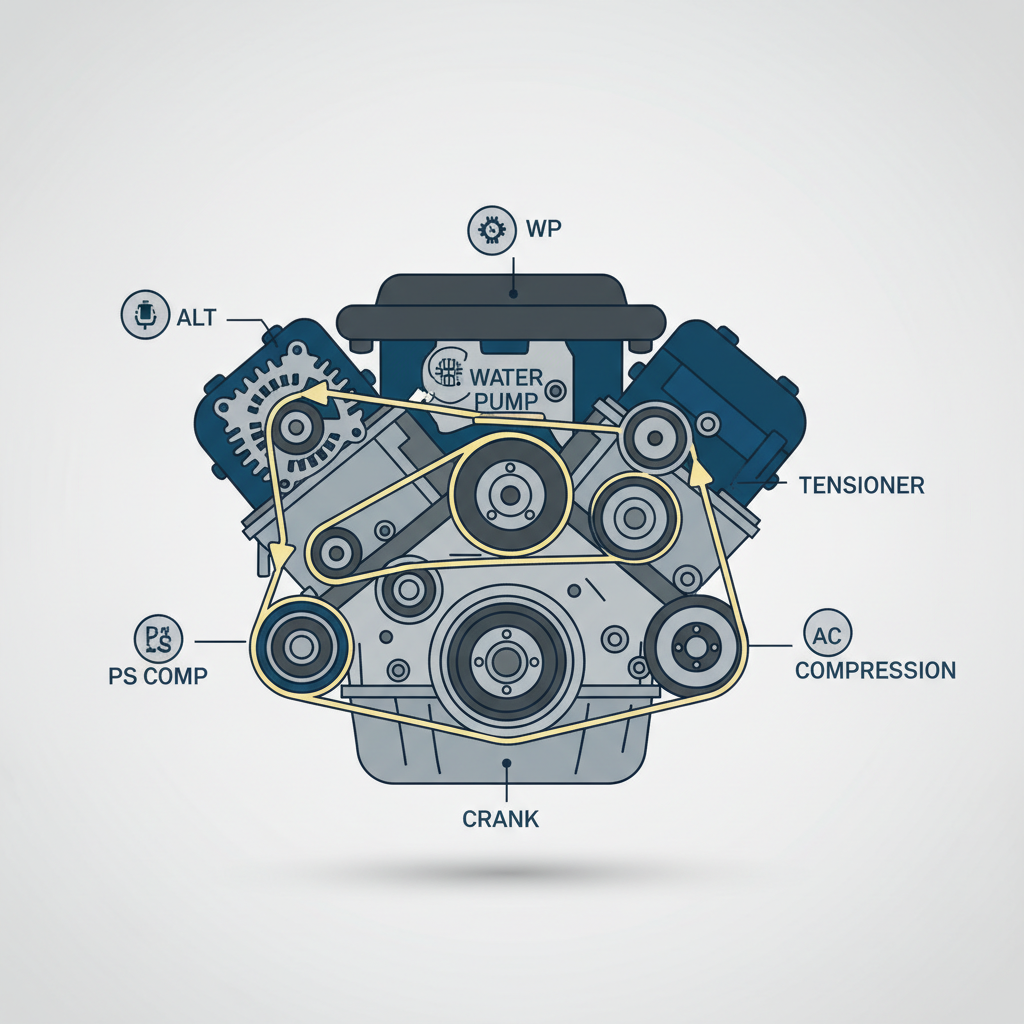
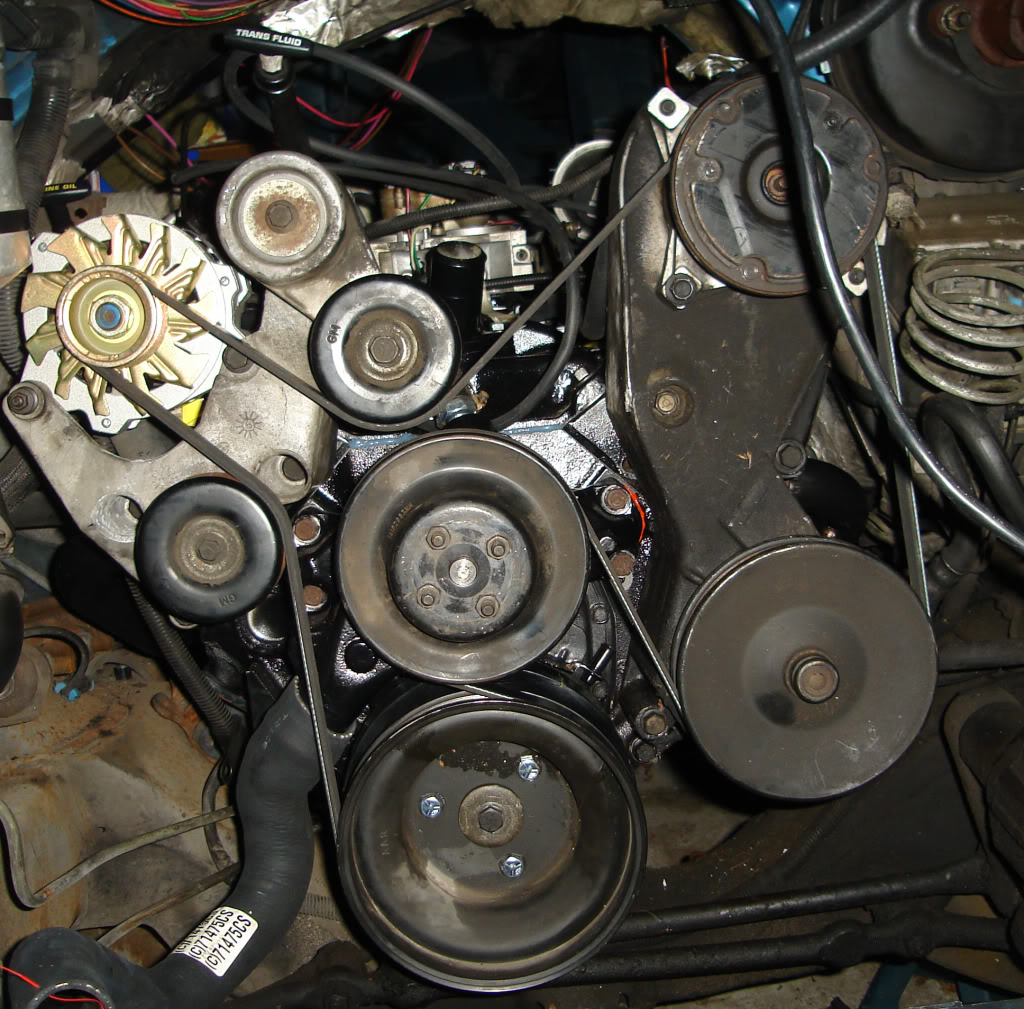
Replacing the serpentine belt on a 2007 Mercedes-Benz GL450 requires precise routing around the crankshaft, alternator, power steering pump, and A/C compressor. Referencing a verified routing diagram is essential, as the M273 V8 engine configuration uses a specific tensioner release point to ensure the belt seats correctly across all grooved and smooth pulleys.
The 2007 Mercedes-Benz GL450 features the M273 4.7L V8 engine, a sophisticated power plant that relies on a single serpentine belt (often called a drive belt) to operate critical engine-driven accessories. When this belt degrades, the vehicle may lose power steering, alternator output, and cooling capabilities, leading to immediate mechanical failure or engine overheating. Understanding the serpentine belt layout is the first step in performing a successful maintenance task that restores vehicle reliability.
Understanding the 2007 Mercedes-Benz GL450 Accessory Drive System
The accessory drive system in the GL450 is designed for longevity, but the rubber compound of the belt is subject to extreme thermal cycles and constant tension. The M273 engine uses a serpentine configuration where one belt drives the water pump, alternator, A/C compressor, and power steering pump.
The belt routing is serpentine in nature, meaning it weaves over and under various pulleys. Some of these pulleys have grooves (ribbed) to match the inner side of the belt, while others are flat and smooth (idlers). If the belt is routed incorrectly—even by a slight misalignment—it will cause premature wear, squealing noises, or complete detachment during operation.
Identifying Component Roles in the Drive Path
To visualize the diagram effectively, you must identify each pulley's specific function within the front engine assembly of the 2007 GL450:
- Crankshaft Pulley (Harmonic Balancer): This is the large pulley at the bottom center. It provides the rotational force for the entire system.
- Alternator: Located usually toward the upper section of the engine block. It creates electrical energy as the belt spins its internal rotor.
- Power Steering Pump: Often located near the driver’s side, responsible for hydraulic fluid pressure.
- A/C Compressor: Positioned at the lower portion of the engine, usually the lowest pulley, which requires significant torque to engage the clutch.
- Tensioner Pulley: A spring-loaded arm with a smooth pulley designed to maintain constant pressure on the belt.
- Idler Pulleys: These serve as guides to ensure the belt maintains the required "wrap" angle around the accessory drive pulleys.
Safety Prerequisites and Necessary Tools
Before beginning the replacement process, ensure the engine is completely cool. Working on the front of an M273 engine involves tight clearances, and accidental contact with hot coolant lines or engine surfaces is a significant risk.
Required Tools:
- Serpentine Belt Tool or 17mm/19mm Socket: Mercedes-Benz tensioners typically require a specific socket or a dedicated serpentine belt tool to rotate the tensioner arm and release belt tension.
- Replacement Belt: Ensure you are using an OEM-spec belt or a high-quality aftermarket equivalent (typically 6-ribbed).
- Flashlight/Work Light: The engine bay of the GL450 is deep, and the lower pulleys are often obscured by shadows.
- Pulley Inspection Mirror: Useful for verifying the alignment of the belt in the grooves of the lower pulleys after installation.
Step-by-Step Belt Replacement Procedure
Following the correct sequence is critical to ensure the belt is properly seated before the tensioner is released.
- Map the Routing: Before removing the old belt, take a clear photo or sketch the current routing. Even if the belt is shredded, verify the path around each pulley.
- Release Tension: Locate the tensioner pulley arm. Insert your tool (usually a 17mm socket on the tensioner bolt head) and rotate it clockwise (in most M273 configurations) to retract the tensioner spring. This creates slack in the belt.
- Remove the Belt: Slide the belt off the most accessible pulley—typically the upper idler or the alternator pulley. Slowly release the tensioner arm, then remove the belt from the remaining pulleys.
- Inspect Pulleys: Before installing the new belt, spin every pulley by hand. If any pulley makes a growling sound, exhibits resistance, or has "play" (wobble), the bearing is failing and must be replaced immediately.
- Route the New Belt: Follow your diagram. Start at the crankshaft pulley, looping the belt around the fixed pulleys first. Leave the tensioner pulley for last.
- Final Seating: Once the belt is routed, verify that every rib of the belt is perfectly aligned within the grooves of the pulleys. Misalignment by even one rib will cause the belt to shred within minutes.
- Apply Tension: Rotate the tensioner again to create slack, slip the belt over the final pulley, and slowly release the tensioner to lock the belt in place.
Common Signs of Belt Wear and Failure
Recognizing the signs of a failing belt can prevent an emergency roadside situation. In the 2007 GL450, monitor for:
- Squealing or Chirping: Often heard during cold starts or when the A/C compressor kicks on. This indicates the belt is slipping against the pulleys.
- Cracks and Fraying: Visually inspect the ribbed side of the belt. Small, perpendicular cracks are common with age, but "chunks" missing from the ribs or exposed cord fibers indicate a critical need for replacement.
- Glazing: If the back (smooth) side of the belt looks shiny or glossy, it has been slipping and overheating, losing its ability to grip the pulleys.
- Power Steering Hesitation: If the belt is loose, you may notice sudden loss of power steering assistance during low-speed maneuvers.
Comparison of Belt Maintenance Options
| Feature | OEM Mercedes-Benz Belt | Quality Aftermarket (e.g., Continental) | Economy/Budget Belt |
|---|---|---|---|
| Material | EPDM (Reinforced) | EPDM | Standard Rubber |
| Durability | High (Expected ~60k miles) | High (Comparable) | Low (Prone to drying) |
| Noise Level | Minimal | Minimal | Likely to squeak |
| Cost | Premium | Moderate | Inexpensive |
| Reliability | Excellent | Reliable | Risky |
Troubleshooting Incorrect Installation
If you notice the vehicle making noise immediately after a belt change, stop the engine. Common installation errors include:
- Pulley Overlap: The belt may be riding on the edge of a pulley rather than sitting deep in the grooves.
- Reverse Path: On smooth idler pulleys, ensure the smooth back of the belt is facing the pulley. If the ribbed side is against a smooth pulley, it will cause excessive friction and heat.
- Tensioner Binding: If the tensioner arm does not return to its full resting position, the belt may be the wrong length, or the tensioner itself may be seized.
Frequently Asked Questions
1. How often should I replace the 2007 GL450 serpentine belt? Under normal operating conditions, the serpentine belt should be inspected every 30,000 miles and generally replaced between 60,000 and 80,000 miles. However, exposure to harsh climates or frequent stop-and-go driving may necessitate earlier replacement.
2. Is the tensioner usually replaced with the belt? It is considered a "best practice" to check the tensioner for smooth operation. If the tensioner shows signs of wear, such as an audible click or lack of resistance, it should be replaced concurrently with the belt to avoid damaging the new belt.
3. Why does my belt squeal immediately after installation? This usually indicates that the belt was not fully seated into the grooves of one of the pulleys, or that a pulley is slightly misaligned. Double-check that all ribs are aligned before driving.
4. Can I drive the vehicle if the serpentine belt snaps? No. Because the serpentine belt drives the water pump, the engine will overheat rapidly, potentially leading to catastrophic damage. Additionally, you will lose power steering and alternator charging, making the vehicle unsafe to drive.
5. How do I know if I have the correct belt length for my GL450? The M273 engine was used in various Mercedes models. Always cross-reference your VIN with the parts supplier to ensure you have the correct belt for the specific accessory configuration (e.g., with or without rear air conditioning).
Final Recommendation
Before performing this maintenance, verify the routing path against the factory label located on the underside of the hood or near the radiator shroud. If the label is missing, document your specific accessory configuration (A/C, alternator placement) to ensure the diagram matches your engine bay. For those inexperienced with tensioner mechanics, consider having a certified technician perform the installation to guarantee belt alignment and pulley integrity. Prioritizing high-quality, EPDM-grade belts will provide the longest service interval and ensure your Mercedes-Benz GL450 remains dependable for years to come.