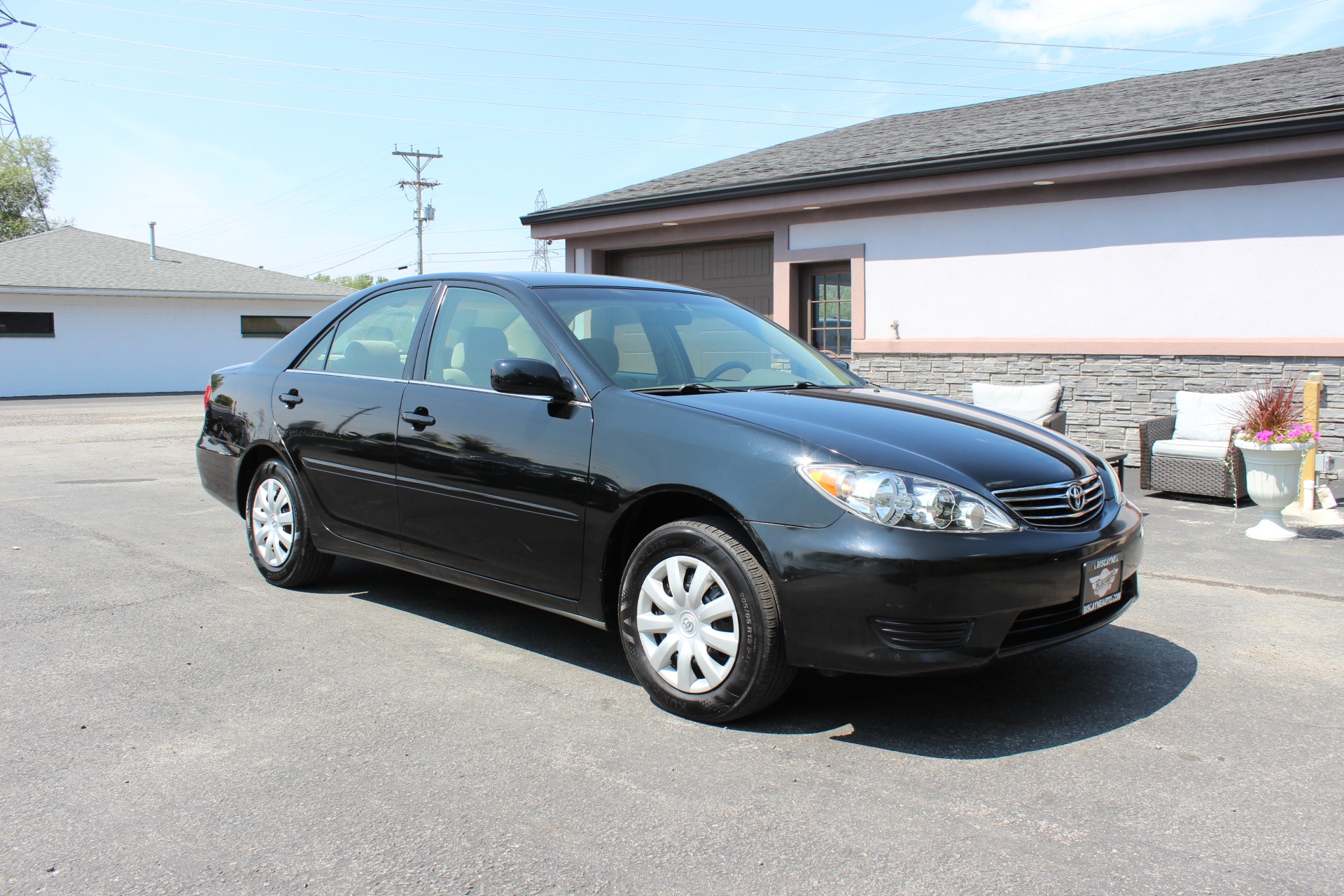
The 2005 Toyota Camry LE offers an EPA-estimated fuel economy of 21 mpg in the city and 29 mpg on the highway for the standard 2.4-liter four-cylinder engine. Achieving these numbers depends heavily on vehicle maintenance, driving habits, tire pressure, and the condition of critical emissions components, as real-world efficiency often deviates from laboratory-tested EPA cycles.
Understanding the EPA Fuel Economy Ratings
The Environmental Protection Agency (EPA) establishes fuel economy ratings through standardized testing protocols conducted in controlled laboratory environments. For the 2005 Toyota Camry LE, the vehicle was tested using the methods relevant to that model year, which simulate typical driving patterns including acceleration, deceleration, and idling.
It is important to recognize that the 2005 EPA ratings were calculated using a different methodology than the current 2026 standards. If you compare a 2005 vehicle directly to a 2026 vehicle, the older rating may appear more optimistic than it would if subjected to modern testing. The 2005 Camry LE, equipped with the 2.4-liter 2AZ-FE inline-four engine and a five-speed automatic transmission, was designed for balanced daily commuting rather than maximum fuel efficiency. The official combined rating of 24 mpg serves as a baseline, but environmental variables and mechanical health significantly dictate the final outcome at the pump.
Mechanical Factors Influencing Fuel Consumption
The mechanical health of a 2005 Toyota Camry LE is the most significant contributor to its fuel efficiency. Because the vehicle has been on the road for two decades, accumulated wear on engine management sensors can lead to "hidden" fuel waste.
- Mass Air Flow (MAF) Sensor: This sensor measures the amount of air entering the engine, allowing the Engine Control Unit (ECU) to calculate the correct amount of fuel to inject. If the MAF sensor is dirty or failing, the ECU may default to a "rich" fuel mixture, unnecessarily consuming excess gasoline.
- Oxygen (O2) Sensors: The Camry LE uses upstream and downstream oxygen sensors to monitor exhaust gases. A sluggish or failed O2 sensor prevents the car from entering "closed-loop" mode efficiently, forcing the engine to run on a pre-set map that does not optimize for current driving conditions.
- Spark Plugs and Ignition Coils: Misfires, even if they are minor enough not to trigger a "Check Engine" light, decrease thermodynamic efficiency. Replacing iridium-tipped spark plugs at the manufacturer's specified interval is vital for maintaining the factory combustion ratio.
- Transmission Health: The five-speed automatic transmission in the 2005 Camry is known for reliability, but degraded transmission fluid can lead to slippage or delayed torque converter lock-up. When the torque converter does not lock correctly at highway speeds, the engine must rev higher to maintain speed, resulting in lower mpg.
The Role of Tires and Aerodynamics
External vehicle factors often go overlooked in fuel economy discussions. The 2005 Camry LE relies on specific rolling resistance coefficients for its factory-spec tires.
Maintaining the correct tire pressure is the easiest way to regain lost efficiency. Toyota specified a particular PSI for the 2005 Camry (usually found on the driver-side door jamb). Under-inflated tires increase rolling resistance, forcing the engine to work harder to overcome the friction between the rubber and the road. Conversely, ensuring the wheel alignment is within factory specifications prevents the tires from "scrubbing" against the pavement, which increases parasitic drag.
Furthermore, any aftermarket additions—such as roof racks, heavy-duty brush guards, or spoilers—disrupt the sedan’s original aerodynamic profile. At highway speeds, drag increases exponentially; even a small obstruction can reduce fuel economy by 1 to 2 mpg.
Driving Habits and Their Quantitative Impact
The most sophisticated engine management system cannot compensate for aggressive driving behavior. The 2005 Camry LE features a relatively high-revving four-cylinder engine. To achieve the 29 mpg highway rating, the vehicle relies on high-gear cruising with minimal throttle adjustment.
- Rapid Acceleration: Quick starts from a stop force the engine into higher load states where the air-fuel ratio is deliberately enriched for power rather than economy.
- Speed Maintenance: Aerodynamic drag becomes the dominant force acting on the vehicle above 60 mph. Traveling at 75 mph instead of 65 mph can result in a noticeable drop in fuel efficiency, often ranging from 5% to 10% on an average trip.
- Idling: Modern drivers often leave cars idling for convenience. In an older vehicle like the 2005 Camry, idling consumes fuel while providing zero miles of range, effectively driving your mpg average toward zero during that period.
Comparative Overview of 2005 Camry Performance
The following table provides a breakdown of the typical fuel economy expectations for the 2005 Toyota Camry LE based on engine and transmission configuration.
| Engine Type | Transmission | City MPG (Est) | Highway MPG (Est) | Combined MPG (Est) |
|---|---|---|---|---|
| 2.4L I4 | 5-Speed Auto | 21 | 29 | 24 |
| 2.4L I4 | 5-Speed Manual | 23 | 32 | 26 |
| 3.0L V6 | 5-Speed Auto | 19 | 28 | 22 |
Note: Estimates are based on historical EPA data for the 2005 model year. Manual transmission variants are rarer but typically achieved higher highway efficiency due to lower parasitic losses compared to the automatic torque converter.
Troubleshooting Poor Fuel Economy
If your 2005 Toyota Camry LE is consistently performing below the figures listed above, follow this troubleshooting sequence to isolate the cause:
- Check for Diagnostic Trouble Codes (DTCs): Use an OBD-II scanner to check for pending codes. Even if the dashboard light is off, there may be "pending" codes related to emissions or fuel trim that indicate a developing issue.
- Evaluate Fuel Quality: Using low-grade or stale fuel can affect performance. Ensure you are using the manufacturer-recommended octane rating (typically 87 octane).
- Inspect Vacuum Lines: A vacuum leak introduces "unmetered" air into the intake, causing the engine to run lean. The computer will compensate by adding more fuel, which lowers efficiency. Check for cracked or brittle rubber hoses around the intake manifold.
- Cooling System Performance: The thermostat is critical. If the thermostat is stuck open, the engine will never reach its optimal operating temperature. The ECU will keep the engine in a cold-start enrichment cycle indefinitely, which is designed to burn more fuel to warm up the catalytic converter.
Long-Term Ownership and Maintenance Best Practices
Achieving consistent fuel economy in a vehicle that is over 20 years old requires a proactive maintenance schedule. Beyond standard oil changes, focus on the "supporting" components of the engine.
Fuel injectors can become clogged over time, leading to a poor spray pattern that results in incomplete combustion. Using a high-quality fuel system cleaner periodically or having the injectors professionally serviced can restore the precision of the fuel delivery system. Additionally, ensure the air filter is replaced at the manufacturer's suggested intervals; a restricted intake flow forces the engine to expend energy just to pull air into the combustion chamber.
While modern synthetic oils are superior to the oils available in 2005, always stick to the viscosity recommended in your owner’s manual (typically 5W-30 for this model). Using a heavier oil than specified increases internal engine friction, which directly impacts the energy required to rotate the crankshaft.
Frequently Asked Questions
Does using premium fuel improve my 2005 Camry LE’s mpg? No. The 2.4-liter engine is designed for 87 octane fuel. Using higher-octane premium fuel will not increase power or efficiency because the engine’s compression ratio is not high enough to utilize the slower burn rate of premium fuel. You are essentially paying more for no measurable gain in efficiency.
How does an old catalytic converter affect my gas mileage? A partially clogged catalytic converter creates excessive exhaust backpressure. This makes the engine work significantly harder to expel exhaust gases, which severely restricts power and forces the engine to burn more fuel to maintain speed. If you notice a loss in power alongside poor fuel economy, the exhaust system should be inspected.
Will replacing the oxygen sensor immediately fix my gas mileage? If the sensor is confirmed to be faulty, yes. Oxygen sensors are wear items that gradually lose accuracy. Replacing a sensor that has reached the end of its service life—typically around 100,000 miles—can restore factory-rated fuel efficiency if the old sensor was forcing the engine to run in a rich, inefficient state.
Why is my highway mpg lower than the 29 mpg EPA rating? The EPA ratings assume a steady, flat-road drive at moderate speeds. If your highway driving involves steep grades, high winds, heavy traffic, or speeds consistently above 70 mph, you will naturally see lower figures. Additionally, if the vehicle is carrying heavy loads or using a roof rack, the aerodynamic drag will significantly negate the efficiency of the 2.4-liter engine.
Can a bad alignment cause lower gas mileage? Yes. When wheels are out of alignment, the tires are not rolling perfectly straight. Instead, they are being dragged slightly sideways across the pavement. This increases rolling resistance, which requires more engine power to overcome. Ensuring an annual four-wheel alignment is a cost-effective way to preserve both tire life and fuel efficiency.
Final Recommendations for Owners
To maximize the fuel economy of your 2005 Toyota Camry LE, prioritize a "baseline" tune-up. If you have not performed one recently, replace the spark plugs, air filter, and inspect the vacuum lines. Use a high-quality fuel system additive during your next fill-up to clear minor varnish buildup in the injectors. By keeping your tire pressure at the factory-recommended PSI and adhering to the prescribed maintenance schedule, you can ensure that your vehicle remains as efficient today as it was when it first left the assembly line.