While a casual search string like "2001 the year of drakes 2011 mixtape" conflates two entirely different eras of hip-hop history, it points directly toward Drake's monumental rise and the persistent cultural fascination with his early discography. To clarify any confusion: Drake did not release a mixtape in 2001 (as he was only 14 years old and acting on the Canadian television series Degrassi: The Next Generation), nor did he drop an official project titled 2001. Instead, the year 2001 represents a foundational era for modern rap—highlighted by Dr. Dre’s iconic 2001 album and the adolescent upbringing of Aubrey Graham—while 2011 marks the post-So Far Gone period when Drake was dominating the landscape with landmark guest verses, early festival appearances, and the heavy anticipation leading up to his debut studio album, Thank Me Later (2010), and its sophomore follow-up, Take Care (2011).
Understanding the intersection of these timelines requires looking closely at Drake's early career trajectory, how historical mixtapes shaped his ascent, and why fans frequently misremember or search for these specific vintage milestones in hip-hop chronology.
Dissecting the Timeline: 2001 Versus the 2011 Mixtape Era
The phrasing of the search query merges two distinct points on the timeline of modern music. To understand what fans, collectors, and researchers are usually looking for, it is essential to separate these years and examine what was actually happening in the culture and in Drake's career during those windows.
Where Drake Was in 2001
In 2001, Aubrey Graham was a teenager living in Toronto, Ontario. He was years away from launching a professional rap career. During this period, his primary creative outlet was acting. In January 2001, he landed his breakthrough role as Jimmy Brooks on the teen drama television series Degrassi: The Next Generation, a role he played until 2007.
At the same time, the broader hip-hop landscape was heavily influenced by releases like Dr. Dre’s 2001 album (which, despite its title, was actually released in late 1999) and the emergence of Roc-A-Fella Records and Shady Records. Drake was absorbing these influences as a fan rather than contributing to them as an artist. Consequently, any association between Drake and the year 2001 is purely contextual to his youth or a mix-up with classic hip-hop nomenclature.
The Significance of 2011 in Drake’s Discography
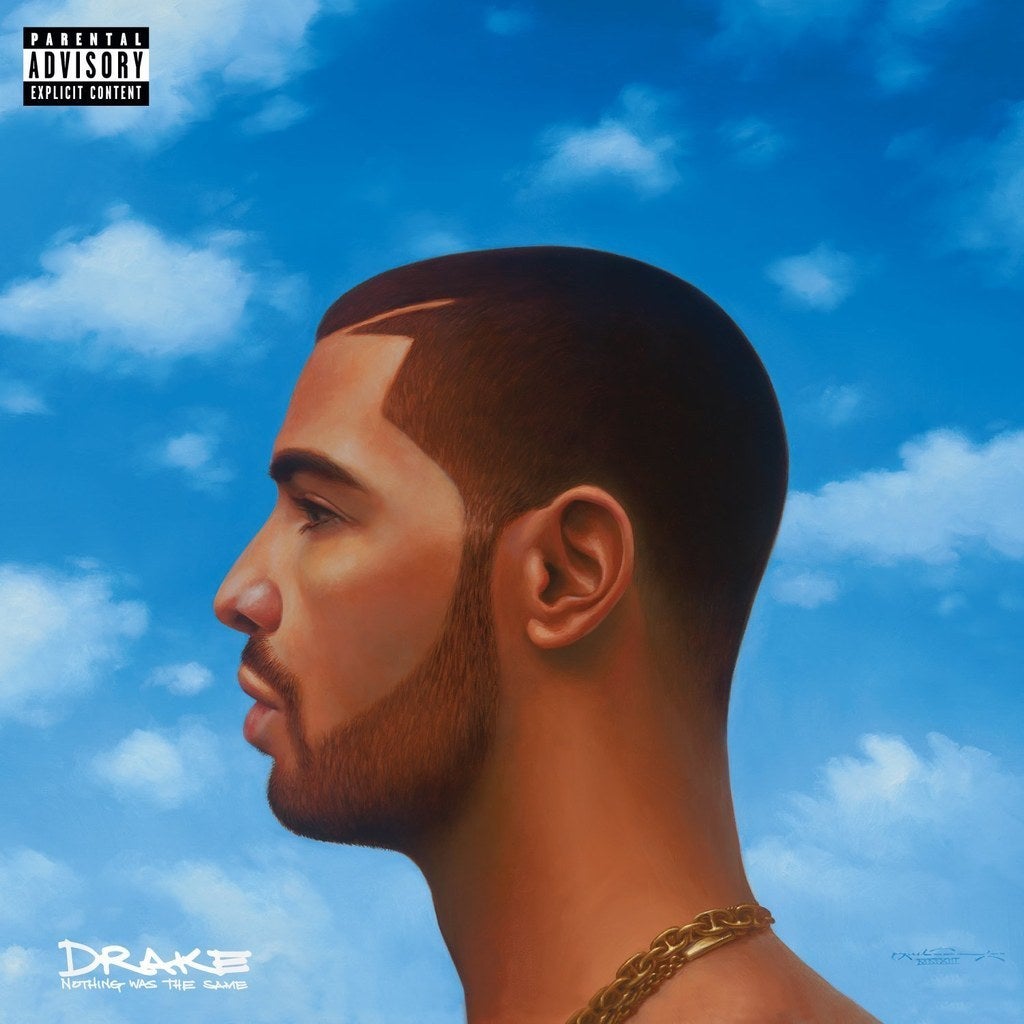
By contrast, 2011 was a watershed year for Drake. Following the massive success of his 2009 breakthrough mixtape, So Far Gone, and his debut studio album, Thank Me Later (June 2010), the year 2011 served as the runway for his critical and commercial masterpiece, Take Care (released in November 2011).
While Drake did not officially release a standalone commercial mixtape in 2011, this era is frequently referred to in fan communities as a golden age of loose leaks, high-profile collaborations, and promotional freestyles that circulated widely on blog sites. Tracks like "Dreams Money Can Buy," "Marvins Room," and "Club Paradise" functioned in the same cultural space as traditional mixtapes, dominating internet forums and setting the tone for the mood-driven R&B-rap hybrid that would define the decade.
The Evolution of Drake’s Early Projects: From Room for Improvement to So Far Gone
To understand why listeners often search for historical mixtapes under various years, it helps to review his actual early output. Before achieving mainstream dominance, Drake built his fanbase through a carefully orchestrated series of independent releases that established his signature confessional style.
| Project Title | Release Year | Format | Key Significance |
|---|---|---|---|
| Room for Improvement | 2006 | Independent Mixtape | Drake's debut project; heavily influenced by the 90s boom-bap and early Kanye West production styles. |
| Comeback Season | 2007 | Independent Mixtape | Featured the underground hit "Replacement Girl" with Trey Songz, earning him early MuchMusic exposure. |
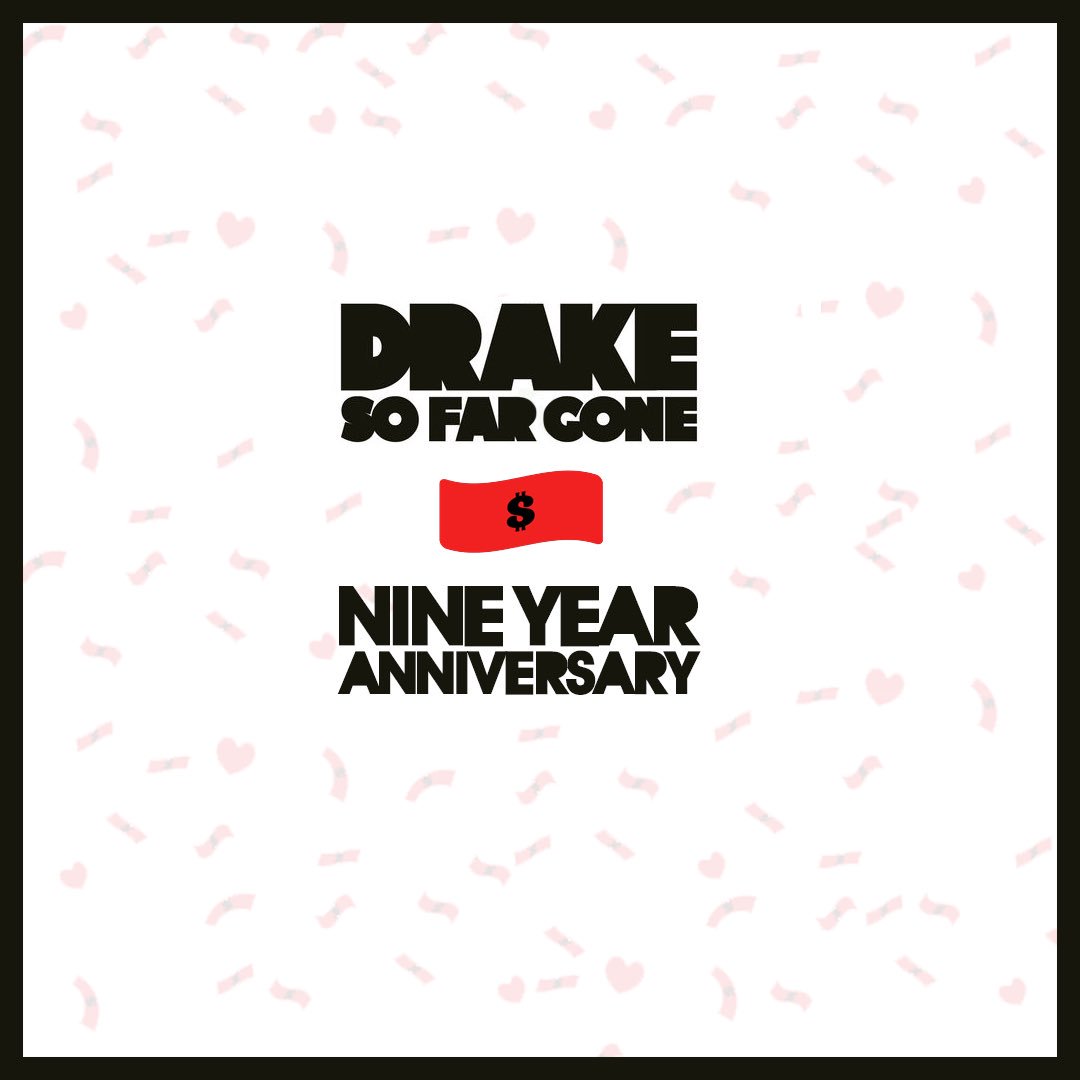
| So Far Gone | 2009 | Commercial Mixtape | The breakout project featuring "Best I Ever Had" and "Successful," which changed the blueprint for internet-era rap releases. |
| Thank Me Later | 2010 | Studio Album | The official major-label debut that solidified his transition from mixtape darling to global pop-rap star. |
| Take Care | 2011 | Studio Album | The defining 2011 release that cemented his sonic template, winning the Grammy Award for Best Rap Album. |
The Blueprint of So Far Gone (2009)
While 2011 is celebrated for the build-up to Take Care, 2009's So Far Gone remains the definitive mixtape of Drake's career. Released for free download on February 13, 2009, through his October's Very Own (OVO) blog, the project shattered conventional wisdom regarding how rising artists should distribute music.
Produced largely by 40 (Noah Shebib) and Boi-1da, So Far Gone introduced the atmospheric, slowed-down production aesthetic, emotional vulnerability, and alternating sung-rapped delivery that would become industry standards. The mixtape's commercial success—spurred by radio airplay of "Best I Ever Had"—forced Billboard to change its chart rules to allow free streaming projects to enter the Hot 100 based on airplay alone.
Why Fans Conflate 2001 and 2011: Internet Lore and Mislabeling
The persistence of queries blending "2001" and "Drake's 2011 mixtape" stems from several recurring phenomena in digital music archiving and file-sharing networks:
- Blog-Era Mislabeling: During the peak of the 2009–2012 hip-hop blog era (hyped by sites like Nah Right, 2 Dope Boyz, and Complex), independent uploaders frequently mislabeled compilation bootlegs, unauthorized unreleased tracks, and fan-made zip files with incorrect years.
- Dr. Dre's 2001 Influence: Fans searching for classic rap milestones often cross-pollinate Dr. Dre's legendary 1999/2001 production style with the atmospheric beats that Drake and 40 popularized in the early 2010s.
- The OVO Chronology Gap: Because Drake's official discography before So Far Gone is scarce on major streaming platforms (like Spotify and Apple Music), newer fans relying on unofficial YouTube re-uploads or Reddit archives often mistake the release timelines of his early 2006–2007 work for later years.
Evaluating the Musical Landscape of 2011
To appreciate what Drake was achieving in 2011, it is vital to examine the musical environment of that specific year. Hip-hop was transitioning away from ringtone rap and heavy club anthems toward more introspective, genre-blending compositions.
In 2011, Drake was everywhere. He delivered memorable guest verses on tracks like DJ Khaled's "I'm on One," Rihanna's "What's My Name?", and The Weeknd's early material (which shared deep sonic DNA with the OVO sound). The loose tracks he dropped throughout 2011 while recording Take Care served as an unofficial bridge between his mixtape era and his reign as a dominant commercial powerhouse. These songs established a blueprint where an artist could maintain constant cultural relevance through internet releases without needing a traditional retail album cycle every twelve months.
Frequently Asked Questions
Did Drake release a mixtape in 2001?
No. Drake did not release any music in 2001. At that time, he was a 14-year-old actor working on the Canadian television series Degrassi: The Next Generation. His official music career did not begin until the release of his debut independent mixtape, Room for Improvement, in 2006.
What was Drake's official release in 2011?
Drake did not release a standalone official mixtape in 2011. However, he spent much of that year recording his second studio album, Take Care, which was released in November 2011. He also released several highly influential promotional singles and loose tracks during this period, such as "Dreams Money Can Buy" and "Marvins Room."
What was Drake's most famous mixtape?
Drake's most famous and culturally impactful mixtape is So Far Gone, originally released for free in February 2009. It featured major hits like "Best I Ever Had" and "Successful," launched his career into mainstream stardom, and redefined how independent rap projects were marketed and distributed via the internet.
Why do people confuse early Drake timelines?
Confusion often arises from the blog era of hip-hop (2006–2012), during which numerous unofficial bootlegs, leaked demo tracks, and fan-made compilations were uploaded to file-sharing sites with incorrect dates, titles, and tracklists. Additionally, because his earliest mixtapes are not widely available on modern streaming services, listeners frequently rely on unverified secondary sources.
Conclusion and Next Actions
While searches for "2001 the year of drakes 2011 mixtape" mix up historical dates and project classifications, they highlight the enduring legacy of Drake's early career moves. To explore this era accurately, listeners should focus on verified projects like Room for Improvement (2006), Comeback Season (2007), and So Far Gone (2009), while recognizing 2011 as the foundational recording period that birthed Take Care. When researching hip-hop history from the blog era, always cross-reference unverified fan archives with official discography records to ensure factual accuracy.