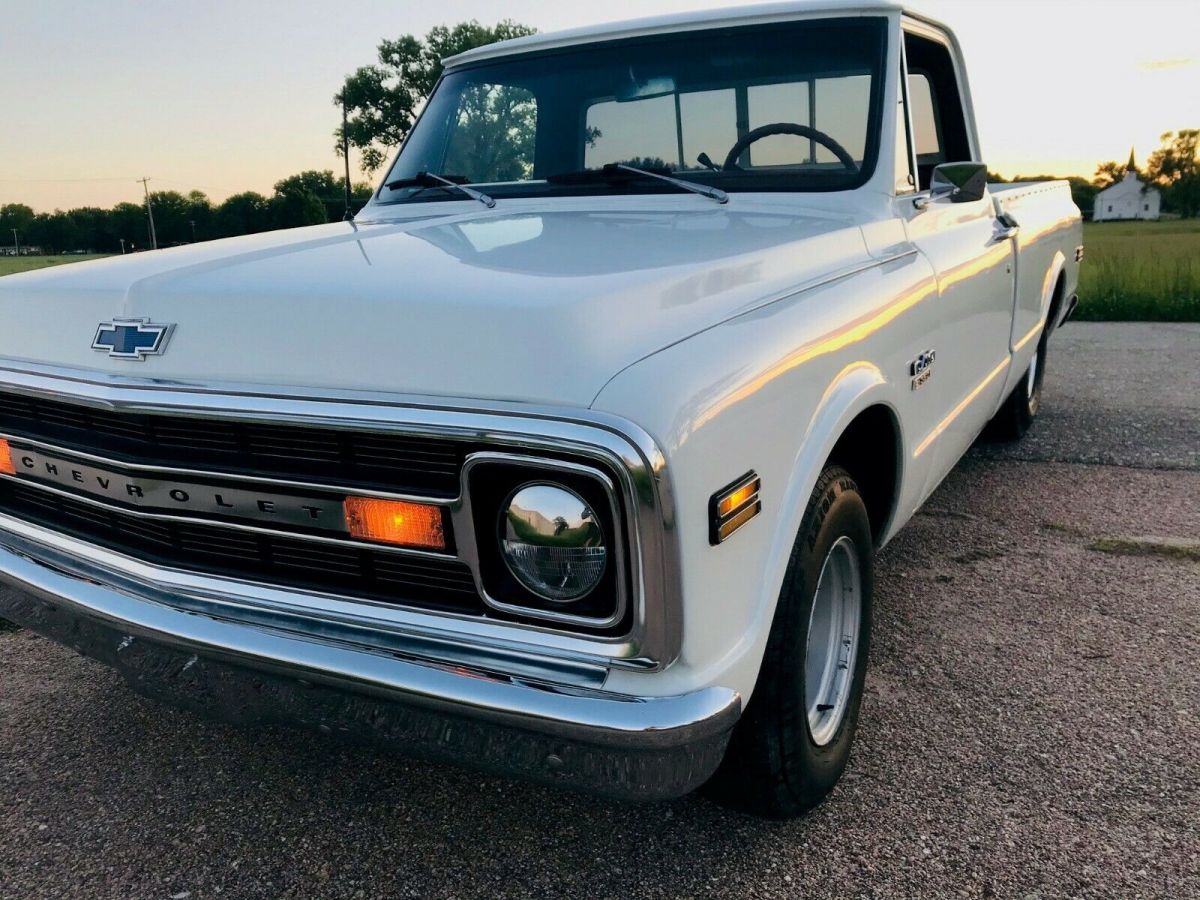
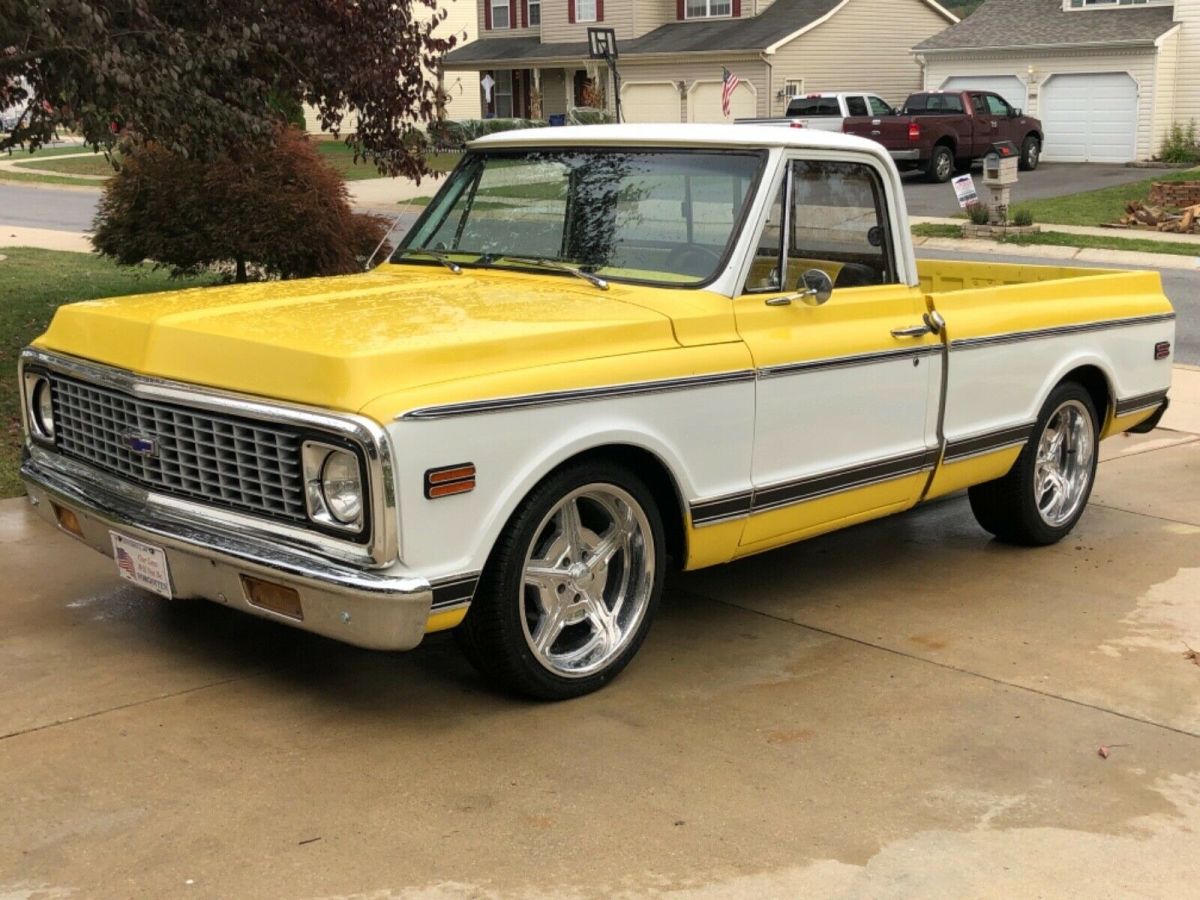
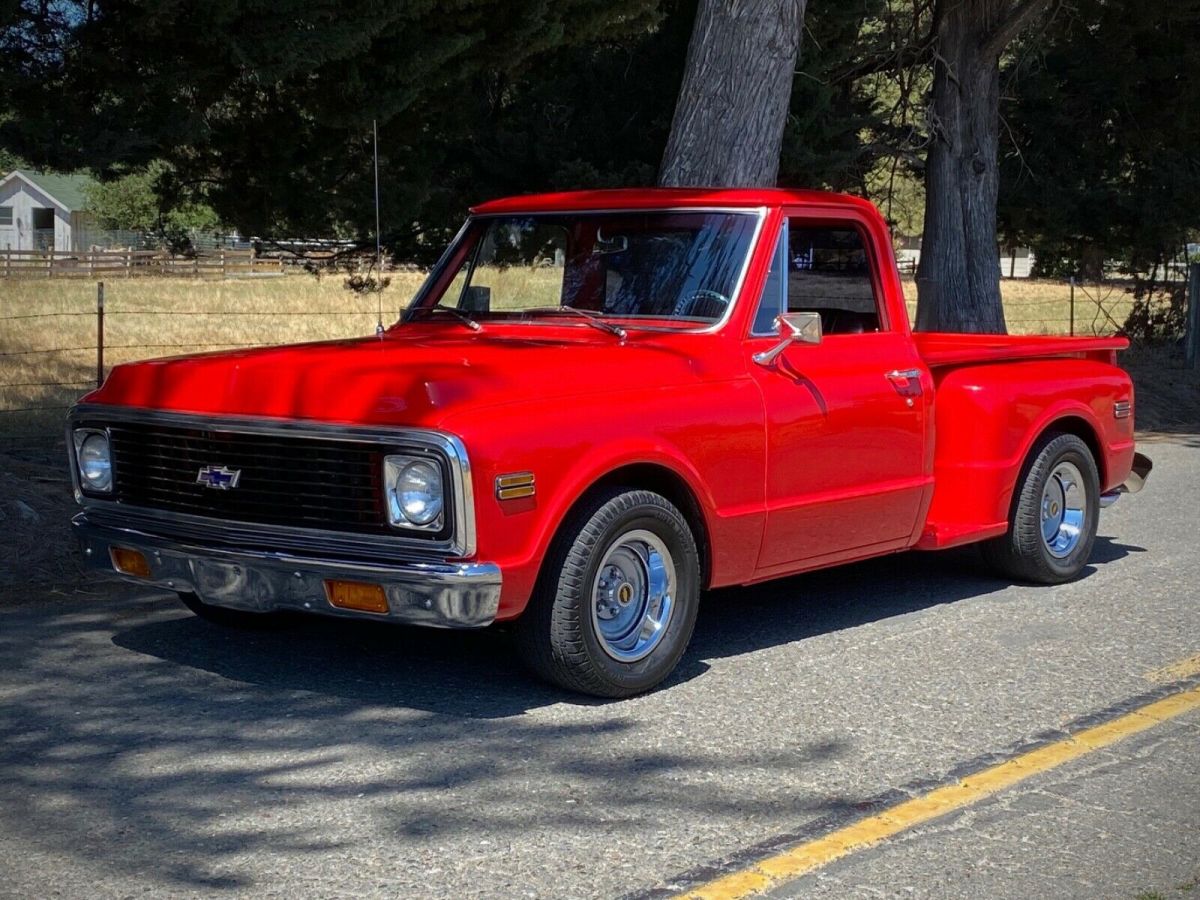
The transformation of a 1970 Chevrolet C10 short bed truck from a factory-original classic into a modern performance machine involves a delicate balance of vintage aesthetics and contemporary engineering, requiring careful planning across suspension upgrades, fuel-injected engine swaps, modern braking systems, and interior comfort modifications.
Introduction to the 1970 Chevrolet C10 Short Bed
The 1970 Chevrolet C10 short bed occupies a legendary status within the vintage truck community. As part of the second generation of Chevrolet's C/K series—popularly known as the "Action Line" trucks produced from 1967 to 1972—this model year introduced subtle yet significant trim updates, including a revised egg-crate grille and side marker reflectors, cementing its design in automotive history. The short-wheelbase configuration, typically featuring a 6.5-foot bed on a 115-inch wheelbase, provides balanced proportions that appeal heavily to collectors, customizers, and pro-touring builders alike.
Preserving the iconic exterior styling of a 1970 C10 short bed while completely updating its mechanical foundation is one of the most popular paths in classic vehicle modification. Transforming these trucks from vintage farm or utility vehicles into reliable daily drivers or high-performance street machines requires an understanding of what makes the original platform unique and how modern aftermarket engineering can address its inherent limitations. Whether embarking on a frame-off restoration with modern restomod touches or a functional pro-touring build, builders must evaluate every system—from the chassis and suspension to the powertrain and electrical architecture—to achieve a seamless blend of classic character and modern drivability.
The Evolution of the Platform: Classic Roots vs. Modern Expectations
When Chevrolet manufactured the C10 in 1970, automotive engineering priorities centered on durable pushrod V8 engines, carbureted fuel delivery, drum brakes on lower trims or basic disc/drum setups, and a rugged trailing-arm rear suspension. While revolutionary for its era—particularly the coil-spring rear suspension that replaced traditional leaf springs and offered a surprisingly smooth ride—factory specifications fall short of modern expectations for safety, fuel efficiency, handling, and comfort.
Modern drivers expect precise steering response, highway-speed stability, air conditioning that performs reliably in heavy traffic, and braking systems capable of stopping a heavy pickup truck in short distances without fade. Bridging the gap between 1970 technology and 2026 performance standards involves replacing tired mechanical components with engineered aftermarket solutions. This evolution does not mean stripping the truck of its soul; rather, it means retaining the sharp body lines, distinctive cab glass, and vintage dash layout while upgrading the hidden systems that dictate how the vehicle actually drives and handles.
Powertrain Transformations: Carburetors to Modern Fuel Injection
The heart of any classic truck build is its engine, and the transition from vintage carburetion to modern electronic fuel injection (EFI) represents one of the most impactful upgrades a builder can undertake.
Retaining the Small-Block V8 Heritage
Many traditionalists prefer to keep a small-block Chevrolet V8 under the hood, but even traditional builds benefit from modernizing the fuel and ignition systems. Replacing an aging Rochester or Edelbrock carburetor with a throttle body fuel injection (TBFI) kit or upgrading to a modern port-injection LS-series engine changes the character of the truck.
LS and LT Engine Swaps
The Chevrolet LS V8 engine family (such as the 5.3L LM7 or 6.0L LQ9) and newer LT direct-injected engines have become the gold standard for C10 restomods. These modern powerplants offer several distinct advantages over vintage small-blocks and big-blocks:
- Reliability: Computer-controlled engine management ensures reliable starting in freezing or sweltering weather without manual choking.
- Fuel Efficiency: Overdrive transmissions paired with modern EFI yield significantly better highway mileage.
- Power-to-Weight Ratio: Aluminum block options reduce front-end weight, improving turn-in and cornering balance.
- Parts Availability: Replacement sensors, gaskets, and maintenance items are readily available at standard auto parts stores.
| Engine Type | Fuel Delivery | Average Horsepower | Primary Advantage | Maintenance Complexity |
|---|---|---|---|---|
| Stock 350ci Small-Block | Carburetor | 200 - 300 hp | Original aesthetic, straightforward mechanics | High (requires manual tuning, timing checks) |
| Upgraded Small-Block | Throttle Body EFI | 325 - 400 hp | Vintage look with modern starting reliability | Medium (electronic diagnosis required) |
| Modern LS Swap (5.3L/6.0L) | Multi-Port EFI | 300 - 500+ hp | Exceptional durability, high power, excellent MPG | Low (OBD-II diagnostics, robust factory computers) |
Chassis and Suspension Upgrades: Handling the Modern Road
The factory leaf or coil setup on a 1970 C10 was designed for utility, but modern suspension engineering allows these trucks to handle corners like a sports car while maintaining a comfortable ride.
Front Suspension Enhancements
Factory front independent suspension on C10 trucks utilized control arms and coil springs, but worn-out rubber bushings, sloppy steering gearboxes, and outdated geometry limit modern handling. Upgrading to tubular control arms, adjustable coilovers, and modern rack-and-pinion steering conversions eliminates play in the steering wheel and provides crisp, modern feedback.
Rear Suspension and Axle Options
While the factory trailing-arm rear suspension is surprisingly capable, upgrading to tubular trailing arms, a Panhard bar to control lateral axle movement, and modern rear coilovers transforms stability. For builders pushing higher horsepower, upgrading the rear axle to a modern Ford 9-inch or a GM 12-bolt unit with positraction ensures durability under hard acceleration.
Braking and Wheel Packages
Stopping a heavy classic truck safely requires moving far beyond the factory drum brakes.
- Disc Brake Conversions: Installing power-assisted front and rear disc brakes with drilled and slotted rotors drastically reduces stopping distances and eliminates brake fade during repeated stops.
- Master Cylinders and Boosters: Upgrading to a modern under-floor or firewall-mounted dual-reservoir master cylinder with a diaphragm brake booster ensures proper hydraulic pressure and pedal feel.
- Wheels and Tires: Modern pro-touring builds often feature 18-inch or 20-inch wheels wrapped in sticky, low-profile performance radial tires. This wider contact patch works in tandem with upgraded suspension geometry to drastically increase lateral grip.
Interior Comfort and Electrical Modernization
While the exterior metal of a 1970 C10 short bed is timeless, the interior and electrical systems are prime candidates for modern convenience.
Rewiring the Truck
Decades-old cotton-braid wiring harnesses are prone to high resistance, brittle insulation, and electrical fires. Installing a modern, blade-style fuse panel kit (such as those from Ron Francis Wiring or American Autowire) brings circuit protection up to contemporary standards and supports the electrical draw of modern accessories.
Climate Control and Audio
Vintage air conditioning kits, integrated neatly behind the original dashboard vents, provide modern R134a or R1234yf climate control. Meanwhile, hidden Bluetooth audio systems, upgraded speakers mounted in custom kick panels, and sound-deadening material applied to the bare floorboards and doors create a quiet, comfortable cabin suitable for long-distance road trips.
Frequently Asked Questions
What makes the 1970 C10 short bed more desirable than long bed models?
The short bed configuration features a shorter wheelbase (115 inches versus 127 inches), which provides sportier proportions, easier maneuverability in tight spaces, and significantly higher collector market demand compared to long bed utility trucks.
Can I install an LS engine into a 1970 C10 without cutting the firewall?
Yes. Several aftermarket manufacturers produce specific engine mount relocation brackets, oil pans, and accessory drive kits that allow popular LS engines to fit into a 1970 C10 bay without modifying or cutting the factory firewall.
What transmission options work best for a modern C10 restomod?
For automatic configurations, the 4L60E or 4L80E four-speed overdrive transmissions are popular choices because they bolt up cleanly to modern engines and provide a low first gear paired with a highway overdrive gear. For manual enthusiasts, the Tremec TKO or TKX five-speed transmissions offer modern shifting precision and durability.
How much does it cost to modernize a 1970 C10 short bed?
The cost varies wildly depending on the starting condition of the truck and the scope of work. A basic mechanical refresh with EFI, front disc brakes, and updated suspension might range from $10,000 to $20,000 in parts and labor, whereas a complete pro-touring frame-off build with a custom chassis and LS swap can easily exceed $70,000 to $100,000+.
Do modern suspension upgrades ruin the classic truck ride?
No. Modern coilover systems, engineered spring rates, and upgraded shock absorbers typically improve ride quality significantly compared to worn-out 1970 factory components, smoothing out road imperfections while reducing body roll in corners.
Conclusion and Next Steps
Transforming a 1970 Chevrolet C10 short bed from a classic survivor into a modern machine requires a structured approach. Begin by assessing the structural integrity of the frame and cab sheet metal, as rust repair must always precede mechanical upgrades. Once a solid foundation is established, prioritize safety-critical systems—upgrading brakes, steering, and electrical wiring—before tackling engine swaps and interior comfort features. By carefully selecting quality aftermarket components, builders can create a truck that retains its iconic 1970s styling while delivering the reliability, performance, and comfort of a modern vehicle.