Cooking a 3lb turkey breast successfully requires careful attention to temperature management, moisture retention, and proper thawing to prevent dryness. By utilizing a meat thermometer, applying a fat source like butter or oil, seasoning beneath the skin, and allowing the meat to rest before carving, you can achieve a juicy, flavorful roast suitable for smaller gatherings or weeknight meals.
Preparing a turkey does not always require roasting an entire twenty-pound bird. For smaller households, holiday celebrations with limited guests, or simple meal-prepping sessions, a 3lb turkey breast is an ideal culinary choice. However, smaller cuts of poultry present their own unique challenges. Because white meat lacks the natural fat content found in dark meat, it dries out remarkably fast if mismanaged. Mastering a smaller cut requires specific strategies to ensure every slice remains tender, succulent, and safe to consume.
1. Choose Between Bone-In and Boneless Varieties
Before purchasing your poultry, determine whether you are buying a bone-in or boneless 3lb turkey breast. This decision dictates your cooking time and affects the final texture of the meat.
Bone-in turkey breasts generally retain more moisture and impart a richer flavor during the roasting process because the bone acts as a natural insulator, shielding the delicate meat from direct, intense heat. Boneless turkey breasts, conversely, cook much faster and offer the convenience of even, uniform slices without the obstacle of carving around a bone.
When shopping, check packaging labels carefully. Boneless roasts are frequently packaged in a plastic netting designed to hold the meat in a compact cylinder shape. Decide whether this netting should remain on during cooking—manufacturers usually indicate this on the label—to maintain structural integrity while roasting.
2. Execute a Safe and Complete Thawing Process
A frozen turkey breast cannot be cooked safely or evenly. If the center remains frozen while the exterior is exposed to oven heat, the outer layers will dry out and overcook long before the interior reaches a safe temperature.
- Refrigerator Thawing: Place the frozen turkey breast on a tray on the bottom shelf of your refrigerator. Allow approximately 24 hours of thawing time for every 3 pounds of meat. A 3lb turkey breast typically requires a full 24 hours to thaw completely.
- Cold Water Thawing: If you are pressed for time, submerge the securely wrapped turkey breast in cold tap water, changing the water every 30 minutes. This method speeds up the process significantly, requiring roughly 30 minutes to an hour per pound, but demands immediate cooking once thawed.
Never thaw poultry on a kitchen counter at room temperature. Leaving meat in the "Danger Zone" between 40°F and 140°F allows bacteria to multiply rapidly, increasing the risk of foodborne illness.
3. Bring the Meat to Room Temperature
Once your 3lb turkey breast is fully thawed, resist the urge to transfer it straight from the cold refrigerator into a hot oven.
Taking the turkey out of the refrigerator and letting it sit on the counter for 30 to 45 minutes before cooking takes the chill off the meat. This short resting period promotes more even heat distribution. When ice-cold meat hits a hot oven, the exterior cooks rapidly while the interior remains cold, making it difficult to gauge precise cooking times and resulting in an unevenly cooked roast.
4. Prioritize a Reliable Digital Meat Thermometer
Guesswork ruins poultry. Relying on visual cues, cooking times per pound, or traditional pop-up timers often results in dry, overcooked turkey.
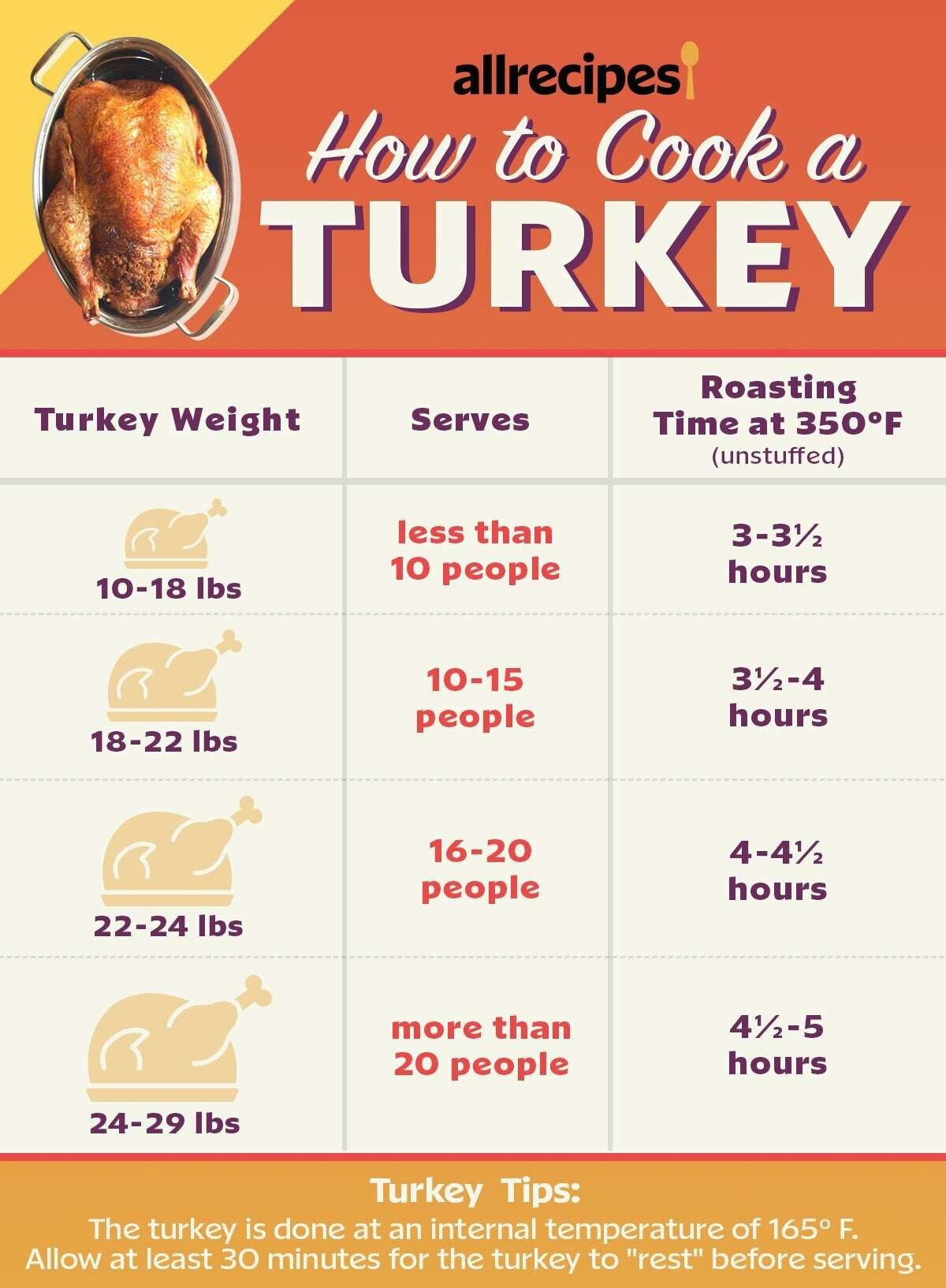
Invest in an instant-read digital meat thermometer or a probe thermometer that remains in the meat throughout the cooking process. Poultry must reach an internal temperature of 165°F (74°C) to be safely consumed, as recommended by the United States Department of Agriculture (USDA). Insert the thermometer probe into the thickest part of the breast meat, making sure it does not touch bone, fat, or the roasting pan, which can yield inaccurate readings.
5. Implement a Smart Temperature Strategy
While the target internal temperature is 165°F, experienced home cooks know that residual heat causes the internal temperature to continue rising after the meat leaves the oven—a phenomenon known as carryover cooking.
To prevent the turkey from drying out, many culinary experts recommend removing a 3lb turkey breast from the oven when the internal temperature reaches approximately 160°F. Cover the meat loosely with aluminum foil and let it rest. The internal temperature will climb the final few degrees while resting, keeping the muscle fibers relaxed and full of natural juices rather than forcing them out through aggressive overcooking.
6. Elevate Moisture Retention with Brining
Turkey breast contains very little fat, making it prone to drying out. Brining is the ultimate defense against dry poultry, altering the protein structure to trap moisture inside the muscle fibers.
- Wet Brine: Submerge the turkey breast in a solution of water, kosher salt, and sugar, along with aromatics like peppercorns, garlic, and bay leaves, for 4 to 8 hours in the refrigerator.
- Dry Brine: Coat the turkey breast generously with kosher salt and place it uncovered in the refrigerator for 12 to 24 hours. The salt dissolves and draws into the meat, seasoning it thoroughly while restructuring the proteins to retain natural juices.
If your turkey breast is pre-basted or enhanced with a saline solution (check the fine print on the packaging label), skip the brining step entirely to prevent the meat from becoming overly salty.
7. Season Safely Beneath the Skin
Surface seasoning flavors only the exterior skin, which many diners discard. To ensure deep flavor throughout the meat, apply seasoning directly to the flesh beneath the skin.
Gently slide your fingers between the skin and the meat of the turkey breast, taking care not to tear the delicate membrane. Rub softened butter, olive oil, or a paste made from herbs and spices directly onto the naked meat. This technique delivers fat and flavor straight to the muscle tissue, enhancing both taste and texture as it roasts.
8. Compare Cooking Methods for a 3lb Turkey Breast
Different kitchen appliances offer distinct advantages when roasting a smaller poultry cut. Selecting the right method depends on your equipment, kitchen temperature, and desired crust texture.
| Cooking Method | Typical Temperature | Estimated Time (3lb) | Primary Benefit |
|---|---|---|---|
| Traditional Oven | 325°F to 375°F (163°C to 190°C) | 45 to 75 minutes | Produces a classic, golden, crispy skin. |
| Slow Cooker | High: 3–4 hrs / Low: 5–6 hrs | 3 to 6 hours | Hands-off cooking that yields exceptionally tender meat. |
| Air Fryer | 350°F (177°C) | 35 to 45 minutes | Extremely fast cooking with a very crisp exterior. |
| Instant Pot / Pressure Cooker | High Pressure | 25 to 30 minutes + natural release | Locks in moisture rapidly using steam pressure. |
9. Utilize Aromatics and Root Vegetables as a Rack
Avoid placing a 3lb turkey breast directly on the bottom of a roasting pan, where it can scorch or cook unevenly due to direct contact with high heat metal.
Instead of a traditional wire rack, create a bed of sturdy aromatics and root vegetables at the bottom of your roasting pan. Coarsely chopped onions, carrots, celery stalks, garlic heads, and fresh herb sprigs like rosemary and thyme elevate the turkey slightly. This allows hot air to circulate underneath while infusing the roasting juices with rich flavor, which can later be used to create a pan gravy.
10. Master the Art of the Rest
Carving a hot turkey breast immediately after it emerges from the oven is a common mistake that ruins hours of careful preparation.
When meat cooks, muscle fibers tighten under the influence of heat, forcing moisture toward the exterior. Slicing the turkey immediately causes these juices to flood out onto the cutting board, leaving the meat dry and stringy. Allowing a 3lb turkey breast to rest undisturbed under a loose tent of aluminum foil for 15 to 20 minutes gives the muscle fibers time to relax and reabsorb those flavorful juices.
11. Carve Against the Grain for Maximum Tenderness
The way you slice your turkey breast dramatically impacts its mouthfeel. Even a perfectly cooked, juicy turkey can feel tough if sliced incorrectly.
Locate the grain—the direction in which the muscle fibers run. Position your carving knife perpendicular to those fibers and slice across them rather than with them. Slicing across the grain shortens the muscle strands, making each bite remarkably tender and easy to chew. Use a sharp carving knife to make clean, even slices without tearing the delicate meat.
12. Safely Store and Utilize Leftovers
A 3lb turkey breast often yields leftovers that deserve proper handling to maintain food safety and flavor quality.
- Cooling and Sticking: Do not leave cooked turkey sitting at room temperature for longer than two hours. Slice or shred remaining meat and store it in airtight containers.
- Refrigerator Storage: Keep leftover turkey in the refrigerator for 3 to 4 days.
- Freezing: For longer storage, freeze sliced or shredded turkey in airtight freezer bags or vacuum-sealed packaging for up to 3 months. When reheating, add a splash of chicken broth or gravy to prevent the meat from drying out.
Frequently Asked Questions
How long does it take to cook a 3lb turkey breast at 350°F?
A bone-in 3lb turkey breast typically requires 50 to 75 minutes at 350°F (177°C). A boneless 3lb turkey breast cooks faster, usually taking 40 to 60 minutes. Always verify doneness with a digital meat thermometer inserted into the thickest part, confirming an internal temperature of 165°F.
Should I cover a turkey breast with foil while roasting?
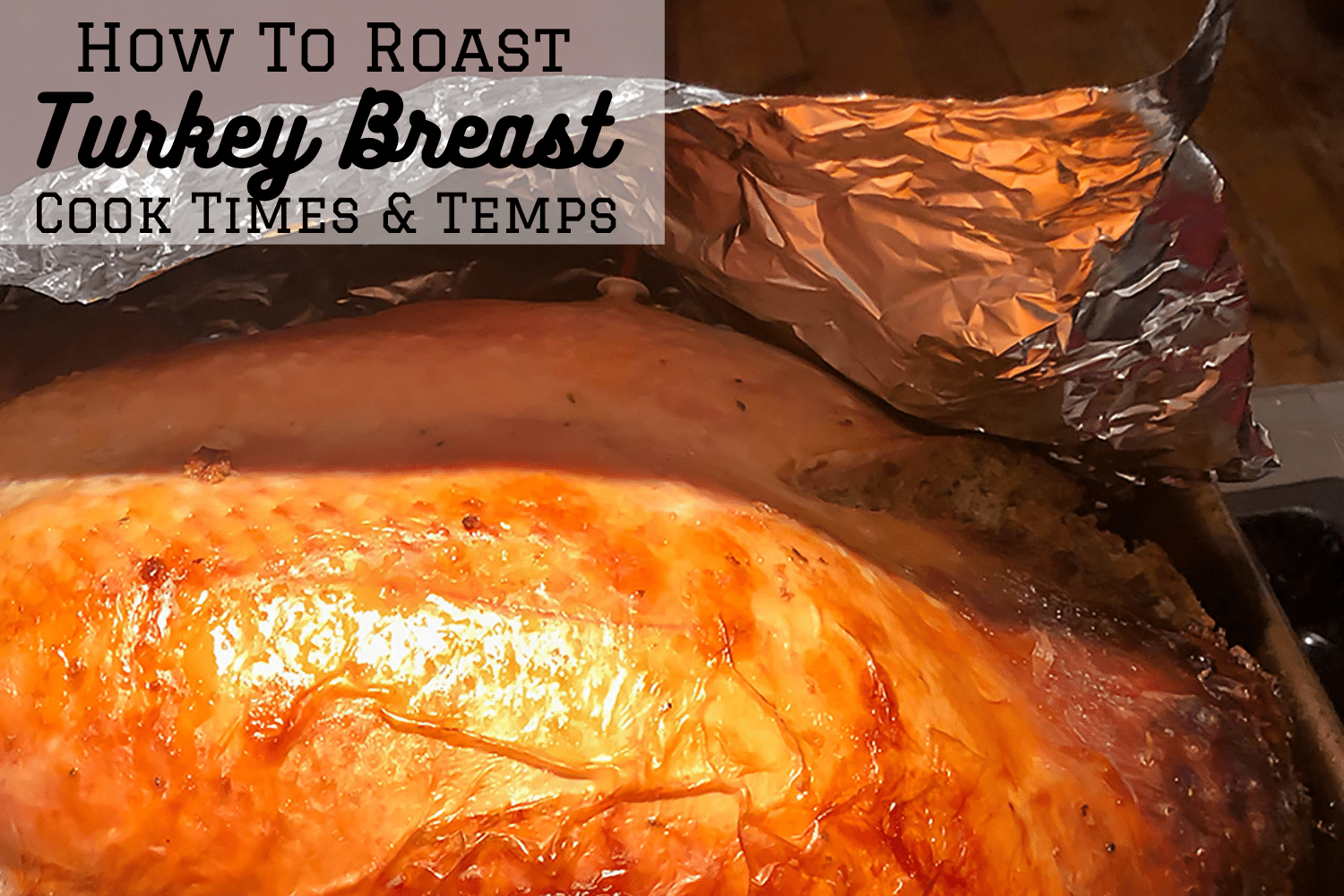
Roasting a turkey breast uncovered for the majority of the cooking time ensures a crispy, golden skin. However, if the skin begins to brown too quickly before the interior reaches the safe temperature, cover the top loosely with aluminum foil to shield it from direct heat.
Can I cook a frozen 3lb turkey breast without thawing?
Cooking a frozen turkey breast is not recommended because the outer layers will overcook and dry out long before the frozen center thaws and reaches a safe internal temperature. This uneven cooking creates significant food safety risks. Always thaw poultry completely before cooking.
Why is my turkey breast dry, and how can I fix it?
Turkey breast dries out due to a lack of fat, overcooking, or skipping the resting phase. If your sliced turkey is dry, salvage it by warming it gently in a skillet or baking dish alongside a generous amount of warm chicken broth, turkey gravy, or melted butter to restore moisture.
For the best results, always prioritize accurate temperature monitoring over estimated cooking times, and give the meat adequate time to rest before slicing.