Navigating auto insurance options often involves separating fact from fiction, especially with regional carriers like Farm Bureau. Many drivers mistakenly believe Farm Bureau coverage is exclusively for farmers, restricted to rural areas, or lacking in modern digital features. Understanding the actual eligibility criteria, policy structures, and claims processes helps consumers make informed coverage decisions without relying on common misconceptions.
Understanding the Farm Bureau Insurance Model
Farm Bureau insurance operations function differently from national, publicly traded commercial insurance giants. Rooted in agricultural advocacy organizations established in the early 20th century, individual state Farm Bureau federations operate as membership-based organizations. To purchase auto insurance or any other property and casualty product through a local Farm Bureau affiliate, policyholders typically must join the county or state Farm Bureau organization.
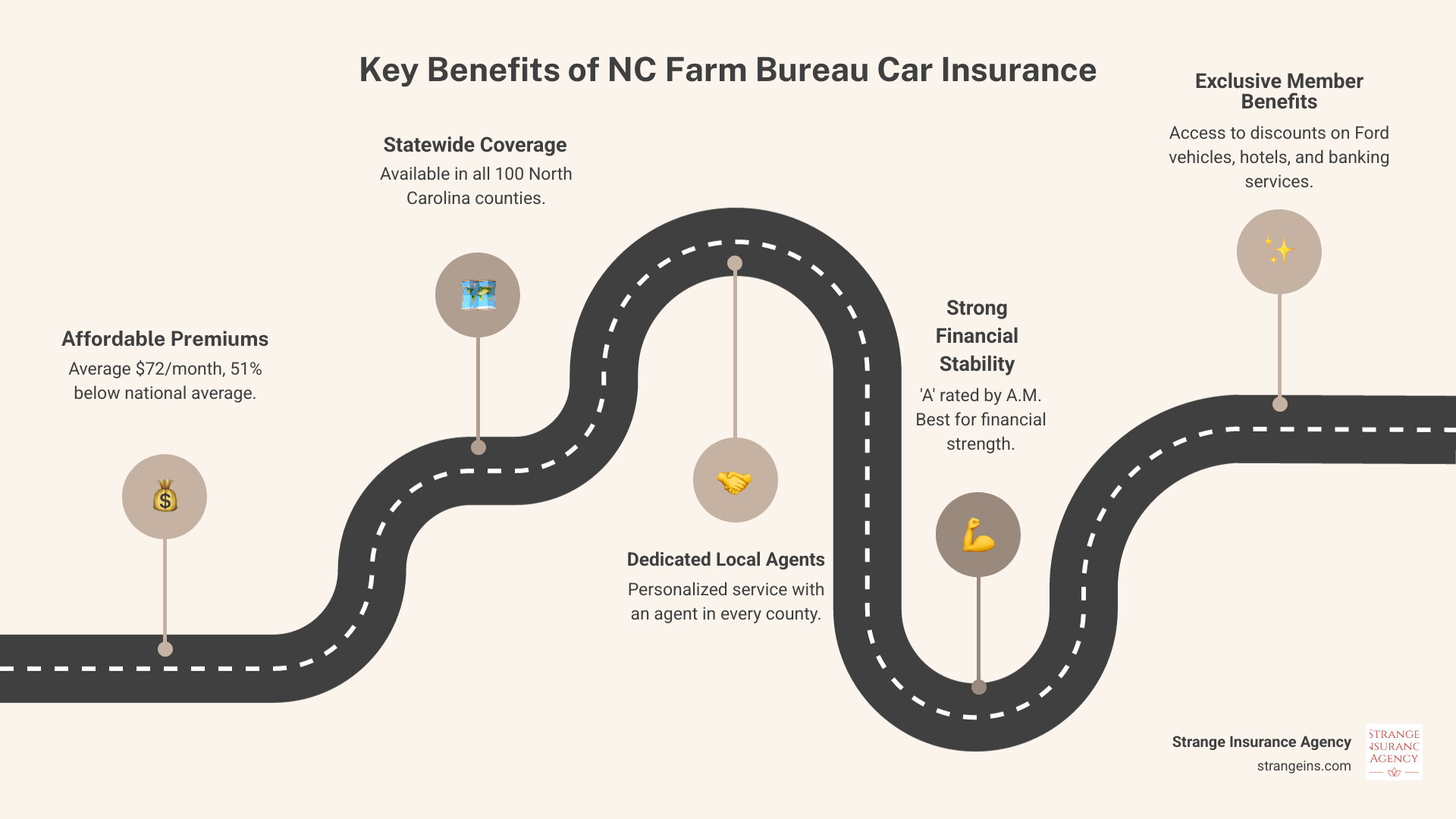
This membership requirement often serves as the primary source of confusion for prospective customers. Because the organization retains historical ties to farming communities, many drivers assume that non-farmers are legally barred from buying policies. In reality, the vast majority of state Farm Bureau insurance companies welcome any resident within their operating footprint, provided the customer pays the nominal annual membership fee. This fee frequently unlocks additional member benefits, such as discounts on travel, hotels, and farm equipment, which differentiates the carrier from standard stock insurance companies.
Myth 1: You Have to Be a Farmer to Get Coverage
The most pervasive myth surrounding Farm Bureau auto insurance is that policyholders must own a farm, ranch, or agricultural acreage to qualify. While these companies originated to serve rural farming communities facing high insurance costs or exclusion from mainstream markets, contemporary state Farm Bureau affiliates cater to suburban and urban motorists alike.
In almost all jurisdictions, membership in the Farm Bureau federation is open to anyone who supports the organization’s general mission of promoting agriculture. A suburban commuter, a downtown city resident, or a remote worker can join their local county Farm Bureau by paying a small annual membership fee—usually ranging from $20 to $75 per year. Once a member, these drivers enjoy full access to standard personal auto insurance policies, multi-vehicle discounts, and comprehensive liability coverage options identical to those offered by nationwide carriers.
Myth 2: Farm Bureau Insurance Only Operates in Rural Areas
Because of its name, people often assume Farm Bureau auto insurance is only available in remote, countryside locations or agricultural towns. While agents are frequently located in county seats and rural hubs, Farm Bureau companies maintain robust networks of local offices spanning suburban strips and major metropolitan centers.
Furthermore, the physical footprint of an insurance policy is not limited to where it is purchased. Farm Bureau auto insurance policies provide standard nationwide coverage. If a policyholder insures their vehicle in a suburban branch office and drives cross-country, travels into major urban centers, or relocates temporarily, the policy remains active and complies with state financial responsibility laws across all 50 states and Canadian provinces.
Myth 3: Coverage Options Are Limited Compared to National Brands
Some consumers worry that regional or membership-based insurers lack the diverse coverage endorsements and policy options provided by multi-billion-dollar national corporations. This misconception overlooks the competitive nature of the modern property and casualty insurance market.
Farm Bureau auto insurance policies typically offer a comprehensive suite of coverages designed to meet or exceed statutory minimums. Standard and optional features generally include:
- Liability Coverage: Bodily injury and property damage protection if you cause an accident.
- Collision and Comprehensive: Coverage for physical damage to your vehicle resulting from collisions, weather events, theft, or vandalism.
- Uninsured and Underinsured Motorist Coverage: Protection if you are struck by a driver who lacks adequate insurance.
- Roadside Assistance: 24/7 towing, flat tire changes, and emergency fuel delivery.
- Rental Car Reimbursement: Coverage for alternative transportation costs while your vehicle is being repaired after a covered claim.
- New Car Replacement: Enhanced payouts for total losses on vehicles within a specific age and mileage threshold.
Myth 4: You Cannot File Claims Remotely or Use Mobile Apps
A common stereotype of regionally focused or agricultural-rooted institutions is that they lag behind technologically, forcing policyholders to handle claims exclusively via paper forms or in-person visits to a rural office.
Modern Farm Bureau insurance companies invest heavily in digital infrastructure. Most state affiliates provide secure online portals and mobile applications that allow policyholders to manage their accounts, pay premiums, view digital insurance cards, and initiate claims electronically. While the hallmark of Farm Bureau service is often personalized attention from a dedicated local agent, policyholders who prefer digital-first interactions can file accident reports, upload photos of vehicle damage, and track repair progress directly through smartphone applications and web dashboards.
Myth 5: Membership Fees Outweigh Any Insurance Savings
Skeptics sometimes argue that paying an annual membership fee to access Farm Bureau auto insurance negates any potential savings on premiums. However, evaluating the total cost requires analyzing the intersection of group discounts and underwriting practices.
| Feature / Factor | Traditional National Insurer | Farm Bureau Insurance |
|---|---|---|
| Membership Requirement | None | Required annual organizational fee ($20–$75) |
| Target Demographic | Broad public market | Members and supporters of local agricultural federations |
| Agent Interaction | Often call centers or independent brokers | Dedicated captive local agents |
| Additional Perks | Standard loyalty rewards | Local and national member discount programs |
| Geographic Presence | Nationwide direct writer | State-specific affiliate networks |
When factoring in policy discounts—such as safe driver incentives, multi-policy bundling with homeowners or life insurance, good student discounts, and paperless billing—the total annual premium often undercuts larger national competitors. Furthermore, the membership fee frequently unlocks substantial third-party discounts on hotel stays, car rentals, heating oil, and vehicle accessories that can offset the initial cost.
Myth 6: Rates Never Change and Are Always Cheaper
Conversely, some consumers assume that because Farm Bureau is a membership organization, insurance rates remain fixed or are universally cheaper than all other options in the marketplace. Insurance pricing is governed by rigorous actuarial science, state regulations, and risk modeling rather than organizational philosophy alone.
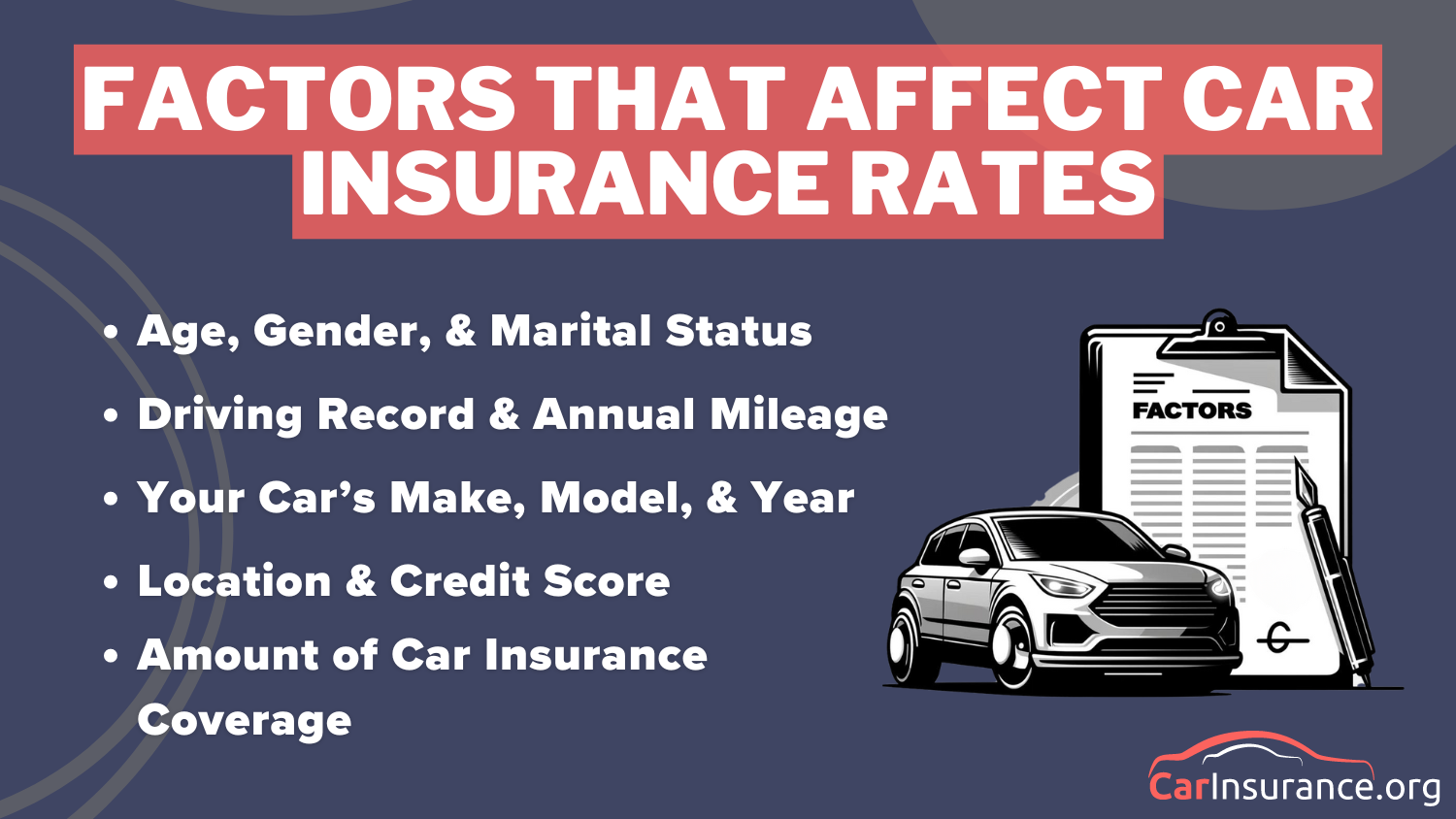
Farm Bureau auto insurance rates fluctuate based on standard underwriting factors, including:
- Driver age, gender, and marital status.
- Driving history, moving violations, and at-fault accidents.
- Vehicle make, model, safety ratings, and average repair costs.
- Garaging zip code and local traffic density.
- Evolving economic trends, such as inflation in vehicle repair parts and rising medical costs.
While many policyholders report stable premiums and competitive pricing, rates vary significantly by state and individual risk profile. Shopping around and obtaining quotes from multiple carriers remains the most effective way to determine true cost-effectiveness.
Myth 7: Customer Service Involves Endless Call Center Trees
Many drivers have experienced the frustration of calling a national auto insurance provider, navigating a complex automated phone tree, and speaking with a different representative every time they have a question. A widespread myth is that Farm Bureau operates under this same impersonal corporate structure.
The operational model of Farm Bureau relies heavily on a captive agency force. Policyholders are typically assigned a specific local agent and office staff who handle their accounts from inception through claims management. This structure ensures that when a policyholder calls with a question about coverage limits or needs assistance following a fender-bender, they speak with a familiar local professional who understands their specific policy details and regional driving conditions.
Myth 8: You Can Only Insure Personal Passenger Vehicles
Because of the name "Farm Bureau," vehicle owners often assume these companies only insure standard sedans and SUVs, excluding specialized vehicles, commercial trucks, or recreational equipment.
While commercial lines require specialized policies, personal Farm Bureau auto insurance portfolios are frequently quite broad. Depending on the specific state affiliate, policyholders can often bundle coverage for:
- Classic and antique collector cars.
- Pickup trucks used for personal or light agricultural purposes.
- All-terrain vehicles (ATVs) and utility terrain vehicles (UTVs).
- Motorcycles, scooters, and motorhomes.
- Travel trailers and boat trailers.
Insuring multiple vehicle types under a single organizational umbrella simplifies billing and often qualifies the household for multi-policy and multi-vehicle discounts.
Myth 9: Claims Processing Is Slower Than National Competitors
A lingering anxiety regarding regional insurance providers is that they lack the financial backing or adjuster network required to process claims swiftly during catastrophic events or widespread severe weather.
State Farm Bureau companies maintain robust financial reserves and reinsurance agreements to ensure capital liquidity during major loss events, such as severe storms, hurricanes, or winter freezes. While response times can fluctuate during regional disasters, major state affiliates deploy catastrophe teams and digital claims-adjusting tools to inspect damage and issue payouts as efficiently as national competitors. Independent financial rating agencies, such as AM Best, regularly evaluate these state affiliates and assign financial strength ratings that reflect their capacity to meet policyholder obligations.
Myth 10: Switching to Farm Bureau Requires Complex Document Transfers
Some motorists delay exploring options with Farm Bureau because they believe canceling an existing policy and establishing a new one involves complicated paperwork, coverage gaps, or administrative penalties.
In practice, transitioning an auto insurance policy to Farm Bureau follows a standard industry procedure. Once a driver completes the membership registration and approves a new quote, a licensed agent helps coordinate the effective dates to ensure zero lapse in coverage. The new carrier typically assists with notifying the previous insurer to cancel the old policy, and if the previous policy was paid in full or on a monthly cycle, any unearned premium is refunded directly to the consumer. For drivers with active auto loans or leases, the agent ensures that loss payee clauses are accurately transferred to protect the lienholder from day one.
Frequently Asked Questions
Can anyone join a county Farm Bureau, or do you need a referral?
Anyone who supports the organization’s mission can join a county Farm Bureau. No special referral or invitation is required. You simply complete a membership application online or at a local office and pay the annual dues, which immediately unlocks eligibility for insurance products and member savings programs.
Does Farm Bureau auto insurance cover ridesharing services like Uber and Lyft?
Standard personal auto insurance policies typically exclude coverage while a driver is logged into a transportation network company app for commercial purposes. However, many state Farm Bureau affiliates offer ridesharing endorsements or hybrid coverage options for an additional premium. Policyholders should verify their specific state’s offerings before driving for rideshare platforms.
How do state-specific Farm Bureau organizations differ?
Farm Bureau insurance is not a single nationwide corporation; rather, it consists of independent state-level organizations and insurance companies. While they share branding and agricultural roots through the American Farm Bureau Federation, each state affiliate operates under its own leadership, underwriting guidelines, pricing structures, and policy forms.
What happens to my insurance if I cancel my Farm Bureau membership?
Because membership in the county or state Farm Bureau federation is a prerequisite for holding the policy, allowing your membership to lapse can result in non-renewal or cancellation of your auto insurance coverage. Most affiliates bill the membership fee annually alongside policy renewals or via a separate billing cycle to maintain active status.
Practical Next Actions
Evaluating whether Farm Bureau auto insurance fits your household begins with visiting your state or county affiliate's official website or contacting a local agent. Request a comprehensive quote that accounts for all eligible discounts—such as bundling with homeowners insurance, maintaining a clean driving record, and utilizing paperless statements—while factoring in the cost of annual organizational membership. Compare these figures against your current coverage to determine if the blend of regional customer service and competitive pricing aligns with your financial and protection needs.