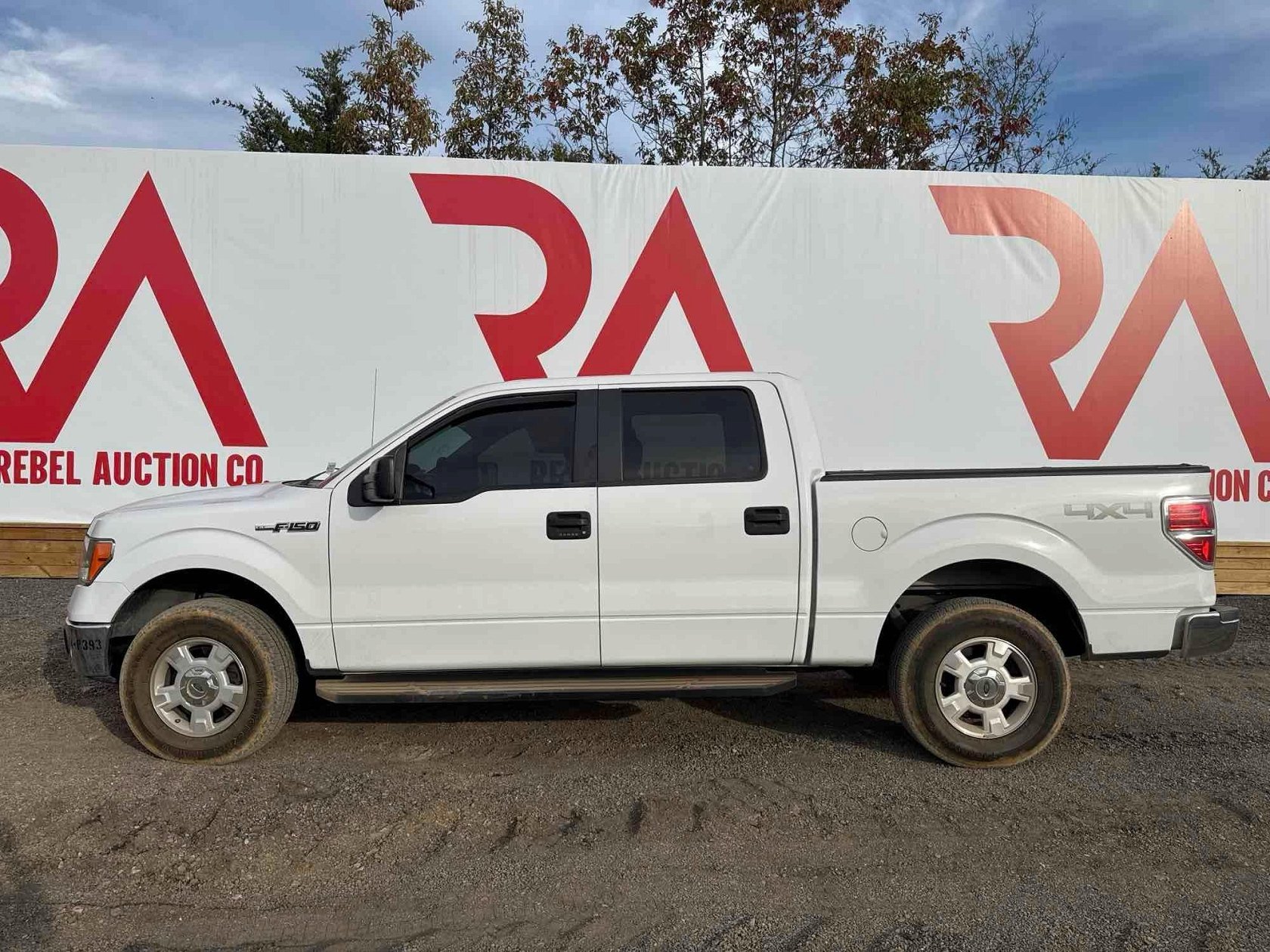
Securing auto insurance for an 18-year-old driver operating a 2014 Ford F-150 requires balancing high-risk demographic premium factors with the specific safety ratings, replacement costs, and structural characteristics of a half-ton pickup truck. Because insurers view young, inexperienced drivers as statistically more likely to file claims, purchasing coverage demands careful navigation of policy structures, discounts, and vehicle-specific risk assessments to maintain financial viability.
Understanding the Insurance Landscape for Young Drivers
Insuring an 18-year-old is notoriously expensive. In the United States and many other jurisdictions, auto insurance companies rely on actuarial tables that correlate age and driving experience directly with collision frequency. At age 18, a driver has typically held a license for only two years or less, lacking the defensive driving reflexes and hazard perception developed through years on the road. Consequently, base rates for this demographic are among the highest in the industry.
When an 18-year-old is the primary or listed driver of a full-size pickup truck like the 2014 Ford F-150, underwriters evaluate a compounding set of risk variables. Unlike a compact sedan, a half-ton truck possesses significant weight, a high center of gravity, and high towing capacity. While these attributes offer distinct advantages in occupant protection, they also introduce unique liability concerns. Insurers must weigh the driver's demographic risk profile against the physical characteristics of the vehicle to determine an appropriate premium.
Vehicle Profile: The 2014 Ford F-150
The 2014 model year represents the final year of the twelfth-generation Ford F-150, a truck renowned for its rugged steel frame, diverse engine options (ranging from the 3.7L V6 to the powerful 3.5L EcoBoost V6 and 5.0L V8), and high safety scores for its era. Evaluating this vehicle from an underwriting perspective reveals several distinct factors that influence insurance costs:
- Mass and Crash Compatibility: With a curb weight typically ranging from 5,000 to over 6,000 pounds depending on cab style (Regular, SuperCab, SuperCrew) and bed length, the F-150 is substantially heavier than standard passenger cars. In multi-vehicle collisions, this mass provides considerable protection to the truck's occupants, reducing medical payment claims for the driver. However, it can inflict severe damage on smaller vehicles, elevating third-party property damage and bodily injury liability risks.
- Safety Ratings: The 2014 Ford F-150 earned favorable marks in safety evaluations conducted during its production run, including strong ratings from the Insurance Institute for Highway Safety (IIHS) and the National Highway Traffic Safety Administration (NHTSA). Standard safety equipment includes front-seat side airbags, full-length side-curtain airbags, and electronic stability control. These features help temper comprehensive and collision rates.
- Repair and Replacement Costs: As a mass-market vehicle, parts availability for the 2014 F-150 is generally robust, which keeps mechanical repair costs manageable compared to luxury or exotic vehicles. However, body panels, aluminum-intensive components (found on subsequent generations, though the 2014 model is predominantly high-strength steel), and modern electronics can still escalate collision repair bills.
Key Insurance Coverages to Evaluate
When structuring a policy for an 18-year-old driving a 2014 F-150, choosing the right mix of coverages is vital. Opting only for state-minimum liability may lower immediate monthly costs, but it leaves both the young driver and their family dangerously exposed to financial ruin in a serious accident.
Liability Coverage (Bodily Injury and Property Damage)
Liability coverage pays for injuries and property damage you cause to others. Because young drivers have a higher statistical probability of causing accidents, carrying higher liability limits—such as 100/300/100 (thousand dollars)—is strongly recommended. A 2014 Ford F-150 is capable of causing substantial damage to other vehicles and public infrastructure; low limits will exhaust quickly, leaving personal assets vulnerable to lawsuits.
Collision and Comprehensive Coverage
- Collision Coverage: Pays for damage to the F-150 resulting from a collision with another vehicle or object (such as a guardrail or tree), regardless of fault.
- Comprehensive Coverage: Protects against non-collision incidents, including theft, vandalism, fire, animal strikes (common when driving trucks in rural or semi-rural areas), and weather-related damage like hail or floods.
Financial consideration: Because a 2014 Ford F-150 is over a decade old, its actual cash value (ACV) has depreciated significantly. Vehicle owners must weigh the cost of collision and comprehensive coverage against the vehicle's market value. If the annual premium for physical damage coverage approaches or exceeds 10% of the truck's total market value, dropping these coverages (known as carrying "liability only") may make financial sense, provided the owner has sufficient savings to replace the truck if totaled.
Uninsured and Underinsured Motorist (UM/UIM) Coverage
Many drivers on the road carry little to no insurance. UM/UIM coverage protects the 18-year-old driver if they are hit by someone who lacks adequate insurance to pay for medical bills or vehicle repairs. Given the high medical costs associated with traffic accidents, this coverage is indispensable.
Cost Comparison of Coverage Options
The following table outlines common coverage configurations, their primary functions, and their practical relevance for an 18-year-old operating a 2014 Ford F-150.
| Coverage Type | Primary Function | Relevance for 18-Yr-Old & 2014 F-150 | Recommended Level |
|---|---|---|---|
| State Minimum Liability | Covers basic third-party injury and property damage to legal limits. | Highly discouraged; leaves family assets vulnerable due to high demographic risk. | Avoid if possible; use only as absolute legal minimum. |
| Standard/High Liability | Provides robust financial protection against third-party lawsuits. | Essential. F-150's weight increases potential damage severity in at-fault wrecks. | 100,000 / 300,000 / 100,000 or higher. |
| Collision & Comprehensive | Repairs or replaces the truck after accidents, theft, or weather damage. | Conditional. Balance premium cost against the 2014 F-150's depreciated market value. | Keep if financed; evaluate ACV if owned outright. |
| Uninsured Motorist (UM/UIM) | Protects against drivers with zero or insufficient insurance. | Critical for young drivers who are statistically more vulnerable on the road. | Match liability limits. |
| Personal Injury Protection (PIP) / MedPay | Covers medical expenses for driver and passengers regardless of fault. | Important for covering immediate medical deductibles and co-pays. | Moderate to high, depending on health insurance plan. |
Strategies for Managing and Lowering Premiums
Because insurance rates for an 18-year-old driving a full-size pickup can easily strain household budgets, implementing strategic cost-reduction methods is essential.
1. Stay on a Parent or Guardian's Policy
In almost all cases, adding an 18-year-old driver to an existing household or parent policy is significantly cheaper than purchasing an individual, standalone policy. Insurers view household policies as lower risk because they assume parental oversight and shared vehicle use. Furthermore, multi-car discounts often apply when the 2014 F-150 is added alongside the family's other vehicles.
2. Leverage Good Student Discounts
Many insurance carriers offer substantial discounts (often ranging from 10% to 25%) for high school or college students who maintain a minimum GPA (typically a B average or a 3.0 on a 4.0 scale). Insurers view academic diligence as a proxy for responsible behavior behind the wheel.
3. Enroll in Telematics Programs
Usage-based insurance (UBI) programs—often managed via a mobile app or a small plug-in device (dongle) installed in the truck's OBD-II port—monitor driving habits in real-time. These programs track metrics such as speed, hard braking, rapid acceleration, and phone distraction. For safe, cautious 18-year-olds, telematics can yield deep discounts, though aggressive drivers may see their rates increase.
4. Choose a Higher Deductible
If maintaining collision and comprehensive coverage is necessary, selecting a higher deductible (e.g., $1,000 instead of $500) will immediately lower the monthly or semi-annual premium. Drivers must ensure they have cash reserves set aside to pay that deductible out-of-pocket if an incident occurs.
Frequently Asked Questions
Is it more expensive to insure a 2014 Ford F-150 than a sedan for an 18-year-old?
Not necessarily. While pickup trucks are heavy and capable of causing significant third-party damage, they also offer superior occupant protection in crashes, which can lower personal injury payout costs for insurers. Additionally, insurance companies look closely at theft rates and demographic loss histories; standard sedans driven by young demographics often carry comparable or even higher collision rates than full-size trucks.
Should an 18-year-old own the truck title or should a parent own it?
From an insurance and legal liability standpoint, having the parent or guardian hold the vehicle title—or holding it jointly—is often advantageous. Many insurance companies require the registered owner of the vehicle to be the named insured on the policy. Insuring an 18-year-old owner on an individual policy yields maximum premium rates, whereas a parent-owned policy with the teen listed as a primary driver provides smoother underwriting and better rates.
Does the towing capacity of the 2014 Ford F-150 affect insurance rates?
Generally, standard personal auto policies cover the vehicle for routine driving and personal towing (such as a small utility trailer or boat). However, if the 18-year-old uses the F-150 for commercial hauling or heavy-duty towing related to a business, a standard personal policy will not cover accidents, and commercial riders or standalone commercial policies will be required, significantly increasing costs.
How does the 2014 model year impact comprehensive and collision insurance costs?
Because a 2014 vehicle is over ten years old in 2026, its market replacement value is lower than a brand-new or late-model truck. This lower replacement cost directly translates to lower comprehensive and collision premiums compared to insuring a current-model-year F-150, helping offset the high base rates associated with an 18-year-old driver.
Next Actions and Practical Recommendations
Securing optimal coverage for an 18-year-old operating a 2014 Ford F-150 requires a proactive approach. Start by obtaining quotes from at least three different national and regional carriers, ensuring each quote uses identical coverage limits for accurate comparison. Check eligibility for bundling, good student discounts, and telematics programs. Finally, evaluate whether the truck's current market value justifies keeping full physical damage coverage or if switching to liability-only is a more pragmatic financial choice.
Disclaimer: Insurance regulations, mandatory minimum limits, and underwriting criteria vary significantly by jurisdiction and provider. Consult with a licensed insurance broker or agent to secure quotes tailored to your specific geographic location and personal driving record.