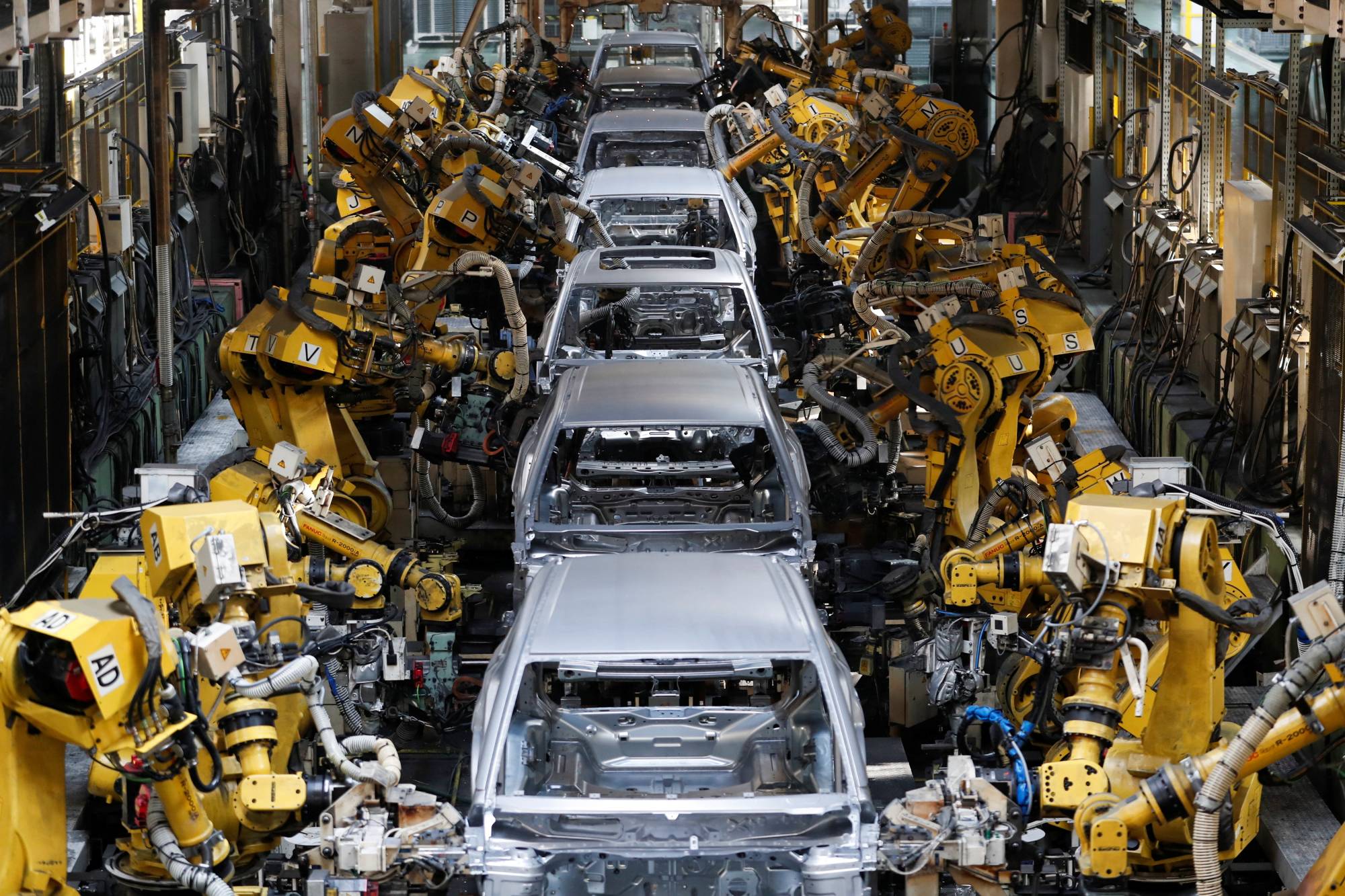
The primary impact of the 2021 chip shortage on automakers was a massive, multi-year reduction in global vehicle production, resulting in nearly 20 million units lost between 2021 and 2023. This scarcity forced manufacturers to halt assembly lines, prioritize high-margin vehicles, and permanently restructure their "Just-in-Time" supply chain models to ensure long-term semiconductor resilience.
The Genesis of the Semiconductor Scarcity
To understand the scale of the impact, one must first analyze why the automotive industry was uniquely vulnerable to the semiconductor shortage that peaked in 2021. For decades, automakers operated on a Just-in-Time (JIT) manufacturing philosophy. This model prioritized minimal inventory to reduce overhead costs, relying on a seamless, predictable flow of components from Tier-1 suppliers.
When the COVID-19 pandemic hit in early 2020, vehicle demand initially plummeted. Expecting a prolonged recession, automakers canceled massive orders for semiconductors. However, the consumer electronics sector saw an unprecedented surge as the world shifted to remote work and home entertainment. By the time automotive demand rebounded in late 2020 and early 2021, semiconductor foundries (fabs) had reallocated their capacity to manufacturers of laptops, webcams, and gaming consoles.
Automakers found themselves at the back of the queue. Unlike the consumer electronics industry, which uses "leading-edge" chips (5nm or 3nm processes), the automotive industry historically relied on "legacy nodes" (40nm to 90nm). These older chips are used for basic but essential functions like power windows, fuel injection, and airbag deployment. Because these chips have lower profit margins for foundries, there was little incentive for companies like TSMC or GlobalFoundries to prioritize them over high-margin smartphone processors.
Quantifying the Global Production Loss
The most immediate and visible impact of the shortage was the idling of assembly lines across every major continent. According to data from S&P Global Mobility, the industry lost roughly 9.5 million units of global production in 2021 alone. This trend continued into 2022, albeit with slowly improving conditions.
The impact was not distributed equally. Manufacturers that had more rigid JIT systems or lacked direct relationships with chip foundries suffered the most. Ford, General Motors, and Volkswagen were forced to pause production at flagship plants for weeks at a time. In some instances, "work-in-process" vehicles were stored in massive lots—nearly complete but missing a single critical microcontroller required for the steering column or infotainment system.
By 2026, we can look back and see that this period represented the most significant disruption to automotive manufacturing since World War II. The total cumulative loss in vehicle production from 2021 through the tail-end of the recovery is estimated to have cost the industry over $500 billion in lost revenue.
Strategic Feature De-contenting
As the shortage intensified, automakers were forced to make difficult decisions to keep assembly lines moving. This led to a phenomenon known as "feature de-contenting." Instead of stopping production entirely, manufacturers began shipping vehicles without certain non-essential electronic features.
Commonly removed or "delayed" features included:
- Heated Seats and Steering Wheels: General Motors and BMW famously shipped thousands of units without the chips required for seat heaters, promising customers a "retrofit" at a later date when parts became available.
- Start-Stop Fuel Saving Systems: Several manufacturers disabled this feature to save on the specialized microcontrollers required to manage engine cycles.
- Touchscreen Functionality: Some luxury brands reverted to non-touch displays or removed certain navigation features.
- Wireless Charging: Many vehicles were delivered with empty charging pads because the inductive charging controllers were unavailable.
This strategy allowed automakers to maintain cash flow by selling "mostly complete" vehicles, but it created a logistical nightmare for dealerships and service centers that eventually had to manage the promised retrofits.
The Shift Toward High-Margin Vehicle Prioritization
Faced with a limited supply of semiconductors, automakers made a strategic pivot that fundamentally changed the market: they prioritized their most expensive and profitable models. If a manufacturer only had 10,000 chips available, they would install them in full-size SUVs and luxury sedans rather than entry-level compact cars.
This prioritization had several ripple effects:
- The Death of the "Cheap" Car: Entry-level models like the Ford EcoSport or basic trims of the Chevrolet Spark were discontinued or saw their production slashed to near zero.
- Record-High Transaction Prices: Because only high-trim, luxury-heavy vehicles were being built, the average transaction price (ATP) for a new vehicle skyrocketed. By late 2021, the average price of a new car in the US exceeded $45,000 for the first time.
- Dealer Markups: With demand far outstripping supply, dealerships began applying "Market Adjustments," often charging $5,000 to $20,000 over the Manufacturer’s Suggested Retail Price (MSRP).
This shift effectively priced millions of middle-income consumers out of the new car market, driving them toward the used car market and causing a secondary price explosion in pre-owned vehicle values.
Long-term Structural Changes in 2026
The 2021 shortage served as a brutal wake-up call for the industry, leading to a total overhaul of automotive procurement. As of 2026, the industry has moved away from the opaque "Tier-1" model, where an automaker only spoke to a component supplier (like Bosch or Continental) and had no visibility into the semiconductor source.
Direct Foundry Partnerships
Automakers now sign direct long-term agreements (LTAs) with semiconductor foundries. For example, Ford’s partnership with GlobalFoundries and Volkswagen’s direct ties with TSMC ensure that the "legacy nodes" needed for automotive applications are protected by dedicated capacity.
Just-in-Case Inventory
The "Just-in-Time" model has been replaced by "Just-in-Case." Automakers now maintain a physical buffer of critical semiconductors, sometimes holding a six-to-twelve-month supply of microcontrollers in secure warehouses. While this increases carrying costs, it is viewed as a necessary insurance policy against future geopolitical or environmental disruptions.
Software-Defined Vehicles (SDV)
The shortage accelerated the transition to "centralized computing." Older vehicle architectures used up to 150 separate Electronic Control Units (ECUs), each requiring its own chip. Modern 2026 vehicles utilize a "Domain Controller" architecture, where a few powerful, high-end chips handle multiple functions. This reduces the total number of chips needed and makes the supply chain easier to manage.
Comparative Impact Analysis (2019 vs. 2021 vs. 2026)
The following table illustrates the shift in industry metrics and strategies across three distinct periods:
| Metric | 2019 (Pre-Shortage) | 2021 (Peak Shortage) | 2026 (Current Status) |
|---|---|---|---|
| Inventory Strategy | Just-in-Time (Low stock) | Critical Scarcity | Just-in-Case (High buffer) |
| Supply Chain Visibility | Limited to Tier-1 suppliers | Desperate "Spot Market" buying | Direct Foundry Agreements |
| Average Days' Supply | 60–70 days | 10–25 days | 45–55 days |
| Chip Architecture | Decentralized (100+ ECUs) | Decentralized (Struggling) | Centralized (Software-Defined) |
| Consumer Experience | Heavy Incentives/Discounts | Prices over MSRP | Stable Pricing/Custom Orders |
Frequently Asked Questions
Why couldn't automakers just use different chips?
Automotive chips must undergo rigorous "automotive grade" certification, which involves testing for extreme temperatures, vibrations, and a lifespan of 15+ years. You cannot simply swap a consumer-grade chip from a laptop into a vehicle's braking system. Re-engineering a control module to use a different chip requires months of validation and safety testing, which was not feasible during the height of the 2021 crisis.
Is the 2021 chip shortage officially over?
By the standard definition, yes. The broad-based scarcity of legacy microcontrollers that plagued the industry in 2021 and 2022 has resolved. However, the industry remains cautious. In 2026, the focus has shifted from general "shortage" to "technological competition," specifically regarding high-end AI chips needed for Level 3 autonomous driving and advanced EV battery management.
Did the shortage affect electric vehicles (EVs) differently?
Yes. EVs are significantly more "chip-heavy" than internal combustion engine (ICE) vehicles, often requiring twice as many semiconductors for power electronics and battery management. Consequently, while the shortage was a hurdle, it actually accelerated the transition to EVs because manufacturers prioritized their chip supply for these high-priority, future-looking platforms to meet regulatory fleet emission targets.
Why did used car prices go up because of a chip shortage?
When new car production stalled, consumers who needed a vehicle were forced into the used market. This sudden influx of buyers, combined with a lack of "trade-ins" (since people couldn't buy new cars), created a supply-demand imbalance. At one point in 2022, some used cars were selling for more than their original MSRP when new.
Which automakers handled the shortage the best?
Toyota and Tesla are often cited as the most resilient. Toyota had implemented a "Business Continuity Plan" after the 2011 Fukushima earthquake, which required them to stockpile several months of chips. Tesla, meanwhile, was able to rewrite its vehicle software in weeks to support alternative chips that were more readily available, showcasing the power of a software-first approach.
Summary and Next Steps
The 2021 chip shortage was a watershed moment for the automotive industry. It exposed the fragility of globalized, lean manufacturing and forced a total reckoning of how vehicles are designed and built. The primary impact—the loss of millions of vehicles and the resulting price inflation—has finally stabilized in 2026, but the "scar tissue" remains in the form of higher prices and a more consolidated, transparent supply chain.
For consumers and industry professionals, the lesson of 2021 is one of resilience over efficiency. If you are looking to purchase a vehicle in today's market, you will notice that while inventory has returned to dealerships, the era of deep discounts and "lots full of base models" has largely vanished. The industry has learned that it is more profitable to build fewer, better-equipped vehicles than to return to the overproduction cycles of the past.