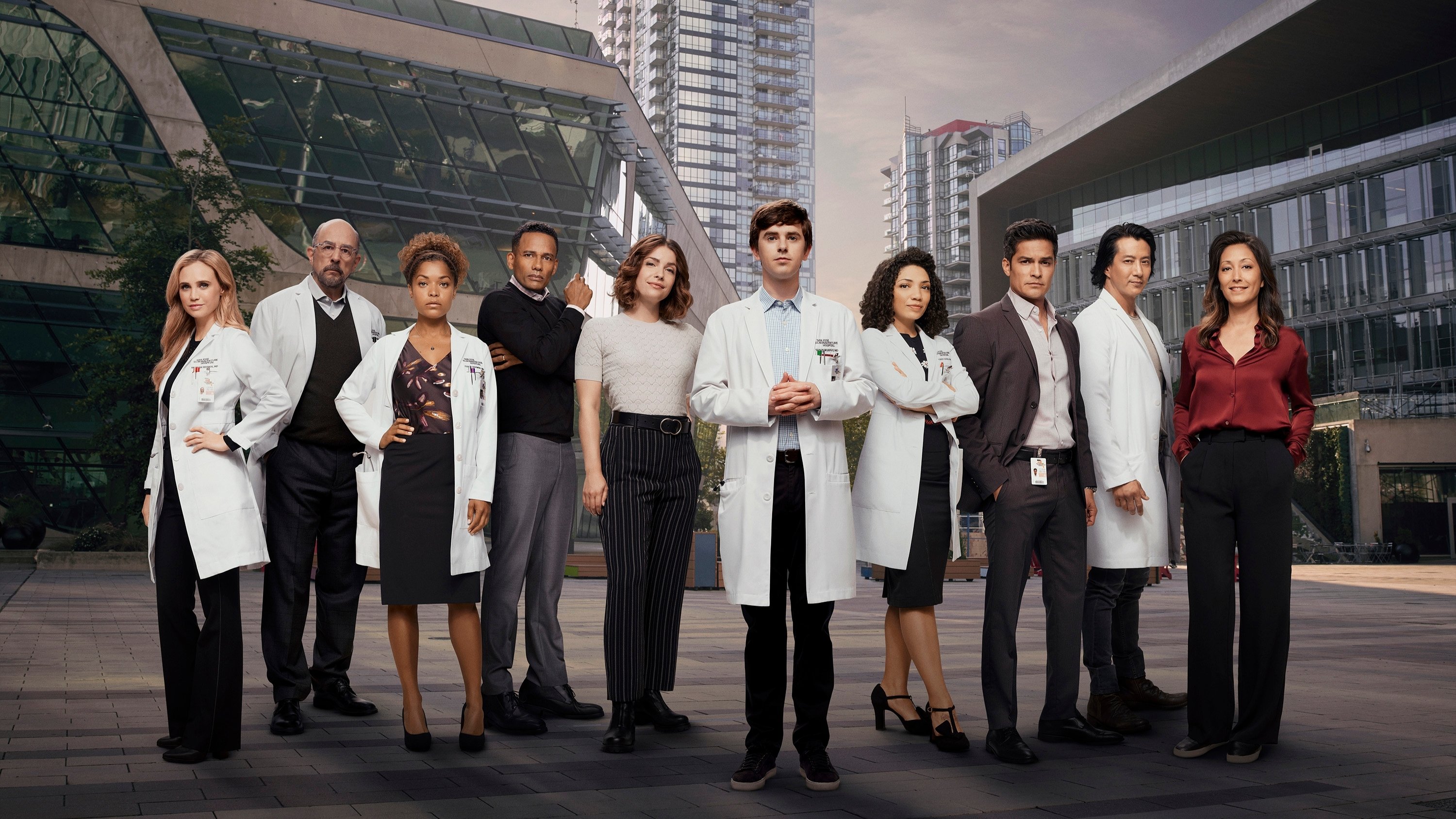
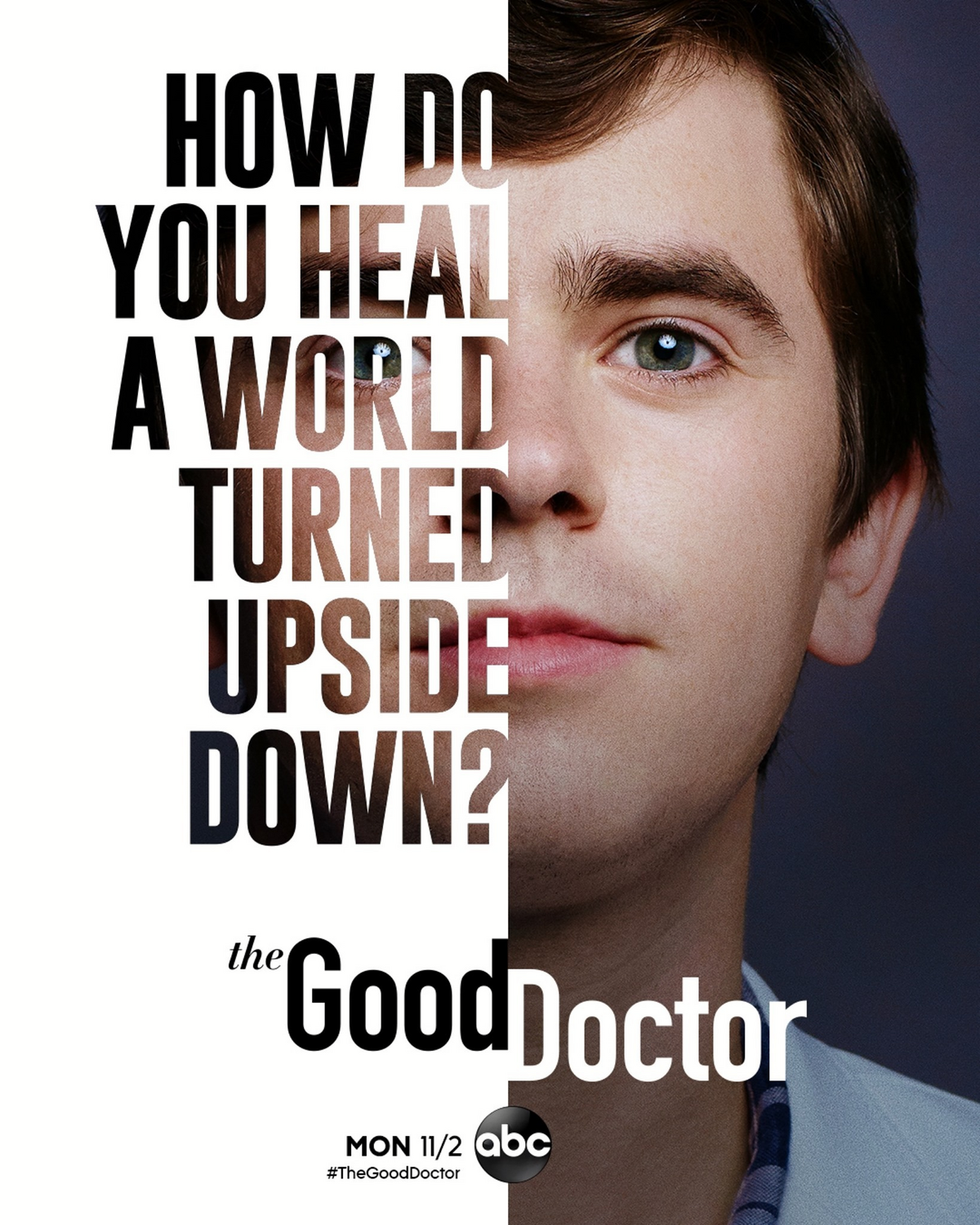
The first episode of The Good Doctor, titled "Burnt Food," introduces viewers to Dr. Shaun Murphy, a brilliant young surgical resident with autism and savant syndrome, as he navigates skepticism, bureaucracy, and a life-threatening crisis while traveling to his new job at St. Bonaventure Hospital.
Introduction to the Pilot of The Good Doctor
Television medical dramas have long relied on high-stakes operating rooms, emotionally complex physicians, and rapid-fire medical jargon to captivate audiences. However, when The Good Doctor premiered on ABC, it carved out a distinct niche by centering its narrative on a protagonist whose cognitive and emotional processing fundamentally challenges the traditional archetype of the charismatic, intuitive surgeon. Adapted from the acclaimed 2013 South Korean television series of the same name and developed for American television by David Shore, the series premiere establishes a delicate balance between conventional hospital procedural tropes and a character study of neurodivergence in a high-pressure professional environment.
Understanding the premiere episode requires examining how the narrative establishes Dr. Shaun Murphy's internal world, the external friction he encounters upon arriving at St. Bonaventure Hospital, and the structural choices that make the pilot an effective introduction. From the opening scenes at an airport to the intense, improvised trauma management in an airport terminal, "Burnt Food" lays the groundwork for multiple seasons of character growth, institutional politics, and medical ethics. This analysis explores the core elements of the pilot, detailing the narrative arcs, thematic underpinnings, character dynamics, and critical reception that defined the debut of this medical drama.
Narrative Overview and Plot Summary of "Burnt Food"
The pilot episode, "Burnt Food," wastes little time establishing the high stakes and the unique perspective of its central character. The episode opens with a non-linear structure, juxtaposing flashbacks of Shaun Murphy’s difficult childhood in Wyoming—marked by the tragic loss of his pet rabbit and his protective younger brother, Steve—with his present-day cross-country journey to San Jose, California. These flashbacks provide essential context for Shaun’s behavioral patterns, his aversion to physical touch, and his extraordinary visual memory, which manifests on screen through animated anatomical overlays.
While waiting for his flight at an airport, a freak accident occurs when a heavy glass sign shatters, severely injuring a young boy named Evan. The chaos of the scene highlights the immediate contrast between conventional panic and Shaun’s hyper-focused, analytical approach. Utilizing his savant capabilities, Shaun diagnoses a tension pneumothorax. Despite lacking traditional medical equipment, he improvises a chest tube using a kitchen knife, plastic tubing, and a bottle of alcohol from an airport gift shop, saving the boy's life.
Concurrently, back in San Jose, the board of directors of St. Bonaventure Hospital is engaged in a contentious meeting. Dr. Aaron Glassman, the president of the hospital and Shaun's longtime mentor and protector, is fiercely advocating for Shaun's hiring as a surgical resident. Glassman’s professional standing is on the line; he stakes his presidency on the board's willingness to give Shaun an opportunity. The board, led by Chairman Marcus Andrews, expresses profound skepticism regarding Shaun’s ability to communicate with patients, handle the emotional volatility of a surgical ward, and integrate into a team.
The airport incident becomes the pivotal piece of evidence Glassman needs, though Shaun arrives late for the board meeting due to his delayed flight and sensory overload in the city. When Shaun finally addresses the board, he delivers a poignant, blunt monologue explaining why he wants to be a surgeon—not for glory, but because he believes he can save lives that others might write off. This speech ultimately sways the board just enough to grant him a conditional residency. The episode concludes with Shaun stepping into the hospital halls, bracing for the arduous journey ahead.
Character Dynamics and Professional Friction
The success of a medical drama pilot depends heavily on the immediate establishment of compelling relationships between the protagonist and their colleagues. In "Burnt Food," Shaun Murphy is surrounded by a diverse ensemble whose reactions to his presence establish the primary dramatic tension of the series.
Dr. Aaron Glassman and Shaun Murphy
The relationship between Shaun and Dr. Glassman (played by Richard Schiff) serves as the emotional anchor of the pilot. Glassman has known Shaun since he was a teenager, rescuing him from an abusive home environment and supporting him through medical school. Their dynamic is paternal yet strained by professional obligations. Glassman must balance his genuine affection and belief in Shaun with the pragmatic reality that one misstep could destroy both of their careers.
Dr. Neil Melendez and Institutional Skepticism
Dr. Neil Melendez, the attending surgeon and head of cardiothoracic surgery, embodies the traditional, hierarchical resistance within the hospital. Melendez values absolute control, rapid communication, and predictable teamwork. In the pilot, Melendez makes his opposition to Shaun clear, viewing him as a liability rather than an asset. His skepticism is not depicted as purely malicious; rather, it reflects the genuine risks associated with high-stakes surgical environments where split-second, non-verbal coordination is often required.
Dr. Claire Browne and Potential Alliance
Dr. Claire Browne, a surgical resident introduced in the pilot, represents a more empathetic and open-minded perspective among the peer group. While she is initially uncertain how to interact with Shaun, her professional curiosity and fundamental kindness prevent her from dismissing him outright. Their brief interactions in the pilot hint at a developing mentorship and friendship that will evolve across the series.
Comparative Overview of Main Characters in the Pilot
| Character Name | Actor | Professional Role | Initial Stance Toward Shaun Murphy |
|---|---|---|---|
| Dr. Shaun Murphy | Freddie Highmore | Surgical Resident | Protagonist; navigates autism and savant syndrome |
| Dr. Aaron Glassman | Richard Schiff | Hospital President | Staunch advocate, mentor, and father figure |
| Dr. Neil Melendez | Nicholas Gonzalez | Attending Surgeon | Skeptical, protective of hospital standards, opposed hiring |
| Dr. Claire Browne | Antonia Thomas | Surgical Resident | Empathetic, open-minded, and cautiously receptive |
| Marcus Andrews | Hill Harper | Board Chairman / Surgeon | Politically driven, doubtful of public and liability risks |
Production, Direction, and Visualizing Neurodivergence
Translating an internal mental landscape to the screen presents a significant creative challenge for any director, particularly when depicting a character with autism spectrum disorder and savant syndrome. In "Burnt Food," director Seth Gordon and creator David Shore utilized innovative visual and auditory techniques to convey how Shaun processes the world around him.
The most notable visual motif is the use of computer-generated overlays that project medical diagrams, anatomical structures, and mathematical equations directly onto the physical environment and the bodies of patients. When Shaun looks at the injured boy at the airport, glowing text and wireframe graphics appear on screen, illustrating his thought process as he deduces the injury. This stylistic choice draws comparisons to Sherlock Holmes adaptations, but it is grounded specifically in savant medical visualization.
Sound design also plays a critical role in the pilot. During moments of sensory overload—such as Shaun navigating the bustling San Jose airport terminal or the echoing, chaotic corridors of St. Bonaventure—ambient noises are amplified, distorted, and layered to simulate sensory processing differences. These technical choices allow the audience to experience, even briefly, the overwhelming nature of neurotypical environments from Shaun's perspective.
Themes of Representation and Medical Ethics
Beyond its function as an entertainment product, the first episode of The Good Doctor ignited considerable discussion regarding the representation of autism in media. Portraying a character with savant syndrome risks reinforcing the "savant trope," where individuals with autism are only valued if they possess extraordinary, superhuman intellectual abilities.
However, "Burnt Food" attempts to balance this by emphasizing Shaun’s profound human vulnerabilities. His struggles with social cues, metaphor, and emotional expression are not framed as minor quirks to be overcome easily, but as persistent, daily challenges. The ethical debate central to the pilot—whether a hospital has a moral obligation to accommodate a brilliant physician whose communication barriers could theoretically impact patient safety—resonates deeply with real-world discussions surrounding accessibility, neurodiversity, and reasonable accommodation in high-stress professional fields.
Medical ethics are further explored through the board's deliberation. The conflict highlights the tension between institutional risk management and medical innovation. St. Bonaventure is run as a business concerned with malpractice insurance, public relations, and board politics, contrasting sharply with Glassman’s idealistic view that medicine should prioritize raw talent and the preservation of life above administrative convenience.
Reception, Legacy, and Cultural Impact
Upon its premiere in September 2017, The Good Doctor defied low pre-release expectations to become a massive ratings success for ABC. While initial critical reviews were mixed—some praising Freddie Highmore’s nuanced, respectful performance while others critiqued the series for relying on melodramatic medical tropes—the audience response was overwhelmingly positive.
The pilot established a formula that prioritized emotional resonance, underdog triumph, and accessible medical mysteries. Freddie Highmore received widespread critical acclaim, including a Golden Globe nomination for Best Actor in a Television Series Drama, anchoring the show's credibility. The success of the first episode paved the way for a multi-season run that concluded its narrative arc in 2024, cementing the pilot as a foundational text in modern American medical television.
Frequently Asked Questions
Where can I watch the first episode of The Good Doctor?
The pilot episode of The Good Doctor is available for streaming on various subscription video-on-demand platforms depending on regional licensing agreements, and it can also be purchased individually through digital retailers such as Amazon Prime Video, Apple TV, and Google Play. Availability varies by country and streaming partner rotations.
Who plays Dr. Shaun Murphy in the series?
Dr. Shaun Murphy is portrayed by English actor Freddie Highmore. Highmore is also widely recognized for his starring role as Norman Bates in the psychological horror thriller series Bates Motel and for his work in feature films such as Charlie and the Chocolate Factory and Finding Neverland.
Is St. Bonaventure Hospital a real hospital?
No, St. Bonaventure Hospital is a fictional institution created for the show. While exterior shots and cityscapes are filmed in and around Vancouver, British Columbia, and San Jose, California, the hospital building itself is a combination of studio sets and location scouting designed to represent a cutting-edge medical center.
How does the American series compare to the original Korean version?
The American adaptation closely follows the core premise of the 2013 South Korean series created by Park Jae-bum, featuring a young savant surgeon entering a prestigious pediatric surgery unit. However, the American version adapts the cultural context, medical ethics cases, and character backstories to fit a standard U.S. network television format spanning multiple seasons.
What medical emergency occurs in the pilot episode?
While waiting at the airport terminal for his flight to San Jose, a heavy glass display sign shatters and severely injures a young boy named Evan. Shaun diagnoses a tension pneumothorax and performs an emergency procedure using improvised tools from a gift shop to save the boy's life.
Conclusion and Next Steps
The first episode of The Good Doctor functions as a masterclass in pilot construction, efficiently establishing high-stakes conflict, complex character motivations, and a distinct visual identity. By centering its narrative on Dr. Shaun Murphy, "Burnt Food" challenges viewers to rethink preconceived notions about competence, empathy, and neurodiversity within professional medical settings. To further appreciate the series, viewers can proceed by watching subsequent episodes of the first season to observe how the fragile alliances formed in the pilot develop under the sustained pressure of hospital operations and ethical dilemmas.