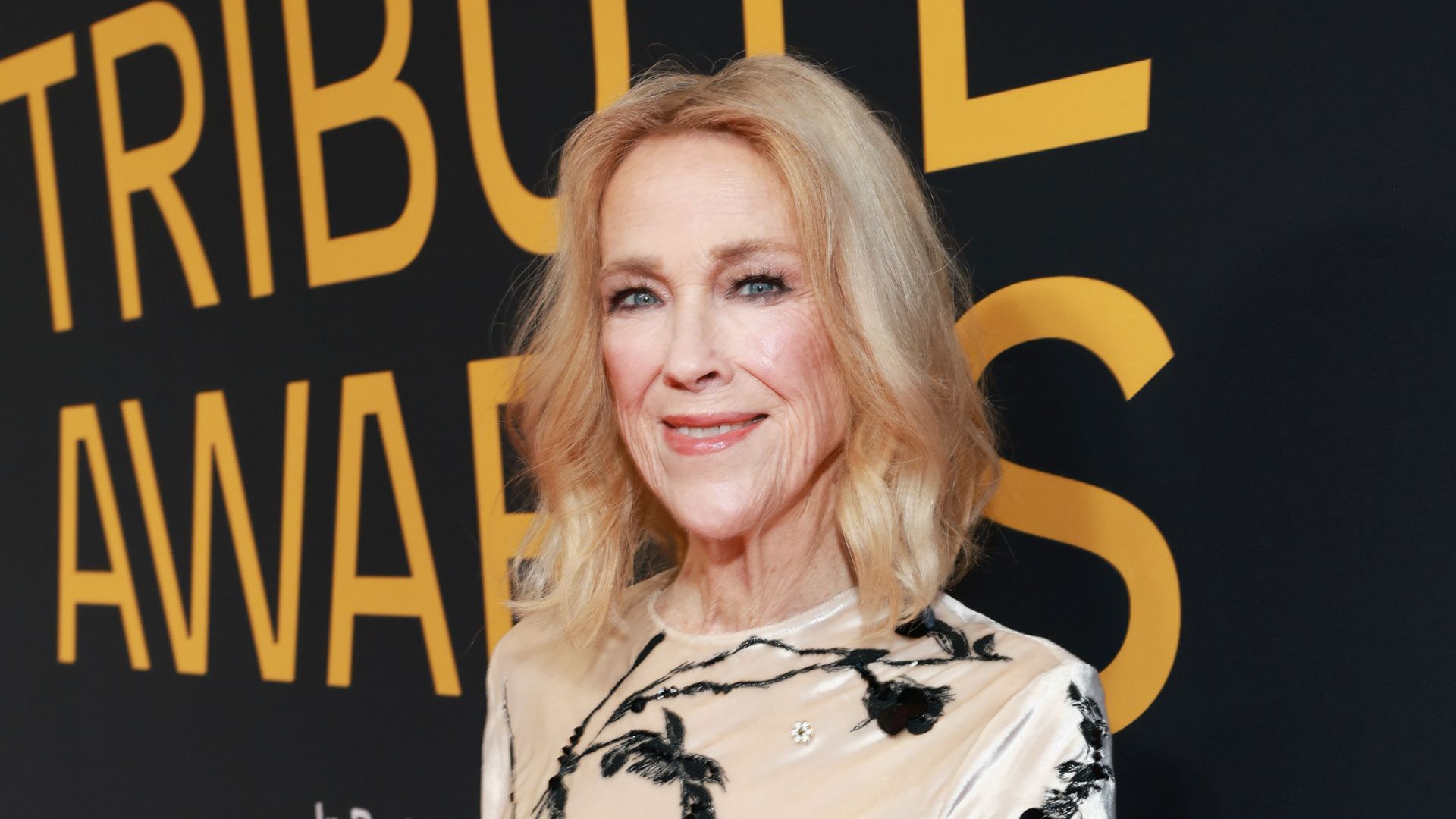
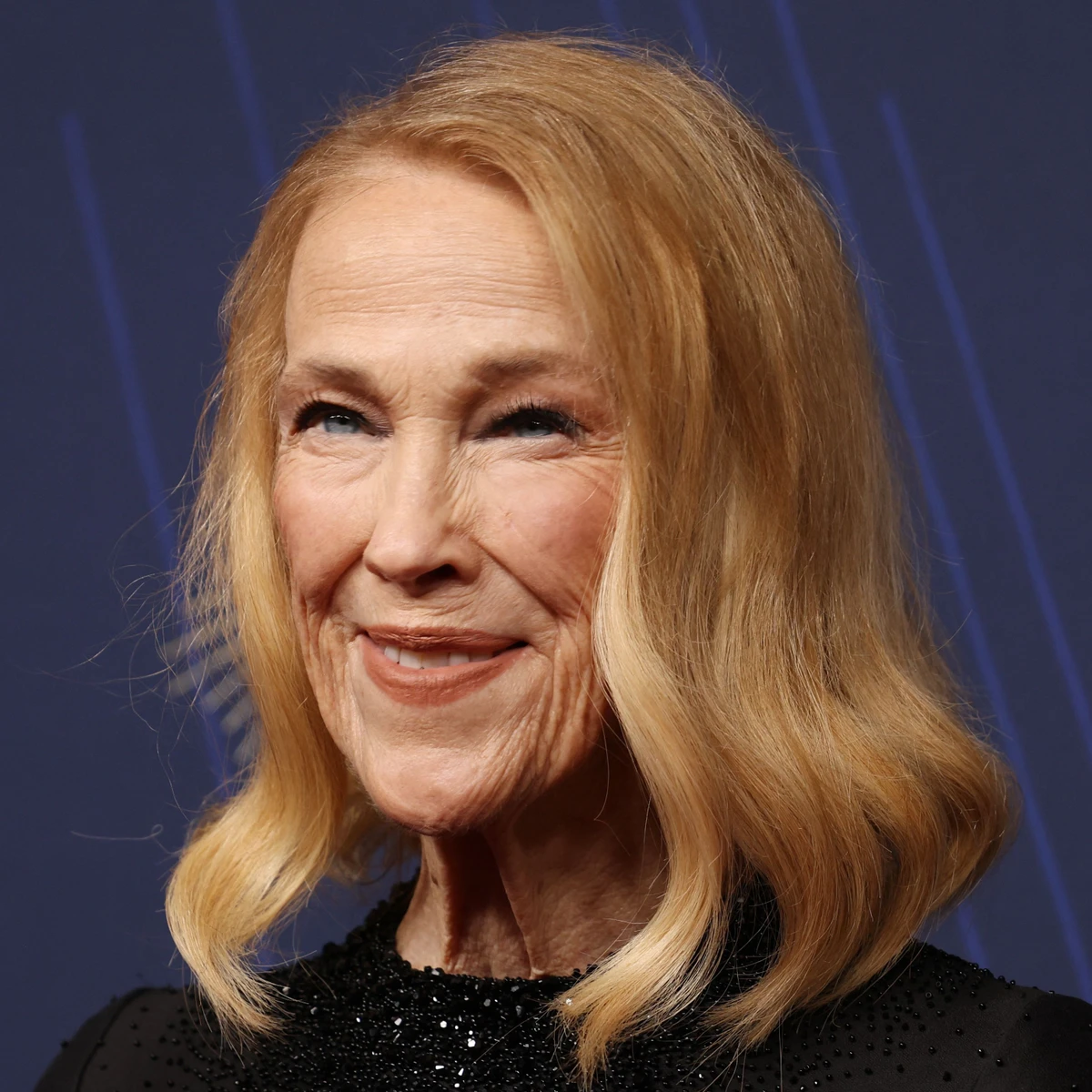
Catherine O’Hara’s 1970s career highlights are defined by her foundational work at The Second City Toronto and the subsequent launch of Second City Television (SCTV) in 1976. During this decade, she transitioned from a theatrical understudy to a primary architect of modern sketch comedy, developing iconic characters like Lola Heatherton and establishing professional partnerships that would span over fifty years.
The Second City Toronto: A Training Ground for Greatness
The genesis of Catherine O’Hara’s professional journey is inseparable from the burgeoning comedy scene in Toronto during the early 1970s. In 1974, at just 20 years old, O’Hara joined the cast of The Second City’s Toronto troupe. This move was not merely a job; it was an entry into an elite circle of comedic minds that would eventually redefine North American humor.
O’Hara’s entry into the mainstage cast came through a stroke of historical serendipity. She was initially hired as an understudy for Gilda Radner. When Radner departed for New York City to join the original cast of Saturday Night Live, O’Hara stepped into the spotlight. This period was crucial for her development as an improviser. The Second City method focused on creating characters through long-form improvisation, a technique that O'Hara mastered quickly.
Her time on the Toronto stage allowed her to hone her ability to disappear into a role. Unlike many comedians who rely on a consistent "persona," O’Hara’s 1970s stage work was characterized by a chameleonic quality. She learned to use her physicality, vocal range, and a deep understanding of human insecurity to create characters that were both absurd and painfully recognizable. This era also solidified her connection with the Toronto comedy community, including her brother Marcus O’Hara and her future long-term collaborator, Eugene Levy.
The Launch of Second City Television (SCTV) in 1976
While her stage work was locally celebrated, O’Hara’s 1970s career highlights reached a national and eventually international level with the premiere of Second City Television (SCTV) in 1976. SCTV was a revolutionary concept: a sketch show framed as the broadcast day of a fictional, low-budget television station in the town of Melonville.
O’Hara was a founding cast member, alongside John Candy, Joe Flaherty, Eugene Levy, Andrea Martin, Dave Thomas, and Harold Ramis. As of 2026, television historians still point to the 1976–1979 period of SCTV as the "Big Bang" of character-driven satire. In the early seasons, O’Hara was instrumental in establishing the show's subversive tone. Because the show was produced in Canada (initially at Global Television and later at CHCH in Hamilton), the cast had a degree of creative freedom that was often denied to their contemporaries in the United States.
O’Hara’s contribution during these late-70s seasons was multifaceted. She was not just a performer; the cast members were the primary writers of their own sketches. This dual role meant that O’Hara was responsible for the structural integrity of the satire. She resisted the easy "gag" in favor of character-based comedy that deconstructed the medium of television itself. By 1979, she had helped establish SCTV as a critical darling that punched far above its weight class in terms of influence.
Iconic Characters Born in the 1970s
The true measure of O’Hara’s impact in the 1970s lies in the gallery of characters she introduced to the public. These were not mere caricatures; they were sophisticated deconstructions of media tropes and societal archetypes.
Lola Heatherton
Perhaps her most famous creation from the SCTV era, Lola Heatherton, debuted in the late 70s. Lola was the quintessential high-energy, desperate-to-please lounge singer and variety show star. With her signature "I want to bear your children!" catchphrase and her manic, rattling laugh, Lola was a scathing parody of the superficiality of 1970s entertainment industry stars. O’Hara’s performance was a masterclass in controlled chaos, capturing the frantic insecurity of a performer who lives only for the spotlight.
Margaret Sciniak
Another staple of her early SCTV years was Margaret Sciniak, a character often paired with others in mundane yet surreal situations. O'Hara used characters like Sciniak to explore the "ordinary" woman pushed to the brink by the absurdity of modern life.
Impression Work
During the 1970s, O’Hara also gained repute for her razor-sharp impressions. Her portrayals of celebrities like Maggie Smith, Lucille Ball, and Brooke Shields were not just about vocal mimicry. She managed to capture the "essence" of these figures, often exaggerating one specific trait to reveal a deeper truth about their public persona. Her Maggie Smith, in particular, became a legendary piece of the SCTV canon, showcasing O'Hara's ability to blend high-brow theatricality with low-brow comedy.
Collaborations and Partnerships: The Levy-O'Hara Synergy
One cannot discuss Catherine O’Hara’s 1970s career highlights without focusing on her professional relationship with Eugene Levy. Meeting at The Second City in 1974, the two formed a comedic bond that remains one of the most enduring in Hollywood history.
In the 1970s, their collaboration was focused on the "straight man/eccentric" dynamic, though they often swapped these roles. Their ability to read each other's timing allowed for improvisational moments on SCTV that felt perfectly scripted. They shared a specific "Toronto sensibility"—a brand of humor that was slightly more polite than the New York style but significantly more biting in its irony. This decade saw them develop the shorthand that would later fuel their work in Christopher Guest’s mockumentaries and eventually Schitt’s Creek.
Beyond Levy, her work with Andrea Martin in the late 70s provided a rare and powerful example of female-led comedy. At a time when sketch comedy was largely a "boys' club," O’Hara and Martin were equal architects of the SCTV world. Their sketches together often bypassed traditional "female" topics, focusing instead on weirdness, intellect, and physical comedy.
Beyond SCTV: Television and Voice Work in the Late 70s
While SCTV was the primary vehicle for her talent, O’Hara’s 1970s resume includes other significant projects that shaped her professional trajectory. In 1976, she appeared on The David Steinberg Show, a short-lived but influential variety program produced in Canada. This provided her with further exposure to a broader North American audience and allowed her to work alongside many of her SCTV castmates in a different format.
O’Hara also ventured into voice acting and guest appearances. She lent her voice to several animated projects and specials during this period, demonstrating the vocal versatility that would later become a hallmark of her career. For instance, her involvement in the 1977 television movie The Last Polka (though it aired slightly later, the groundwork was laid in the late 70s character developments) showcased her ability to participate in musical satire.
Her work during this decade was also characterized by a high degree of technical discipline. Unlike the live broadcast pressure of Saturday Night Live, the taped nature of SCTV allowed O'Hara to experiment with lighting, camera angles, and wardrobe to enhance her characters. This early exposure to the technical side of film production informed her future success as a cinematic actress.
1970s Milestone Timeline
The following table outlines the key milestones in Catherine O’Hara’s career during the 1970s, marking her transition from the stage to television stardom.
| Year | Title/Event | Role/Character | Significance |
|---|---|---|---|
| 1974 | Joined Second City Toronto | Understudy / Mainstage | Replaced Gilda Radner; began her professional comedy career. |
| 1976 | The David Steinberg Show | Various Cast | First major televised variety show appearance. |
| 1976 | SCTV Launch (Season 1) | Founding Cast Member | Established the "Melonville" universe and satire style. |
| 1977 | SCTV Season 2 | Writer / Performer | Introduced core characters and began receiving critical acclaim. |
| 1978 | Witch's Night Out | Malicious (Voice) | Early foray into voice acting for animated specials. |
| 1979 | SCTV Season 3 | Lola Heatherton, etc. | Cemented her status as a leading voice in North American satire. |
Historical Significance of O’Hara’s 1970s Contributions
Looking back from the perspective of 2026, Catherine O’Hara’s 1970s work is viewed as a bridge between the classic variety shows of the 50s and 60s and the more experimental, meta-humor of the late 20th century. She was part of a generation that took the "rules" of television and systematically dismantled them.
Her 1970s career highlights are significant for three primary reasons:
- The Subversion of the Ingenue: O’Hara refused to play the "pretty girl" or the "supporting wife" roles typical of the era. Instead, she chose to play the weirdos, the failures, and the megalomaniacs.
- Writing as Performance: By writing her own material on SCTV, she helped prove that performers—specifically women—could and should have total creative control over their comedic voices.
- Canadian Cultural Identity: Along with her SCTV peers, O'Hara helped establish a distinct Canadian comedic identity that was exported globally. This "North of the border" perspective provided a unique lens through which to satirize American media dominance.
The foundation laid in the 1970s was so robust that O'Hara was able to transition seamlessly into film in the 1980s. Without the experimental playground of the Toronto Second City stage and the early years of SCTV, the characters that the world grew to love in later decades might never have found their voices.
Frequently Asked Questions
What was Catherine O'Hara's first professional acting job in the 70s?
Her first major professional breakthrough was joining the Toronto cast of The Second City in 1974. Prior to this, she had been involved in local theater, but Second City was her entry into the professional comedy industry. She famously auditioned for the troupe and was initially hired as an understudy for Gilda Radner.
Which character did Catherine O'Hara create first on SCTV?
While many characters were developed concurrently through improvisation, Lola Heatherton is one of the earliest and most impactful characters she brought to the screen in the mid-to-late 1970s. Lola represented the show's core mission of satirizing the "showbiz" personality.
Did Catherine O'Hara work on Saturday Night Live in the 1970s?
No. While her Second City contemporary Gilda Radner moved to New York for SNL in 1975, O’Hara remained in Toronto. She eventually joined the SNL writing staff for a very brief period in the early 1980s but famously left before appearing on air to return to the SCTV fold, citing her preference for the SCTV creative environment.
Who were her most frequent collaborators during the 1970s?
Her most frequent collaborators were Eugene Levy, Andrea Martin, John Candy, and Joe Flaherty. This group formed the "core" of the Toronto Second City troupe and the original SCTV cast, developing a shared comedic language that defined the decade's satire.
Was Catherine O’Hara considered a writer during her 70s career?
Yes, absolutely. One of the unique aspects of SCTV was that the cast members were the primary writers. O'Hara's credits in the 1970s always included writing, which was essential for her to maintain the specific, eccentric nuances of her characters.
Practical Recommendation for Fans and Researchers
To truly appreciate Catherine O'Hara's 1970s career highlights, it is recommended to view the "Early Years" DVD sets or streaming collections of SCTV (specifically Seasons 1 and 2). Pay close attention to the "commercials" and "station promos" within the show; these segments often feature O'Hara's most subtle and inventive character work. Additionally, researchers should look for archival footage of the 1974-1976 Second City Toronto stage shows, as these represent the raw material that would eventually be refined for television. Understanding her work in this decade provides the necessary context for her entire body of work, illustrating how her "fearless" approach to comedy was present from the very beginning.