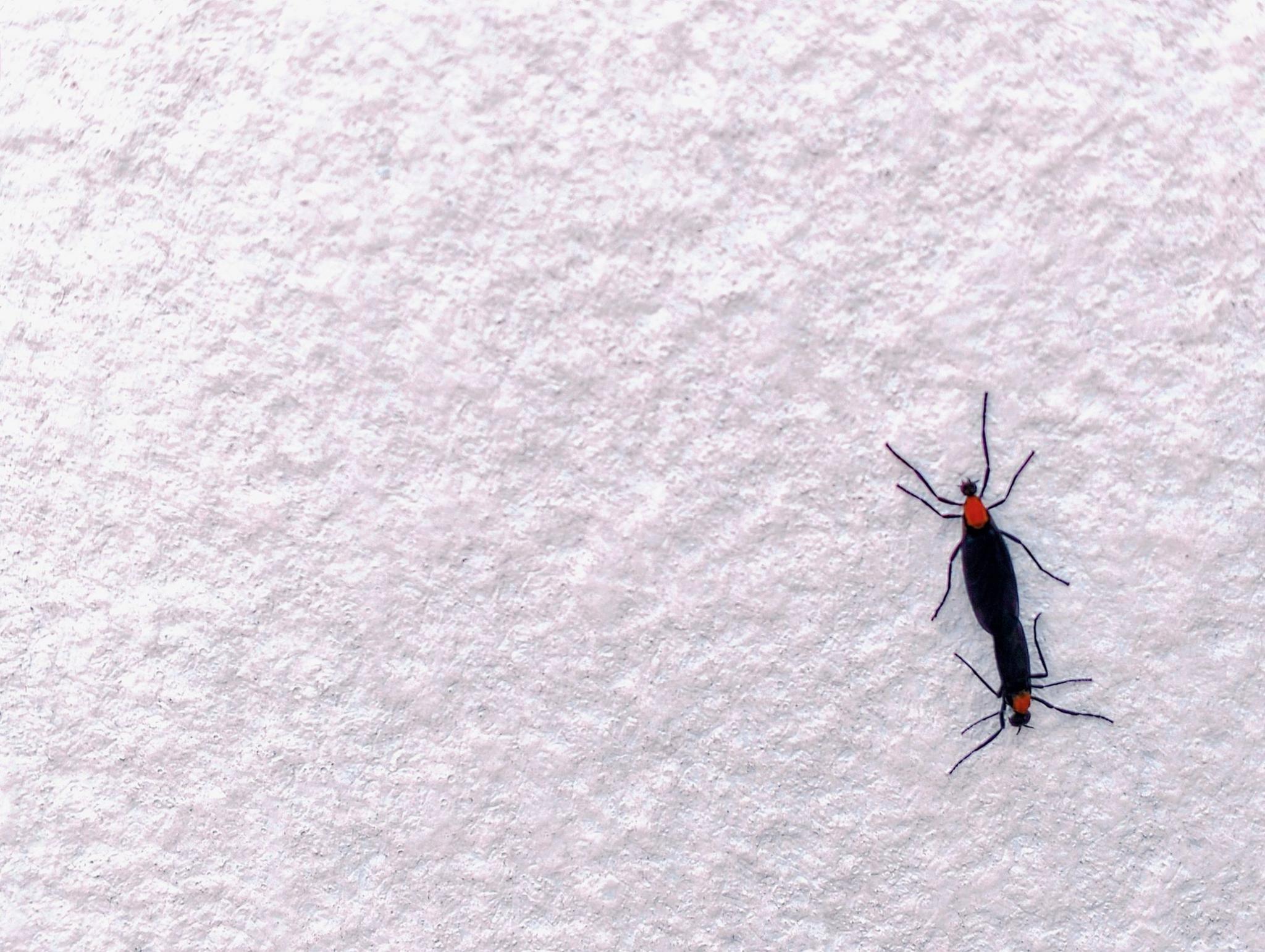
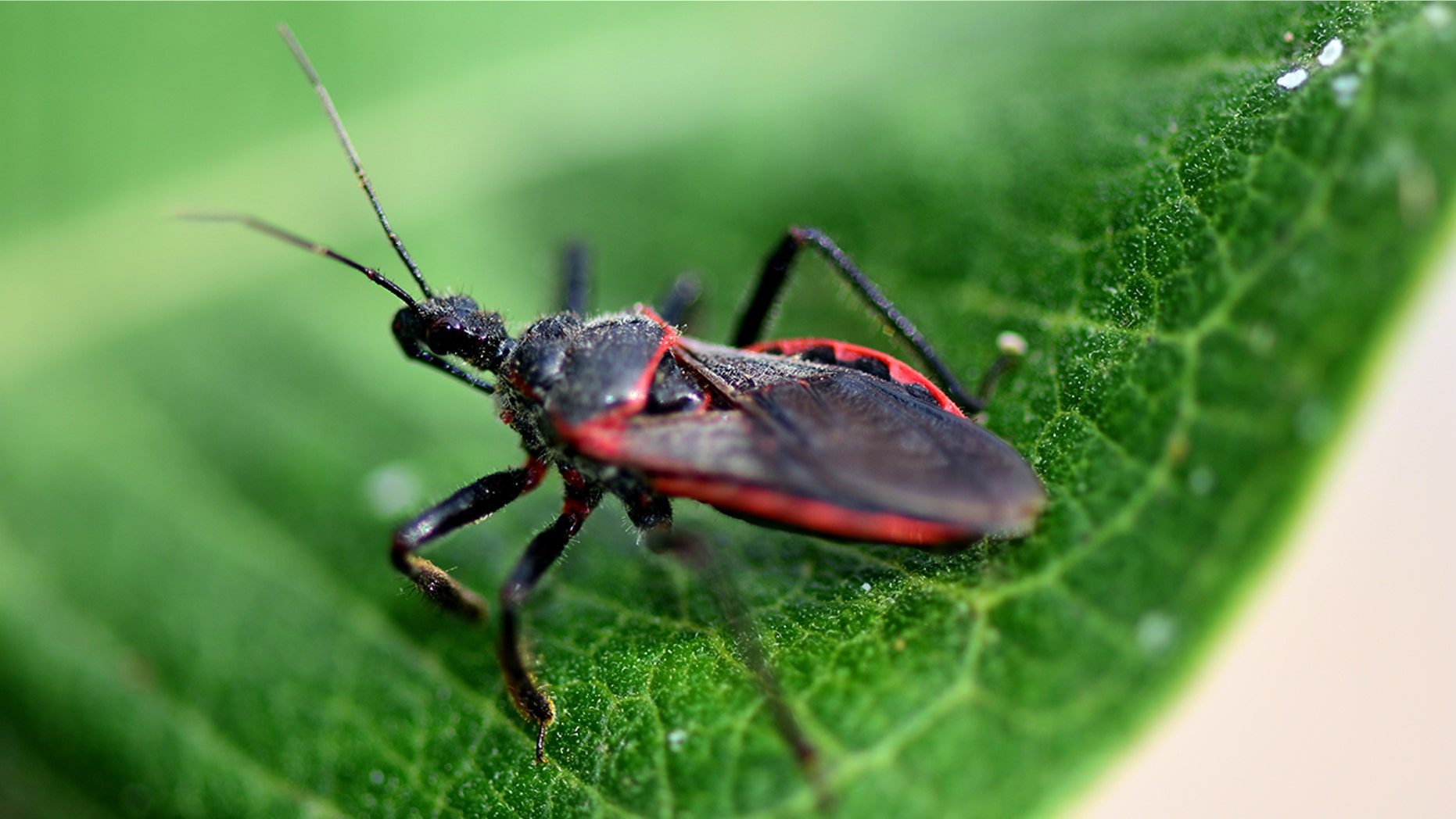
Seoul love bugs (Plecia longiforceps) are not dangerous to humans. They do not bite, sting, or transmit infectious diseases. While their massive swarms can be a significant nuisance in urban environments, these insects are ecologically beneficial decomposers that pose no physical threat to people, pets, or the structural integrity of homes.
As we move through the 2026 summer season, the sight of thousands of coupled insects—commonly known as "love bugs"—has once again become a staple of the Seoul metropolitan landscape. First gaining widespread public attention in 2022, these insects have expanded their reach from the northwestern districts of Eunpyeong and Seodaemun to nearly every corner of the capital. Despite their intimidating numbers and the "creepy-crawly" factor of their mating flights, scientific consensus remains firm: they are harmless neighbors in the urban ecosystem.
Identifying the Seoul Love Bug: Plecia Longiforceps
To understand why these insects are not dangerous, it is essential to identify what they actually are. The "Seoul love bug" is a member of the Bibionidae family, specifically the species Plecia longiforceps. They earned their nickname because they are almost always seen in pairs, joined at the abdomen during their mating phase, which lasts for several days of their brief adult lives.
Physical Characteristics and Behavior
Adult love bugs are relatively small, typically measuring between 6 to 10 millimeters in length. They are characterized by their black bodies and a distinctive reddish-orange thorax. They are slow, clumsy fliers, which often leads to them bumping into pedestrians or congregating on bright surfaces.
Unlike mosquitoes or midges, love bugs do not possess mouthparts designed for piercing skin or sucking blood. Their primary focus during their adult stage, which lasts only about 3 to 7 days, is reproduction. They feed primarily on nectar from flowers, providing a small but measurable service as pollinators during their short lifespan.
The Life Cycle of a Decomposer
Before they emerge as the flying nuisances we see in the city, love bugs spend the majority of their lives as larvae in the soil. They thrive in damp, organic-rich environments, such as the leaf litter found on the slopes of Bukhansan, Inwangsan, and other mountain ridges surrounding Seoul.
As larvae, they perform a vital ecological function: they consume decaying organic matter, breaking it down into nutrient-rich soil. This process is essential for forest health. The recent "outbreaks" in Seoul are largely attributed to specific climate conditions—warmer winters and humid, early-summer rains—that allow a higher percentage of larvae to survive and emerge simultaneously.
Assessing Health and Safety Risks
When a new biological phenomenon occurs in a densely populated city, the primary concern is public health. However, the Korea Disease Control and Prevention Agency (KDCA) and local entomologists have consistently verified that Plecia longiforceps does not pose a medical threat.
Do They Bite or Sting?
Love bugs lack a stinger and do not have the mandibles required to bite humans or animals. They do not have venom glands. If one lands on you, the most you will feel is the slight tickle of its legs. They are not aggressive and do not swarm humans in an attempt to attack; rather, they are simply poor navigators attracted to the heat and carbon dioxide emitted by buildings and vehicles.
Disease Transmission
One of the greatest fears regarding urban insects is the spread of zoonotic diseases (such as malaria or Zika virus carried by mosquitoes). Love bugs are not "vectors." Because they do not feed on blood, there is no mechanism for them to pick up pathogens from one host and transmit them to another. They are biologically incapable of spreading the types of diseases typically associated with urban pests.
Potential for Allergies
While they are not toxic, like any organic matter, the presence of massive quantities of dead insects could theoretically trigger respiratory issues in highly sensitive individuals if the remains are pulverized into dust. However, there have been no significant clinical reports of "love bug allergies" in the Seoul metropolitan area since the swarms began in 2022. The primary "injury" caused by these insects remains psychological—the "ick factor" of walking through a cloud of mating bugs.
Impact on Property and Vehicles
While humans are safe, your property—specifically your car—might require a bit more attention during a love bug swarm. This is where the insects transition from "harmless" to "nuisance."
Damage to Automotive Paint
The most documented "danger" of love bugs is actually to vehicle aesthetics. The body fluids of love bugs are slightly acidic. When these insects are crushed against a car’s grille or hood at high speeds, their remains can begin to etch into the clear coat of the paint if left under the sun for too long.
In the heat of a Seoul summer, the sun "bakes" the remains onto the surface, making them difficult to remove and increasing the risk of permanent staining. This is not a unique trait of the Seoul species; it is a well-known issue with the Plecia nearctica species found in the southern United States.
Impact on Home Maintenance
Love bugs are attracted to light-colored surfaces and heat. It is common to find hundreds of them clustered around window frames, white walls, and outdoor lighting fixtures. While they do not eat wood, fabric, or food stored in pantries, their presence can be overwhelming. If they find their way indoors through gaps in window screens, they eventually die of dehydration, leaving behind small piles of carcasses that require cleaning.
| Feature | Seoul Love Bug (Plecia longiforceps) | Mosquito | House Fly |
|---|---|---|---|
| Bites/Stings | No | Yes | No |
| Disease Vector | No | Yes (Malaria, Zika, etc.) | Yes (Cholera, Typhoid) |
| Primary Diet | Nectar / Decaying Matter | Blood (females) / Nectar | Waste / Human Food |
| Activity Peak | June - July (Diurnal) | Summer (Crepuscular/Nocturnal) | Year-round (Diurnal) |
| Human Risk | Nuisance Only | High (Health Risk) | Moderate (Sanitation) |
| Ecological Role | Decomposer / Pollinator | Prey for birds/bats | Decomposer |
Why Seoul? The 2026 Environmental Context
The persistence of love bug swarms in 2026 is not a sign of an ecological collapse, but rather a sign of a shifting climate. Seoul's "Urban Heat Island" effect, combined with the lush green belts provided by the city's mountain parks, creates a perfect "goldilocks" zone for Plecia longiforceps.
- Increased Humidity: The rainy seasons in Korea have become more erratic, with high-humidity pockets occurring earlier in the year. This moisture is critical for larval survival.
- Urban Heat: Concrete and asphalt retain heat, attracting the adult bugs which seek out warm surfaces for mating.
- Lack of Natural Predators: While birds, spiders, and dragonflies eat love bugs, the sudden emergence of millions of insects at once creates "predator satiation." There are simply too many bugs for the local predators to eat, allowing the majority to survive their full life cycle.
The Seoul Metropolitan Government has largely moved away from intensive chemical fogging to control love bugs. This is because non-selective insecticides also kill beneficial insects like bees and butterflies. Furthermore, since love bugs are not a health threat, the environmental cost of mass poisoning is deemed too high. Instead, the focus has shifted to public education and physical prevention.
Practical Management and Prevention Strategies
Since we cannot—and should not—eliminate love bugs from the ecosystem, the best approach is management. If you are living or traveling in Seoul during a swarm, follow these steps to minimize the nuisance.
Indoor Prevention
- Check Your Screens: Love bugs are small and can squeeze through tears in window mesh. 2026 standards for "fine mesh" screens (finer than 20x20 mesh) are highly effective at keeping them out.
- Yellow Lighting: Like many insects, love bugs are attracted to the UV spectrum of white and blue lights. Switching outdoor bulbs to "bug lights" (yellow LEDs) can significantly reduce the number of insects congregating near your entrances.
- Citrus Scents: There is anecdotal evidence and some preliminary studies suggesting that love bugs dislike the scent of citrus. Using citrus-based cleaners around window sills may act as a mild deterrent.
Vehicle Care
- Waxing: Applying a fresh coat of wax or a ceramic coating before the June swarm makes it much harder for the acidic remains to bond with the paint.
- Prompt Cleaning: If you drive through a swarm, wash your car as soon as possible. Use a specialized bug-and-tar remover or a simple solution of warm water and soap. Allowing the insects to soak for a few minutes before scrubbing will prevent paint scratches.
- Netting: Some long-distance drivers in Korea now use temporary mesh covers over the radiator grille to prevent the insects from clogging the cooling system.
Personal Interaction
- Avoid Bright Clothing: If you are hiking in areas like Bukhansan, avoid wearing bright white or neon yellow, as these colors are highly attractive to love bugs. Darker colors like navy or forest green are less likely to attract "hitchhikers."
- Vacuuming: If they get into your home, don't swat them against the wall, as this can leave a smudge. Use a vacuum cleaner to collect them quickly and hygienically.
The Ecological Silver Lining
It is easy to view the love bug as an "enemy," but entomologists urge a more balanced perspective. The presence of Plecia longiforceps is actually a sign of a productive soil ecosystem. In the mountains surrounding Seoul, these insects are hard at work recycling nutrients that keep the forests green.
Their role as a food source for migratory birds in early summer is also significant. While the "outbreak" feels like a plague, it is a temporary biological event—a "pulse" in the ecosystem that usually disappears as quickly as it arrives, typically within two to three weeks.
Frequently Asked Questions
Are love bugs poisonous if my dog eats them?
No, love bugs are not known to be toxic to dogs or cats. However, if a pet consumes a very large quantity of them, the chitin (the hard outer shell) might cause minor gastrointestinal upset or vomiting, similar to eating too much grass or other insects.
Why do they seem to follow me?
They aren't actually following you. Love bugs are attracted to the carbon dioxide you exhale and the heat your body radiates. They are also attracted to the vibrations of engines and the bright colors of modern clothing.
Does the government spray pesticides for them?
In 2026, most Seoul districts have limited or stopped large-scale chemical spraying for love bugs. This is because love bugs are not "vermin" (like cockroaches) or "vectors" (like mosquitoes). The government prioritizes the protection of the water supply and beneficial pollinators over the temporary removal of a non-dangerous nuisance.
How long does the love bug season last?
The peak swarming period in Seoul usually lasts for 15 to 20 days. It typically begins in late June and concludes by mid-July, coinciding with the onset of the heavy monsoon rains which wash away the remaining adult populations.
Can love bugs damage the structure of my house?
No. Love bugs do not eat wood, insulation, or wiring. They are purely "accidental" guests in human structures and do not cause any functional damage to buildings.
Recommendations for Seoul Residents
If you find yourself in the middle of a love bug swarm in 2026, the best course of action is patience and physical exclusion. Do not invest in expensive chemical foggers or "zappers," which are often ineffective against the sheer volume of these insects and harmful to the local environment.
Instead, ensure your home’s physical barriers—screens and door sweeps—are in good repair. For those concerned about their vehicles, a proactive waxing and a quick rinse after driving through affected areas will prevent any permanent paint damage. Remember that within a fortnight, the swarms will vanish as naturally as they appeared, leaving behind a slightly healthier forest soil for the coming year.