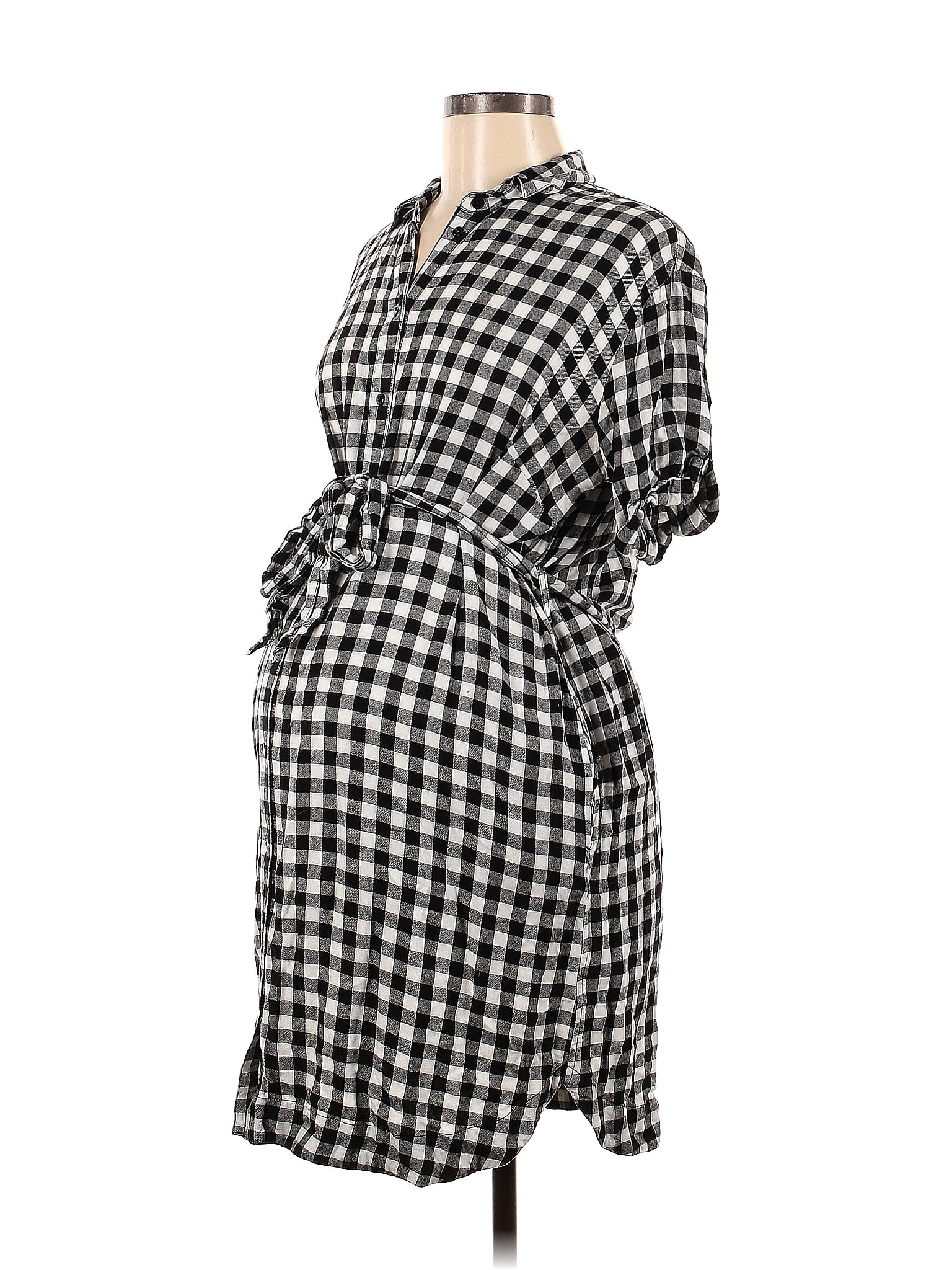
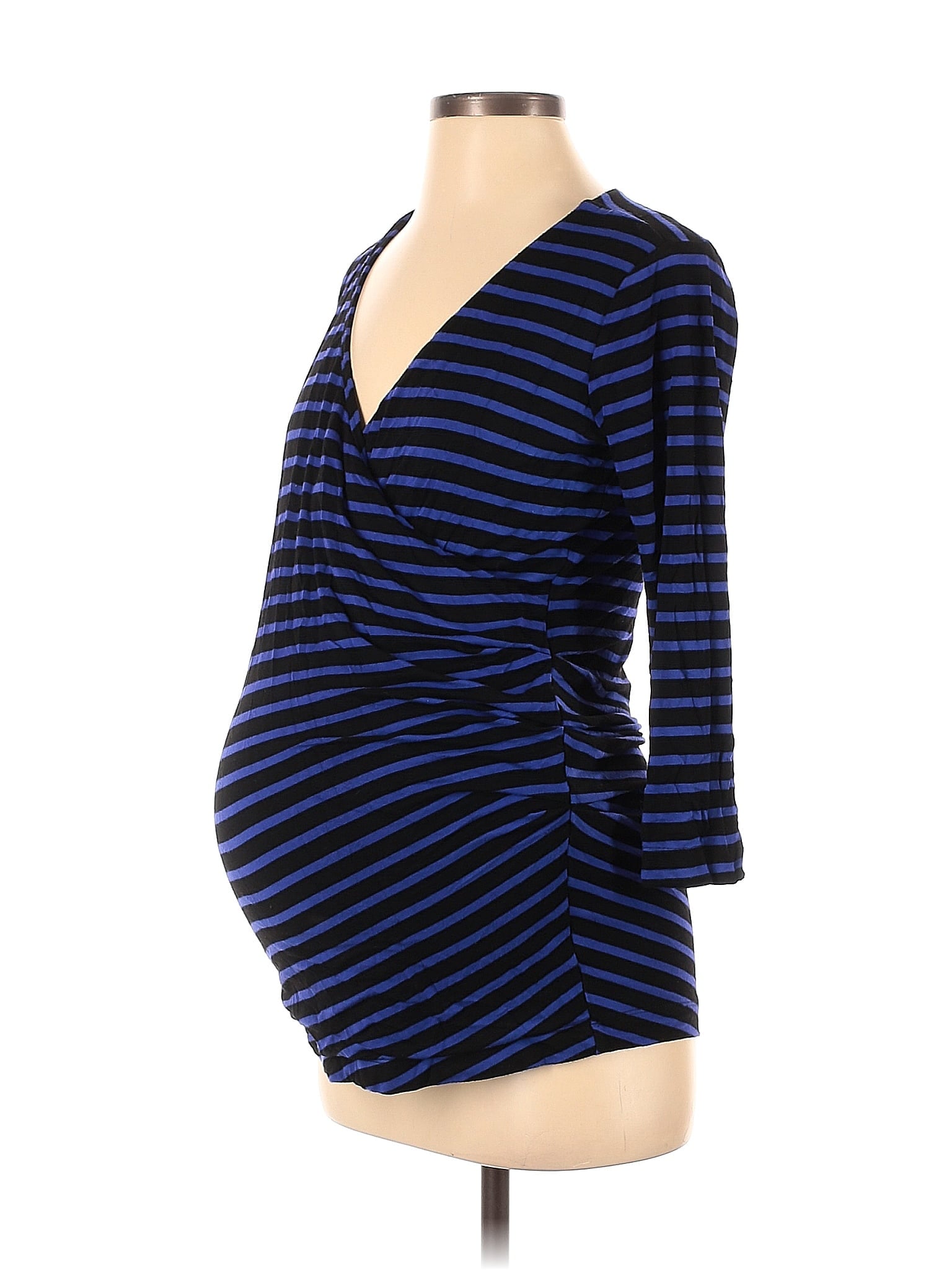
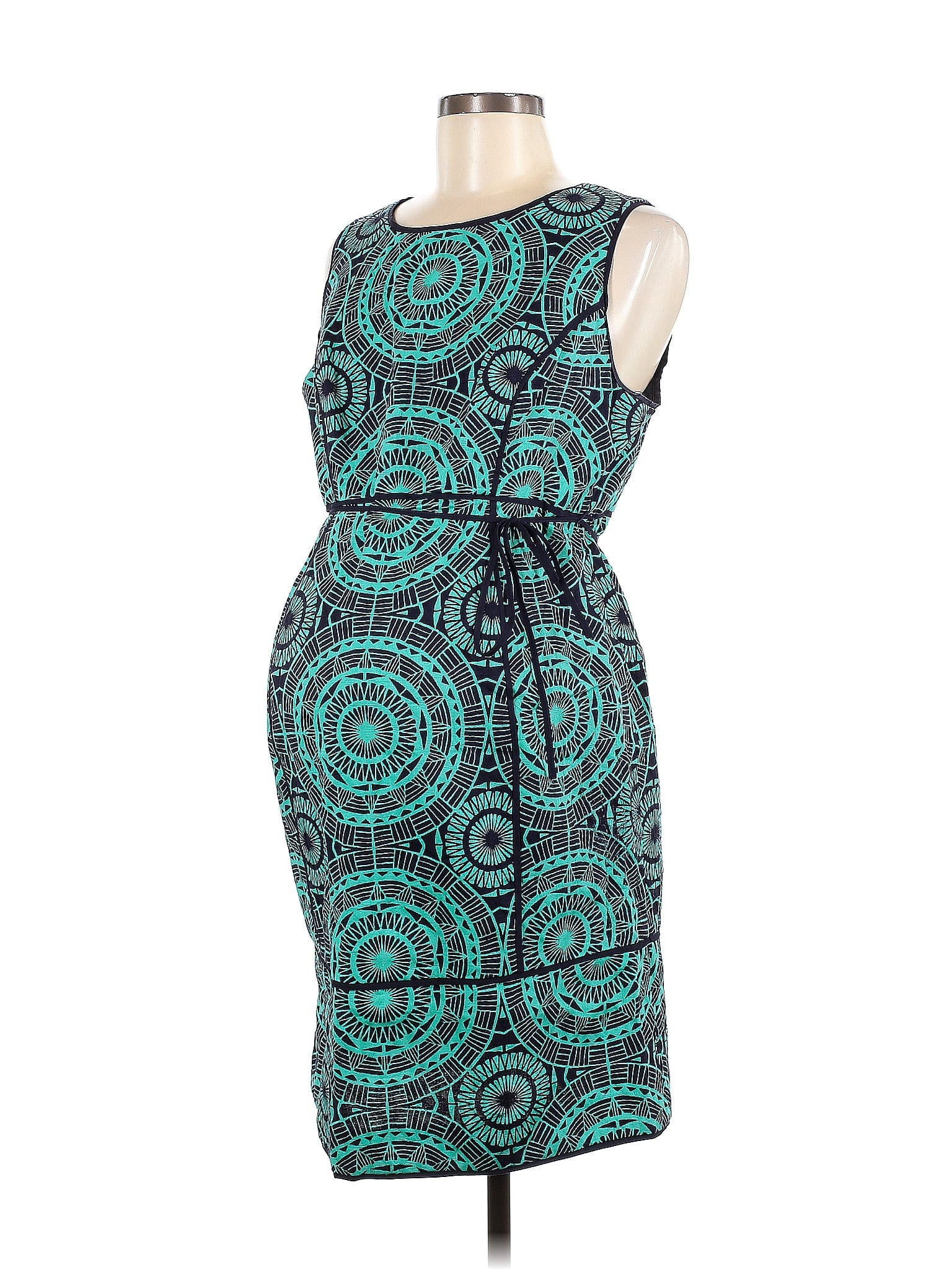
A Pea in the Pod dresses represent the premium segment of maternity fashion, offering high-end fabrics, designer collaborations, and tailored silhouettes designed to fit throughout all stages of pregnancy. In 2026, the brand continues to focus on "luxury-to-wear" designs that prioritize comfort without sacrificing sophisticated aesthetics, often utilizing advanced stretch technology and sustainable textiles to ensure longevity from the first trimester through postpartum recovery.
Selecting the right maternity wardrobe is a significant milestone in the pregnancy journey. For many, A Pea in the Pod serves as the primary destination for elevated maternity wear that mirrors contemporary non-maternity fashion trends. Whether you are searching for a professional sheath dress for the office, a breathable maxi for weekend outings, or an intricate lace gown for a baby shower, understanding the brand’s construction methods, sizing nuances, and fabric choices is essential for making a sound investment.
The Evolution of Premium Maternity Fashion
Maternity fashion has undergone a radical transformation over the last decade. Gone are the days when pregnancy clothing was synonymous with oversized, shapeless smocks. A Pea in the Pod has been at the forefront of this shift, positioning itself as a "designer" alternative to its sister brand, Motherhood Maternity. By focusing on the "luxe" experience, the brand caters to individuals who want to maintain their personal style identity while their bodies change.
In 2026, the market for A Pea in the Pod dresses is driven by three core pillars: versatility, fabric innovation, and ethical production. Modern consumers are no longer looking for "disposable" clothing that lasts only nine months. Instead, there is a high demand for "transitional" pieces—dresses that look just as flattering with a postpartum bump as they do at 36 weeks gestation. This shift has led the brand to incorporate more nursing-friendly features, such as hidden zippers, surplice necklines, and lift-up panels, effectively doubling the lifespan of each garment.
Understanding Fabric Technology in 2026
The secret to a successful maternity dress lies in its textile composition. A Pea in the Pod utilizes several high-performance fabrics that provide the necessary expansion for a growing belly while retaining their original shape.
Sustainable Synthetics and Natural Blends
As environmental consciousness peaks in 2026, the brand has leaned heavily into Tencel™ Lyocell and Modal. Derived from wood pulp, these fibers are celebrated for their silk-like texture and superior breathability. For pregnant individuals, whose body temperatures often run higher than average, the moisture-wicking properties of these fabrics are a critical functional benefit.
The Role of Power Stretch
Unlike standard stretch fabrics, the "Power Stretch" utilized in A Pea in the Pod’s bodycon and workwear dresses features a higher percentage of high-quality elastane. This ensures that the dress provides "memory fit," meaning it expands significantly without becoming "baggy" or losing its recovery after a day of wear. This is particularly important for formal silhouettes where a crisp, clean line is required.
Luxury Pima Cotton
For casual weekend dresses and t-shirt styles, Pima cotton remains a staple. Known for its extra-long fibers, Pima cotton offers a smoother surface and higher durability than conventional cotton. This prevents pilling and ensures that the dress remains soft against sensitive skin, which can often become itchy or irritated during the second and third trimesters.
Categorizing A Pea in the Pod Dress Styles
To build an efficient maternity wardrobe, it is helpful to categorize dresses by their intended use. A Pea in the Pod typically divides its collection into several distinct "vibes" or functional categories.
1. The Professional Workhorse
Maternity workwear must balance comfort with a professional "executive" look. A Pea in the Pod specializes in sheath dresses and midi-length wrap dresses that accommodate a bump while maintaining structure in the shoulders and bust. These often feature "side-ruching"—a technique where fabric is gathered at the side seams to allow for vertical and horizontal expansion.
2. Event and Occasion Wear
This is perhaps where the brand is most famous. From velvet floor-length gowns to delicate floral lace midi dresses, the occasion wear line is designed for baby showers, weddings, and maternity photo shoots. In 2026, trends have shifted toward saturated jewel tones (emerald, sapphire, and deep plum) and "cold-shoulder" or asymmetrical necklines that provide a modern edge to traditional maternity silhouettes.
3. The Elevated Casual Maxi
Maxi dresses are the "uniform" of the third trimester for many. A Pea in the Pod’s maxi designs often utilize empire waists (the seam sits directly under the bust) to provide maximum room for the abdomen. This construction prevents the "tent" effect by highlighting the narrowest part of the torso before the fabric drapes elegantly over the hips.
4. Nursing and Postpartum Transitions
A significant portion of the 2026 collection is dedicated to "beyond the bump" wear. These dresses look like standard high-end fashion but include discrete nursing access. This category is vital for individuals who want to invest in a $150+ dress and know they can continue wearing it for a year or more after the baby arrives.
Sizing and Fit: How to Choose Your Size
One of the most common points of confusion in maternity shopping is sizing. A Pea in the Pod generally follows the industry standard: you should shop your pre-pregnancy size. If you were a size 6 or a Medium before pregnancy, you would typically be a Medium in their maternity dresses.
Factors to Consider for a Better Fit:
- Bust Changes: If you have experienced a significant increase in bust size (more than one cup size) early in your pregnancy, you may want to consider sizing up in structured, non-stretch fabrics like linen or heavy woven silks.
- Multiple Gestation: Those expecting twins or triplets may find that they outgrow their pre-pregnancy size by the late second trimester and should look for "ultra-stretch" fabrics or styles with adjustable ties.
- The "Fit Model": A Pea in the Pod designs their garments based on a fit model who is in her second or early third trimester. This ensures the proportions are balanced for a realistic pregnancy shape.
Comparison of Maternity Dress Types
The following table compares the three most popular dress constructions found at A Pea in the Pod to help you decide which is best for your current stage and lifestyle.
| Dress Type | Best For | Fabric Commonality | Key Design Feature |
|---|---|---|---|
| Side-Ruched Bodycon | Showing off the bump; Workwear | Cotton/Spandex or Ribbed Knit | Side-seam gathering for maximum stretch |
| Empire Waist Maxi | Comfort; Late 3rd Trimester | Tencel, Rayon, or Chiffon | Seam below the bust; loose skirt |
| Fitted Wrap Dress | Nursing; Professional Settings | Jersey or Matte Jersey | Adjustable waist tie; V-neck access |
| Fit and Flare | Baby Showers; Garden Parties | Lace, Eyelet, or Structured Poplin | Narrow waist with a voluminous skirt |
Designer Collaborations and Exclusives
A hallmark of A Pea in the Pod is its curation of external designer brands tailored for maternity. While the house brand is robust, they frequently carry maternity-adapted lines from labels such as Rachel Pally, Pietro Brunelli, and Nom Maternity.
These collaborations are significant because they bring runway-inspired aesthetics to the maternity world. For example, a Pietro Brunelli dress purchased through A Pea in the Pod often features Italian tailoring and high-fashion prints that are rarely found in mass-market maternity stores. These pieces command a higher price point—often ranging from $180 to $350—but offer a level of sophistication suitable for high-profile events.
Caring for Your Investment
Because A Pea in the Pod dresses often utilize delicate blends like Modal or silk, proper maintenance is required to ensure they last through multiple pregnancies or retain their resale value.
- Wash Cold and Delicate: Heat is the enemy of elastane (spandex). High temperatures break down the fibers that provide the "snap back" in your maternity clothes. Always use cold water and a delicate cycle.
- Avoid the Dryer: Whenever possible, lay your dresses flat to dry. Hanging heavy, wet maternity dresses can sometimes cause the shoulders to stretch out due to the weight of the damp fabric.
- Steaming vs. Ironing: Many maternity fabrics are synthetic blends that can melt under a hot iron. A handheld steamer is a safer and more effective way to remove wrinkles from side-ruching or tiered skirts.
The Resale Market and Value Retention
In 2026, the "circular economy" is a major factor in luxury fashion. A Pea in the Pod dresses hold their value remarkably well on secondary markets like Poshmark, Mercari, and specialized maternity resale platforms. Because the brand is recognized for quality, a gently used $150 dress can often be resold for $60–$80, significantly offsetting the initial cost of the maternity wardrobe. This "cost-per-wear" logic makes the premium price tag more palatable for budget-conscious but style-oriented shoppers.
Frequently Asked Questions
Are A Pea in the Pod dresses worth the higher price compared to Motherhood Maternity?
Yes, generally. While both brands are under the same corporate umbrella, A Pea in the Pod uses higher-grade fabrics, more complex tailoring (like reinforced seams and lined skirts), and trend-forward designs. If you need a dress to survive frequent washing or a high-stakes professional environment, the investment in A Pea in the Pod is usually justified by the garment's durability and fit.
Can I wear these dresses if I am not pregnant?
Many of the "transitional" and "nursing" styles are designed specifically to look like standard contemporary fashion. Styles with empire waists or wrap closures are particularly forgiving and can easily be worn postpartum or by anyone who prefers those silhouettes. However, side-ruched bodycon styles are specifically patterned for a bump and may have excess fabric at the midsection if worn without one.
How do I know if a dress is nursing-friendly?
Look for keywords in the product description such as "surplice neckline," "button-down," "wrap," or "nursing access." In the 2026 collection, many dresses feature hidden zippers along the bust line or "lift-up" overlays that allow for discreet breastfeeding or pumping without needing to remove the entire garment.
Does the brand offer petite or tall sizing in dresses?
A Pea in the Pod primarily focuses on standard sizing (XS–XL), but many of their midi and maxi dresses are designed with hemlines that are "tailor-friendly." Some specific designer collaborations within the store may offer a wider range of proportions, but it is always recommended to check the specific "Size & Fit" tab for length measurements.
What is the best dress style for a first-trimester "bloat" phase?
The "Fit and Flare" or a loose-fitting "Shift" dress is ideal for the transition period. These styles do not cling to the midsection, allowing you to remain comfortable while your body undergoes early changes before a defined "bump" appears.
Final Recommendation
When investing in A Pea in the Pod dresses, prioritize versatility. For the best value, select at least one high-quality black midi dress in a jersey or modal blend that can be dressed up with a blazer for work or down with sneakers for the weekend. If you have a specific event like a baby shower, look for Pietro Brunelli or specialized lace styles that offer the unique "wow factor" the brand is known for. By focusing on "pre-pregnancy sizing" and opting for natural fiber blends, you ensure a wardrobe that is not only stylish but also supportive of your physical comfort throughout 2026 and beyond.