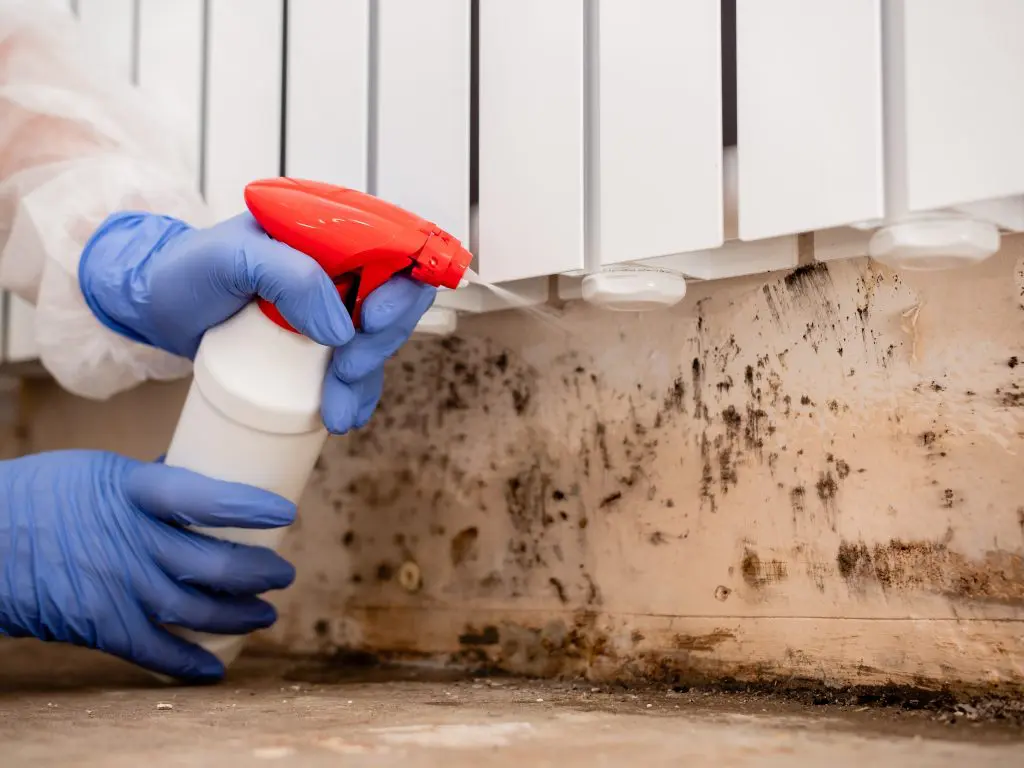
When toxic mold infiltrates a living space, structural integrity, indoor air quality, and the health of occupants are compromised. A professional mold remediation company in Toronto can restore your home by identifying the underlying moisture source, containing the affected zones, deploying industrial air filtration, safely removing contaminated materials, and applying professional antimicrobial treatments to prevent future growth.
Understanding the Toronto Climate and Mold Vulnerabilities
Toronto’s unique continental climate features humid summers and freezing, precipitation-heavy winters. This environmental dynamic creates ideal conditions for indoor fungal growth. Residential properties across the Greater Toronto Area (GTA)—ranging from Victorian homes in Cabbagetown to high-rise condominiums downtown and suburban builds in Scarborough—frequently encounter moisture management challenges.
During winter, warm indoor air meets cold exterior walls, resulting in condensation. In the spring and summer, high relative humidity combined with heavy rainfall can overwhelm residential basements, crawlspaces, and poorly ventilated attics. When moisture accumulates unchecked for 24 to 48 hours, mold spores begin to colonize organic building materials such as drywall, wood framing, insulation, and carpeting.
Recognizing that mold is not merely an aesthetic nuisance but a biological hazard is the first step toward proper property recovery. Fungal colonies release millions of microscopic spores and mycotoxins into the air stream, which circulate through forced-air HVAC systems. Left unaddressed, localized dampness evolves into systemic contamination, requiring specialized intervention.
The Professional Mold Remediation Process: Step-by-Step
Engaging a certified mold remediation company in Toronto involves a rigorous, multi-phase protocol designed to protect the unaffected areas of the home while permanently eliminating the infestation. Professional restoration technicians adhere to established industry guidelines, such as those set by the Institute of Inspection Cleaning and Restoration Certification (IICRC S520 Standard for Professional Mold Remediation).
1. Comprehensive Assessment and Moisture Detection
Before any physical removal begins, technicians perform a thorough diagnostic evaluation. They use thermal imaging cameras, moisture meters, and hygrometers to trace water migration paths behind walls and beneath flooring. Identifying the root cause—whether it is a leaking foundation, a compromised roof shingle, or a malfunctioning plumbing stack—is essential to ensure the mold does not return.
2. Containment and Negative Air Pressure
To prevent cross-contamination, technicians isolate the work area using heavy-duty polyethylene barriers. They establish negative air pressure within the containment zone utilizing specialized Air Scrubbers equipped with High-Efficiency Particulate Air (HEPA) filters. This ensures that any airborne spores dislodged during the cleaning process are captured immediately and expelled safely outside the building envelope, rather than migrating into clean living spaces.
3. Safe Removal and Disposal of Contaminated Materials
Porous and semi-porous materials deeply penetrated by mold hyphae—such as drywall, insulation, and particleboard—cannot be effectively salvaged and must be carefully bagged and discarded in accordance with local environmental regulations. Non-porous surfaces like metal, glass, and certain plastics can often be cleaned and sanitized.
4. HEPA Vacuuming and Antimicrobial Application
Once structural drying and physical removal are complete, technicians perform comprehensive HEPA vacuuming on all remaining framing and surfaces within the containment zone. They then apply EPA-registered antimicrobial agents, fungicidal coatings, or encapsulants to neutralize microscopic residue and inhibit future fungal germination.
Comparing Professional Remediation Versus DIY Cleaning
Many homeowners attempt to resolve mold issues using household bleach and standard cleaning supplies. However, improper handling often exacerbates the problem by dispersing spores throughout the home.
| Feature / Factor | DIY Mold Cleanup | Professional Remediation Company |
|---|---|---|
| Root Cause Analysis | Rare; focuses only on surface stains. | Comprehensive; identifies hidden leaks and moisture sources. |
| Containment | None; risks spreading spores to other rooms. | Advanced physical barriers with negative air pressure. |
| Equipment | Household sprays, sponges, and standard vacuums. | Industrial HEPA air scrubbers, dehumidifiers, and thermal cameras. |
| Safety Protocols | Minimal personal protection equipment (PPE). | Full PPE, respirators, and adherence to IICRC S520 standards. |
| Long-Term Guarantee | Low; mold frequently returns if moisture persists. | High; includes structural drying and preventative treatments. |
Health Risks Associated with Indoor Fungal Infestations
Exposure to indoor mold can trigger a range of adverse health effects, particularly among vulnerable populations such as children, the elderly, individuals with compromised immune systems, and those suffering from asthma or chronic obstructive pulmonary disease (COPD).
Inhaling or touching mold spores can cause allergic reactions characterized by sneezing, runny noses, red eyes, and skin rashes. More severe reactions include hypersensitivity pneumonitis, frequent asthma attacks, and chronic sinus infections. Beyond physical health impacts, living in a damp, musty environment can degrade indoor environmental quality (IEQ), contributing to chronic fatigue and headaches. Hiring a professional restoration team ensures that these biological contaminants are permanently eliminated from the indoor air ecosystem.
Insurance Coverage and Financial Considerations in Toronto
Navigating property insurance claims for mold damage can be complex. Standard homeowners' insurance policies in Ontario typically cover mold remediation only if the fungal growth is the direct result of a sudden, accidental, and insured peril—such as a burst pipe or a sudden roof collapse.
Conversely, damage resulting from long-term, chronic maintenance issues—such as a slow, unaddressed shower leak or rising groundwater seepage over several years—is generally excluded from coverage. Homeowners should review their policy wordings carefully and consult with their insurance broker immediately upon discovering water damage to determine if mitigation costs qualify for reimbursement. Professional remediation companies often assist by providing detailed documentation, thermal imaging reports, and moisture logs required by insurance adjusters.
Preventing Future Mold Growth in Your Toronto Home
Once a professional restoration company has restored your property, implementing long-term preventative measures protects your investment and ensures a healthy indoor environment.
- Control Indoor Humidity: Keep relative humidity levels below 50% throughout the year by utilizing high-capacity dehumidifiers in basements and running exhaust fans in kitchens and bathrooms during and after moisture-producing activities.
- Inspect and Maintain Plumbing: Regularly check under sinks, around toilets, and behind washing machines for signs of leaks or pipe corrosion.
- Ensure Proper Ventilation: Verify that clothes dryers vent directly to the outdoors and that attic spaces have unobstructed soffit and ridge vents to prevent condensation buildup.
- Address Water Intrusions Immediately: If a basement floods or a pipe bursts, extract standing water and set up commercial drying equipment within 24 to 48 hours to thwart spore germination.
By partnering with an experienced mold remediation company in Toronto and maintaining rigorous moisture control practices, homeowners can successfully restore their properties, protect their health, and preserve their long-term structural value.