William Shakespeare’s A Midsummer Night’s Dream is classified as a romantic comedy because it follows a traditional narrative trajectory from social disorder to matrimonial harmony. Written in the mid-1590s, the play utilizes mistaken identities, supernatural intervention, and a "green world" setting to resolve conflicts that initially threaten the characters with death or exile.
The Definitive Structure of Shakespearean Comedy
To understand why A Midsummer Night’s Dream is a comedy, one must first look beyond the modern definition of "comedy" as merely something that evokes laughter. In the Elizabethan theatrical tradition, a comedy was defined by its structure and its resolution. While tragedies end in the death of the protagonist and the collapse of the social order, comedies end in the restoration of order, typically symbolized by one or more marriages.
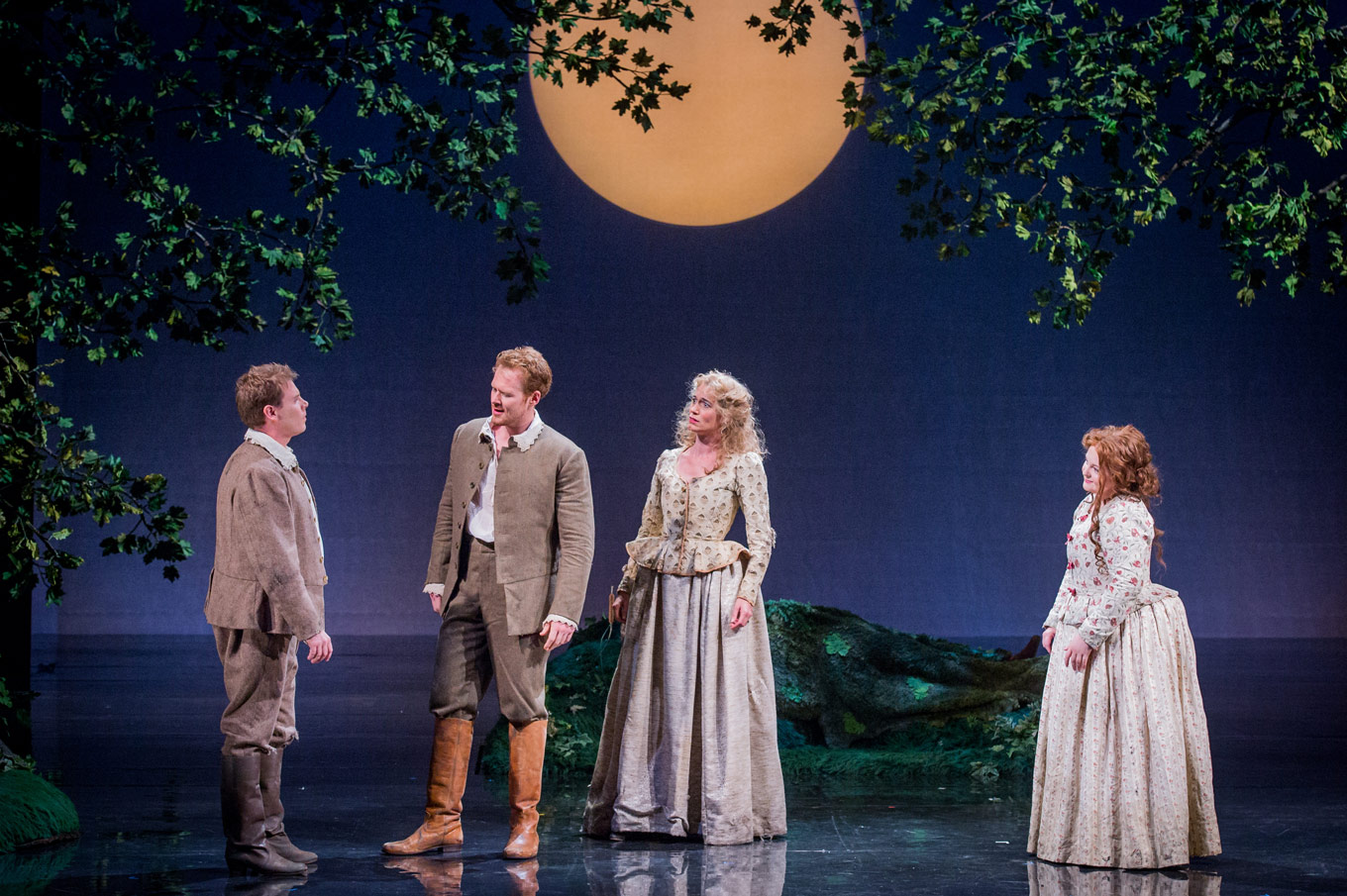
The play follows a classic three-part movement: the departure from a restrictive society, a period of chaos and transformation in a lawless environment, and a return to a reformed society. In the opening scenes in Athens, the atmosphere is anything but lighthearted. Hermia is faced with a dire ultimatum from her father, Egeus: marry Demetrius, face execution, or enter a nunnery. This "blocking figure" (a common trope in comedy) creates the initial tension. However, the movement of the four lovers into the woods shifts the play from the rigid laws of man to the fluid, unpredictable laws of nature and magic.
By 2026, literary scholars continue to emphasize that the play’s comedic status is cemented by its final act. The multiple weddings of Theseus and Hippolyta, Lysander and Hermia, and Demetrius and Helena serve as a social glue, mending the fractured relationships established in Act I. The threat of death is entirely evaporated, replaced by communal celebration and the "play-within-a-play" performed by the Mechanicals, which parodies the very tragic themes the lovers narrowly escaped.
The Role of the "Green World" in Comedic Transformation
Literary critic Northrop Frye famously coined the term "the green world" to describe the setting of Shakespearean comedies like A Midsummer Night’s Dream. The forest outside Athens serves as this transformative space. In the city, the characters are bound by patriarchal law and social status. In the forest, these boundaries dissolve.
The green world is a place of magic and metamorphosis. It is here that the comedy of errors truly takes flight. The shift in setting allows for:
- The Suspension of Reality: Characters can be transformed physically (as seen with Bottom’s donkey head) and emotionally (through the love-in-idleness flower).
- The Resolution of Conflict: The irrationality of the forest allows for the irrationality of love to be sorted out. In the "real world" of Athens, Demetrius’s refusal to love Helena is a legal and social stalemate; in the forest, magical intervention corrects the imbalance.
- Psychological Release: The characters undergo a "dream" state where their deepest anxieties and desires are played out, allowing them to return to the city with a clearer sense of self and partnership.
This transition is essential to the comedic genre because it suggests that society periodically needs to "lose itself" in nature to renew its vitality. The forest isn't just a backdrop; it is the engine of the comedy’s resolution.
Supernatural Intervention and the Comedy of Errors
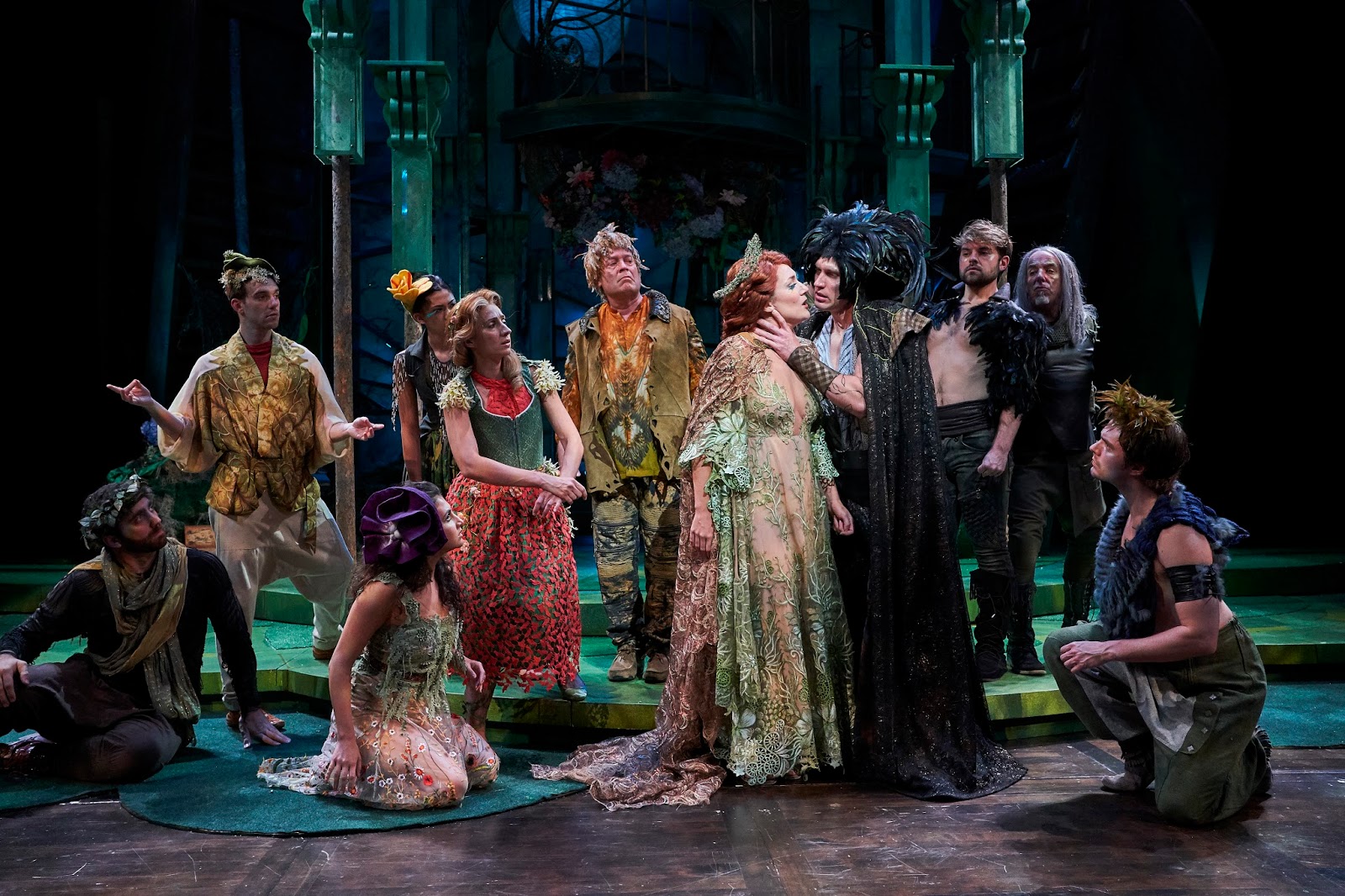
A hallmark of this play’s comedic identity is the presence of the fairies, led by Oberon and Titania. Their domestic dispute over a "changeling boy" mirrors the romantic turbulence of the human characters, suggesting that the chaos of love is a universal, even cosmic, phenomenon.
The character of Robin Goodfellow, or Puck, serves as the quintessential "trickster" figure. His accidental application of the love potion to the wrong Athenian’s eyes—Lysander instead of Demetrius—creates the "comedy of errors" that drives the middle acts. This creates a farcical situation where both men, who previously loved Hermia, suddenly pursue Helena. The humor arises from the dramatic irony; the audience knows the cause of the madness, while the characters are genuinely distressed by their shifting loyalties.
The use of magic in the play also serves a vital technical function in the comedy: it provides a "deus ex machina" that resolves human problems that have no logical solution. Without Oberon’s intervention to make Demetrius love Helena, the play could easily have drifted toward tragedy. By using the supernatural, Shakespeare ensures a happy ending without violating the internal logic of the human characters' stubbornness.
The Mechanicals and the Function of Farce
While the lovers provide the romantic comedy, the "Rude Mechanicals"—a group of working-class craftsmen—provide the farce. Led by the overconfident Nick Bottom, this group attempts to rehearse and perform a play for the Duke’s wedding. Their presence serves several comedic functions:
- Low Comedy vs. High Comedy: The Mechanicals’ physical humor and linguistic blunders (malapropisms) provide a "low" comedic contrast to the more intellectual and poetic "high" comedy of the aristocrats and fairies.
- Parody of Tragedy: They choose to perform Pyramus and Thisbe, a story of two lovers who commit suicide due to a misunderstanding. This is essentially the plot of Romeo and Juliet. By presenting this story as a botched, hilarious amateur production, Shakespeare parodies his own tragic themes, signaling to the audience that in this world, death is not a real threat.
- Metatheater: The "play-within-a-play" reminds the audience that they are watching a performance. This layer of detachment is common in comedies, as it encourages the audience to laugh at the absurdity of the human condition rather than becoming emotionally devastated by it.
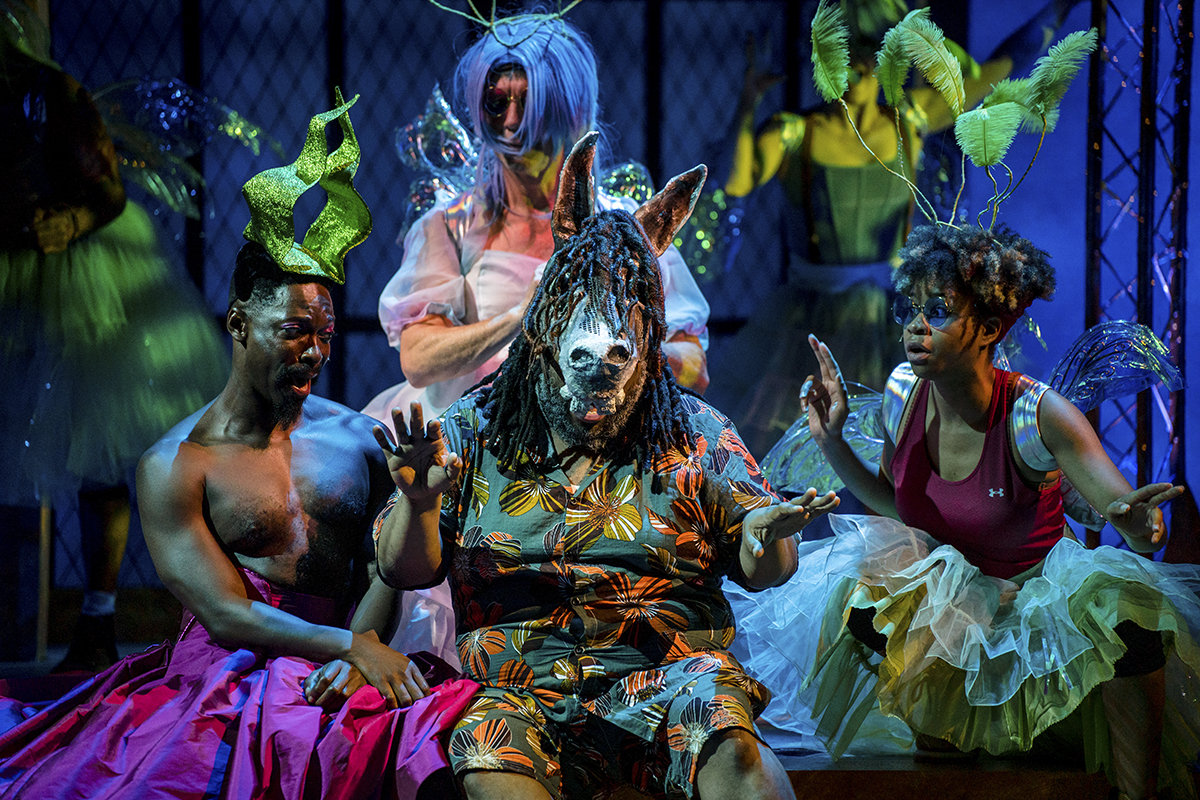
Bottom’s transformation into an ass (donkey) is the visual pinnacle of the play's farce. It literalizes the metaphor of someone being a "jackass" and creates a hilarious juxtaposition when the elegant Fairy Queen, Titania, falls in love with him under a magic spell. This subversion of social and natural hierarchies is a core ingredient of the comedic recipe.
Comparing Character Groups in A Midsummer Night’s Dream
The interplay between the three distinct groups of characters is what gives the play its depth. Each group experiences the "comedy" differently.
| Character Group | Primary Motivation | Nature of Humor | Key Thematic Element |
|---|---|---|---|
| The Lovers (Hermia, Lysander, etc.) | Romantic fulfillment and escape from law. | Mistaken identity and romantic confusion. | The irrationality and fickleness of youthful love. |
| The Fairies (Oberon, Titania, Puck) | Power, domestic dominance, and mischief. | Supernatural pranks and cosmic irony. | The influence of fate and the natural world on humanity. |
| The Mechanicals (Bottom, Quince, etc.) | Social advancement and artistic pride. | Farce, slapstick, and linguistic errors. | The gap between ambition and ability; the joy of theater. |
| The Aristocrats (Theseus, Hippolyta) | Social order and the celebration of marriage. | Dry wit and observational commentary. | The restoration of law and the stability of the state. |
Linguistic Devices and Wordplay
Shakespeare uses specific linguistic tools to signal the comedic tone. Malapropisms—the mistaken use of a word in place of a similar-sounding one, often with an unintentionally amusing effect—are frequent among the Mechanicals. For example, Bottom says "odious" when he means "odorous," or "confer" when he means "convoke." These errors characterize the Mechanicals as earnest but uneducated, making them endearing to the audience.
Furthermore, the play uses varied verse forms to distinguish between the groups. The fairies often speak in rhyming tetrameter, which gives them a light, "magical" quality. The lovers speak in iambic pentameter, often in rhyming couplets when they are in the height of their romantic confusion, emphasizing the artificiality and performative nature of their "dying" love. Theseus and Hippolyta speak in blank verse (unrhymed iambic pentameter), reflecting their status and stability. The Mechanicals primarily speak in prose, grounding them in the mundane world. This linguistic hierarchy is a standard tool in Elizabethan comedy to organize a complex cast of characters.
The Subtle Darkness: Why It Isn't a "Simple" Comedy
While the play is undeniably a comedy, it contains "dark" elements that provide the necessary contrast to make the resolution satisfying. The threat of the "sharp Athenian law," the volatile jealousy of Oberon, and the blurred lines of consent caused by the love potion are all potential sources of tragedy.
Modern productions in 2026 often explore these darker undertones—such as the inherent cruelty in how Helena is treated or the predatory nature of Puck’s pranks. However, these elements do not change the genre; rather, they align with the classical definition of comedy, which requires a "winter" (hardship/threat) to precede the "spring" (resolution/marriage). The comedy is not found in the absence of problems, but in the miraculous and joyful way those problems are overcome.
Frequently Asked Questions
Is A Midsummer Night's Dream considered a "dark" comedy?
While it has dark elements—such as the threat of death in Act I and the manipulative use of magic—it is generally classified as a Romantic Comedy. A "Dark Comedy" usually maintains a cynical or macabre tone throughout; A Midsummer Night's Dream moves toward a celebratory and lighthearted conclusion, which keeps it within the traditional comedic realm.
Why does the play end with a tragedy (Pyramus and Thisbe)?
The Mechanicals perform a tragedy, but the way they perform it is comedic. Their incompetence, combined with the commentary from the onstage audience (Theseus and the lovers), turns the tragic story into a farce. This reinforces the play's theme that perspective and context define our reality.
What is the significance of the title?
The title suggests that the events of the play are like a "Midsummer Dream"—a time of year associated with magic and madness. By framing the chaos as a "dream," Shakespeare allows the characters (and the audience) to move past the conflicts and embarrassments of the forest without lasting social consequences.
How does Puck represent the comedic spirit?
Puck is the "Spirit of Mischief." He represents the unpredictable nature of the world. His famous line, "Lord, what fools these mortals be!" encapsulates the comedic perspective: looking down at human struggles with a sense of amused detachment rather than tragic empathy.
Is the marriage of Theseus and Hippolyta a "happy" ending?
In the context of 16th-century drama, yes. Although Hippolyta was originally Theseus's captive (the Queen of the Amazons), the play presents their upcoming wedding as a symbol of peace and the beginning of a stable social order. Their relationship frames the "wild" love of the younger characters with "mature" state-sanctioned union.
Practical Guidance for Students and Theater-Goers
When analyzing or viewing A Midsummer Night's Dream in 2026, focus on the juxtaposition of settings. Pay attention to how the costumes and lighting change between the rigid "City" (Athens) and the chaotic "Woods." Understanding this visual transition is key to grasping the play's comedic structure.
For those studying the text, look for the blocking characters. Identify who is preventing the protagonists from achieving their goals in the first act. Once those obstacles—be it Egeus’s law or Oberon’s jealousy—are removed or transformed by the magic of the forest, the transition to comedy is complete.
For further academic resources, the Folger Shakespeare Library provides extensive primary source materials and digital texts. Additionally, the Royal Shakespeare Company offers insights into modern staging and performance history that highlight the play's enduring comedic appeal.