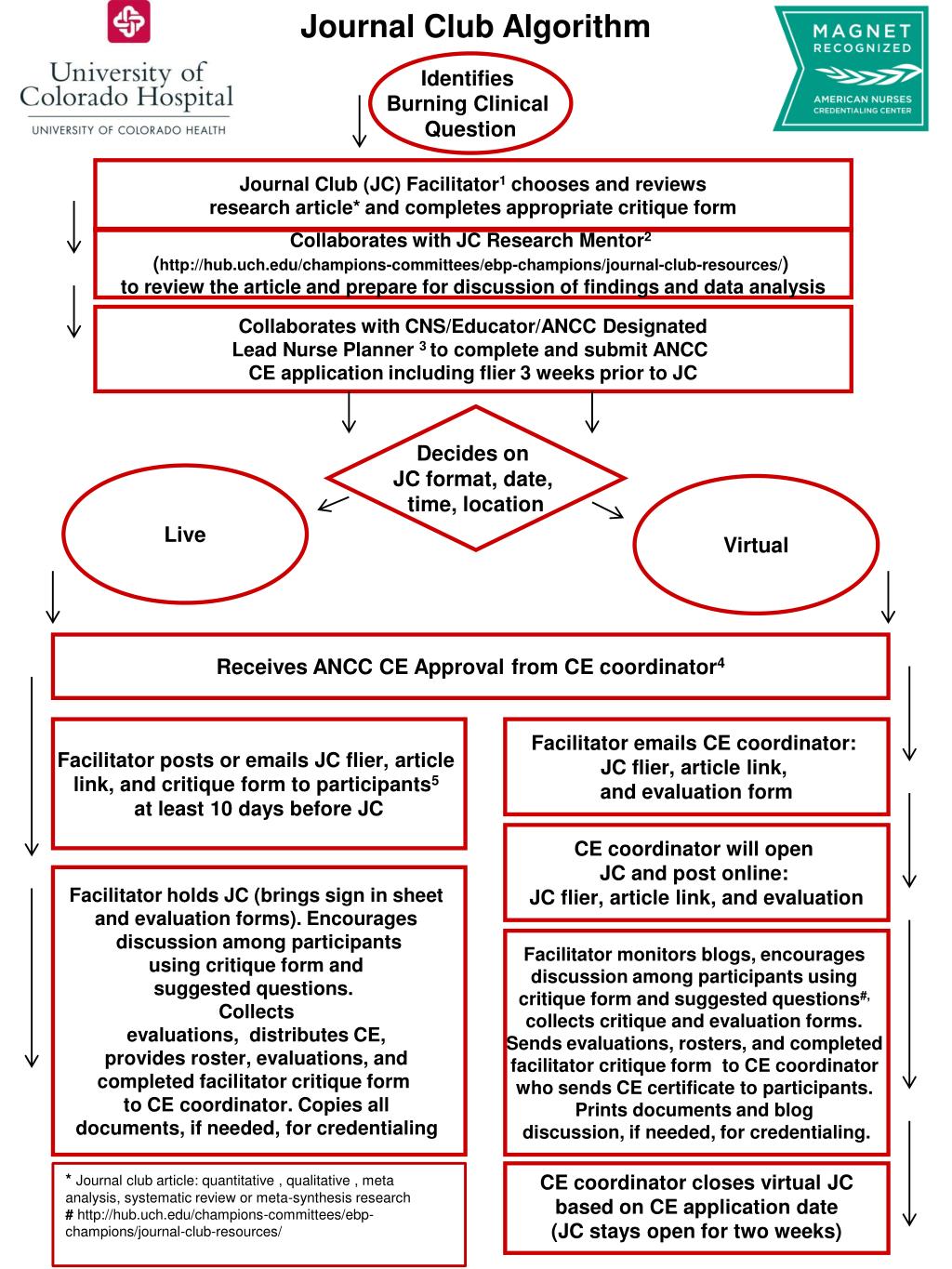
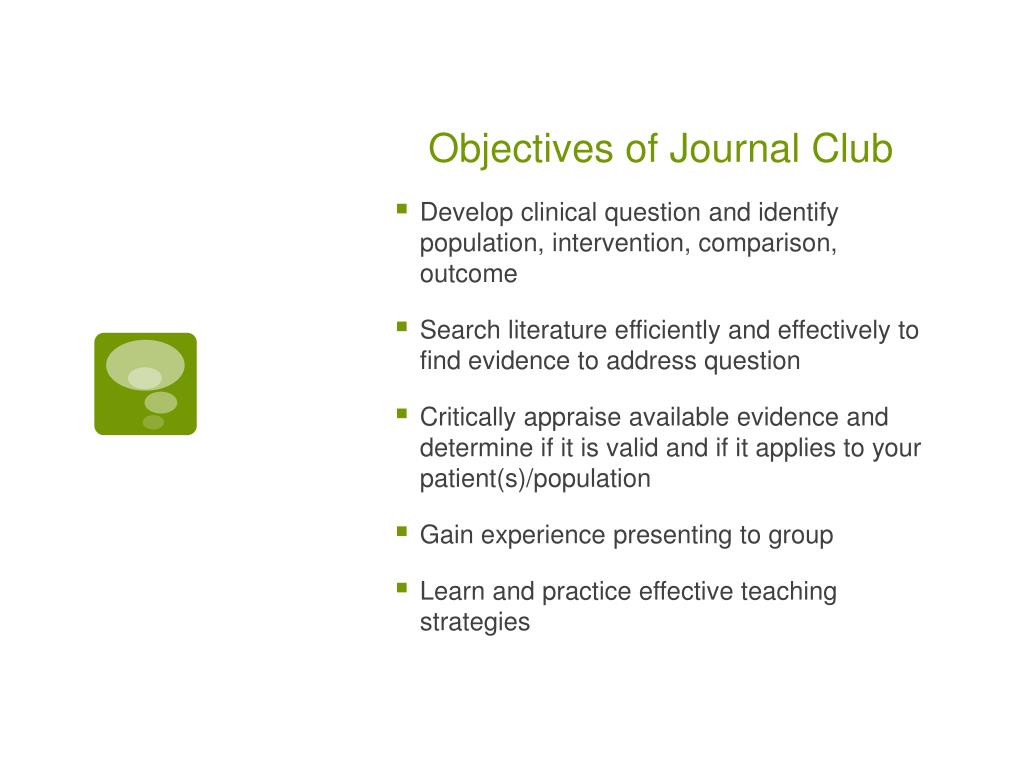
A journal club presentation example serves as a structured blueprint for critically appraising scientific literature and communicating findings to a professional audience. Effective presentations combine a concise summary of the study’s methodology and results with a rigorous evaluation of its validity, clinical relevance, and potential impact on current practice.
The Purpose and Evolution of Journal Clubs in 2026
The tradition of the journal club has evolved from simple literature review sessions into sophisticated forums for evidence-based practice and professional development. In 2026, the primary objective remains the same: to keep pace with the overwhelming volume of new research while refining critical appraisal skills. Whether you are a medical resident, a doctoral candidate, or a clinical researcher, mastering the journal club format is essential for professional advancement.
A successful presentation does not merely "re-read" the paper to the audience. Instead, it acts as a filter, highlighting why the research was conducted, how the authors attempted to answer their question, whether their methods were sound, and what the results mean for the broader field. The "example" provided in this guide follows the standard PICO (Population, Intervention, Comparison, Outcome) framework, which remains the gold standard for structured clinical inquiry.
Phase 1: Selecting and Preparing the Research Paper
Before drafting slides, the selection of the article is the most critical step. A common mistake is choosing a paper based solely on a high-impact factor or a catchy title. In 2026, academic rigor is prioritized over sensationalism.
Criteria for Selection
- Relevance: Does the paper address a current gap in knowledge or a common clinical dilemma?
- Methodological Quality: Is the study design appropriate for the question? For example, an intervention should ideally be examined via a Randomized Controlled Trial (RCT), while a prognosis is better suited for a cohort study.
- Timeliness: Most journal clubs focus on "late-breaking" research published within the last 12 to 18 months.
- Controversy: Papers that challenge existing guidelines often generate the most productive discussions.
Initial Technical Review
Once the paper is selected, you must perform a "first pass" using tools like the Consolidated Standards of Reporting Trials (CONSORT) for RCTs or the Preferred Reporting Items for Systematic Reviews and Meta-Analyses (PRISMA) for reviews. Understanding these checklists ensures that your presentation covers all mandatory reporting elements.
Phase 2: Structural Breakdown of a Journal Club Presentation
A standard presentation should last between 15 and 20 minutes, followed by 10 minutes of discussion. The following structure represents a professional example of how to allocate your time and slides.
1. The Introduction and Clinical Context
The first slide should contain the full citation of the paper (using AMA or APA style) and the presenter’s name. This is followed immediately by the "Why." Why does this study matter in 2026?
- Background: Briefly summarize what was known before this study. Mention previous landmark trials or the current standard of care.
- The Knowledge Gap: State clearly what is missing from the literature. For example: "While Drug X is effective for hypertension, its long-term safety in patients with stage 3 chronic kidney disease remains unproven."
2. The Research Question (PICO Framework)
Clarity here is paramount. Use the PICO framework to define the study's boundaries:
- Population: Who were the participants? Include age, gender, and specific comorbidities.
- Intervention: What was the primary treatment or exposure?
- Comparison: What was the control group? (Placebo, standard of care, or a different dose?)
- Outcome: What was the primary endpoint (e.g., 30-day mortality, change in HbA1c)?
3. Methodology Deep Dive
This is where the technical depth of your presentation is established. You must explain the "how" behind the data.
- Study Design: Was it a double-blind, multicenter, non-inferiority RCT? Explain what these terms mean if the audience is diverse.
- Randomization and Blinding: How were participants assigned to groups? Was the blinding maintained?
- Statistical Analysis: Mention the "Power Analysis" (was the sample size large enough to detect a difference?) and the "Intention-to-Treat" (ITT) vs. "Per-Protocol" analysis. In 2026, ITT is generally preferred because it maintains the benefits of randomization and reflects real-world clinical practice.
4. Results and Data Visualization
Avoid copying and pasting entire tables from the PDF. Instead, recreate key data points or highlight specific areas of the original figures.
- Primary Outcome: Did the intervention reach statistical significance (p < 0.05 or confidence intervals not crossing the null)?
- Secondary Outcomes: These are hypothesis-generating but should be mentioned briefly.
- Safety Data: Always report the "Number Needed to Harm" (NNH) or the incidence of serious adverse events (SAEs).
Phase 3: Critical Appraisal (The "Meat" of the Presentation)
The hallmark of a senior-level journal club is the critique. This section separates a "summary" from an "analysis."
Internal Validity: Did the authors follow their own rules?
Check for sources of bias. Was there a high attrition rate (loss to follow-up)? If 20% of participants dropped out, the results might be skewed. Look for "selective reporting," where authors focus on secondary outcomes because the primary outcome failed to reach significance.
External Validity: Does this apply to my patients?
This is often referred to as "Generalizability." If a study on diabetes was conducted only in a highly controlled environment with young, fit volunteers, its results might not apply to an elderly patient with multiple comorbidities.
Statistical vs. Clinical Significance
This is a vital distinction in modern medicine. A drug might lower systolic blood pressure by 2 mmHg with a p-value of 0.001. While "statistically significant" due to a large sample size, a 2 mmHg drop is likely "clinically insignificant" for a patient's overall health outcomes.
Comparing Study Designs for Journal Club Presentations
Choosing the right appraisal tool depends on the study type. The table below summarizes the key focus areas for the three most common study designs presented in 2026.
| Study Type | Primary Goal | Key Appraisal Tool | Critical Metric to Check |
|---|---|---|---|
| Randomized Controlled Trial (RCT) | Determine efficacy of an intervention. | CONSORT Statement | Randomization, Blinding, and Attrition. |
| Systematic Review / Meta-Analysis | Synthesize existing evidence from multiple studies. | PRISMA Guidelines | Search strategy and Heterogeneity ($I^2$ statistic). |
| Observational Cohort Study | Identify risk factors or long-term outcomes. | STROBE Statement | Confounding variables and Selection bias. |
Practical Tips for Delivering the Presentation
In 2026, the use of interactive elements is standard. Consider the following to keep your audience engaged:
- Interactive Polling: Use QR codes to ask the audience, "Would you change your practice based on this study?" before and after the presentation.
- Visual Clarity: Use high-contrast slides. Avoid small fonts. A rule of thumb is no more than six lines of text per slide.
- The "Bottom Line" Slide: Always end with a slide titled "Clinical Bottom Line." This should be a 2-3 sentence summary that answers the question: "What should I do with this information tomorrow morning?"
Common Pitfalls to Avoid
Even experienced presenters can fall into traps that undermine their credibility.
- Over-reliance on the Abstract: The abstract is a marketing tool for the paper. Always read the full text, especially the "Supplementary Materials," where the most complex data is often hidden.
- Defensiveness: When an audience member questions the study’s methodology, do not feel the need to defend the authors. You are the analyst, not the author. It is perfectly acceptable to say, "The authors did not address that limitation, which is a significant weakness of the study."
- Ignoring the Funding Source: In 2026, transparency is paramount. Always disclose who funded the study. While industry-funded research can be high-quality, it requires a more skeptical eye regarding how the results are framed.
Frequently Asked Questions
What is the most important part of a journal club presentation?
The critical appraisal (the critique) is the most important part. While summarizing the results is necessary, the value of a journal club lies in determining whether the results are trustworthy and applicable to real-world scenarios. A presenter who identifies a fatal flaw in the methodology provides more value than one who simply repeats the authors' conclusions.
How long should an example journal club presentation be?
A standard presentation typically lasts 15 to 20 minutes. This allows for roughly 2 minutes on background/introduction, 5 minutes on methods, 5 minutes on results, and 5-8 minutes on critical appraisal and clinical implications. This timing ensures there is enough room for a robust 10-15 minute Q&A session.
Should I use the authors' original slides if they are available?
It is generally discouraged to use the authors' original slide decks. Those decks are designed to promote the study’s successes. Creating your own slides allows you to maintain an objective, critical perspective. If you do use a specific complex figure from the authors, ensure it is properly cited on the slide.
What should I do if I don't understand the statistics in the paper?
Be honest about it. If a paper uses an advanced Bayesian analysis or complex machine learning models that are outside your expertise, state that. However, you should attempt to understand the meaning of the results (e.g., the Odds Ratio or Hazard Ratio) even if the underlying calculus is opaque. Consulting with a statistician before your presentation is a proactive 2026 best practice.
How do I handle a paper with "negative" results?
Negative studies (those where the intervention showed no benefit) are arguably more important than positive ones. They prevent the use of ineffective or harmful treatments. Present a negative study with the same rigor as a positive one, focusing on whether the study was "underpowered" (too small to see a difference) or if the treatment truly is ineffective.
Final Recommendation for Presenters
To excel in your next journal club, approach the paper with a "skeptical but fair" mindset. Your role is that of a judge, not a fan. Utilize the 2026 standards of critical appraisal by focusing heavily on the internal validity of the methods and the external applicability to your specific patient population or research field. By providing a structured, transparent, and critical analysis, you will foster a culture of evidence-based excellence within your institution.