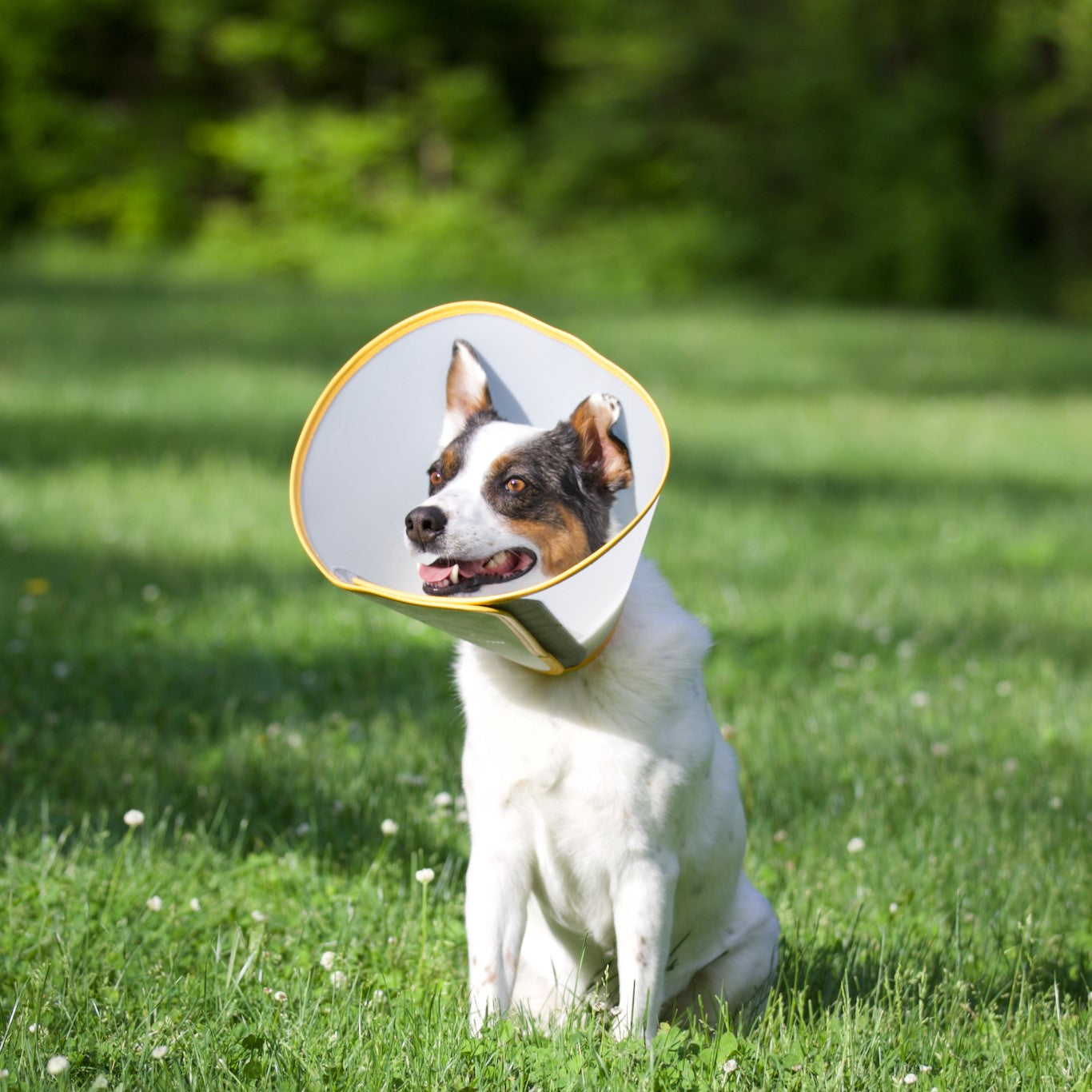
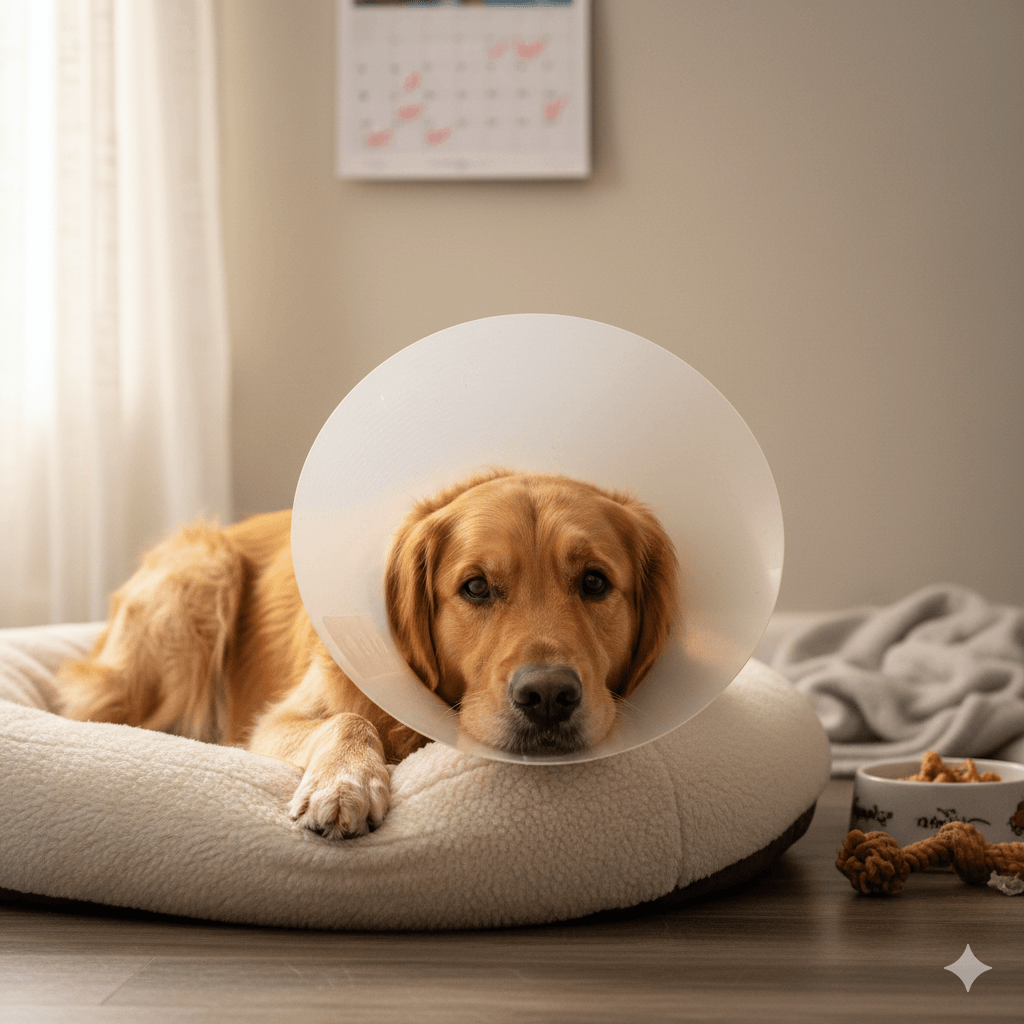
The "cone of shame," technically known as an Elizabethan collar or E-collar, is a critical medical tool designed to prevent dogs from licking, biting, or scratching at wounds, surgical incisions, or skin irritations. It matters because it ensures uninterrupted healing, prevents life-threatening secondary infections, and avoids the significant financial and physical costs associated with secondary "repair" surgeries.
While often viewed by pet owners as a source of humor or a temporary inconvenience, the Elizabethan collar is a foundational element of post-operative care and dermatological treatment. In 2026, veterinary protocols continue to emphasize that compliance with "cone wearing" is the single most important factor in determining the speed and success of a dog’s recovery from invasive procedures.
The Biological Necessity of the Elizabethan Collar
To understand why a dog with a cone matters, one must first understand the canine biological drive to groom. When a dog sustains a wound or undergoes surgery, the body’s inflammatory response triggers sensations of itching, tightness, and mild pain. A dog’s natural instinct is to "clean" the area with its tongue.
Contrary to the popular myth that a dog’s saliva is "healing" or "antiseptic," the canine mouth is home to a complex microbiome of bacteria, including Pasteurella, Staphylococcus, and Streptococcus. When a dog licks a surgical site, they introduce these pathogens directly into the broken skin. This can lead to:
- Infection (Pyoderma): Bacteria thrive in the warm, moist environment created by licking, leading to pus formation, swelling, and systemic illness.
- Dehiscence: This is the technical term for the premature opening of a surgical wound. Canine teeth and rough tongues can easily pull out sutures or staples, exposing internal tissues.
- Seromas: Excessive activity or licking at a wound site can cause fluid to build up under the skin, creating a painful pocket that may require drainage.
- Granulomas: Chronic licking of a specific spot can lead to "lick granulomas," where the skin becomes thick, scarred, and permanently damaged.
By acting as a physical barrier, the cone halts the "lick-bite-scratch" cycle, allowing the primary intention of healing—the direct closing of the wound edges—to occur without interference.
Financial and Emotional Costs of Non-Compliance
The importance of the cone extends beyond biological healing into the realm of practical household management. For many families in 2026, the cost of veterinary care is a significant consideration. A standard spay, neuter, or mass removal has a fixed cost. However, if a dog is left without a cone and destroys their sutures, the resulting emergency visit often costs three to four times the original procedure.
Secondary surgeries are more complex than primary ones. The tissue around a "licked-out" wound is often inflamed, contaminated, and friable (easily torn), making it much harder for a surgeon to achieve a clean closure. The emotional toll on the owner—watching their pet go back into anesthesia and restart a 10-to-14-day recovery clock—is equally taxing. The cone, therefore, serves as a low-cost insurance policy against high-cost medical complications.
Comparing Modern Recovery Options in 2026
In 2026, the traditional rigid plastic cone is no longer the only option. Depending on the location of the injury and the dog's temperament, various "cones" and alternatives are available. The following table compares the most common devices used in current veterinary practice.
| Device Type | Best Use Case | Primary Pros | Primary Cons |
|---|---|---|---|
| Classic Plastic E-Collar | Abdominal surgery, eye injuries, aggressive chewers. | Full visibility prevention; inexpensive; easy to clean. | Can be loud; limits peripheral vision; heavy for small dogs. |
| Inflatable "Donut" | Torso wounds, hip issues, tail injuries. | More comfortable for sleeping; better peripheral vision. | Does not prevent reaching the face, paws, or lower legs. |
| Soft/Fabric Cone | Mild irritations, calm dogs, short-term use. | Flexible and quiet; doesn't damage furniture. | Dogs can often fold them back to reach the wound. |
| Recovery Suit (Onesie) | Spays, neuters, abdominal incisions. | Full range of motion; zero "cone stress." | Does not protect paws or head; must be removed for potty breaks. |
| Cervical/Neck Brace | Long-backed breeds, spinal support. | Limits neck range of motion significantly. | Can be very hot; not suitable for preventing face-scratching. |
Managing the "Cone Blues": Psychological Impact and Adaptation
It is common for dogs to exhibit signs of "cone depression" or anxiety within the first 24 to 48 hours of wearing the device. They may stand still and refuse to move (the "statue" effect), bump into walls, or whine incessantly. Understanding that this is a spatial awareness issue rather than true physical pain is crucial for the owner.
The cone changes how a dog perceives their environment. It alters the way sound reflects into their ears and cuts off their side-view. To help a dog adjust, owners should:
- Clear the Path: Move small coffee tables or obstacles that the cone might catch on.
- Hand-Feeding Initially: Some dogs struggle to gauge the distance to their bowl with a cone on. Holding the bowl or hand-feeding for the first few meals can build confidence.
- Positive Reinforcement: Use high-value treats to reward the dog when they move while wearing the cone. This creates a positive association with the device.
- Supervised "Cone-Free" Time: If the owner can provide 100% undivided attention (literally not looking away for a second), the cone can be removed for supervised grooming or eating. However, the cone must go back on the moment the owner’s attention shifts.
Technical Fitment and Safety Guidelines
A cone that does not fit correctly is as useless as no cone at all. For a cone to be effective, it must extend approximately two to three inches past the tip of the dog’s nose. If the nose can reach past the edge of the cone, the dog can still lick their paws or use the edge of the cone to rub against a surgical site.
The "Two-Finger Rule" applies here just as it does with a collar: you should be able to fit two fingers between the cone's neck strap and the dog's skin. If it is too loose, the dog will paw it off; if it is too tight, it can cause skin necrosis or breathing difficulties. Owners should also check the neck area daily for signs of "cone burn"—moist dermatitis caused by trapped drool or water under the collar.
Critical Indicators: When the Cone Isn't Enough
While the cone is a powerful tool, it is not a "set it and forget it" solution. In 2026, tele-health monitoring has become standard, but physical observation remains paramount. Owners must monitor for:
- Persistent Redness: If the incision site becomes angry and red despite the cone, infection may already be present.
- Swelling: Moderate swelling is normal, but a "bulge" often indicates a seroma or internal suture failure.
- Odor: Any foul smell coming from the wound site requires an immediate veterinary consultation.
- Cone Destruction: Some highly motivated dogs will shred a plastic cone or rub it against the floor until it cracks. In these cases, a reinforced or different style of collar is necessary.
FAQs About Dogs and Cones
How long does a dog typically need to wear a cone?
Most surgical incisions require 10 to 14 days to reach full tensile strength. The cone should remain on until the veterinarian confirms that the skin has closed or until sutures/staples are removed. Removing it even a day early can lead to the dog opening a wound that looks "mostly healed" but is still fragile.
Can my dog sleep comfortably in a cone?
Yes, most dogs adapt to sleeping in a cone within 24 hours. They will eventually learn how to position their head or use the cone as a sort of "pillow." If the dog is genuinely unable to rest, a soft fabric cone or an inflatable donut may be used specifically for sleeping, provided it still prevents access to the wound.
My dog is hitting the back of my legs with the cone; can I trim it?
Trimming the cone is generally discouraged. The length of the cone is calculated to prevent the dog's tongue from reaching its body. Trimming even an inch off the edge may give the dog just enough reach to cause damage. If the cone is causing injury to the owner or furniture, consider "edge-guarding" with soft tape or switching to a soft-sided E-collar.
Can a dog eat and drink with a cone on?
Most dogs can eat and drink with a standard E-collar, but you may need to elevate their bowls. By raising the food and water 4 to 6 inches off the ground, the dog can "scoop" the bowl into the cone more easily. If the cone is too wide for the bowl, a narrower, deep dish can help.
Are there any risks to wearing a cone for too long?
Extended use of a cone (over 3 weeks) can lead to neck muscle tension and skin irritation around the collar line. It can also lead to a buildup of wax in the ears because the cone prevents the dog from naturally shaking their head to clear the ear canals. Daily "air-out" sessions under strict supervision are recommended for long-term users.
Final Recommendation for Pet Owners
The Elizabethan collar is a temporary measure with long-term benefits. While it is difficult to see a pet looking "miserable" or restricted, the alternative—infection, pain, and more surgery—is significantly worse. To ensure the best outcome, choose the most protective cone recommended by your vet for the first 72 hours, as this is the most critical window for wound stabilization. After this initial period, if the dog is struggling, consult with your veterinary team about transitioning to a more comfortable alternative like a recovery suit or an inflatable collar. Consistency is the key; keeping the cone on 24/7 is the fastest way to get to the day when it can be taken off for good.
For more information on post-operative care, consult the American Veterinary Medical Association (AVMA) or the American Animal Hospital Association (AAHA).