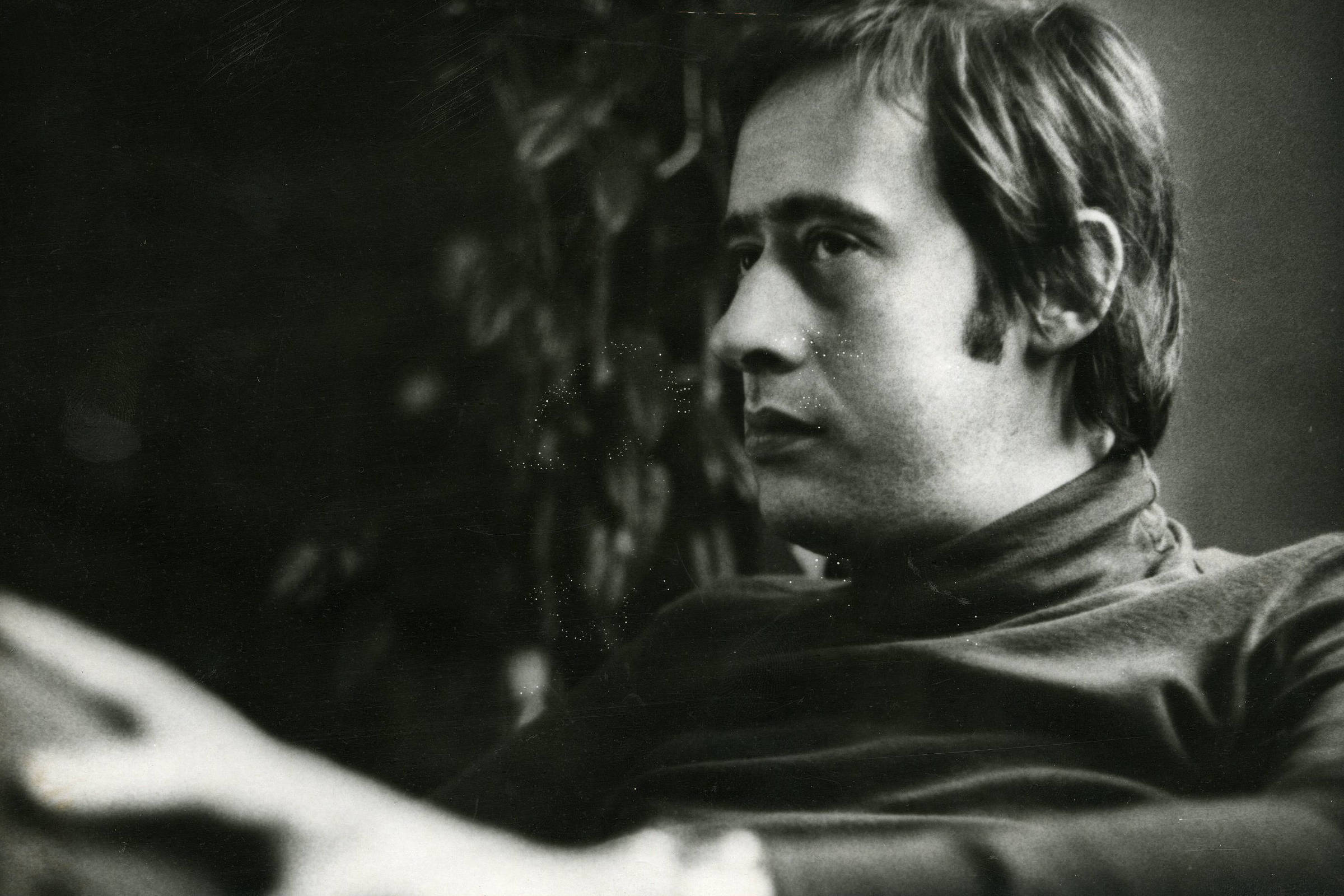
Arthur Mondella was the CEO of Dell’s Maraschino Cherries who led a secret double life as the operator of a massive underground marijuana plantation in Brooklyn. His 2015 suicide during a routine environmental inspection exposed a sophisticated, multi-million dollar cultivation facility hidden beneath his factory, leaving a complex legacy of industrial success and criminal enterprise.
Arthur Mondella’s story remains one of the most surreal chapters in New York City’s industrial history. For decades, the Mondella family represented the pinnacle of the American Dream in Brooklyn’s Red Hook neighborhood. Dell’s Maraschino Cherries, founded by Arthur’s grandfather and father in 1948, grew to become the largest provider of maraschino cherries in the United States, supplying national giants like TGI Fridays, Red Lobster, and Chick-fil-A. However, beneath the vat-filled floors of the cherry processing plant lay a secret that would eventually lead to Mondella’s tragic end and the exposure of a vast criminal operation.
The Legacy of Dell’s Maraschino Cherries
To understand the weight of the Arthur Mondella exploration, one must first recognize the stature of the business he inherited. Dell’s was not merely a local shop; it was an industrial powerhouse. By the early 2010s, the company was processing millions of pounds of cherries annually. The facility was a maze of stainless steel tanks, automated bottling lines, and the pervasive, sweet scent of maraschino syrup.
Arthur Mondella was known as a perfectionist and a "clean freak" regarding his factory. He invested millions into modernizing the plant, ensuring it met rigorous food safety standards. This reputation for excellence made the subsequent revelations even more jarring for the community and the food industry. Mondella was a respected figure in the Red Hook business community, often seen as a hardworking entrepreneur dedicated to the family brand. This public persona, however, served as a highly effective shield for the illicit activities occurring beneath the factory floor.
The Fatal Inspection of 2015
The downfall of Arthur Mondella began not with a drug raid, but with an environmental investigation. In February 2015, investigators from the Brooklyn District Attorney’s office, the Environmental Protection Agency (EPA), and the Department of Environmental Protection (DEP) arrived at the Red Hook facility. The primary objective was to investigate suspicions that the factory was illegally dumping cherry brine and acidic waste into the New York City sewer system—a violation of the Clean Water Act.
The Environmental Pretext
The investigators were acting on long-standing suspicions regarding the facility’s waste management. Processing maraschino cherries involves significant amounts of chemical runoff, and the city had noticed irregularities in the local water system. As investigators moved through the plant, they noticed several structural anomalies. Mondella, usually cooperative, began to show signs of extreme agitation when investigators focused on a specific area of the warehouse near the loading docks.
The False Wall and the Secret Basement
The turning point occurred when an investigator noticed a shelving unit that seemed slightly out of place. Upon closer inspection, it was revealed that the shelves were mounted on a false wall held in place by powerful magnets. Behind this wall was a sophisticated "Great Escape" style entrance leading to a basement that did not appear on any official building blueprints.
Recognizing that the secret was out, Mondella excused himself, stating he needed to use the restroom. Moments later, a single gunshot echoed through the facility. Mondella had taken his own life with a .357 Magnum, choosing to end his story rather than face the inevitable legal and social fallout of his hidden enterprise.
Inside the Underground Marijuana Operation
Once the facility was secured, law enforcement discovered an operation that rivaled the scale of professional cartels. The underground bunker covered approximately 2,500 square feet and was hidden beneath a layer of reinforced concrete.
Technical Scale and Sophistication
The operation was a marvel of illicit engineering. It contained approximately 1,200 marijuana plants at various stages of growth. The facility included:
- Advanced Irrigation: A custom-built hydroponic system that recycled water to avoid detection by city utilities.
- Climate Control: High-end HVAC systems and carbon filters were utilized to scrub the air, ensuring that the pungent smell of cannabis never reached the street or mixed with the cherry aroma above.
- Specialized Lighting: Hundreds of high-intensity discharge lamps were powered by a diverted electrical line, a common tactic used to hide the massive energy consumption required for indoor grows.
- Automated Feeding: Computerized systems managed nutrient delivery to maximize the potency and yield of the "Sour Diesel" and other high-grade strains found on-site.
Financial Dimensions of the Illicit Business
Estimates from the Brooklyn District Attorney’s office suggested that the marijuana operation was generating upwards of $7 million in annual revenue. This was pure profit, largely untaxed and laundered through the legitimate cherry business. Investigators also found nearly $130,000 in cash in Mondella’s office, along with several luxury vehicles, including a Rolls-Royce and a collection of high-end motorcycles.
The sheer scale raised questions that remain explored by legal analysts in 2026: Why would a man running a highly successful, multi-million dollar legitimate business risk everything for a side enterprise? Some psychologists and criminologists suggest it was the "thrill of the double life," while others point to the immense pressure of maintaining the family legacy in an increasingly expensive New York City market.
Arthur Mondella: A Profile of the "Cherry King"
Arthur Mondella was described by those who knew him as a man of contradictions. On one hand, he was a devoted father and a shrewd businessman who took the family company to new heights. On the other, he was a person who maintained a high-security bunker and possessed a hidden cache of weapons.
His commitment to the cherry business was unquestionable. Under his leadership, Dell’s became the primary supplier for national restaurant chains, a feat that required immense logistical coordination and quality control. He was known to work long hours and was deeply involved in the day-to-day operations. However, his obsession with the factory's "cleanliness" and his refusal to allow certain inspectors into specific zones now appears as a calculated effort to protect his secret.
Legal and Corporate Aftermath (2015–2026)
Following Mondella’s death and the seizure of the marijuana, the future of Dell’s Maraschino Cherries was in grave doubt. The company faced massive fines, and the "cherry king" headline became a national sensation.
Settlement and Environmental Remediation
The legal fallout was extensive. The company eventually reached a settlement with the Brooklyn District Attorney’s office and environmental regulators. As of our 2026 perspective, the company has paid out over $1.2 million in environmental fines and forfeiture related to the criminal proceeds. The agreement allowed the company to continue operating, provided it adhered to strict environmental monitoring and independent auditing.
The Survival of the Brand
Surprisingly, the brand survived. Arthur’s daughter, Dana Mondella Torelli, took the reins of the company. She worked tirelessly to distance the commercial brand from her father’s personal criminal activities. By 2026, Dell’s Maraschino Cherries remains a major player in the food service industry. The company underwent a complete corporate restructuring, implementing transparent waste management protocols and rebranding its image to focus on heritage and resilience.
| Key Fact Category | Detail |
|---|---|
| Entity Explored | Arthur Mondella (CEO, Dell's Maraschino Cherries) |
| Date of Discovery | February 24, 2015 |
| Location | 110 Dikeman Street, Red Hook, Brooklyn |
| Illicit Assets | 1,200+ Cannabis plants, 60+ lbs of harvested weed |
| Bunker Size | Approx. 2,500 Square Feet |
| Estimated Weed Revenue | $7 Million - $10 Million Annually |
| Environmental Fine | $1.2 Million Settlement |
| Current Status (2026) | Brand remains active under family management |
Cultural Impact and Media Portrayals
The story of Arthur Mondella has become a staple of New York City lore, frequently cited as a real-life example of a "Breaking Bad" scenario. It has been the subject of investigative journalism, true crime podcasts such as Crimetown, and numerous documentaries exploring the intersection of legitimate industry and organized crime.
The case changed how New York City regulators approach industrial inspections. It served as a warning that white-collar business fronts can mask significantly more dangerous operations. For the Red Hook community, the event marked a shift in the neighborhood's identity, moving from its gritty industrial past toward its current status as a hub for both artisanal businesses and high-stakes corporate drama.
FAQs About the Arthur Mondella Investigation
What exactly led the police to Arthur Mondella's secret room?
The discovery was accidental. Investigators were searching for evidence of environmental crimes, specifically the illegal disposal of cherry syrup and wastewater. During the search, they noticed a shelving unit that didn't align with the building's structural plans and was held by magnets, which led them to the hidden entrance.
Did Arthur Mondella have accomplices in the marijuana operation?
While Mondella was the primary focus, several individuals were questioned regarding the construction and maintenance of the bunker. However, Mondella was widely believed to be the sole mastermind who kept the operation compartmentalized from the majority of his legitimate staff.
Is Dell’s Maraschino Cherries still in business in 2026?
Yes, the company continues to operate. Following Arthur Mondella’s death, his daughter took over the leadership. The company moved past the scandal by paying significant fines and restructuring its environmental and corporate compliance departments.
How did the marijuana operation stay hidden for so long?
The operation utilized advanced carbon filtration systems to eliminate the smell of cannabis and diverted electricity to hide the massive power usage. Additionally, the constant sweet smell of the cherry processing factory provided a natural olfactory "cover" for any lingering scents.
What was the specific environmental violation Mondella was hiding?
Initially, the EPA was investigating the discharge of cherry brine into the sewer system. The brine is highly acidic and can damage city infrastructure and violate the Clean Water Act. While this was a serious violation, it paled in comparison to the drug operation discovered during the search for the discharge pipes.
Next Steps for Those Interested in Industrial History
For researchers or true crime enthusiasts looking to further explore the Arthur Mondella case, several avenues of investigation remain pertinent in 2026:
- Review the Brooklyn DA Archives: Public records regarding the 2015 seizure provide detailed maps of the underground facility and the list of assets seized.
- Environmental Policy Analysis: The case is a landmark for the EPA regarding how industrial waste inspections can lead to the discovery of unrelated criminal activity.
- Red Hook Industrial Tours: While the factory is a private facility, the surrounding Red Hook area offers a look into the industrial environment that allowed such a secret to remain hidden for years.
- Corporate Crisis Management Case Studies: Business students often study Dell’s Maraschino Cherries as a prime example of brand survival following a founder's high-profile criminal exposure.
Arthur Mondella’s legacy is a cautionary tale of the hidden depths behind a "perfect" facade. As the cherry industry continues to evolve, the story of the man who built an empire on sweetness and a bunker on shadows remains an indelible part of Brooklyn’s history.