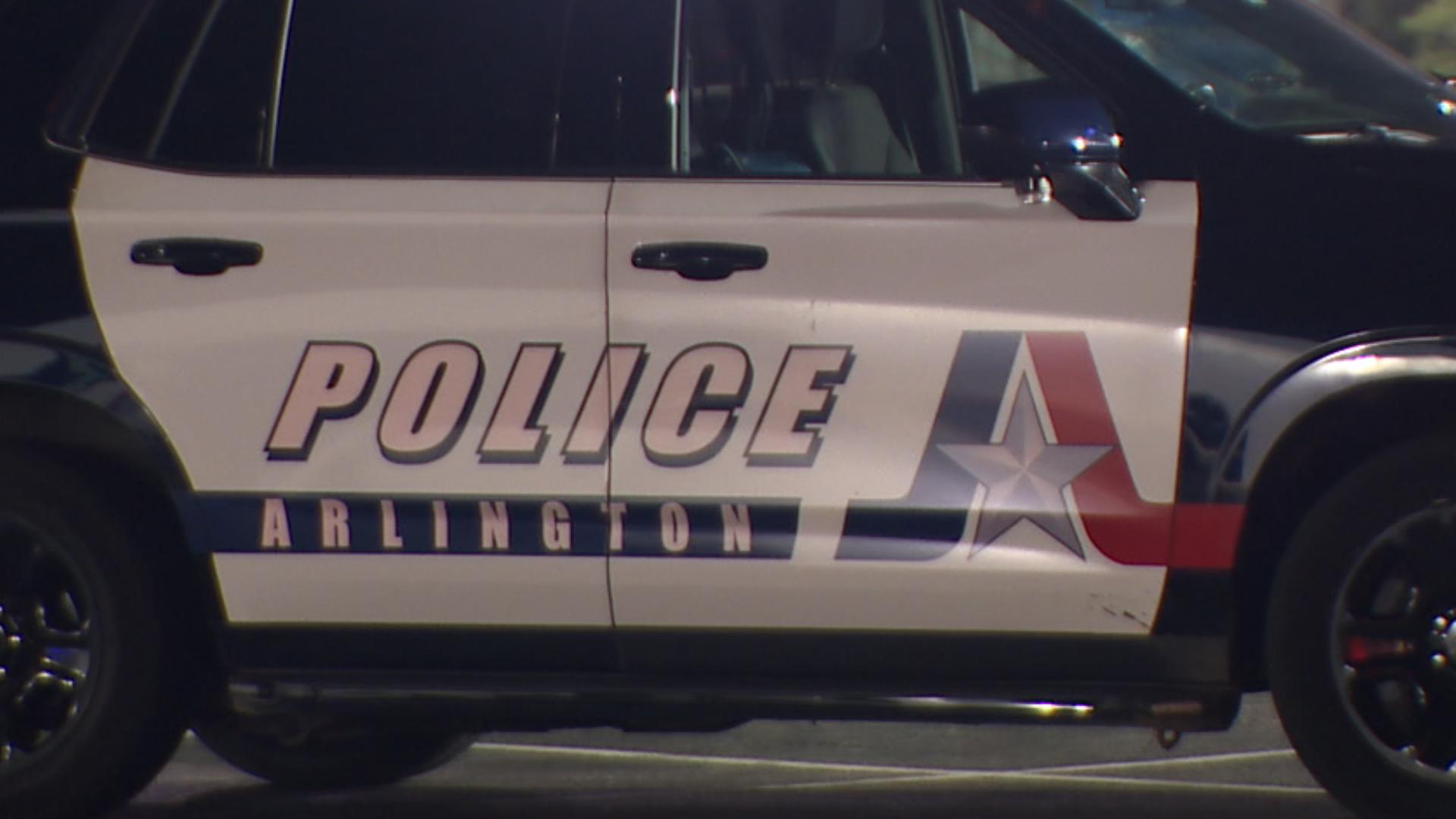
To join the Arlington Police Department (Texas) in 2026, applicants must meet specific age, education, and moral standards. The core requirements include being a U.S. citizen aged 21–44, possessing 60 college credit hours (with exceptions for military or prior law enforcement), passing a civil service exam, and clearing a rigorous background investigation.
The Arlington Police Department (APD) is one of the most technologically advanced and well-regarded law enforcement agencies in the United States. Serving a major metropolitan hub in the Dallas-Fort Worth Metroplex, the department maintains high entry standards to ensure that only the most qualified candidates protect and serve its diverse community. Because the recruitment process is governed by the Texas Local Government Code Chapter 143 (Civil Service), the "checklist" for entry is rigid and multifaceted.
If you are pursuing a career as an Arlington Police Officer in 2026, understanding these requirements is the first step toward a successful application. This guide provides a comprehensive breakdown of the eligibility criteria, the disqualifying factors, and the sequential steps of the hiring process.
Essential Eligibility Standards
Before an individual can even sit for the civil service examination, they must satisfy the baseline eligibility requirements set by both the Texas Commission on Law Enforcement (TCOLE) and the City of Arlington. These standards ensure that all recruits possess the legal standing and maturity required for the role.
Citizenship and Legal Status
As of 2026, all applicants must be citizens of the United States. While some municipal roles allow for legal permanent residency, sworn law enforcement positions in Texas require full citizenship to meet TCOLE licensing standards. Applicants must provide original documentation, such as a birth certificate or naturalization papers, during the preliminary background phase.
Age Requirements
The age window for the Arlington Police Department is strictly defined:
- Minimum Age: You must be at least 21 years of age by the time you are licensed as a peace officer. However, the APD often allows individuals to apply at 20 years old if they will turn 21 by the completion of the academy.
- Maximum Age: Under civil service law, you cannot have reached your 45th birthday by the time you are appointed (hired) as a police officer. This "44 and under" rule is a standard across many Texas civil service departments to ensure a long-term return on the city’s investment in officer training and pension contributions.
Educational Prerequisites
The APD places a high premium on higher education, believing that college-educated officers bring better critical thinking and communication skills to the field. The educational checklist includes:
- College Credits: A minimum of 60 semester hours from an accredited college or university. The credits must be earned with a minimum GPA of 2.0 (C average).
- Waiver for Military Service: If you do not have 60 college credits, you may qualify if you have at least three years of active-duty military service with an Honorable Discharge.
- Waiver for Prior Experience: Individuals with at least two years of active service as a full-time, sworn peace officer in another jurisdiction may also bypass the 60-credit requirement, provided their experience is recent and verifiable.
Detailed Requirements Checklist
The following table summarizes the primary metrics used to screen applicants during the 2026 recruitment cycles.
| Requirement Category | Standard / Criteria | Verification Method |
|---|---|---|
| Citizenship | U.S. Citizen (Native or Naturalized) | Birth Certificate / Passport |
| Age Range | 21 to 44 years of age | Driver’s License / State ID |
| Education | 60 College Credits (GPA 2.0+) | Official Transcripts |
| Military Record | Honorable Discharge only | DD Form 214 (Member 4) |
| Driving Record | Valid License; No "excessive" citations | DMV History Check |
| Criminal Record | No Felony or Class A Misdemeanor | Fingerprint / NCIC Check |
| Drug Use | Strict look-back periods (varies by substance) | Polygraph / Urinalysis |
| Vision | Correctable to 20/20 in both eyes | Medical Examination |
| Hearing | Normal range without hearing aids | Audiogram |
Automatic and Discretionary Disqualifiers
The Arlington Police Department maintains a zero-tolerance policy for certain past behaviors. It is vital to review these disqualifiers before investing time in the application process, as the department rarely grants waivers for these specific issues.
Criminal History and Conduct
Integrity is the cornerstone of law enforcement. Therefore, any applicant who has been convicted of, or placed on deferred adjudication for, a felony-level offense is permanently disqualified. Similarly, convictions for Class A misdemeanors are permanent barriers to entry.
Class B misdemeanors carry a ten-year disqualification period from the date of the court’s final disposition. This includes offenses such as Driving While Intoxicated (DWI) or Possession of Marijuana (in certain quantities). Any history of family violence, regardless of the level of offense, is an automatic and permanent disqualifier under both state and federal law (the Lautenberg Amendment), as it prevents an individual from legally possessing a firearm.
Drug Use Policy in 2026
While social attitudes toward certain substances have shifted, the APD maintains strict standards to ensure officer safety and public trust.
- Marijuana: Applicants must typically have a "clean" window of at least 12 to 24 months preceding their application date.
- Hard Drugs: Use of substances such as cocaine, methamphetamines, heroin, or LSD usually carries a permanent or long-term (10-year) disqualification, depending on the frequency and timeframe of the usage.
- Sale and Distribution: Any history of selling or distributing illegal drugs is a permanent disqualifier.
Driving History
Since police officers spend a significant portion of their shift operating emergency vehicles, a safe driving record is mandatory. You may be disqualified if:
- Your driver’s license is currently suspended or revoked.
- You have more than three "moving violation" convictions within the last 24 months.
- You have a history of failing to maintain financial responsibility (driving without insurance).
The Multi-Phase Hiring Process
If you meet the initial checklist requirements, you will enter a sequential hiring process designed to test your mental, physical, and psychological aptitude.
Phase 1: The Civil Service Exam
The journey begins with a written test. This exam does not test knowledge of law or police procedure, as those are taught in the academy. Instead, it measures:
- Reading comprehension and grammar.
- Basic mathematics and logic.
- Problem-solving and memory retention.
Candidates must score a minimum of 70% to pass. Veterans with an honorable discharge are eligible for five additional "veteran points" added to their passing score, which can significantly improve their ranking on the eligibility list.
Phase 2: The Physical Readiness Test (PRT)
The APD utilizes a "rowing" test on a Concept2 Rower to measure physical fitness. Unlike traditional sit-up and push-up tests, the rowing test measures cardiovascular endurance and power output based on an applicant's weight.
- The Standard: Candidates must typically reach the 35th or 40th percentile based on their weight and gender.
- Preparation: Aspiring officers are encouraged to practice on a rower at a damper setting of "5" to familiarize themselves with the pacing required to hit the target times.
Phase 3: The Background Investigation and Polygraph
This is the most intensive part of the checklist. A background investigator will scrutinize your entire life, from your middle school records to your current credit score. You will be required to fill out a Personal History Statement (PHS), which often exceeds 50 pages.
- The Polygraph: The "lie detector" test is used to verify the honesty of your PHS. The department is looking for consistency and truthfulness. In many cases, it is not the past mistake that disqualifies an applicant, but rather the attempt to hide it during the polygraph.
Phase 4: Oral Board Interview
Candidates who pass the background phase are invited to an oral board. This is a formal interview conducted by a panel of APD officers and supervisors. You will be asked "situational" questions (e.g., "What would you do if you saw a fellow officer commit a crime?") and "behavioral" questions (e.g., "Tell us about a time you resolved a conflict"). The board looks for leadership, communication skills, and a commitment to the department’s core values.
Medical and Psychological Evaluations
The final hurdles are the medical and psychological exams. These are required by TCOLE to ensure every officer is fit for the rigors of the job.
- Psychological Exam: This consists of a written personality assessment followed by a face-to-face interview with a licensed psychologist. They are looking for signs of instability, bias, or inability to handle high-stress environments.
- Medical Exam: A physician will conduct a full physical, including a drug screen, a vision test (20/20 correctable), and a hearing test. They will also review your medical history to ensure you do not have conditions that could cause sudden impairment during duty.
Training and The Arlington Police Academy
Once you have cleared the checklist and received a final offer of employment, you will be enrolled in the Arlington Police Academy. In 2026, the academy remains a "paid" academy, meaning you are a full-time employee with benefits from day one.
The academy lasts approximately six months and covers:
- Texas Penal Code and Code of Criminal Procedure.
- Firearms proficiency and defensive tactics.
- Emergency vehicle operation.
- De-escalation and crisis intervention training.
- Community policing strategies.
Following graduation, recruits enter the Field Training Program (FTP), where they spend several months patrolling with a Field Training Officer (FTO) before being cleared for solo patrol.
Compensation and Benefits for 2026 Recruits
The City of Arlington offers a competitive compensation package to attract top-tier talent. While exact figures fluctuate with city budget approvals, the 2026 salary structure remains among the highest in North Texas.
- Starting Salary: Recruits typically earn a base salary of $72,000–$78,000 during the academy, with an automatic increase upon graduation.
- Incentive Pay: Officers can earn extra monthly pay for college degrees (Associate, Bachelor, or Master), bilingual skills, and TCOLE certifications (Intermediate, Advanced, or Master).
- Retirement: APD participates in the Texas Municipal Retirement System (TMRS) with a 2:1 city match. This is a "defined benefit" plan, providing a stable monthly check upon retirement.
- Health and Wellness: Full medical, dental, and vision insurance are provided, along with access to dedicated wellness programs and mental health resources for officers.
Frequently Asked Questions
Can I apply if I have a history of using marijuana? Yes, provided that the usage was not recent. As of 2026, the Arlington Police Department typically requires a "wait period" of at least 12 to 24 months since your last use of marijuana. However, any history of selling, cultivating, or distributing marijuana is usually an automatic disqualifier. Always check the most current recruitment posting for the exact "look-back" window.
What if I have 60 college credits but a low GPA? The APD requires a minimum cumulative GPA of 2.0. If your GPA is below this threshold, your college credits will not satisfy the educational requirement. In this case, you would need to either take additional classes to raise your GPA or qualify through the military service or prior law enforcement experience pathways.
How long does the entire hiring process take? The timeline from the date of the civil service exam to the start of the academy generally ranges from four to six months. This duration allows for the completion of the background investigation, polygraph, oral board, and medical evaluations. Candidates should remain patient and maintain their physical fitness throughout this period.
Do I have to live in Arlington to be an officer? No, there is no residency requirement to work for the Arlington Police Department. Many officers live in surrounding cities within the DFW Metroplex. However, you must be able to report to your assigned station on time for your shift, regardless of traffic or weather conditions.
Is the rowing test hard? The rowing test is a "max effort" cardiovascular test. While it only lasts a few minutes, it is highly intensive. Many candidates who are "gym fit" (i.e., they lift weights) struggle with the rowing test because they lack the specific cardiovascular endurance and rowing technique. It is highly recommended that you train specifically on a Concept2 Rower before the test date.
Final Recommendations for Applicants
Entering the Arlington Police Department in 2026 is a competitive endeavor that requires preparation long before you submit an application. If you are a student, focus on maintaining a GPA above 2.0 and avoiding any legal entanglements. If you are in the military, ensure your discharge is honorable and your disciplinary record is clean.
The most successful candidates are those who are "unquestionably honest." If you have a mistake in your past—such as a minor arrest or a period of drug use—be completely transparent about it. The department values integrity above perfection. Use the checklist provided in this article to conduct a self-audit of your qualifications. If you meet the criteria, your next step is to monitor the City of Arlington’s employment portal for the next scheduled Civil Service Exam date.