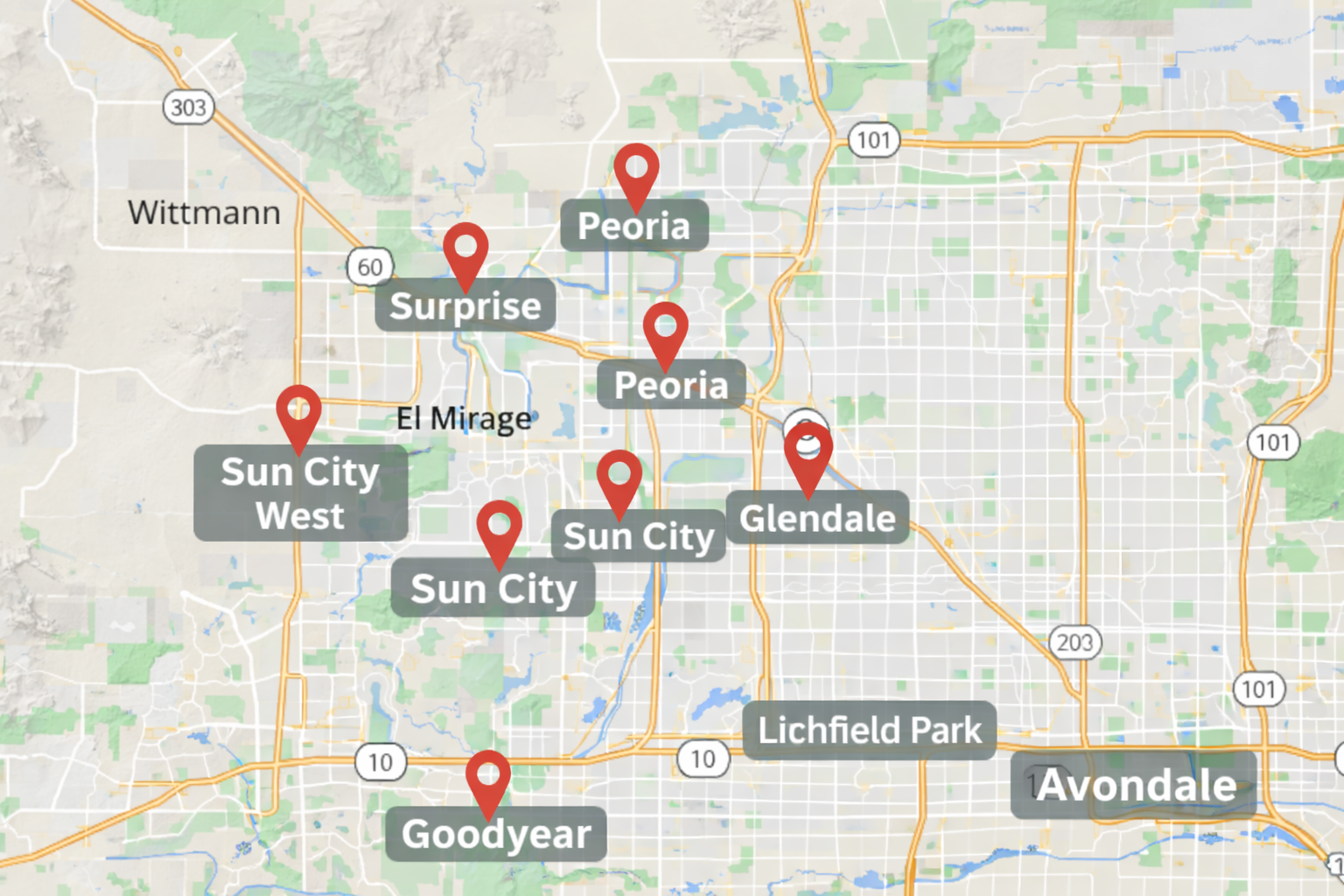
Optimizing home energy in Arizona's West Valley requires a combination of high-efficiency HVAC management, advanced attic insulation, and strategic solar integration. Residents in cities like Buckeye, Goodyear, and Surprise can reduce utility costs by prioritizing thermal envelope sealing, utilizing time-of-use rate plans from APS or SRP, and installing variable-speed pool pumps to combat desert heat.
The West Valley of the Phoenix metropolitan area presents a unique set of challenges for homeowners. From the sprawling new developments in Buckeye and Verrado to the established neighborhoods of Glendale and Peoria, the Sonoran Desert climate demands a specialized approach to home maintenance. In 2026, as energy costs fluctuate and temperatures continue to challenge regional power grids, implementing local-specific energy strategies is no longer just about comfort—it is a financial necessity.
Mastering the HVAC System in the Desert Heat
In the West Valley, the heating, ventilation, and air conditioning (HVAC) system is the primary driver of energy consumption, often accounting for more than 50% of a summer utility bill. By 2026, standards for efficiency have evolved, making it critical to understand how your specific system interacts with the dry heat and occasional monsoon humidity.
High-Efficiency Cooling Standards
If your home was built before 2023, your AC unit likely operates on older SEER (Seasonal Energy Efficiency Ratio) standards. As of 2026, the industry has fully transitioned to SEER2 ratings, which provide a more accurate representation of how units perform under the high external static pressure common in Arizona ductwork. When considering an upgrade, West Valley residents should look for units with a SEER2 rating of 16 or higher. Variable-speed compressors are particularly effective in this region because they can ramp down during the cooler morning hours and ramp up gradually as the afternoon sun hits the west-facing walls of the home.
Pre-Cooling Strategies
One of the most effective Arizona West Valley home energy tips is the "pre-cooling" method, specifically for those on Time-of-Use (TOU) plans with Arizona Public Service (APS) or Salt River Project (SRP). This involves "super-cooling" your home during off-peak hours (typically late at night and early morning) when electricity rates are lowest. By dropping the thermostat to 68–72°F during off-peak times, the thermal mass of your home (walls, furniture, flooring) stays cool longer into the afternoon, allowing you to raise the thermostat to 78–82°F during the expensive "on-peak" window without immediate discomfort.
Critical Maintenance and Airflow
The dust of the West Valley, exacerbated by ongoing construction in areas like Surprise and Goodyear, can wreak havoc on HVAC components.
- Filter Replacement: In the desert, a standard 1-inch pleated filter should be changed every 30 days during the summer.
- Condenser Cleaning: The outdoor unit (condenser) must be kept clear of debris and desert sand. A gentle rinse with a garden hose once a month can prevent the "clogging" that forces the compressor to work harder.
- Duct Integrity: Leaky ducts can waste up to 20% of your cooled air before it ever reaches your living space. Professional duct sealing (such as Aeroseal) is often more cost-effective than replacing the entire AC unit.
The Thermal Envelope: Insulation and Sealing
In the West Valley, the sun doesn't just heat the air; it radiates intense energy directly into your home's structure. Strengthening the "envelope" of your home—the barrier between the conditioned interior and the brutal exterior—is the most permanent way to lower energy costs.
Attic Insulation and R-Values
Many older homes in the West Valley were built with R-30 insulation, which is insufficient for 115°F summers. The Department of Energy now recommends an R-49 to R-60 rating for attic insulation in Zone 2 climates (which includes Phoenix). Upgrading to blown-in cellulose or spray foam can significantly reduce the "oven effect" where heat from the attic radiates through the ceiling long after the sun has set.
Radiant Barriers and Attic Ventilation
A radiant barrier—a reflective material installed on the underside of the roof rafters—is particularly effective in the West Valley. These barriers reflect thermal radiation back out of the roof rather than letting it soak into the insulation. Furthermore, ensuring that your soffit vents and ridge vents are not blocked is vital. In 2026, many homeowners are opting for solar-powered attic fans to increase airflow without adding to their electric bill.
Sealing Air Leaks
Small gaps around windows, doors, and electrical outlets act like a "vacuum," pulling hot desert air into your home.
- Weatherstripping: Replace worn-out seals on exterior doors.
- Caulking: Inspect the exterior window frames for cracks caused by the intense UV rays, which can dry out standard sealants within a few years.
- Recessed Lighting: Older "can" lights are often unsealed, allowing cool air to escape directly into the attic. Replacing these with airtight, IC-rated LED inserts is a simple DIY energy-saving task.
Windows and Solar Heat Gain
The West Valley is known for its wide-open landscapes and intense afternoon sun. Because many homes in areas like Buckeye and Surprise are situated on larger lots with less mature tree shade, windows become a major vulnerability.
Window Films and Tints
If replacing windows is not in the budget, high-performance ceramic window films are a game-changer. Unlike the "mirror" tints of the past, modern ceramic films are virtually clear but can block up to 99% of UV rays and a significant portion of infrared heat. This prevents the "hot spot" effect near west-facing windows in the late afternoon.
Exterior Shading Solutions
The most effective way to keep a window cool is to prevent the sun from hitting it in the first place.
- Sun Screens: Dark-colored solar screens installed on the exterior of windows can block 70% to 90% of solar heat before it reaches the glass.
- Awnings and Overhangs: In the West Valley, deep overhangs are a staple of "desert-modern" architecture for a reason. They provide passive shading during the peak of summer while allowing light in during the winter when the sun is lower in the sky.
Energy Management for Outdoor Features
West Valley living often includes outdoor amenities that are high energy consumers. Managing these efficiently is a key part of a comprehensive home energy plan.
Variable-Speed Pool Pumps
Pools are ubiquitous in Glendale and Goodyear. Older single-speed pool pumps are the second-highest energy consumers in a home after the AC. Switching to a variable-speed pump allows the motor to run at lower, more efficient speeds for filtration and higher speeds only when needed for cleaning. According to Energy Star, this can save homeowners over $400 annually in electricity costs.
Landscape for Energy Efficiency
Strategic landscaping can lower the temperature around your home by several degrees. While many West Valley residents prefer xeriscaping (low-water landscaping), the placement of desert-adapted trees like the Palo Verde or Desert Willow on the western and southern sides of the home can provide critical "living shade." Avoid placing large areas of decorative rock directly against the foundation of the house, as these rocks act as heat sinks that radiate warmth into the home at night.
Comparing Energy Upgrades and ROI
Not all energy-saving measures provide the same return on investment. The following table compares common upgrades for a typical 2,000-square-foot home in the West Valley as of 2026.
| Upgrade Type | Estimated Cost | Annual Savings Potential | ROI Period |
|---|---|---|---|
| Smart Thermostat | $150 – $300 | 10% – 15% on HVAC | 1 – 2 Years |
| Variable-Speed Pool Pump | $1,200 – $1,800 | $400 – $550 | 3 – 4 Years |
| Attic Insulation (R-49) | $1,500 – $2,500 | 15% – 20% Total Bill | 4 – 6 Years |
| Exterior Solar Screens | $800 – $1,500 | 25% – 30% Cooling Cost | 2 – 3 Years |
| Airtight LED Retrofits | $20 – $40 per light | $5 – $10 per bulb | 2 – 4 Years |
| Duct Sealing (Aeroseal) | $1,500 – $2,500 | 15% – 25% HVAC Load | 3 – 5 Years |
Leveraging 2026 Incentives and Rebates
In 2026, there are more financial incentives than ever for West Valley residents to go green. These programs are often distributed through federal tax credits and local utility rebates.
Federal Tax Credits (Energy Efficient Home Improvement Credit)
Under current 2026 guidelines, homeowners can often claim a tax credit for 30% of the cost of qualified energy-efficient improvements. This includes heat pumps, biomass stoves, and even certain electrical panel upgrades necessary to support new energy-efficient equipment. The credit has annual limits but resets every year, allowing for a phased approach to home upgrades.
Utility-Specific Rebates
- APS Rebates: APS frequently offers rebates for smart thermostats, high-efficiency AC units, and heat pump water heaters. They also provide "marketplace" discounts where residents can purchase energy-saving products directly at a lower cost.
- SRP Rebates: SRP offers similar incentives, including substantial rebates for insulation upgrades and duct sealing. They also have a robust shade tree program where customers can attend workshops and receive free trees to plant for energy savings.
The Role of Solar and Storage in 2026
The West Valley is an ideal location for solar energy, but the landscape for solar has shifted. In 2026, the focus is less on "net metering" and more on "self-consumption" and battery storage.
With the current export rates (what the utility pays you for excess energy) being lower than the retail purchase rate, adding a battery storage system (like a Tesla Powerwall or similar) allows you to store the energy your panels produce during the day and use it during the expensive evening peak hours. This "peak shaving" is the most effective way to maximize the ROI of a solar installation in the West Valley.
Frequently Asked Questions
What is the best thermostat setting for Arizona summers?
For most West Valley residents, the Department of Energy suggests setting the thermostat to 78°F when you are at home. However, if you are on a Time-of-Use plan, it is more efficient to "pre-cool" the home to 72°F during off-peak hours and let it rise to 80°F or 82°F during the peak afternoon hours (typically 4 PM to 7 PM or 3 PM to 6 PM depending on the provider).
Do solar screens really work in the West Valley?
Yes, solar screens are one of the most cost-effective "low-tech" solutions for Arizona homes. By stopping the sun's rays before they hit the glass, they prevent the greenhouse effect inside your rooms. They are particularly effective for west-facing bedrooms and living areas that become uncomfortably hot between 3 PM and sunset.
Is a heat pump better than a traditional AC in the desert?
In 2026, modern cold-climate and high-heat heat pumps are highly efficient in the West Valley. While traditional AC units only cool, a heat pump provides both heating and cooling. Because West Valley winters are mild, a heat pump is often much more efficient than a gas furnace or electric strip heating for those few months of cold nights.
How does the West Valley "dust" affect my solar panels?
Dust accumulation can reduce solar panel efficiency by 10% to 15%. In the West Valley, where agricultural dust and construction debris are common, it is recommended to rinse your panels with deionized water or a gentle hose spray (when the panels are cool, such as early morning) at least once a quarter to maintain peak performance.
Should I replace my windows or upgrade my insulation first?
Usually, insulation provides a much faster return on investment. Attic insulation is significantly cheaper than window replacement and addresses a larger surface area of heat transfer. Unless your windows are physically broken or single-pane, start with the attic and air sealing first.
Final Recommendation for West Valley Homeowners
To achieve the highest energy savings in the West Valley, start with a professional energy audit, which is often subsidized by APS or SRP. Focus first on the "low-hanging fruit": install a smart thermostat, switch to a variable-speed pool pump, and ensure your attic insulation meets R-49 standards. Once the thermal envelope is sealed and your high-usage appliances are optimized, consider a solar-plus-storage system to hedge against future utility rate increases. Taking these steps in 2026 will ensure your home remains a sanctuary of comfort despite the demanding Sonoran Desert environment.