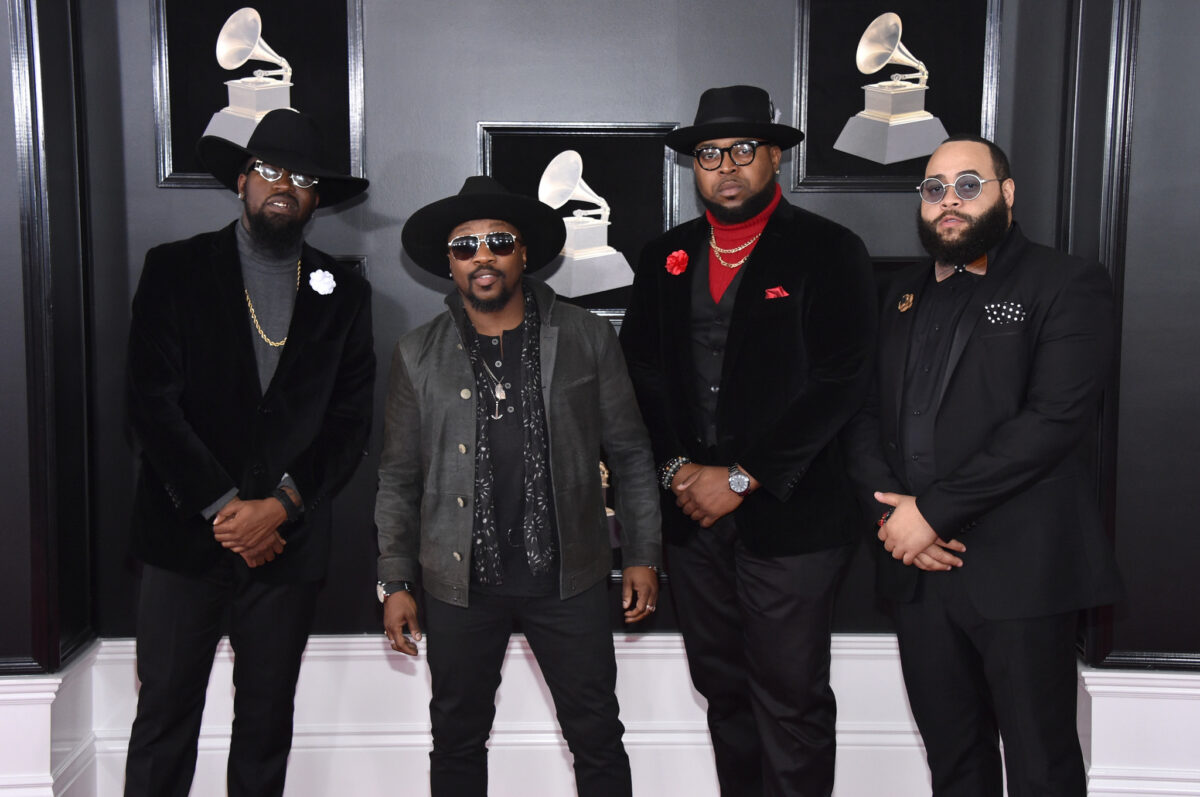
As of 2026, Antony Hamilton’s net worth is estimated to be between $10 million and $20 million. This wealth is primarily attributed to his role as the founder of Adventure World, the landmark travel brand, and the subsequent acquisition of the company by NRMA, alongside his continued involvement in various high-level travel industry consultancies and ventures.
The name Antony Hamilton is synonymous with the pioneering era of expeditionary travel. While many recognize the name from the world of entertainment, in the professional sphere of global tourism, Hamilton is the visionary who transformed niche "adventure trekking" into a structured, multi-million-dollar wholesale industry. To understand his net worth in 2026, one must look past simple bank balances and evaluate the "enterprise value" of the brands he built and the strategic timing of his exits.
The Architect of Modern Adventure: Defining the Entity
In the context of the "adventure world," Antony Hamilton is not the late British-Australian actor, but rather the entrepreneurial powerhouse who founded Adventure World Travel in 1979. At the time, the concept of "adventure travel" was loosely defined, often limited to unorganized backpacking or extreme mountaineering. Hamilton identified a massive gap in the market for "soft adventure"—travel that explored remote regions like India, Africa, and South America but with the logistical security of a professional wholesaler.
His primary contribution to the industry’s "net worth" was the creation of a distribution network that allowed retail travel agents to sell complex, multi-stop itineraries in developing nations with the same ease as a flight to London. By 2026, the global adventure tourism market has ballooned to over $1 trillion, and the foundations laid by Hamilton in the late 20th century remain the blueprints for modern operators.
The Founding and Rise of Adventure World (1979–2002)
Antony Hamilton started Adventure World with a focus on destination expertise. Unlike broad-spectrum travel agencies, Hamilton’s business model relied on niche dominance. By securing exclusive ground-operator contracts in regions that were then considered "difficult" for Western tourists, he built a competitive moat that was nearly impossible to breach.
During the 1980s and 1990s, Adventure World became the go-to wholesaler for Australian and New Zealander travelers. The financial growth during this period was exponential. Industry reports from that era suggest that Adventure World was processing tens of thousands of passengers annually, with a turnover that placed it at the top of the boutique travel sector. Hamilton’s net worth grew in lockstep with the company’s increasing "Brand Equity," which is the premium value a company realizes from a name that is well-known and respected.
Key Factors in Company Valuation:
- Wholesale Margins: Unlike retail agents who survive on 10% commissions, as a wholesaler/operator, Hamilton’s firm captured a larger slice of the value chain.
- Infrastructure Ownership: By investing in regional offices and logistics, the company moved from being a middleman to an asset-heavy entity.
- Market Share: By the late 1990s, Adventure World held a significant percentage of the "independent adventure" outbound market in Australasia.
Financial Dissection: The NRMA Acquisition and Exit Value
The most significant event impacting Antony Hamilton’s personal net worth was the sale of Adventure World to the NRMA (National Roads and Motorists' Association) in 2002. At the time, the NRMA was aggressively diversifying its portfolio into the travel sector to provide more value to its millions of members.
While the exact sale price was not publicly disclosed—consistent with private equity transactions of that scale—financial analysts in the travel sector estimated the deal to be worth between $15 million and $25 million AUD (adjusted for 2002 values). As the primary founder and shareholder, Hamilton was the chief beneficiary of this liquidity event.
The acquisition was a "strategic fit" purchase, meaning NRMA paid a premium for the brand’s intellectual property, its database of high-intent travelers, and its established supply chain in Africa and Asia. For Hamilton, this exit provided the capital that forms the bedrock of his estimated $10M-$20M net worth today, as those funds were subsequently reinvested into a diversified portfolio of property and boutique travel consultancies.
The 2026 Context: Evaluating the Long-term Equity of Adventure Brands
In 2026, the adventure travel market has shifted significantly toward sustainability and "purpose-led" journeys. Adventure World, now a key brand within The Travel Corporation (TTC) family of brands (after being sold by NRMA), continues to thrive. While Hamilton is no longer at the helm, his financial legacy is tied to the enduring nature of the brand he created.
The valuation of adventure travel founders in 2026 is often measured by their "Industry Net Worth"—a combination of personal liquid assets and the ongoing market cap of the entities they spawned. Under the stewardship of TTC, Adventure World has pivoted toward carbon-neutral travel and wildlife conservation, ensuring the brand remains a "Blue Chip" asset in the tourism world.
Comparative Analysis of Adventure Travel Founders
To provide perspective on where Hamilton sits within the industry hierarchy, the following table compares the pioneers who shaped the adventure world.
| Founder | Brand | Founding Year | Estimated Personal Net Worth (2026) | Key Financial Milestone |
|---|---|---|---|---|
| Antony Hamilton | Adventure World | 1979 | $10M - $20M | Sale to NRMA (2002) |
| Bruce Poon Tip | G Adventures | 1990 | $400M - $500M | Retention of private ownership/Global scale |
| Darrell Wade | Intrepid Travel | 1989 | $300M - $400M | PE Investment and B-Corp scaling |
| Geoff Manchester | Intrepid Travel | 1989 | $250M - $350M | Strategic partnership with TUI (later reversed) |
| Richard Bangs | MT Sobek | 1969 | $5M - $15M | Serial entrepreneurship and media ventures |
Note: Estimates are based on historical exit values, known equity holdings, and industry performance metrics as of 2026.
Strategic Diversification: Beyond the Primary Sale
The persistence of Antony Hamilton’s net worth in 2026 is also a result of savvy post-exit maneuvers. Following the sale of Adventure World, Hamilton did not exit the industry entirely. Instead, he moved into the "Value-Add" phase of his career.
- Consultancy and Board Seats: Industry veterans of Hamilton’s caliber often command five-to-six-figure retainers for advisory roles. His deep knowledge of "frontier logistics" is invaluable to private equity firms looking to acquire new travel startups.
- Property Investments: Like many successful Australian entrepreneurs from the 1980s and 90s, a significant portion of his wealth was likely funneled into the robust Australian real estate market, which has seen unprecedented growth over the last two decades.
- Boutique Ventures: Hamilton has been associated with other specialized travel brands, such as Great Divide, which focused on high-end, niche experiences that didn't compete directly with the mass-market volume of his original company.
The "Net Worth" of Influence: Industry Awards and Standing
In the "adventure world," net worth is frequently measured by influence. Hamilton’s "Social Capital" in 2026 remains high. He is often cited in travel trade publications as a pioneer who anticipated the "experience economy" long before it became a buzzword.
This influence translates into financial opportunities, such as speaking engagements and mentorship programs for the next generation of travel tech founders. While these may not add millions to his net worth annually, they preserve the "Hamilton" brand as a premium entity in the B2B travel space.
Challenges to Valuation in the 2020s
Calculating the net worth of a private individual like Antony Hamilton in 2026 involves navigating several variables:
- Inflation and Currency Fluctuations: Since his primary exit was in Australian Dollars (AUD), the relative value of his net worth fluctuates based on the strength of the AUD against the USD.
- Privacy of Private Holdings: As Hamilton is not the CEO of a publicly-traded company, many of his current assets are held in private family trusts or offshore structures, which are not subject to public disclosure.
- Philanthropic Outflows: Many pioneers of his generation have begun "giving while living," reducing their technical net worth in favor of environmental or social impact.
Frequently Asked Questions
Is Antony Hamilton still involved with Adventure World Travel?
As of 2026, Antony Hamilton has no operational control over Adventure World Travel. The company is owned by The Travel Corporation (TTC). Hamilton’s involvement ended following the transitional period after the NRMA acquisition, though he is still recognized as the "Founder Emeritus" in historical retrospectives of the brand.
How did the sale to NRMA impact his wealth?
The sale was the primary liquidity event of his career. It transformed his "paper wealth" (the estimated value of his company) into "liquid wealth" (cash and equivalents). This allowed for diversification into other asset classes, which is why his net worth has remained stable and grown despite him stepping back from the day-to-day operations of a large travel firm.
What is the "Adventure World" brand worth today?
While the specific valuation of Adventure World as a subsidiary of TTC is private, the brand is part of a global portfolio worth billions. In 2026, Adventure World is considered one of the top-performing "specialist" brands in the TTC stable, particularly due to its leadership in sustainable tourism.
Did Antony Hamilton have any other major business interests?
Yes, Hamilton has been involved with Great Divide and various travel consultancies. He has also been a prominent figure in the Australian Federation of Travel Agents (AFTA), where his leadership helped shape the regulatory environment for travel wholesalers in the Pacific region.
Are there other people named Antony Hamilton in this industry?
There is often confusion with the actor Antony Hamilton, who starred in Mission: Impossible. However, in the niche of "adventure travel" and the "adventure world" business sector, there is only one Antony Hamilton of note: the Australian travel entrepreneur.
Final Recommendation: Lessons for the Modern Travel Entrepreneur
For those looking to replicate the financial success of Antony Hamilton in the adventure world, the lesson is clear: build for exit but lead with expertise. Hamilton’s wealth was not just a result of running a travel agency, but of creating a proprietary system for navigating complex destinations.
In 2026, "net worth" in the travel industry is increasingly tied to Intellectual Property (IP) and Sustainable Logistics. If you are an investor or entrepreneur, focusing on the "un-commoditized" parts of the travel experience—just as Hamilton did in 1979—is the most reliable path to achieving a multi-million dollar valuation. For those researching Hamilton, his career serves as a masterclass in identifying a market gap and scaling it to a point of high-value acquisition.