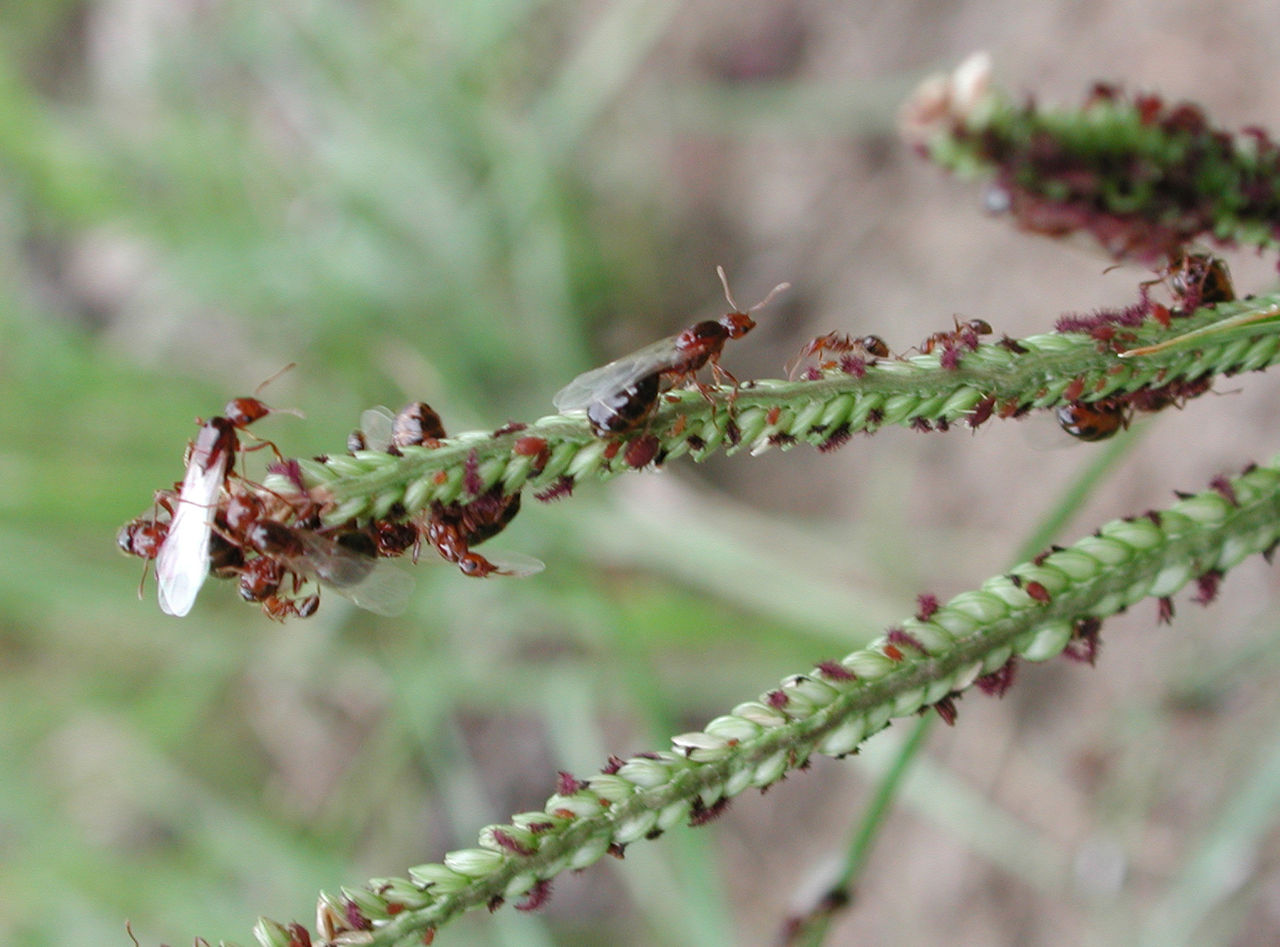
Invasive ants are non-native species that disrupt local ecosystems, damage infrastructure, and threaten human health. Often spread through global trade, these resilient pests outcompete native insects and require specialized management. Understanding their behavior and identifying high-risk species is essential for protecting biodiversity and property in 2026.
While ants are often viewed as mere household nuisances, their role as invasive species is a global ecological crisis. In 2026, as international shipping and climate shifts continue to facilitate the movement of organisms across borders, invasive ants have established themselves on every continent except Antarctica. Unlike native ants, which play a balanced role in their local environments through soil aeration and seed dispersal, invasive species often lack natural predators and possess unique biological traits that allow them to overwhelm native populations.
The Biological Profile of an Invader
To understand why certain ant species become invasive, we must look at their social structure and reproductive strategies. Most native ant species are territorial; colonies of the same species will fight each other for resources, which naturally limits their population density. However, many invasive ants exhibit unicoloniality. This means that individuals from different nests do not show aggression toward one another, effectively forming "supercolonies" that can span hundreds or even thousands of miles.
The Argentine ant (Linepithema humile) is perhaps the most famous example of this phenomenon. In its native South America, these ants are aggressive toward one another, keeping populations in check. When introduced to Europe, North America, and Japan, they formed massive, interconnected networks where every ant is treated as a nestmate. This lack of internal conflict allows them to focus all their energy on foraging and reproduction, leading to massive biomass that native species simply cannot compete with.
Furthermore, invasive ants are typically generalist feeders. They are not picky about their environment or their diet. They can thrive in disturbed habitats—such as urban gardens, construction sites, and agricultural fields—and will eat everything from nectar and seeds to small invertebrates and human refuse. This adaptability makes them extremely difficult to eradicate once they have established a foothold.
Key Invasive Ant Species and Their Global Impact
Several species stand out due to the severity of their impact on the economy, environment, and public health. Identifying these species is the first step in effective management.
Red Imported Fire Ants (Solenopsis invicta)
The Red Imported Fire Ant (RIFA) is one of the most notorious invasive species globally. Originating from South America, RIFA has spread extensively through the southern United States, parts of Australia, and China. As of 2026, their range continues to expand as they adapt to slightly cooler climates.
RIFA are known for their extreme aggression. When a nest is disturbed, hundreds of ants swarm and sting simultaneously. Their venom contains a necrotizing alkaloid that causes painful, itchy pustules and can lead to anaphylactic shock in sensitive individuals. Beyond health risks, RIFA cause billions of dollars in damage annually by nesting in electrical equipment, where they can cause short circuits and fires, and by damaging crops and livestock.
Yellow Crazy Ants (Anoplolepis gracilipes)
Named for their frantic, erratic movement when disturbed, Yellow Crazy Ants have caused catastrophic ecological collapses, most notably on Christmas Island. They do not sting but instead spray formic acid to subdue prey and defend themselves. On Christmas Island, these ants decimated the population of red land crabs, which are a keystone species for the island's forest health. The loss of these crabs led to a complete change in the forest structure, demonstrating how a single invasive insect can rewrite an entire ecosystem.
Argentine Ants (Linepithema humile)
Argentine ants are a major urban pest. They are small, brown, and travel in distinct trails. Their primary impact is the displacement of native ant species. By outcompeting local ants for food, they disrupt the "seed dispersal" services those native ants provide. Many plants rely on specific native ants to carry their seeds underground; when the native ants disappear, the plants fail to reproduce, leading to a decline in botanical diversity.
Tawny Crazy Ants (Nylanderia fulva)
Also known as Rasberry crazy ants, these insects are particularly problematic for infrastructure. Like fire ants, they are attracted to electrical fields. They often crawl into junction boxes, air conditioning units, and computer hardware. When one ant is electrocuted, it releases a pheromone that attracts more ants, eventually creating a mass of dead insects that causes the equipment to fail.
Economic and Agricultural Consequences
The financial burden of invasive ants is staggering. In agricultural settings, these ants often form mutualistic relationships with "honeydew-producing" insects like aphids and scale insects. The ants protect these pests from natural predators in exchange for the sugary secretions they produce. This protection allows aphid populations to explode, leading to increased crop damage and the spread of plant diseases.
In 2026, the estimated global cost of invasive ants—including management, crop loss, and infrastructure repair—is projected to exceed $20 billion annually. For homeowners, the presence of invasive ants can decrease property values and lead to high recurring costs for professional pest control services, as standard over-the-counter sprays are often ineffective against supercolonies.
| Species | Primary Impact | Geographic Focus (2026) | Distinguishing Feature |
|---|---|---|---|
| Red Imported Fire Ant | Health, Electricity, Agriculture | US, China, Australia | Aggressive swarming, painful stings |
| Argentine Ant | Biodiversity, Domestic Nuisance | Mediterranean climates, California | Massive supercolonies, distinct trails |
| Yellow Crazy Ant | Ecological Collapse, Acid Spray | Pacific Islands, Australia | Long legs, erratic movement |
| Little Fire Ant | Agriculture (Blindness in pets) | Hawaii, Pacific Islands, Florida | Very small, slow-moving, potent sting |
| Tawny Crazy Ant | Electrical Failure, Displacement | Gulf Coast US, South America | Attraction to electrical components |
Identification and Detection Challenges
One of the greatest hurdles in managing invasive ants is their similarity to native species. To the untrained eye, a small brown ant looks like any other. However, improper identification can lead to management failures. For example, using a repellent spray on a colony of Argentine ants often triggers a process called budding, where the colony splits into several smaller colonies to ensure survival, effectively making the infestation worse.
In 2026, detection methods have evolved to include environmental DNA (eDNA) sampling and high-resolution imaging apps. By analyzing soil or water samples for genetic material, researchers can detect the presence of invasive ants before they are even visible to the naked eye. For the general public, using macro-photography on smartphones can help experts identify species through online databases and local agricultural extension offices.
Management and Control Strategies
Managing invasive ants requires a shift from "extermination" to "Integrated Pest Management" (IPM). Because these species often exist in supercolonies, killing the ants you see on your kitchen counter does nothing to solve the problem.
The Problem with Repellent Sprays
Most household bug sprays are pyrethroids, which act as repellents. While they kill on contact, they also alert the rest of the colony to a threat. For species that practice budding, this results in the queen and a group of workers moving to a different part of the structure. This "scatter effect" spreads the infestation.
The Solution: Slow-Acting Baits
Effective control relies on the social nature of the ants. Slow-acting baits involve a food source (protein, sugar, or oil) mixed with a non-repellent insecticide. Workers find the bait, carry it back to the nest, and share it with the larvae and the queen through a process called trophallaxis. Because the poison takes time to work, the ants do not realize the food is toxic until it has been distributed throughout the entire colony.
Community-Wide Efforts
For invasive species like RIFA or Argentine ants, individual action is rarely enough. If you treat your yard but your neighbor does not, the ants will simply migrate back across the property line within weeks. In 2026, successful eradication programs usually involve neighborhood-wide or city-wide "baiting days" to ensure a massive reduction in the local population simultaneously.
The Intersection of Trade and Climate Change
The movement of invasive ants is inextricably linked to human activity. Potted plants, nursery stock, mulch, and shipping containers are the primary vehicles for their transport. A single queen hidden in the soil of an imported palm tree can start a multi-million-dollar infestation.
Climate change further complicates this issue. As global temperatures rise, areas that were previously too cold for tropical species like the Little Fire Ant (Wasmannia auropunctata) are becoming hospitable. This northward shift in temperate zones is expanding the "invasion front," requiring regions that previously had no experience with these pests to develop rapid response protocols.
The Global Invasive Species Database provides updated maps and impact assessments for these species, which are critical for policy makers and biosecurity officers. Furthermore, organizations like the USDA Animal and Plant Health Inspection Service (APHIS) enforce strict quarantine regulations to prevent the movement of soil and plants from infested areas.
Frequently Asked Questions
Can I get rid of invasive ants on my own?
While some small infestations can be managed with commercial baits, large-scale invasive ant problems usually require professional intervention. Invasive species like the Tawny Crazy Ant are often resistant to standard baits, and their sheer numbers can overwhelm DIY efforts. A professional pest control operator can identify the specific species and use specialized, non-repellent chemicals that are more effective.
Are invasive ants dangerous to pets?
Yes, certain species can be very dangerous. The Little Fire Ant is known to sting the eyes of pets and livestock, which can lead to "tropical keratopathy" or permanent blindness. Red Imported Fire Ants can also kill small or debilitated animals through repeated stings. If you live in an infested area, it is important to keep pet food indoors and monitor your animals for signs of stings or irritation.
Why are they called "crazy" ants?
The term "crazy ant" refers to several species, including the Yellow Crazy Ant and the Tawny Crazy Ant. They are called this because of their movement pattern. Unlike most ants, which follow neat, pheromone-scented trails in a straight line, crazy ants run in erratic, zig-zagging patterns when foraging or disturbed.
How do invasive ants get into my house?
Invasive ants are highly opportunistic. They often enter through tiny cracks in the foundation, gaps around windows, or along utility lines. Many species are also "hitchhikers," meaning they are brought in on infested groceries, indoor plants, or even firewood. Once inside, they seek out moisture and food sources, often nesting behind walls or under flooring.
Is it possible to completely eradicate an invasive ant species?
Complete eradication is extremely difficult once a species is established over a large area. However, it has been achieved on smaller scales, such as on specific islands or within isolated communities. In most cases, the goal of 2026 management programs is "suppression"—reducing the population to a level where its ecological and economic impact is negligible.
Practical Recommendations for 2026
If you suspect you have invasive ants, the first action should be proper identification. Do not spray them with standard supermarket aerosols, as this may exacerbate the problem. Instead, take a clear photo or collect a sample and contact your local agricultural extension office or a licensed pest professional who specializes in invasive species.
Preventative measures are also vital. Ensure that any soil, mulch, or nursery plants you bring onto your property are sourced from reputable, "ant-free" certified suppliers. Maintain a "buffer zone" around your home by keeping vegetation trimmed away from the foundation and ensuring that outdoor trash cans are sealed. By staying informed and acting quickly, you can help mitigate the spread of these destructive invaders.