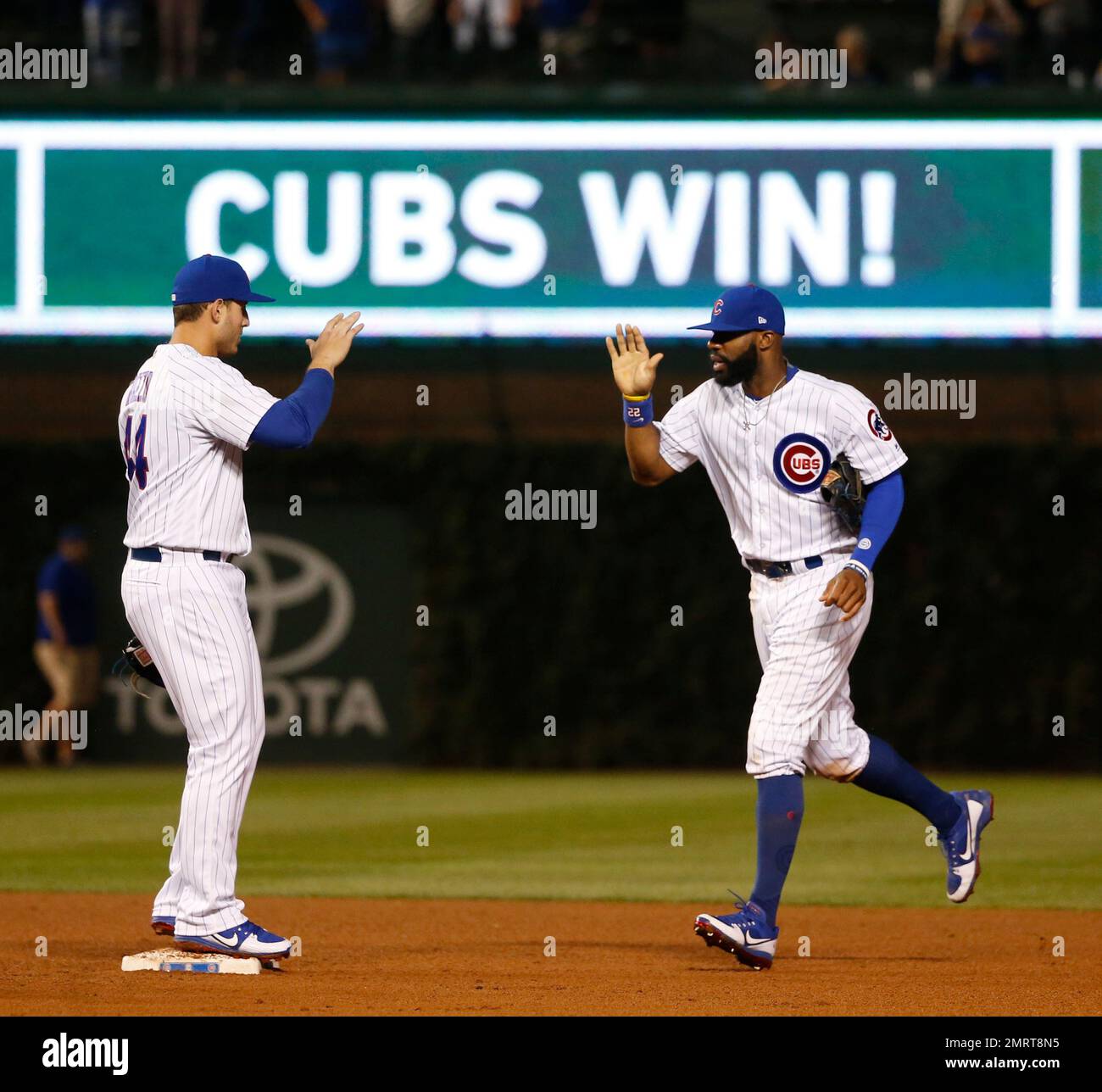
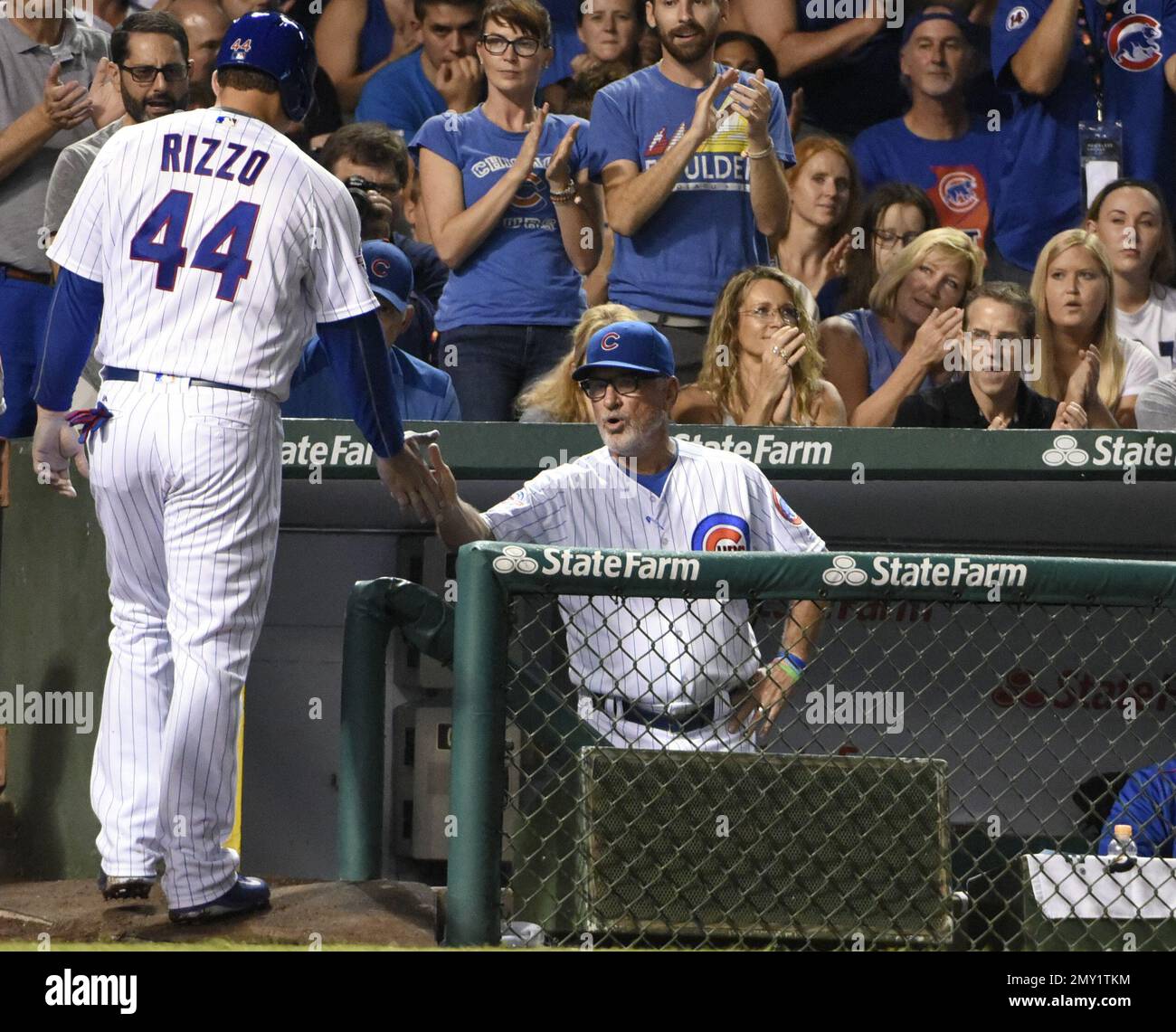
Anthony Rizzo’s relationship with the Pittsburgh Pirates is defined by a decade of intense National League Central competition, primarily during his tenure with the Chicago Cubs. As of 2026, looking back at his career, Rizzo is remembered by Pirates fans as a formidable "Pirate killer" whose aggressive baserunning, high frequency of being hit by pitches, and consistent power hitting made him one of the most influential opponents in the history of PNC Park.
The Foundation of a Rivalry: Rizzo’s Arrival in the NL Central
To understand the friction and competitive fire between Anthony Rizzo and the Pittsburgh Pirates, one must look back at the landscape of the MLB in the early 2010s. When Rizzo was traded to the Chicago Cubs in 2012, the NL Central was undergoing a massive shift. The Pirates were ending a long period of losing seasons and entering a "Golden Era" led by Andrew McCutchen, while the Cubs were beginning a "scorched-earth" rebuild under Theo Epstein.
Rizzo quickly became the face of the Cubs’ franchise. As a left-handed power hitter with an exceptionally crowded stance at the plate, he was mathematically and strategically positioned to wreak havoc on the Pirates’ pitching staff. Between 2013 and 2015, as both teams rose to prominence simultaneously, every series between Chicago and Pittsburgh felt like a playoff preview. Rizzo was at the center of this, not just as a statistical powerhouse, but as an emotional leader whose playstyle often clashed with the Pirates' old-school grit.
The 2015 NL Wild Card Game: A Turning Point
The peak of the Rizzo-Pirates tension arguably began with the 2015 National League Wild Card Game. The Pirates had won 98 games—the second-best record in baseball—but because the Cardinals won 100, Pittsburgh was forced into a winner-take-all game against Rizzo’s Cubs. While Jake Arrieta dominated the headlines that night, Rizzo’s presence in the lineup forced the Pirates into defensive shifts and pitching traps that eventually failed. The Cubs’ victory effectively ended the Pirates’ best window for a World Series title in the 21st century, cementing Rizzo as a primary antagonist in the eyes of the Steel City.
The Controversial Slide: May 28, 2018
Perhaps the most debated moment in the history of "Anthony Rizzo and the Pirates" occurred on Memorial Day in 2018. This single play became a catalyst for league-wide discussions regarding player safety, the "Bona Fide Slide" rule (Rule 6.01(j)), and the unwritten rules of baseball.
During the game at Wrigley Field, Rizzo was on third base when a ball was hit to the infield. As he broke for home, the throw arrived at Pirates catcher Elias Díaz. Rizzo launched into a slide that redirected his path away from the plate and directly into Díaz’s right leg. The collision caused Díaz to throw wildly into right field, allowing two runs to score.
The Immediate Fallout
The Pirates’ dugout, led by then-manager Clint Hurdle, was incensed. They argued that Rizzo’s slide was a clear violation of the rules intended to protect catchers and middle infielders. Initial reviews by the umpiring crew ruled the play legal, citing that Rizzo was able to touch the plate with his hand.
However, the controversy didn't end with the final out. The following day, Major League Baseball’s Office of the Commissioner issued a statement clarifying that the slide should have been ruled as interference. This rare admission of an umpiring error fueled the narrative that Rizzo played with a "dirty" edge—a claim Cubs fans vehemently denied, arguing instead that he was simply a hard-nosed competitor playing the game as it had been played for a century.
Impact on Rule Enforcement
The Rizzo-Díaz incident remains a case study used by MLB officiating to train umpires on the nuances of Rule 6.01(j). It highlighted the difficulty of balancing a runner's right to the baseline with a fielder's safety. For the Pirates, it served as a bitter reminder of the perceived "big market" bias they felt the Cubs enjoyed during that era.
Statistical Dominance: Rizzo as the "Pirate Killer"
Beyond the controversies, the numbers tell the story of a player who simply understood how to beat Pittsburgh. Anthony Rizzo’s career statistics against the Pirates are among the best of any opponent in the divisional era.
Rizzo thrived at PNC Park. While many left-handed hitters struggle with the deep right-center field dimensions of the Pirates' home turf, Rizzo’s ability to pull the ball with high launch angles allowed him to clear the 21-foot-high right-field wall (honoring Roberto Clemente) with surprising frequency.
Career Statistical Breakdown vs. Pittsburgh
| Metric | Value (Approximate Career Total) | Context |
|---|---|---|
| Games Played | 165+ | Most against any single opponent. |
| Home Runs | 30 | Averaged a HR roughly every 5.5 games against PIT. |
| RBIs | 105 | Consistently drove in runs during high-leverage innings. |
| On-Base Percentage (OBP) | .375 | Bolstered by a high walk rate and HBPs. |
| Hit By Pitch (HBP) | 25+ | More than any other opponent in his career. |
The high number of times Rizzo was hit by a pitch (HBP) against the Pirates is particularly noteworthy. Rizzo’s hitting style involved leaning over the inner half of the plate. Pirates pitchers, particularly under the coaching philosophy of Ray Searage, were encouraged to "pitch inside" to reclaim the plate. This collision of philosophies led to Rizzo being plunked dozens of times, often leading to bench-clearing stares and occasional shouting matches between the mounds and the Cubs' dugout.
The Defensive Wall: Rizzo’s Gold Glove Impact
While his bat did most of the damage, Rizzo’s defensive play at first base often stifled Pirates rallies. The Pirates of the 2010s relied heavily on "small ball"—bunting, aggressive baserunning, and hitting behind the runner. Rizzo, a multi-time Gold Glove winner, was masterfully adept at charging bunts and stretching for errant throws, often neutralizing the Pirates' speed-based offense.
One of his most famous defensive maneuvers against Pittsburgh involved his "over-the-tarp" catches at Wrigley Field. Because the foul territory in Chicago is uniquely cramped, Rizzo frequently risked injury to lean into the stands or jump onto the rolled-up tarp to snag foul balls, often robbing Pirates hitters of a second chance at an at-bat.
Transition to the Yankees and the End of an Era
When Anthony Rizzo was traded to the New York Yankees in July 2021, the immediate pressure of the Rizzo-Pirates rivalry evaporated. Moving to the American League meant fewer matchups, and the heated divisional race of the mid-2010s had already begun to cool as both teams entered different phases of their respective lifecycles.
However, even in a Yankees uniform, Rizzo’s rare returns to Pittsburgh or matchups against the Pirates in interleague play were met with a mix of boos and begrudging respect. By 2026, as Rizzo reaches the final chapters of his professional career, the vitriol has largely been replaced by historical appreciation. Sports historians now view the Rizzo vs. Pirates era as a microcosm of the intense, physical, and often brilliant baseball that defined the NL Central for a decade.
Why the Rivalry Mattered to MLB
The friction between Anthony Rizzo and the Pirates wasn't just about one player and one team; it represented a clash of baseball cultures.
- The Cubs Perspective: Rizzo represented the "New Age" of baseball—data-driven, high-energy, and unapologetically aggressive.
- The Pirates Perspective: They saw themselves as the "Blue Collar" underdog, fighting against a powerhouse that they felt played outside the bounds of traditional sportsmanship.
This tension drove ticket sales, increased regional television ratings (on networks like ROOT Sports and Marquee), and created some of the most memorable regular-season broadcasts of the last twenty years.
Frequently Asked Questions
Did Anthony Rizzo ever play for the Pittsburgh Pirates?
No, Anthony Rizzo never played for the Pirates. He began his career with the San Diego Padres before being traded to the Chicago Cubs, where he played the majority of his career. He later joined the New York Yankees.
How many times was Anthony Rizzo hit by a pitch by Pirates pitchers?
Throughout his career, Rizzo was hit by Pirates pitchers over 25 times. This high frequency was due to his aggressive "crowding" of the plate and the Pirates' organizational strategy of pitching aggressively inside to left-handed power hitters.
What was the "Bona Fide Slide" rule change related to Rizzo?
Following the 2018 collision between Rizzo and Pirates catcher Elias Díaz, MLB clarified Rule 6.01(j). The rule requires runners to make a "bona fide attempt" to reach and stay on the base. Rizzo’s slide was deemed problematic because he deviated from his path to the plate to initiate contact with the fielder, leading to stricter enforcement of the rule in subsequent seasons.
Who has the most home runs against the Pirates in the modern era?
While several players have high totals, Anthony Rizzo consistently ranks in the top five for home runs against the Pirates since 2012. His 30+ home runs against the franchise make him one of their most frequent tormentors in the current divisional alignment.
Is there still "bad blood" between Rizzo and the Pirates in 2026?
By 2026, most of the players and coaching staff involved in the 2015-2018 peak rivalry have retired or moved to other teams. While fans in Pittsburgh still remember the 2018 slide, the "bad blood" has largely cooled into a historical footnote, though Rizzo remains a "villain" in the local lore of PNC Park.
Summary of the Rizzo-Pirates Legacy
For fans of the Pittsburgh Pirates, Anthony Rizzo remains a symbol of a difficult era where a divisional rival stood between them and championship glory. For fans of Rizzo, his performances against Pittsburgh were a testament to his durability, his tactical intelligence at the plate, and his "win-at-all-costs" mentality.
If you are a collector of baseball history or a fan of divisional rivalries, reviewing the game logs from the 2015–2018 Cubs-Pirates series provides a masterclass in how individual player dynamics can shape the trajectory of entire franchises. Whether you view him as a gritty competitor or a boundary-pusher, Rizzo’s impact on the Pittsburgh Pirates' history is undeniable and deeply etched into the record books of the NL Central.