The term sea bass is not a single species of fish but rather a broad umbrella name used for dozens of different species across several distinct families. Depending on the region and the culinary context, another name for sea bass could be Branzino, Patagonian Toothfish, Barramundi, Loup de Mer, or Black Sea Bass. Understanding these aliases is essential for navigating restaurant menus and seafood markets effectively in 2026.
Because the name "sea bass" has significant marketing appeal, it is often applied to fish that are biologically unrelated to the true bass family. This can lead to confusion for consumers who may be looking for a specific texture or flavor profile. To truly understand what you are buying or eating, you must look beyond the generic label and identify the specific biological or regional name of the fish in question.
The Taxonomy of "Sea Bass": A Marketing Success Story
In the world of seafood, names are often chosen more for their "plate appeal" than for their scientific accuracy. The term "sea bass" evokes an image of a clean, white-fleshed, mild-tasting fish, which is highly desirable in Western markets. Consequently, many fish that have unappealing original names have been rebranded as types of sea bass.
Biologically, "true" sea bass belong to the family Serranidae, which includes over 450 species. However, the most famous "sea bass" on modern menus—the Chilean Sea Bass—isn't a bass at all. This disconnect between taxonomy and marketing is the primary reason why there are so many different names for this category of fish. In 2026, international labeling laws have become more stringent, but the common aliases remain deeply embedded in global culinary culture.
European Sea Bass: Branzino and Loup de Mer
The European sea bass (Dicentrarchus labrax) is perhaps the most iconic fish to bear the name. It is a staple of Mediterranean cuisine and is highly prized for its flaky, delicate texture and sweet, mild flavor. If you are dining in a high-end restaurant, you are unlikely to see it listed as "sea bass." Instead, you will encounter its regional European names.
Branzino
Branzino is the Italian name for the European sea bass. It has become the most recognized alias for this fish in North America and the United Kingdom. When a menu lists "Whole Roasted Branzino," it refers to a fish that is typically farmed in the Mediterranean (often in Greece, Turkey, or Italy) and served whole. The skin is thin and becomes very crispy when grilled or roasted, which is a hallmark of the dish.
Loup de Mer
In France, the European sea bass is known as Loup de Mer, which translates literally to "wolf of the sea." This name refers to the fish's predatory nature and its habit of hunting in packs. In the culinary world, "Loup de Mer" is synonymous with luxury. It is often prepared en croûte de sel (in a salt crust), a method that seals in moisture and highlights the fish's natural oils.
Spigola and Robalo
In southern Italy, you might hear the fish called Spigola, while in Portugal and Spain, it is often referred to as Robalo. Despite these different names, the biological entity remains the same. The choice of name usually indicates the regional culinary tradition being followed in the kitchen.
The Chilean Sea Bass: The Patagonian Toothfish
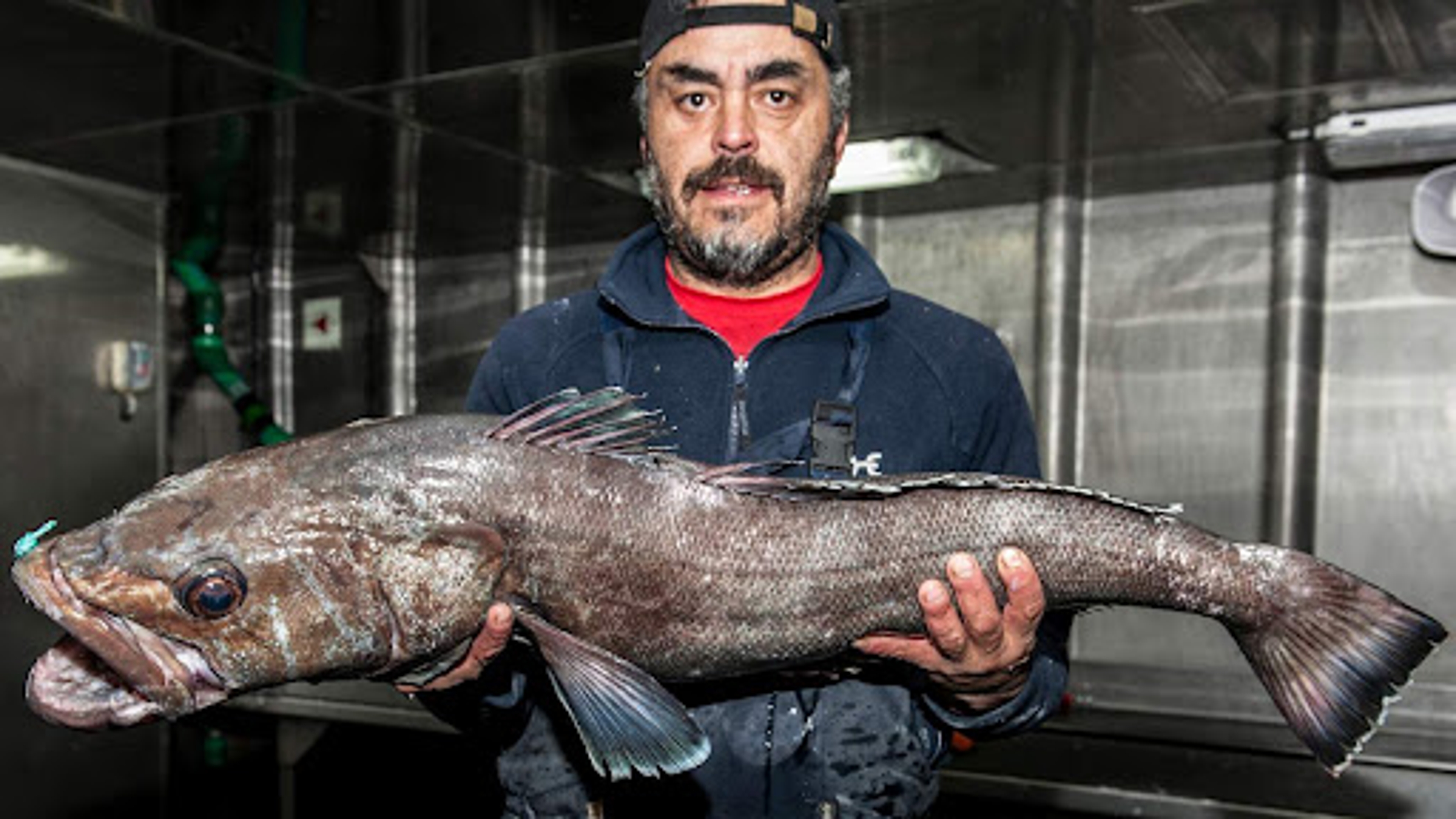
The most famous example of seafood rebranding is the Chilean Sea Bass. Biologically known as the Patagonian Toothfish (Dissostichus eleginoides), this fish lives in the icy, deep waters of the Southern Ocean near Antarctica.
The Rebranding History
In the late 1970s, seafood wholesaler Lee Lantz realized that "Patagonian Toothfish" was an unappealing name for American consumers. He chose "Chilean Sea Bass" because it sounded familiar and upscale, despite the fish not being a bass and often not being caught in Chilean waters. By the early 2000s, it had become one of the most popular fish in the world, leading to significant overfishing concerns.
Culinary Characteristics
Chilean Sea Bass is prized for its exceptionally high fat content and large, moist flakes. Unlike the European sea bass, which is lean, the "toothfish" is buttery and rich, often compared to lobster or scallops in richness. In 2026, most Chilean Sea Bass is sold with Marine Stewardship Council (MSC) certification to ensure the species' survival, as it is a slow-growing fish that is vulnerable to depletion.
Barramundi: The Asian Sea Bass
Barramundi (Lates calcarifer) is widely known throughout Southeast Asia and Australia as the Asian Sea Bass. It is a catadromous species, meaning it lives in both freshwater and saltwater throughout its lifecycle.
In Australia, the name "Barramundi" is an Aboriginal word meaning "large-scaled river fish." It is a national icon and a staple of the Australian diet. However, in international trade and across much of Asia (including Thailand, Malaysia, and Singapore), it is almost exclusively marketed as sea bass or Asian sea bass.
Barramundi has gained massive popularity in the United States and Europe in recent years because it is one of the most sustainable fish to farm. It has a mild, buttery flavor and a "cleaner" taste than many other white fish, making it a versatile substitute for more expensive or endangered species.
Black Sea Bass: The Atlantic Original
For many fishers and chefs on the East Coast of the United States, "sea bass" refers specifically to the Black Sea Bass (Centropristis striata). This is a true member of the Serranidae family.
Black sea bass are relatively small, typically weighing between 1.5 and 5 pounds. They have dark, smoky-gray to black scales and white flesh that is firm and lean. Because they are wild-caught and have a limited season, they are considered a seasonal delicacy. In the Mid-Atlantic and New England regions, you will rarely hear them called anything other than black sea bass, though they are occasionally referred to as Black Will or Hannaill.
Summary of Sea Bass Synonyms and Varieties
The following table provides a quick reference for the various fish commonly referred to as "sea bass" and their alternative names.
| Common Name | Scientific Name | Primary Alias | Regional Names | Flavor Profile |
|---|---|---|---|---|
| European Sea Bass | Dicentrarchus labrax | Branzino | Loup de Mer, Spigola, Robalo | Mild, sweet, lean, flaky |
| Patagonian Toothfish | Dissostichus eleginoides | Chilean Sea Bass | Merluza Negra, Antarctic Toothfish | Rich, buttery, high-fat |
| Barramundi | Lates calcarifer | Asian Sea Bass | Giant Perch, Cockup, Bheti | Buttery, mild, medium-firm |
| Black Sea Bass | Centropristis striata | Black Sea Bass | Black Will, Rock Bass (local) | Sweet, firm, small flake |
| Giant Sea Bass | Stereolepis gigas | Black Bass (Pacific) | Californian Sea Bass | Dense, meaty (rarely sold) |
| White Sea Bass | Atractoscion nobilis | Kingcroaker | Corvina (mistakenly) | Firm, mild (actually a drum) |
Identifying "Imposter" Sea Bass
Because the name carries such weight, several fish are frequently mislabeled or confused with sea bass.
- White Sea Bass: Found off the coast of California, this is actually a member of the Croaker family (Sciaenidae). While delicious and firm, it lacks the delicate flake of a true Serranid.
- Giant Sea Bass: These are massive fish that can grow to over 500 pounds. They are largely protected in many areas (such as California) and are rarely found in commercial markets today.
- Stone Bass: Often used as a substitute in European kitchens, this is actually the Atlantic Wreckfish. It has a similar texture to sea bass but is generally more affordable.
Culinary Preparation by Name
The name used for the sea bass often dictates the best way to cook it. If you have purchased a fish labeled as Branzino, it is best suited for high-heat roasting or grilling, typically whole. The bones of the European sea bass contribute significant flavor to the flesh during the cooking process.
If your fish is labeled Chilean Sea Bass, it can withstand much higher temperatures and longer cooking times without drying out due to its high oil content. It is excellent for pan-searing, miso-glazing, or poaching.
For Barramundi or Asian Sea Bass, the fish is incredibly versatile. It is robust enough to be used in curries or soups (as is common in Thai cuisine) but delicate enough to be steamed with ginger and scallions.
Sustainability and Sourcing in 2026
As of 2026, the global seafood market has moved toward a "Traceability First" model. When you see "sea bass" on a label, look for the following certifications or data points to ensure you are getting what you paid for:
- Farmed vs. Wild: Most Branzino and Barramundi are now sustainably farmed in recirculating aquaculture systems (RAS) or open-sea cages.
- Country of Origin: Authentic Branzino should come from the Mediterranean basin. Chilean Sea Bass should ideally be sourced from the Ross Sea or other MSC-certified Antarctic fisheries.
- Scientific Name: In 2026, many high-end retailers include the Latin name on the packaging to resolve the ambiguity of common names.
Frequently Asked Questions
Is Chilean sea bass actually a bass?
No. Chilean sea bass is a marketing name for the Patagonian Toothfish (Dissostichus eleginoides). It belongs to the Nototheniidae family (cod icefishes), not the Serranidae (true sea bass) family. It was renamed in 1977 to make it more appealing to the North American market.
What is the difference between Branzino and sea bass?
Branzino is specifically the Italian name for the European sea bass (Dicentrarchus labrax). While all Branzino are European sea bass, not all "sea bass" are Branzino. The term "sea bass" is often used for different species like the Black Sea Bass or Barramundi, which have different textures and flavors.
Why is sea bass so expensive?
The price of sea bass depends on the species. Chilean sea bass is expensive because it is caught in remote, dangerous Antarctic waters and is subject to strict catch quotas. European sea bass (Branzino) is priced higher due to the demand for high-quality, whole-fish presentations and the costs associated with Mediterranean aquaculture.
Can I substitute Grouper for Sea Bass?
Yes. Grouper is a close biological relative of the true sea bass (both are in the Serranidae family). Grouper has a similar mild, sweet flavor and firm texture. However, Grouper typically has larger flakes and is thicker than European sea bass, making it a better substitute for Chilean sea bass or Black sea bass.
What is another name for sea bass in Asia?
In Asia, the most common name for sea bass is Barramundi or Asian Sea Bass. In local languages, it is known as Pla Kapong (Thai), Siakap (Malay), or Bheti (Bengali).
Expert Recommendation
When shopping for or ordering "sea bass," always ask for the specific species or the region of origin. If you want a buttery, luxurious experience, seek out Chilean Sea Bass (Patagonian Toothfish). If you prefer a traditional Mediterranean meal with crispy skin and delicate white meat, ask for Branzino or Loup de Mer. For a sustainable, everyday option that works well in a variety of recipes, Barramundi is the superior choice. Knowing these names ensures that you receive the flavor and texture profile you expect while supporting more transparent seafood labeling practices.