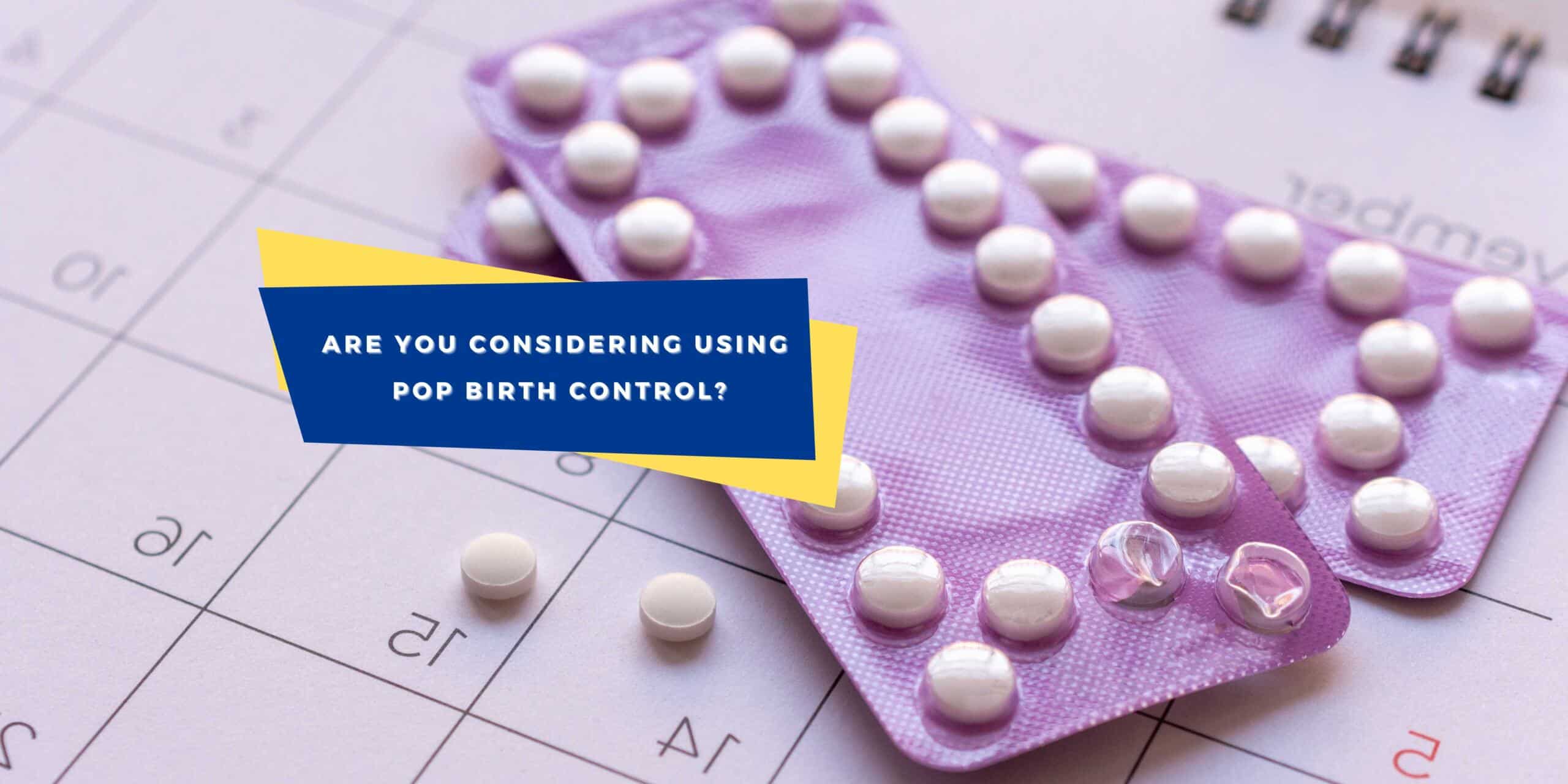
When you are prescribed an antibiotic like amoxicillin while taking oral contraceptives, it is common to worry about a potential interaction leading to an unexpected pregnancy. Fortunately, for the vast majority of commonly used antibiotics, including amoxicillin, scientific research shows no evidence that they reduce the effectiveness of standard birth control pills, patches, or rings. However, understanding how antibiotics impact your body, recognizing the few exceptions, and knowing when to use backup methods are essential steps for protecting your reproductive health.
Understanding the Relationship Between Antibiotics and Contraception
The concern that antibiotics can render birth control ineffective is widespread, largely driven by historical misconceptions and an abundance of caution from early medical literature. To understand how medications interact within the body, it helps to examine how both oral contraceptives and antibiotics are processed, metabolized, and cleared by the digestive and circulatory systems.
Birth control pills typically contain synthetic hormones—estrogen, progestin, or a combination of both—that prevent ovulation, thicken cervical mucus to block sperm, and thin the uterine lining. These hormones are absorbed through your gastrointestinal tract, processed by your liver, and maintained at specific levels in your bloodstream to suppress your reproductive cycle.
When you take a medication like amoxicillin, which belongs to the penicillin class of antibiotics, your body works to eliminate the bacterial infection. Unlike certain broad-spectrum antibiotics, amoxicillin does not induce liver enzymes that speed up the breakdown of contraceptive hormones. Consequently, the concentration of estrogen and progestin in your bloodstream remains stable, ensuring that your birth control continues to function as intended.
The Exception: Rifampin and Enzyme-Inducing Medications
While amoxicillin does not interfere with hormonal birth control, it is vital to distinguish it from the small group of antibiotics that actually do interact with contraceptives. The most notable exception is rifampin (and rifabutin), which is used to treat tuberculosis and certain other severe bacterial infections.
Rifampin is a potent inducer of hepatic cytochrome P450 enzymes—specifically the CYP3A4 enzyme in the liver. When these enzymes are upregulated, they metabolize and clear estrogen and progestin out of your system much faster than normal. This rapid elimination causes hormone levels in the blood to drop significantly, potentially allowing ovulation to occur.
According to guidelines from the American College of Obstetricians and Gynecologists (ACOG) and the Centers for Disease Control and Prevention (CDC), patients taking rifampin-class antibiotics must use non-hormonal backup contraception, such as male or female condoms, while taking the medication and for at least 28 days after stopping it. Amoxicillin, doxycycline, azithromycin, and standard fluoroquinolones do not share this property and do not require backup methods for contraceptive failure prevention.
| Antibiotic Class / Medication | Effect on Hormonal Birth Control | Backup Contraception Required? |
|---|---|---|
| Amoxicillin (Penicillin class) | None; does not alter liver enzyme metabolism. | No (unless experiencing severe vomiting/diarrhea) |
| Azithromycin (Macrolide class) | None; safe for concurrent use. | No |
| Doxycycline (Tetracycline class) | None; safe for concurrent use. | No |
| Rifampin (Rifamycin class) | Induces liver enzymes, rapidly clearing hormones. | Yes (condoms required during and 28 days post-treatment) |
Gastrointestinal Side Effects and Birth Control Absorption
Even though amoxicillin does not chemically interact with birth control hormones, there is a secondary mechanism through which any antibiotic—or illness itself—can temporarily compromise contraceptive efficacy: severe gastrointestinal distress.
Amoxicillin frequently causes side effects such as nausea, abdominal discomfort, and diarrhea. If you experience severe, acute diarrhea or vomiting within two to three hours of taking your combined oral contraceptive pill, your body may not have had enough time to fully absorb the hormonal dose.
In this specific scenario, the missed absorption should be treated according to your specific pill pack's missed-dose instructions. If you throw up shortly after swallowing your pill, you should take another pill from a backup pack as soon as possible to maintain steady hormone levels. Mild stomach upset or loose stools generally do not affect absorption, but persistent gastrointestinal illness warrants the use of barrier methods like condoms until normal digestion resumes.
Non-Interactions vs. Non-Hormonal Methods
It is also helpful to consider how different types of birth control interact with medications overall. While combination pills, mini-pills (progestin-only pills), contraceptive patches, vaginal rings, and hormonal intrauterine devices (IUDs) rely on circulating hormones, non-hormonal birth control methods operate entirely independently of liver metabolism.
Copper IUDs (such as ParaGard) rely on a local inflammatory reaction in the uterus caused by copper ions, which is toxic to sperm. Because copper IUDs do not use hormones, neither amoxicillin nor any other systemic antibiotic has any impact on their efficacy. Barrier methods like male and female condoms, diaphragms, and cervical caps are also completely unaffected by systemic antibiotic use.
| Birth Control Type | Hormonal Basis | Susceptible to Enzyme-Inducing Antibiotics? | Susceptible to Amoxicillin? |
|---|---|---|---|
| Combination Pill | Estrogen & Progestin | Yes (Rifampin only) | No |
| Mini-Pill (POP) | Progestin only | Yes (Rifampin only) | No |
| Contraceptive Patch / Ring | Estrogen & Progestin | Yes (Rifampin only) | No |
| Hormonal IUD | Progestin local release | Minimal systemic effect, but caution advised | No |
| Copper IUD | None (Copper ions) | No | No |
Communicating with Your Healthcare Provider
When receiving a prescription for amoxicillin or any other medication, open communication with your prescribing physician and pharmacist is always the safest course of action. Healthcare professionals can review your complete medication profile, verify whether you are taking any enzyme-inducing drugs, and provide clear guidance tailored to your specific health needs.
If you are taking anticonvulsants, certain antifungals, or herbal supplements like St. John's wort alongside your birth control, these substances can interact with your contraceptives, even though amoxicillin does not. Disclosing all prescription drugs, over-the-counter medications, and supplements ensures that potential multi-drug interactions are caught early.
Disclaimer: This article is for informational purposes only and does not constitute formal medical advice. Always consult a qualified healthcare provider or pharmacist regarding prescription drug interactions, contraceptive management, and personal health concerns.
Frequently Asked Questions
Does amoxicillin make birth control pills less effective?
No, clinical studies and health authorities confirm that amoxicillin does not reduce the effectiveness of standard hormonal birth control pills, patches, or rings. It does not speed up the metabolism of contraceptive hormones in the liver.
Do I need to use condoms while taking amoxicillin?
You do not need to use backup barrier methods like condoms solely because you are taking amoxicillin. However, if you experience severe vomiting or acute diarrhea shortly after taking your pill, or if you are taking an unrelated enzyme-inducing medication like rifampin, backup contraception is recommended.
What should I do if I throw up after taking my birth control pill while sick?
If you vomit within two to three hours of swallowing your birth control pill, your body may not have absorbed the hormones. Refer to your pill pack's instructions for a missed pill, take an active pill from a spare pack immediately, and use backup barrier methods for the next seven days if required by your specific formulation.
Are there any antibiotics that do interact with birth control?
Yes, antibiotics in the rifamycin class, such as rifampin used for tuberculosis treatment, significantly induce liver enzymes and accelerate the breakdown of contraceptive hormones. This interaction can lower hormone levels and increase the risk of pregnancy, requiring non-hormonal backup methods.
Can amoxicillin affect my period?
Amoxicillin itself does not alter your menstrual cycle or cause irregular bleeding. However, the underlying infection, physical stress, fever, or illness that prompted the antibiotic prescription can sometimes temporarily disrupt your cycle or cause spotting.
Conclusion and Next Actions
Navigating medication safety can feel overwhelming, but when it comes to amoxicillin and birth control, you can rest assured that standard oral contraceptives remain fully effective. To ensure complete peace of mind during your treatment, continue taking your birth control consistently at the same time every day. If you experience severe digestive side effects that disrupt pill absorption, utilize backup barrier methods and consult your pharmacist or healthcare provider for personalized guidance.