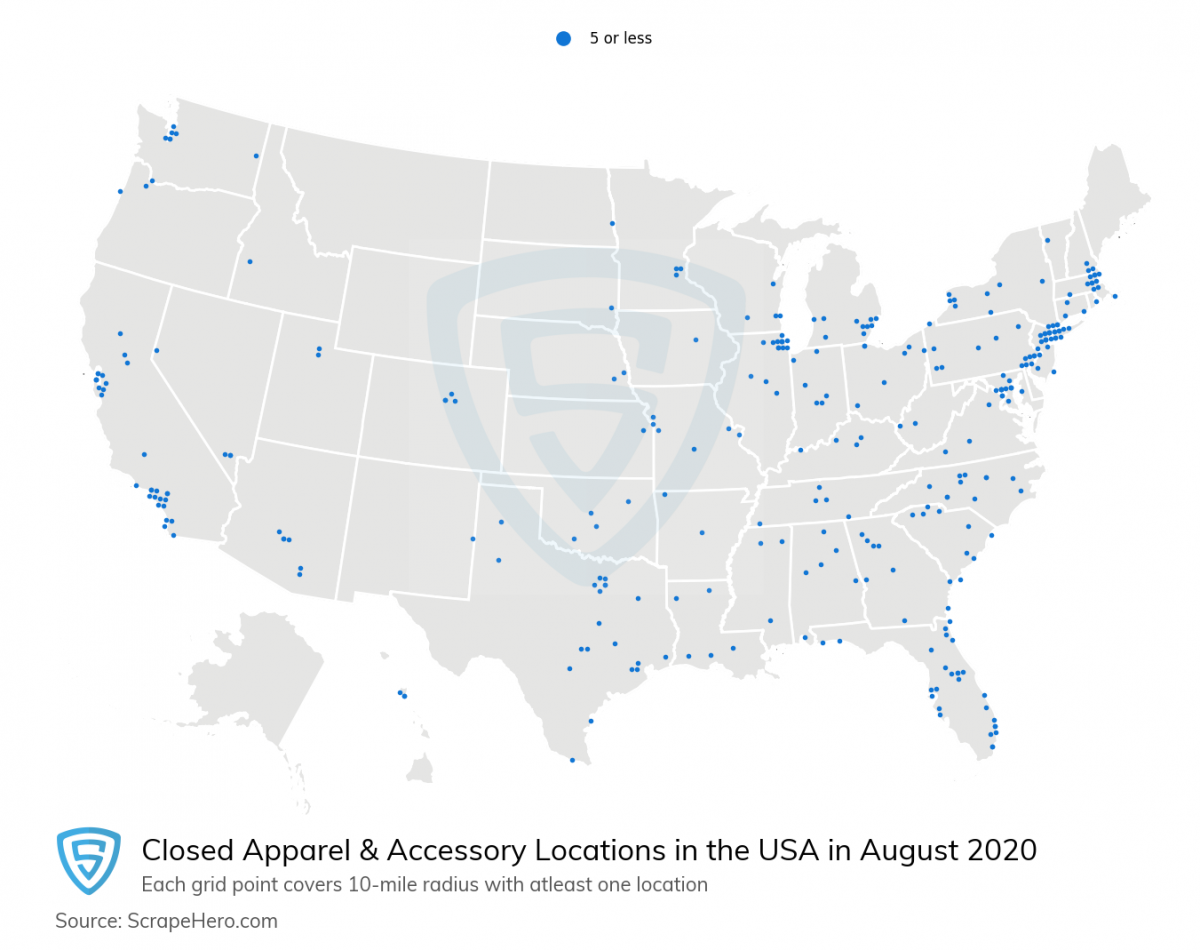
The original American Apparel corporate entity collapsed due to a combination of mounting debt, high-profile leadership scandals involving founder Dov Charney, and an inability to compete with fast-fashion giants. After filing for Chapter 11 bankruptcy in both 2015 and 2016, the brand’s intellectual property was acquired by Gildan Activewear in early 2017. This led to the permanent closure of all 110 retail stores and the termination of its iconic "Made in USA" manufacturing model in Los Angeles.
As of 2026, American Apparel exists primarily as a digital-first and wholesale brand. While the name survives, the vertically integrated business model that once defined the company—owning every step of the process from the knitting machines to the retail floor—has been replaced by a more traditional global supply chain. To understand why such a culturally dominant brand disappeared from the physical high street, one must look at the intersection of controversial marketing, financial overextension, and the changing tides of the global garment industry.
The Rise and Philosophy of American Apparel
Before analyzing the downfall, it is essential to understand the unique position American Apparel held in the early 21st century. Founded by Canadian businessman Dov Charney in 1989, the company moved its operations to Los Angeles in 1997. It became the largest clothing manufacturer in North America, famously operating out of a massive pink factory in downtown LA.
The brand’s identity was built on three main pillars: vertical integration, "sweatshop-free" labor, and provocative advertising. Unlike competitors who outsourced labor to developing nations to minimize costs, Charney paid his Los Angeles workers significantly above the minimum wage and provided benefits like on-site healthcare and subsidized lunches. This "Made in USA" ethos was not just a moral stance but a marketing powerhouse, appealing to a demographic that was increasingly wary of the ethics of the global garment trade.
By 2007, American Apparel was a public company, and at its peak, it operated hundreds of stores worldwide. Its aesthetic—unbranded basics, high-waisted spandex, and vibrant hoodies—defined the "indie sleaze" era of the mid-2000s. However, the same factors that fueled its rapid growth eventually created the friction that led to its collapse.
The Dov Charney Controversy and Leadership Crisis
The downfall of American Apparel is inextricably linked to its founder. Dov Charney was the visionary behind the brand, but his personal behavior and management style became a significant legal and financial liability. Throughout the 2000s and early 2010s, Charney was the subject of numerous lawsuits alleging sexual harassment and creating a hostile work environment.
In 2014, the board of directors finally ousted Charney, citing allegations of misconduct and the misuse of corporate funds. This transition was chaotic. Charney fought the ousting through multiple legal channels, and the resulting instability shook investor confidence. The brand’s identity was so closely tied to Charney’s persona that removing him felt, to some, like removing the company’s soul, while to others, it was a necessary step to save the company from moral and financial bankruptcy.
The legal battles following his departure were expensive. The company spent millions on litigation and severance, draining cash reserves at a time when the retail industry was already facing a structural shift. The leadership that followed Charney struggled to redefine the brand’s image, moving away from the highly sexualized advertising that had become its hallmark but failing to capture the same cultural relevance with a "sanitized" version of the brand.
Financial Mismanagement and the Debt Trap
While the scandals grabbed headlines, the underlying cause of the 2017 closure was a series of catastrophic financial decisions. American Apparel was heavily burdened by debt, much of it carrying high interest rates. The company had expanded its retail footprint too aggressively, opening high-rent stores in locations that did not see enough foot traffic to justify the overhead.
The Problem with Vertical Integration
While vertical integration was a point of pride, it was also an operational nightmare during periods of low demand. Because the company owned its factories, it had high fixed costs regardless of sales volume. When sales began to slump in the mid-2010s, American Apparel could not simply "cancel an order" from a third-party supplier like H&M or Zara could. They were responsible for the leases, the equipment, and the wages of thousands of workers in one of the most expensive cities in the United States.
Two Successive Bankruptcies
The financial weight became unbearable in 2015, leading to the company’s first Chapter 11 bankruptcy filing. The goal was to reduce debt and close underperforming stores. However, the reorganization failed to stabilize the business. A year later, in November 2016, the company filed for bankruptcy for the second time. By this point, it was clear that American Apparel could no longer function as a standalone retailer and manufacturer.
The Gildan Activewear Acquisition
In January 2017, the Canadian apparel giant Gildan Activewear won a bankruptcy auction to purchase American Apparel’s brand name and intellectual property for approximately $88 million. Crucially, Gildan did not buy the retail stores or the manufacturing infrastructure in Los Angeles.
This acquisition marked the "closure" that consumers experienced. Gildan’s business model was fundamentally different from Charney’s. As a major supplier of blank t-shirts and activewear, Gildan specialized in high-volume, low-cost production across a global network of factories.
Key changes following the Gildan acquisition included:
- Store Closures: All 110 remaining physical stores were shuttered by April 2017.
- Supply Chain Shift: Manufacturing moved away from the centralized Los Angeles factory. While some "Made in USA" lines were later reintroduced for the wholesale market, the bulk of production moved to Gildan’s facilities in Central America and other regions.
- Online Pivot: The brand transitioned to an e-commerce model, focusing on direct-to-consumer sales and the wholesale "blanks" market for screen printers.
Why the Brand Struggled to Compete
Beyond its internal issues, American Apparel fell victim to a changing retail landscape. In the decade between 2005 and 2015, the "Fast Fashion" model perfected by Zara, H&M, and later Forever 21, changed consumer expectations.
| Feature | American Apparel (Original) | Fast Fashion Competitors |
|---|---|---|
| Manufacturing Location | Los Angeles, USA | Global (Vietnam, Bangladesh, China) |
| Price Point | Mid-to-High ($30-60 for a t-shirt) | Low ($5-15 for a t-shirt) |
| Style Cycle | Consistent basics, slow changes | New trends every 2-4 weeks |
| Ethical Branding | Primary focus (Sweatshop-free) | Secondary or criticized |
| Business Model | Vertically Integrated | Outsourced Supply Chain |
Consumers were increasingly moving toward lower-cost items and more frequent style updates. American Apparel’s focus on high-quality basics at a premium price point became a harder sell, especially as younger shoppers—the brand's core demographic—began to prioritize price and variety over the "Made in USA" label. Additionally, the rise of Instagram-driven fashion brands meant that American Apparel’s once-edgy aesthetic was quickly mimicked and diluted by competitors who could produce similar looks for a fraction of the cost.
The Brand in 2026: What Remains?
In 2026, American Apparel remains a recognized name, but it is a ghost of its former self. It functions as a subsidiary of Gildan, primarily serving as a premium label for blank apparel used in merchandising and promotional wear. The direct-to-consumer website continues to sell the "classics"—the 2001 fine jersey tee and the 50/50 blend—but the cultural fervor that once surrounded the brand has largely dissipated.
For the consumer, the closure meant the loss of a physical community hub. The stores were known for their unique playlists, specific interior design, and a certain "LA cool" that was difficult to replicate online. For the industry, the closure served as a cautionary tale about the difficulties of scaling domestic manufacturing in a globalized economy and the risks of tying a brand too closely to a controversial founder.
The New York Times reported extensively on the internal board battles that preceded the final collapse, highlighting how the internal culture became as much of a liability as the financial debt. According to Reuters, the first bankruptcy was an attempt to shed $200 million in debt, a figure that illustrates the scale of the mismanagement.
Frequently Asked Questions
Is American Apparel still "Made in USA" in 2026?
While the brand was famous for being 100% made in Los Angeles, this is no longer the case for the majority of its catalog. Following the Gildan acquisition, production was moved to various global facilities to reduce costs. While a small "Made in USA" collection is sometimes available for wholesale or specific retail lines, the core of the business is now manufactured internationally.
Can I still buy American Apparel clothes?
Yes, you can still purchase American Apparel products. The brand operates an official e-commerce store and sells extensively through wholesale distributors. Many of the original patterns and fits, such as the Tri-Blend t-shirts and hoodies, are still produced by Gildan under the American Apparel label.
Who currently owns the American Apparel brand?
The brand is owned by Gildan Activewear, a Canadian clothing manufacturer. Gildan purchased the intellectual property and brand assets in early 2017 for approximately $88 million after the company’s second bankruptcy.
Did American Apparel close because of Dov Charney?
His actions were a primary factor but not the sole cause. Charney’s legal troubles and ousting created a period of extreme instability and high legal costs. However, the company also suffered from massive debt, a high-cost manufacturing model that was difficult to sustain, and intense competition from cheaper fast-fashion retailers.
Why were all the physical stores closed?
Gildan Activewear, the company that purchased the brand, is primarily a manufacturer and wholesaler. They had no interest in operating a complex network of retail storefronts. Closing the stores allowed the new owners to eliminate high rent costs and focus on the more profitable segments of the business: online sales and selling blank garments to screen printers and merchandisers.
Next Steps for Fans of the Brand
If you are looking for the original American Apparel quality and "Made in USA" ethics, you may want to look toward Los Angeles Apparel. This company was started by Dov Charney after his departure from American Apparel and follows a similar vertically integrated, Los Angeles-based manufacturing model.
For those who simply want the specific fit and feel of the classic American Apparel basics, the current online store remains the best source, though it is important to check the individual product descriptions for country-of-origin details if domestic manufacturing is a priority for you.