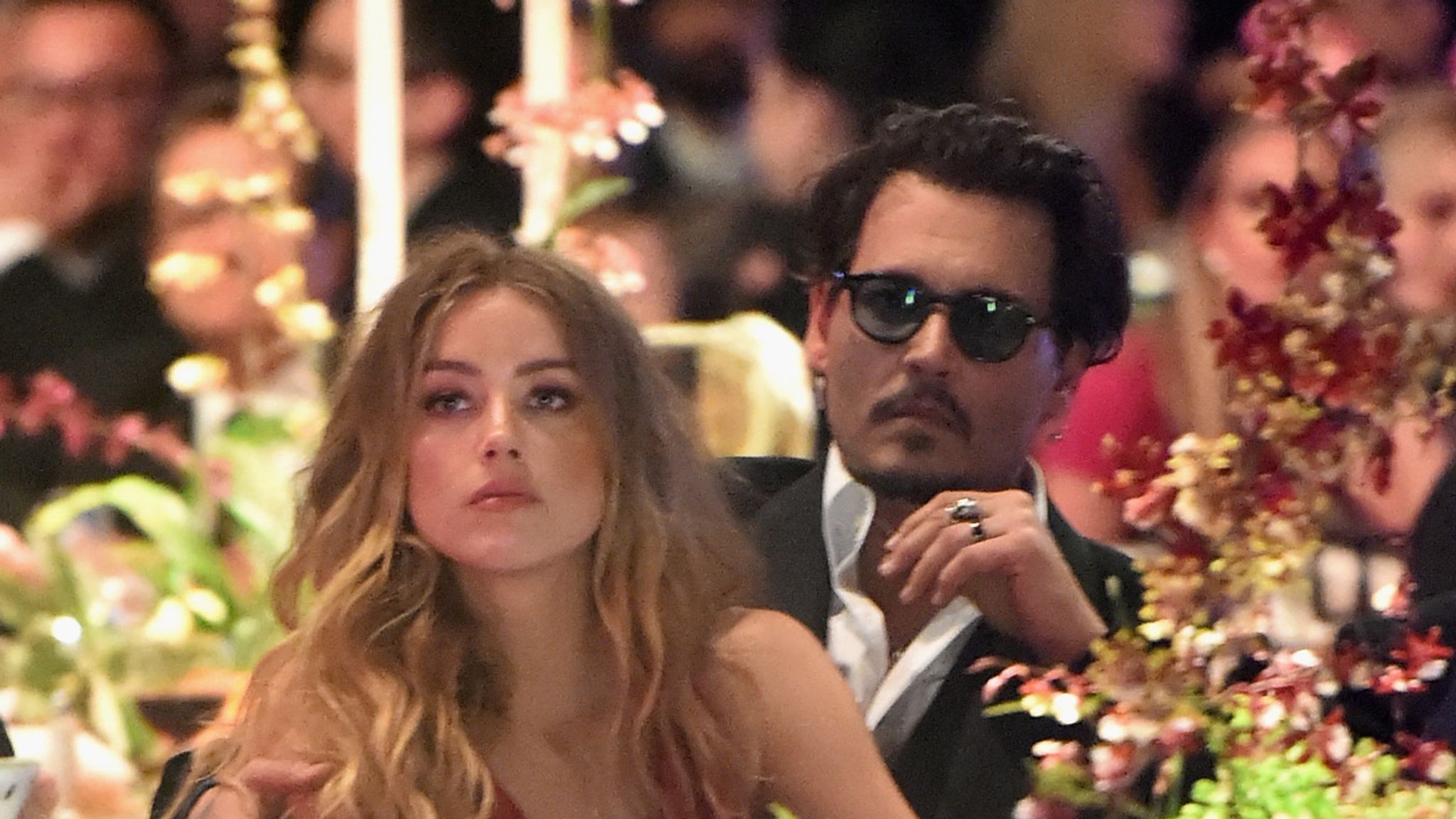
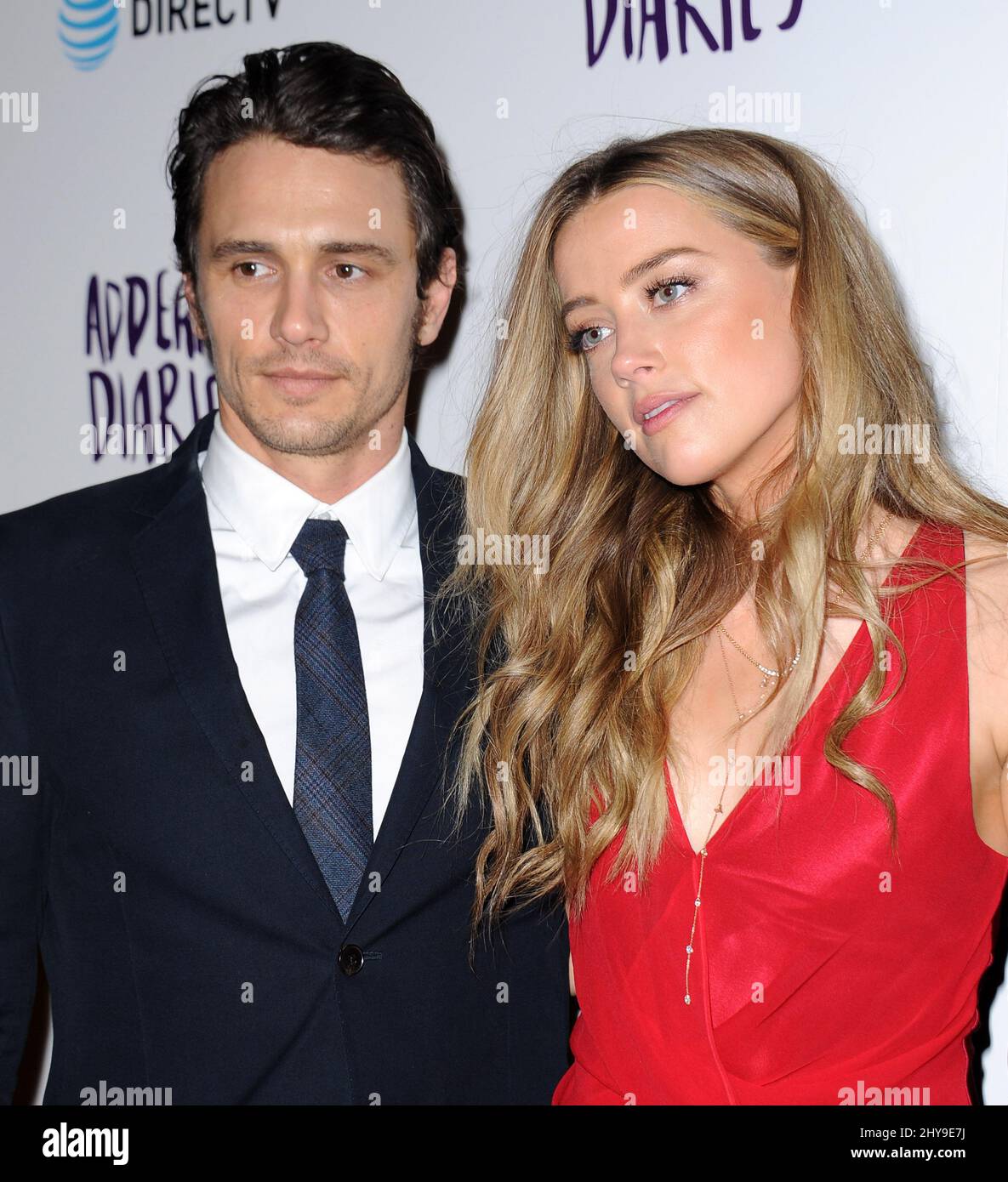
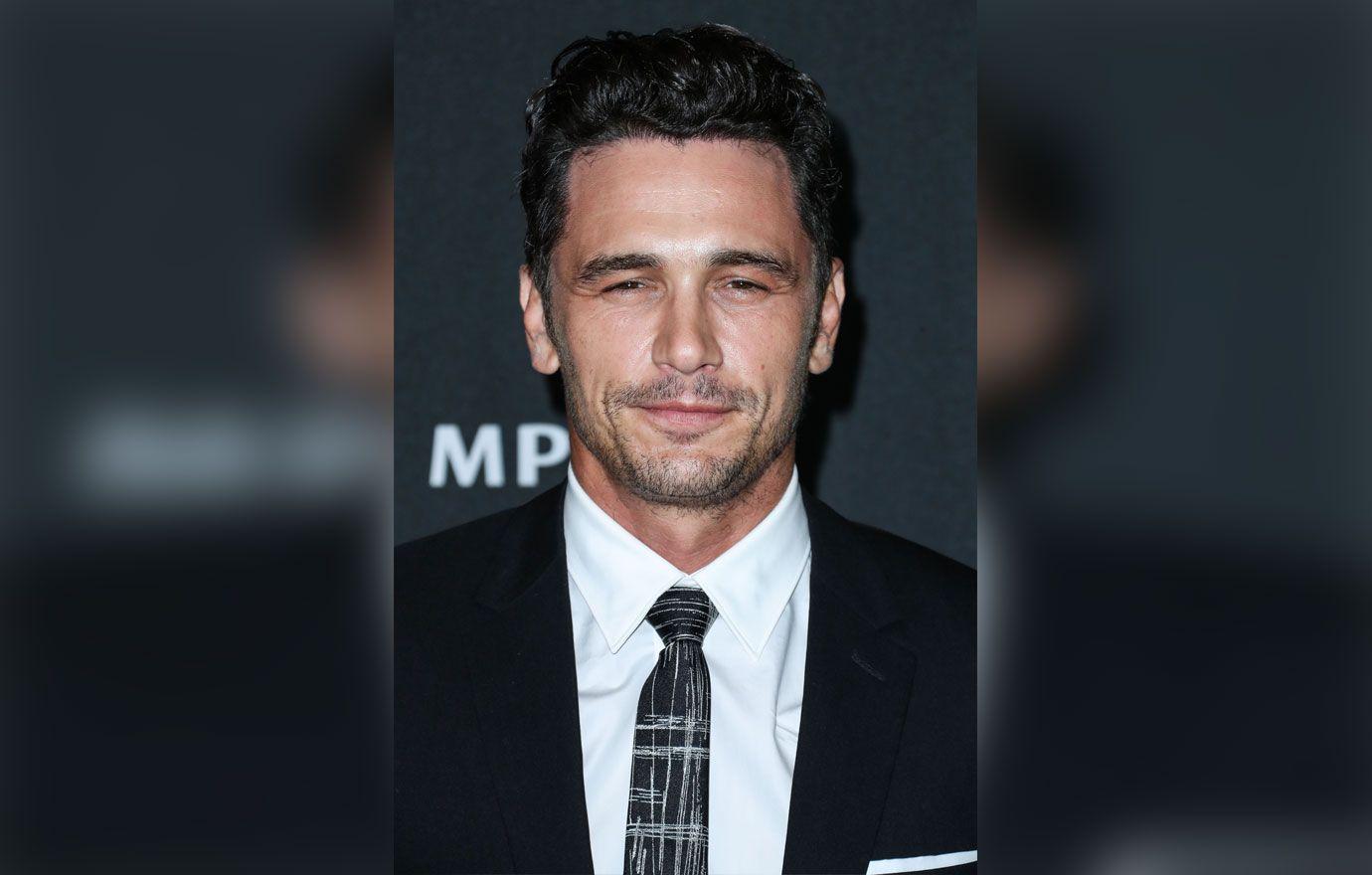
On the night of May 22, 2016, actor James Franco visited Amber Heard at the Eastern Columbia Building penthouse she shared with Johnny Depp. This meeting occurred approximately 24 hours after a domestic dispute involving the LAPD and roughly one day before Heard filed for divorce from Depp. The surveillance footage of this encounter later became a pivotal piece of evidence in the high-profile defamation trials, used by Depp’s legal team to question Heard's timeline and the presence of visible injuries.
The Timeline of Late May 2016
To understand the significance of James Franco’s visit, one must look at the compressed and volatile timeline of events in May 2016. As of 2026, the legal documentation from both the UK High Court (2020) and the Virginia Circuit Court (2022) provides a minute-by-minute account of these days, which remain some of the most scrutinized 72 hours in celebrity history.
Saturday, May 21, 2016: The Final Altercation
The sequence began on the evening of May 21. Johnny Depp arrived at the penthouse to collect personal items following the death of his mother. An argument ensued, during which Heard alleged that Depp threw a mobile phone at her face, resulting in bruising to her right cheek and eye. The LAPD was called to the scene twice that night. During the first visit, officers found no evidence of a crime and noted that Heard refused to file a report. Heard's legal team later argued she was protecting Depp, while Depp’s team argued the lack of a police report indicated the assault never happened.
Sunday, May 22, 2016: The Franco Visit
Late on the evening of May 22, around 10:50 PM, security footage from the Eastern Columbia Building elevator captured James Franco and Amber Heard. In the video, Heard is seen descending to the parking garage to meet Franco and then riding back up to the penthouse with him. The footage shows both individuals leaning their heads away from the camera, a detail that Depp’s attorneys later highlighted as an attempt to avoid identification or to hide the state of Heard's face.
Monday, May 23, 2016: The Divorce Filing
The very next day, Amber Heard officially filed for divorce from Johnny Depp, citing irreconcilable differences. Four days later, on May 27, she appeared at a Los Angeles courthouse to file for a temporary restraining order (TRO), appearing with a visible bruise on her face that she attributed to the May 21 incident.
The Role of James Franco in the Depp v. Heard Litigation
James Franco’s involvement was not merely as a "visitor" but as a potential witness whose testimony could confirm or deny the presence of injuries on Heard’s face less than 24 hours after the alleged May 21 assault.
Why Franco was Called to Testify
During the 2022 Virginia trial, Depp’s legal team, led by Camille Vasquez, sought to use Franco’s visit to undermine Heard’s credibility. Their argument was twofold: first, that Heard was engaging in an extra-marital affair (which she denied, citing Franco as a close friend and neighbor); and second, that if Franco did not see injuries on her face, her claim of being hit with a phone on May 21 was fabricated.
Heard testified that she had been "exhausting my resources" and "seeking support" from friends during that time. She noted that Franco lived "next door," literally in the sense that he lived in a nearby building and they were long-time friends who had worked together on films like The Pineapple Express and The Adderall Diaries.
The "Elevator Footage" Breakdown
The surveillance video remains one of the most discussed digital artifacts of the trial. In the footage:
- Heard's Appearance: She is wearing a large coat and appears to have her hair down.
- Interaction: The two do not touch significantly, but they lean their heads together, often interpreted as "hiding" from the CCTV lens located in the corner of the elevator.
- Duration: Franco remained at the penthouse for several hours, though the exact time of his departure was not as heavily publicized as his arrival.
Legal and Forensic Implications of the Footage
In high-stakes litigation, a piece of evidence like elevator footage serves as an "anchor" for the jury. While testimony can be subjective, time-stamped video is considered an objective truth, even if the interpretation of the behavior within that video varies.
Credibility and "The Aftermath"
For the jury in 2022, the Franco visit was framed as part of a larger pattern of Heard’s behavior. The defense (Heard’s team) argued that a woman who has just been assaulted would naturally reach out to a trusted friend for comfort. The prosecution (Depp’s team) argued that the timing of the visit—occurring after Depp had left for Europe and right before a calculated divorce filing—suggested a lack of fear and a pre-planned narrative.
Expert Testimony on Domestic Violence
The presence of Franco also brought up discussions regarding "delayed reporting" and the "cycle of abuse." Experts testified that victims of domestic violence often seek solace in familiar faces and may not immediately present with massive swelling or bruising, or they may use makeup (the "bruise kit" mentioned in trial) to cover or, as the opposition alleged, to create injuries. The Franco footage was used to suggest that if she were truly terrified of Depp, she would not be bringing guests into the home they still technically shared.
| Event Date | Key Activity | Participants | Legal Significance |
|---|---|---|---|
| May 21, 2016 | Alleged physical altercation | Depp, Heard | The "origin" point of the domestic abuse claims. |
| May 21, 2016 | LAPD Response | Officers, Heard | Police noted "no visible injuries" in their initial report. |
| May 22, 2016 | James Franco Visit | Heard, Franco | Captured on CCTV; used to contest the timeline of injuries. |
| May 23, 2016 | Divorce Filing | Heard (Legal) | Marked the official end of the marriage. |
| May 27, 2016 | TRO Filing | Heard, Media | First public appearance with a visible bruise on her cheek. |
Why James Franco Never Actually Testified
Despite being subpoenaed, James Franco never took the stand in the Virginia trial. There were several tactical and legal reasons for this absence:
- Relevance vs. Prejudice: While his presence in the elevator was documented, his testimony regarding Heard’s facial features would have been seen as subjective. Without high-definition photos from that exact hour, his "memory" of whether she looked bruised might have been easily picked apart by either side.
- Franco’s Own Legal Troubles: At the time of the 2022 trial, Franco was dealing with his own career fallout and legal settlements related to allegations of sexual misconduct. Both legal teams likely viewed him as a "unpredictable" witness who could alienate the jury.
- The UK Ruling Precedent: In the 2020 UK trial, the judge had already reviewed the Franco evidence and did not find it sufficient to disprove Heard's claims of abuse. Depp’s US team likely felt the video spoke for itself without needing a potentially hostile or uncooperative celebrity witness.
The Cultural Impact and "Trial by TikTok"
By 2026, the Depp v. Heard trial is frequently studied not just for its legal outcomes, but for how specific pieces of evidence like the "James Franco elevator video" were weaponized on social media.
During the trial, the footage was looped millions of times on platforms like TikTok and X (formerly Twitter). Content creators used the footage to create "body language analysis" videos, many of which were heavily biased. This phenomenon demonstrated how a 30-second clip of a private moment could be used to sway public opinion more effectively than hours of expert medical testimony. The "Franco visit" became a shorthand for those who doubted Heard’s story, symbolizing what they perceived as a lack of transparency regarding her personal life during the separation.
Analyzing the "Hiding" Behavior
One of the most intense points of contention was why Heard and Franco appeared to tuck their heads together and avoid looking at the camera.
- The Defense Argument: Heard stated she was aware of the cameras and was in a state of distress, not wanting her vulnerability or her guest to be a matter of record for Depp’s security team, whom she claimed monitored her.
- The Prosecution Argument: They argued that the behavior was "guilty" in nature—that two people who are merely friends do not need to hide their faces in a secure residential elevator unless they are attempting to conceal an affair or the lack of injuries on the person claiming to be a victim.
Fact-Checking the "Night Before" Claim
It is technically accurate to say Franco was there "the night before" the divorce filing, depending on the time of day.
- May 22, 11:00 PM: Franco arrives.
- May 23, Morning/Afternoon: Heard’s lawyers file the divorce petition.
In the context of a legal timeline, this proximity is significant. It suggests that Heard was already in the process of finalizing her legal strategy while Franco was present. For a jury, this could either look like a woman getting her "ducks in a row" with the support of a friend, or a woman executing a cold, calculated strike against her husband.
Practical Considerations for Domestic Litigation
The Heard-Franco incident serves as a modern case study for anyone involved in high-conflict divorce or defamation cases. It highlights several critical "rules" of modern litigation:
- Surveillance is Omnipresent: In luxury buildings like the Eastern Columbia, every move in common areas is recorded. There is no such thing as a "private" visit in a public corridor or elevator.
- Digital Timestamps are Final: You cannot argue with a server clock. The synchronization of the May 21 police call, the May 22 video, and the May 23 filing created a rigid framework that the parties had to navigate.
- Third-Party Involvement: Bringing a third party (especially a high-profile one) into a domestic dispute scene can complicate the legal narrative, turning a "he-said, she-said" into a "he-said, she-said, and then James Franco showed up."
FAQ
Did James Franco and Amber Heard have an affair?
Amber Heard consistently denied having an affair with James Franco, stating they were close friends. Johnny Depp’s legal team frequently insinuated that the relationship was romantic to establish a motive for Heard's alleged "hoax" and to explain Depp’s jealousy. No definitive proof of a romantic affair was ever presented as an established fact in court.
Why was James Franco mentioned in the trial at all?
He was mentioned because he was one of the few people who saw Amber Heard in person between the alleged May 21 assault and her public appearance with a bruise on May 27. His observation (or lack thereof) of her facial condition was theoretically vital to verifying her claims of physical abuse.
What did the CCTV footage actually show?
The footage showed Heard and Franco entering an elevator at the Eastern Columbia Building on May 22, 2016. They are seen standing close together with their heads tilted down, seemingly avoiding the camera. There is no footage of them inside the private penthouse, only in the communal elevator.
Did the James Franco video win the case for Johnny Depp?
While no single piece of evidence won the case, the Franco video contributed to the jury's overall assessment of Heard's credibility. In the 2022 US trial, the jury found that Heard had defamed Depp, suggesting they found Depp's version of events and his challenges to her timeline more persuasive.
Was James Franco ever a suspect in any crime related to this?
No. James Franco was never accused of any crime related to the Depp v. Heard dispute. He was strictly a potential witness and a subject of interest regarding the timeline of Heard’s allegations.
Final Recommendation for Researchers
For those analyzing the impact of the James Franco visit on the Depp v. Heard case, it is essential to view the elevator footage in tandem with the LAPD bodycam footage from the night prior. The contrast between the officers' testimonies (who saw no injuries) and the later photos provided by Heard (which showed significant bruising) is where the Franco visit sits as a "middle ground." When researching celebrity legal cases, always prioritize unedited court transcripts and verified surveillance logs over social media summaries to ensure an accurate understanding of how specific evidence influenced the final verdict.