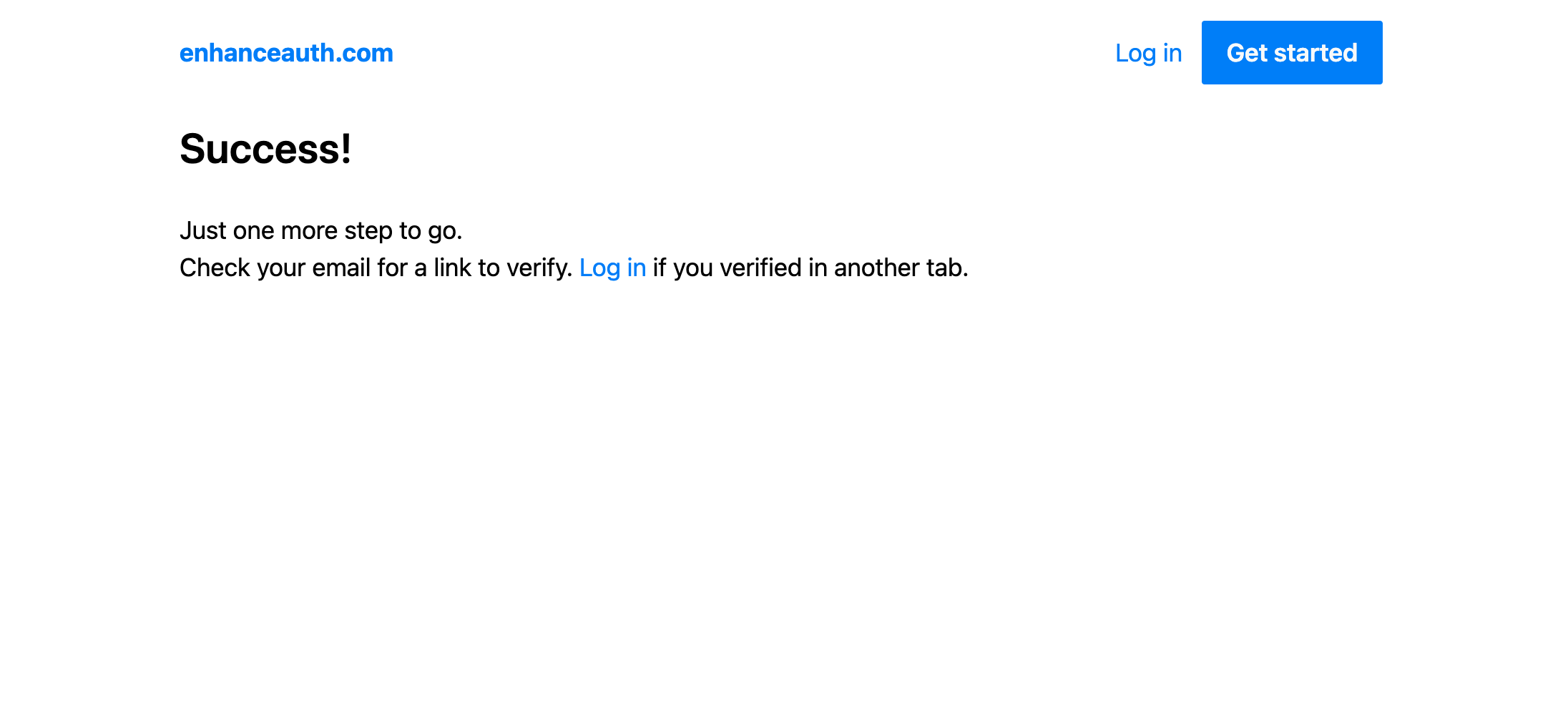
When you create a new Amazon account in 2026, the system mandates email verification to ensure the security of your personal data and to prevent fraudulent automated signups. This process involves Amazon sending a unique One-Time Password (OTP) or a verification link to your provided email address, which you must enter or click to activate your shopping and digital services profile.
The requirement for email verification is a foundational security protocol that has remained a constant even as e-commerce technology evolves. In 2026, where digital identity theft and sophisticated bot attacks are more prevalent than ever, Amazon utilizes this step as the first line of defense. By confirming that a user has actual access to the email address provided during registration, Amazon establishes a verified point of contact for order updates, security alerts, and password recovery. This article explores the nuances of this requirement, the technical reasons behind it, and how to navigate the verification process efficiently.
Why Amazon Mandates Email Verification for New Accounts
The mandate for email verification serves several critical functions that protect both the consumer and the platform. While it may seem like a minor hurdle during the signup process, its implications for long-term account health and security are significant.
Prevention of Automated Bot Registrations
In the current digital landscape of 2026, automated scripts and AI-driven bots are capable of generating thousands of fake accounts within seconds. These accounts are often used for "scalping" limited-edition products, posting fraudulent reviews, or conducting phishing schemes. By requiring email verification, Amazon forces a manual or authenticated interaction that is significantly harder for simple bots to bypass. This "friction" in the signup process is a deliberate security choice to maintain the integrity of the marketplace.
Establishing a Secure Communication Channel
Your email address is the primary medium through which Amazon communicates sensitive information. Whether it is a multi-factor authentication (MFA) code, a notification of a high-value purchase, or an alert regarding a login from an unrecognized device, Amazon needs to be certain that these messages are reaching the intended recipient. Verifying the email at the moment of account creation ensures that no typos were made and that the communication channel is active and valid.
Compliance with Global Privacy and Data Protection Laws
Regulatory frameworks such as the General Data Protection Regulation (GDPR) and various state-level privacy acts in the United States require companies to take reasonable steps to verify the identity of individuals before processing their data. Verification confirms that the person signing up is indeed the owner of the digital identity (the email) being used, helping Amazon stay compliant with international data handling standards.
The Step-by-Step Verification Process in 2026
The verification process is designed to be streamlined, yet robust. In 2026, Amazon has optimized its delivery systems to ensure that verification codes reach users almost instantaneously, regardless of their email provider.
- Initial Registration: You begin by navigating to the Amazon homepage or mobile app and selecting "Create Account." You will be asked for your name, your chosen email address, and a secure password.
- The Verification Trigger: Upon clicking "Verify Email" or "Create your Amazon account," the system automatically generates a unique six-digit One-Time Password (OTP).
- Checking Your Inbox: You must then navigate to your email service provider. Look for a message with a subject line similar to "Verify your new Amazon account."
- Entering the OTP: Return to the Amazon registration screen and input the six-digit code exactly as it appears in the email.
- Completion: Once the code is validated, your account is considered "Verified," and you are redirected to the Amazon storefront or the account setup wizard to complete your profile, including adding a shipping address and payment method.
The Evolution of Verification: Passkeys and Biometrics
While email verification remains the standard for the initial "handshake" between a new user and Amazon, the 2026 landscape increasingly incorporates Passkeys. If your device supports it, Amazon may offer to link your account to a passkey (using FaceID, TouchID, or Windows Hello) immediately after the email verification is complete. This reduces the need for passwords and email codes in future sessions, providing a more seamless yet highly secure login experience.
Technical Specifications and Delivery Mechanics
Behind the scenes, the "Amazon new account requires email verification" workflow relies on sophisticated Simple Mail Transfer Protocol (SMTP) infrastructures. Amazon uses its own Amazon Simple Email Service (SES) to dispatch these millions of verification emails globally.
- Token Expiration: For security reasons, the OTP sent to your email is not indefinite. In 2026, these codes typically expire within 10 to 30 minutes. If the code is not used within this window, the user must request a new one.
- Rate Limiting: To prevent abuse, Amazon employs rate limiting. If you request a verification code too many times in a short period, your IP address or email may be temporarily blocked from further attempts to prevent "OTP bombing" attacks.
- Encryption: The transmission of the verification code from Amazon’s servers to your email provider is protected by Transport Layer Security (TLS), ensuring that the code cannot be intercepted in transit.
Troubleshooting: Why You Might Not Receive the Verification Email
Despite the efficiency of the system, users occasionally encounter issues where the verification email does not arrive. Understanding the potential bottlenecks can help you resolve the issue without contacting customer support.
Check Spam and Junk Folders
This is the most common cause of missing verification emails. Highly aggressive spam filters may misidentify the automated notification as promotional content or "greymail." Ensure you check all folders, including "Promotions" in Gmail or "Other" in Outlook.
Incorrect Email Entry
A single typo in the email address field during signup will prevent the code from reaching you. If more than two minutes pass without receiving the email, it is often best to go back to the previous screen and double-check the spelling of the email address you entered.
ISP and Provider Delays
Sometimes, the delay is on the side of the email service provider. Large providers like Yahoo, Gmail, or corporate Outlook servers may occasionally experience "greylisting," where they temporarily delay incoming mail from new or high-volume senders to verify their legitimacy. In most cases, the email will appear after a 5-to-10-minute delay.
Firewall and Corporate Filters
If you are attempting to create an Amazon Business account using a corporate email address, your company's IT firewall might be blocking automated emails from external domains. In this scenario, you may need to ask your IT department to "whitelist" Amazon’s notification domains.
Comparison of Verification Methods
As of 2026, Amazon offers several ways to secure and verify an account. While email is the primary requirement for a new account, other methods provide supplementary or alternative layers of security.
| Verification Method | Primary Use Case | Security Level | User Effort |
|---|---|---|---|
| Email (OTP) | Account Registration | Moderate | Low |
| SMS (Phone) | Two-Factor Auth (2FA) | Moderate | Moderate |
| Passkeys | Passwordless Login | Very High | Very Low (Post-setup) |
| Authenticator App | High-Security 2FA | High | Moderate |
| Biometric | Mobile App Access | High | Low |
Managing Your Account Security After Verification
Once you have satisfied the "Amazon new account requires email verification" requirement, your security journey does not end there. To maintain the safety of your financial information and purchase history, several follow-up actions are recommended.
Enabling Two-Step Verification (2SV)
While email verification proves you own the account at the start, 2SV protects you every time you log in. By linking a mobile phone number or an authenticator app (such as Google Authenticator or Authy), you ensure that even if someone steals your password, they cannot access your account without the physical device in your hand.
Setting Up a Backup Email or Phone Number
In the event that you lose access to your primary email address, having a verified backup phone number or secondary email is vital. Amazon allows you to add these in the "Login & Security" section of your account settings. This prevents a situation where you are permanently locked out of your account because you can no longer complete an email verification check.
Reviewing Authorized Devices
Amazon provides a dashboard where you can see every device currently logged into your account. After your initial verification, it is good practice to periodically check this list and "De-register" any devices you no longer own or recognize.
The Legal and Privacy Aspect of Email Verification
When Amazon requires email verification, they are also establishing a record of consent and identity. In 2026, data privacy is a significant concern for many users. It is important to note that Amazon’s use of your email address for verification is governed by their Privacy Notice.
Generally, the email used for verification is also opted-in for essential service communications. However, users can (and should) navigate to their "Communication Preferences" after verification to opt-out of marketing emails if they wish to keep their inbox strictly for transactional and security alerts.
For users in jurisdictions with strict data rights, such as the European Union or California, the verification process is also a mechanism for exercising those rights. A verified email is often required to request a download of your personal data or to request the deletion of your account. Without that initial verification on record, Amazon would have no way of legally confirming that the person requesting the data deletion is the actual owner of the account.
Frequently Asked Questions
1. Can I skip the email verification step when creating an Amazon account?
No, you cannot skip this step. Amazon's security protocols in 2026 require a verified communication channel for every new account to prevent fraud and bot-driven registrations. If you do not verify the email, the account will remain in a "pending" state and you will not be able to access the marketplace or digital services like Prime Video.
2. What should I do if my verification code is "invalid"?
An "invalid" error usually occurs for one of three reasons: the code has expired (most codes last 10–30 minutes), the code was entered incorrectly (check for transposed numbers), or a newer code was requested and you are trying to use an older one. Always use the most recent email sent by Amazon and enter the code as quickly as possible.
3. Does Amazon require a phone number in addition to an email for new accounts?
While email verification is the primary requirement, Amazon frequently requests a mobile phone number for "Two-Step Verification" or for shipping updates. In some regions or for certain account types (like Amazon Business), a phone number may be a mandatory secondary verification step to ensure the user is a real person and not a sophisticated bot.
4. Is it safe to enter my email for verification on Amazon?
Yes, as long as you are on the official Amazon.com website (or the localized version for your country, e.g., Amazon.co.uk or Amazon.de). Verify that the URL is correct and that there is a "lock" icon in the browser address bar. Amazon uses high-level encryption to protect your email address and the verification tokens sent to you.
5. Can I use a temporary or "disposable" email for Amazon verification?
While technically possible, it is highly discouraged. Amazon’s fraud detection systems often flag known disposable email domains, which may lead to your account being immediately placed on hold or "shadowbanned." Furthermore, if you ever lose your password, you will need access to that email to recover your account. If the temporary email has expired, you will lose access to your Amazon account and any digital purchases permanently.
Practical Recommendation
When creating your new Amazon account, ensure you use a permanent, secure email address that you plan to keep for several years. Use a strong, unique password for your Amazon account that is different from your email password. Immediately after completing the email verification, navigate to the "Login & Security" settings to enable Two-Step Verification (2SV) and consider setting up a Passkey for your primary device. This creates a multi-layered security shield that protects your payment methods and personal data from the evolving digital threats of 2026.