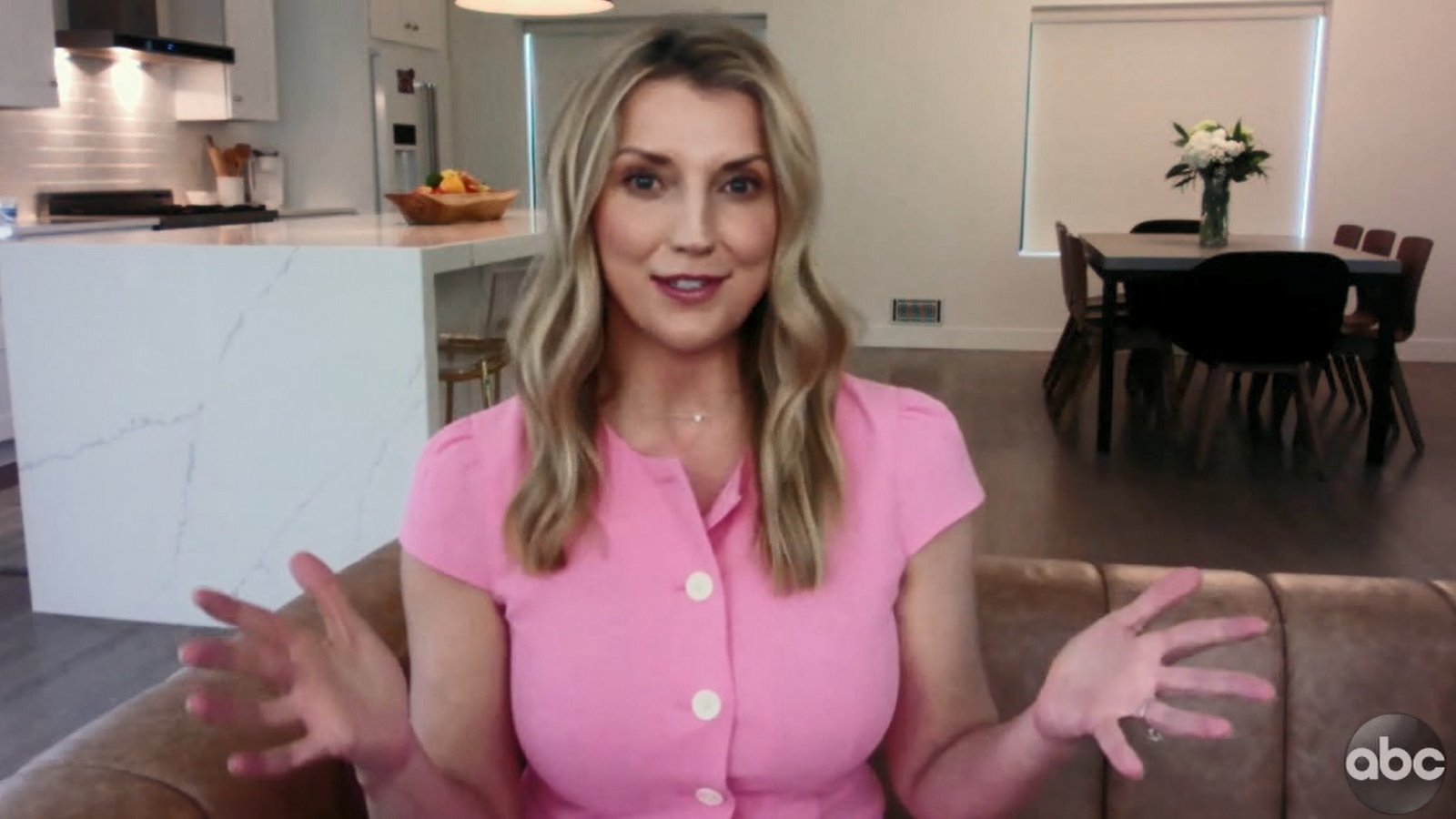
Amanda Marsh is widely recognized by fans of reality television for her role as the winner of the very first season of The Bachelor, which aired in 2002. As the individual who received the final rose from Alex Michel, she holds a unique place in television history, marking the beginning of a long-running franchise that has significantly influenced pop culture, dating norms, and the reality television industry for over two decades.
The inception of The Bachelor in 2002 served as a social experiment that captured a massive audience, documenting the search for love under the scrutiny of cameras. Amanda Marsh, then a professional in the child guidance field, emerged from a group of 25 contestants to become the central figure in the finale. Her involvement set the tone for the series, establishing expectations for future seasons and defining the early archetypes of the show’s participants. Understanding her tenure requires a look at the cultural environment of early 2000s reality television, the mechanics of the inaugural season, and the long-term impacts of the series on the lives of those who participate.
The Origins of The Bachelor and the Casting of Amanda Marsh
When The Bachelor premiered on March 25, 2002, the reality television landscape was significantly different from the current 2026 iteration. The genre was still finding its footing, and the concept of dating on national television was considered a novel, albeit somewhat sensational, premise. Alex Michel, a management consultant, was cast as the inaugural lead, and the producers sought a diverse group of women to compete for his attention.
Amanda Marsh was among these inaugural contestants. At the time of filming, the casting process was far less refined than it is today. Unlike modern contestants who often have a clear understanding of the “Bachelor brand,” Marsh and her peers were navigating an unproven format. Her selection was characterized by the show’s desire to present a relatable yet polished candidate. Throughout the season, the production team focused on building narratives around the women's professional backgrounds and their perceived compatibility with Michel. Marsh’s presence was marked by a steady progression, culminating in the final ceremony where she was chosen as the winner.
The Dynamics of the Inaugural Season Finale
The finale of the first season remains a pivotal moment in reality television history. Because the format had not yet been established as a recurring institution, the stakes felt distinctly different. There was no playbook for how a winner should act or how a post-show relationship should function.
During the final episode, Michel faced the difficult decision of choosing between Amanda Marsh and Trista Rehn. In a moment that would eventually be studied by media critics, he chose to offer his final rose to Marsh. This decision was not merely a personal choice; it was a broadcast event that garnered significant ratings and solidified the viability of the franchise. For Marsh, the experience was a collision of personal intimacy and public spectacle. The lack of social media at the time meant that the public reaction was channeled primarily through traditional media outlets, water-cooler conversations, and early online forums, insulating the participants from the immediate, constant feedback loops that contestants face in 2026.
Life After the Rose: The Reality of Early Reality TV
Following the broadcast, the expectations placed upon the winner of The Bachelor were fundamentally different from today. While current contestants frequently leverage their participation into full-time careers as social media influencers, the landscape for the inaugural winner was much more limited.
After the cameras stopped rolling, Marsh, like many early reality stars, returned to a semblance of normalcy. While she experienced a surge of public recognition, the media environment did not sustain the “celebrity” status of reality contestants with the same intensity as it does now. Her life post-show transitioned away from the limelight, demonstrating a clear preference for privacy. This stands in stark contrast to the modern era, where participants are often expected to maintain a public profile indefinitely. The absence of digital platforms in 2002 allowed for a clean break that is nearly impossible for current contestants to achieve.
Comparative Evolution: 2002 Versus 2026
To understand the context of Amanda Marsh’s participation, one must observe how the franchise has evolved. The following table highlights the primary differences between the era of the first season and the contemporary state of the show.
| Feature | The Bachelor (2002) | The Bachelor (2026) |
|---|---|---|
| Cultural Context | Novelty; an unproven experiment | Established institution; scripted norms |
| Social Media Impact | Non-existent; limited fan interaction | High; central to brand building |
| Post-Show Career | Return to private life/professionalism | Influencer marketing; brand partnerships |
| Media Scrutiny | Traditional press/newspapers | Real-time social commentary and "stanning" |
| Participant Awareness | Naive to the "Bachelor" brand | Highly strategic; aware of production tropes |
This evolution illustrates why Amanda Marsh’s experience is often viewed through a historical lens rather than a contemporary one. She was an early participant in a format that had yet to develop the rigid structure and professionalized expectations that exist in the mid-2020s.
The Psychological Aspect of Early Bachelor Contestants
The psychological toll of reality dating shows is a topic that has gained significant attention in recent years. In 2002, however, the mental health support systems available to contestants were essentially non-existent. Amanda Marsh and the other women were placed in high-pressure, isolating environments with little professional preparation for the ensuing public scrutiny.
From an academic perspective, the early seasons are often cited as a period where the "reality" aspect was raw and unchecked. Participants were not coached on how to project a specific image or handle the public backlash that can occur when an edit does not align with one's personal identity. Marsh’s ability to move forward after the show speaks to the resilience required of the original cohort of reality stars, who had to navigate the transition from private citizen to public figure without the guidance of publicists or specialized media training.
Legacy and Impact on the Dating Franchise
The legacy of Amanda Marsh’s season is the successful establishment of a template. The show discovered that audiences were deeply invested in the personal narrative of the “Bachelor” and the competing interests of the contestants. By successfully capturing the engagement of the American public, the show provided a blueprint for spinoffs like The Bachelorette, Bachelor in Paradise, and international versions of the show that have populated television schedules globally.
Furthermore, the show’s success forced a conversation about the intersection of dating and commerce. The monetization of romantic life, which started on a small scale during the first season, has transformed into a massive industry. Marsh remains a footnote to this history, representing the "before" phase—a time when the franchise was simply about a group of people attempting to find a connection on camera, before it became the massive, multi-faceted media operation it is today.
Frequently Asked Questions (FAQ)
Did Amanda Marsh marry the Bachelor, Alex Michel? No, Amanda Marsh and Alex Michel did not get married. Like many early relationships born on the show, their connection did not sustain the transition from the television set to real-world dating. The two ultimately went their separate ways shortly after the conclusion of the series.
Was the first season of The Bachelor scripted? While proponents of the show have long debated the influence of producers, the first season is generally considered "unscripted" in the traditional sense, though heavily edited. Producers controlled the environment, the interview questions, and the sequence of events to create a narrative arc, but the dialogue and the choices made by the contestants were, for the most part, their own.
How did the public react to the first season in 2002? The public reaction in 2002 was one of fascination. As a new genre, The Bachelor drew high viewership numbers, and it became a common topic of discussion. It was one of the first programs to demonstrate the power of reality dating as a primetime ratings juggernaut.
What did Amanda Marsh do after the show ended? Amanda Marsh largely stepped away from the entertainment industry. She pursued a career in the medical field, specifically working as a nurse practitioner. Her choice to pivot away from fame highlights the contrast between the reality stars of 2002 and the professional reality personalities of 2026.
Does Amanda Marsh still engage with The Bachelor franchise? Marsh has maintained a very low profile regarding the franchise. Unlike many contestants who appear on reunions or participate in anniversary specials to rehash their time on the show, she has largely declined to participate in the ongoing media cycle of the franchise.
Concluding Thoughts on the First Bachelor
The story of Amanda Marsh on The Bachelor is essentially a story about the dawn of a cultural phenomenon. While the show has expanded into a complex, multi-platform machine in 2026, the first season provided the raw material that made the growth possible. Readers looking to understand the history of reality television should view the 2002 season not as a precursor to modern influencer culture, but as a standalone social experiment that tested the limits of privacy, public perception, and the commercial viability of televised romance. For those interested in the history of the genre, the inaugural season stands as a foundational text that remains relevant for the sheer distance between its origins and the hyper-mediated reality of today.