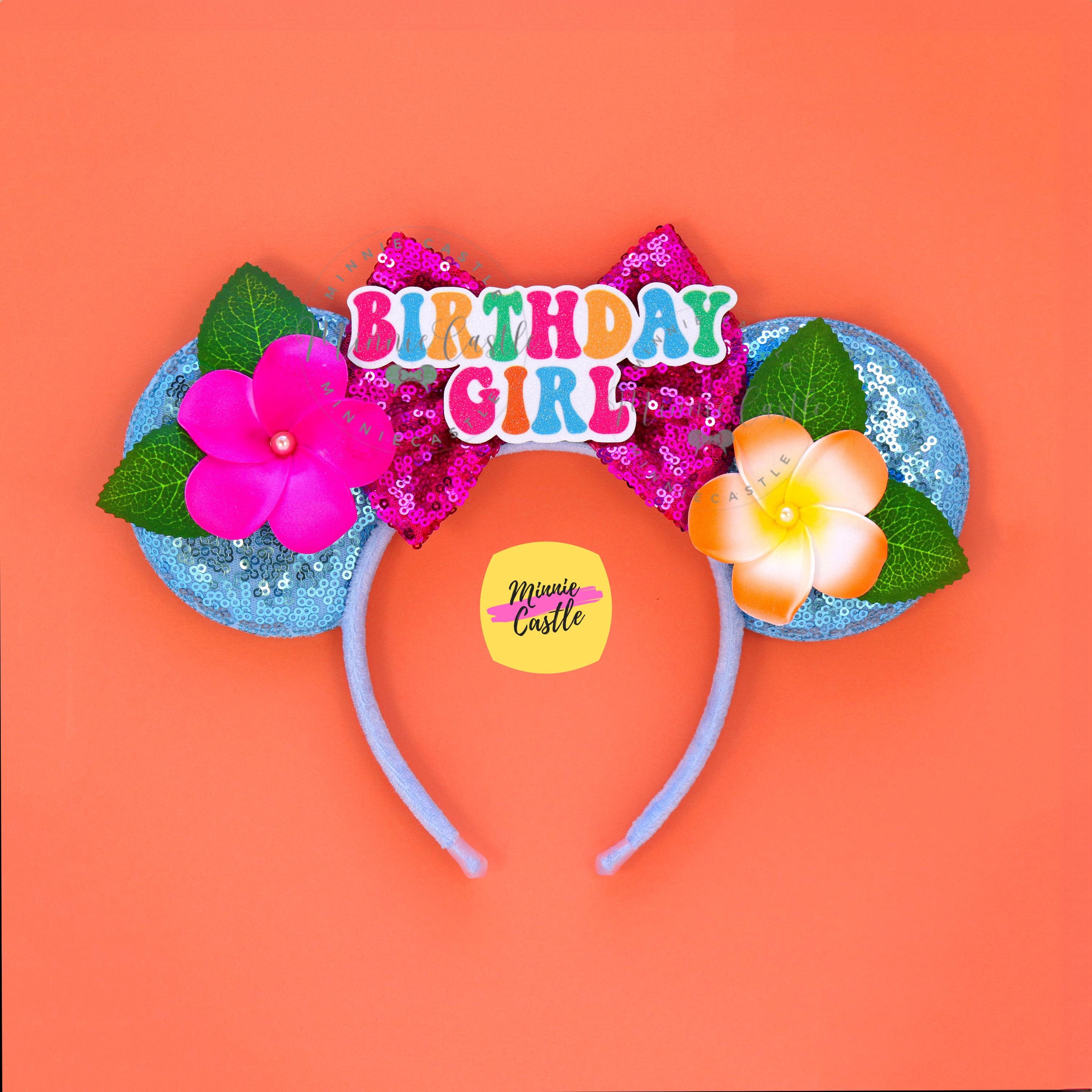
Using Aloha Ears Design for home decor involves integrating their iconic interchangeable 3D-printed ears into your interior styling through specialized wall mounts, tiered displays, or themed vignettes. By leveraging the brand’s modular system, collectors can create dynamic, seasonal gallery walls that celebrate tropical and theme-park aesthetics while maintaining a sophisticated, organized household environment.
Understanding the Aloha Ears Design Ecosystem
Before integrating Aloha Ears Design (AED) products into your home, it is essential to understand the technical nature of the brand’s offerings. Unlike traditional plush or fabric headbands found in theme parks, Aloha Ears Design pioneered a modular, 3D-printed system. This system consists of two primary components: the "One Base" (the headband or the mounting structure) and the "Interchangeable Ears."
The ears utilize a patented or proprietary sliding or snapping mechanism that allows the user to swap designs in seconds. In the context of home decor in 2026, this modularity is a significant advantage. It means your decor is not static; you can rotate designs based on the season, a specific holiday, or even your current mood without needing to reconfigure your entire display setup.
The materials used are typically high-quality polylactic acid (PLA) or similar thermoplastic polymers. These materials offer a matte or semi-gloss finish that fits well with modern "Tropical-Modern" or "Boho-Chic" interior styles. Because they are 3D printed, they feature intricate geometric patterns, floral cutouts, and layered textures that catch the light differently than traditional textiles, making them excellent focal points for shelf styling.
The Art of the Ear Gallery Wall
One of the most popular ways to use Aloha Ears Design for home decor is the creation of a dedicated gallery wall. Because the ears are lightweight and structurally rigid, they offer more mounting flexibility than heavier collectibles.
Selecting the Right Mounting Hardware
To achieve a professional look, avoid using simple nails or tacks. Instead, consider these three primary mounting options:
- Specialized 3D-Printed Wall Mounts: Many creators in the "Small Shop" community design mounts specifically for AED ears. These mounts mimic the "One Base" attachment point, allowing you to slide the ears onto the wall just as you would onto a headband. This keeps the ears flush against the wall and perfectly aligned.
- Command Strips and Clear Hooks: For a minimalist look, small transparent adhesive hooks can support the weight of 3D-printed ears. However, this method often leaves the ear dangling, which may not be the desired aesthetic for a clean, architectural display.
- Magnetic Rails: By attaching small, high-strength neodymium magnets to the back of the ears (using a non-damaging adhesive), you can mount them to a magnetic strip or a painted metallic board. This allows for the fastest possible rotation of designs.
Spacing and Composition
When designing the layout, treat the ears as individual pieces of art. A "grid" layout works best for minimalist homes, while a "honeycomb" or "staggered" layout suits a more eclectic or "maximalist" decor style. In 2026, interior design trends favor grouping by color family—for example, a gradient of sunset oranges, corals, and teals—to create a cohesive visual flow across the wall.
Integrating Ears into Shelfies and Vignettes
Not every collector wants a full wall dedicated to their hobby. For a more subtle integration, Aloha Ears Design products can be used as accents within existing shelf displays, often referred to as "shelfies."
The "Ear Tower" Method
Vertical space is often underutilized in home decor. An "Ear Tower" or an acrylic vertical stand allows you to stack multiple pairs of ears. Placing a tower at the end of a bookshelf acts as a bookend while showcasing your favorite designs. Because AED ears are 3D-printed, they have a structural integrity that prevents them from sagging over time, making them ideal for long-term vertical display.
Using Glass Cloches and Shadow Boxes
To elevate the ears to the level of fine "objets d'art," place a single, highly detailed pair of ears—such as the intricate floral or filigree designs—under a glass cloche. This protects the 3D-printed material from dust while signaling to guests that the item is a curated collectible. Similarly, deep shadow boxes can be used to create a 3D collage, combining the ears with other mementos like park maps, vintage postcards, or dried tropical leaves.
Tiered Trays and Seasonal Rotations
Tiered trays are a staple of farmhouse and cottagecore decor. Aloha Ears Design products fit perfectly into this niche. Because the ears are interchangeable, you can designate one "base" for the tray and swap the ears to match the current month. For example, use palm leaf designs in the summer and transition to more geometric or "haunted" aesthetics in the autumn.
Technical Considerations for 3D-Printed Decor
When using 3D-printed items like Aloha Ears for home decor, there are several technical factors to consider to ensure the longevity of the products and the safety of your home surfaces.
Heat and Sunlight Exposure
Most Aloha Ears are printed using PLA, a thermoplastic. While durable, PLA has a relatively low glass transition temperature (approximately 60–65°C or 140–150°F). If your home decor is placed in a window that receives direct, intense 2026 summer sunlight, or near a high-heat source like a fireplace or radiator, the ears may warp or "sag" over time.
Pro Tip: Always place your ear displays on interior walls or in shaded areas of the room to preserve the crisp lines of the 3D print.
Dusting and Maintenance
3D-printed items have "layer lines," which are microscopic ridges created during the printing process. These ridges can trap dust more easily than smooth surfaces. To clean your Aloha Ears decor:
- Avoid Harsh Chemicals: Use only a damp microfiber cloth or a soft-bristled makeup brush to remove dust from intricate crevices.
- Compressed Air: For designs with deep cutouts or "latticework," a quick blast of compressed air (the kind used for keyboards) is the most effective way to maintain a pristine look without risking damage to the delicate 3D structures.
Color Theory and Theme Integration
To make Aloha Ears Design look like intentional home decor rather than just "storage," you must apply basic color theory. The brand is known for its "Aloha" spirit, which typically involves a palette of:
- Teal and Aqua: Represents the ocean; pairs well with white oak, light linens, and sandy beige tones.
- Coral and Pink: Represents tropical flora; acts as a perfect "pop" color in a grey or navy blue room.
- Wood Grain Filaments: Some AED products use wood-infused filaments. These are excellent for "Tiki" themed home bars or Mid-Century Modern living rooms, as they blend seamlessly with walnut or teak furniture.
When arranging your ears, consider the "Rule of Three." Group three pairs of ears with varying heights and textures to create a visually satisfying cluster. Pair a "busy" floral design with two more "quiet" geometric designs to avoid visual clutter.
Comparative Display Methods for Aloha Ears
Choosing the right display method depends on your space, budget, and how often you plan to wear the ears versus leaving them on display.
| Display Method | Best For | Pros | Cons |
|---|---|---|---|
| Custom Wall Mounts | Gallery Walls | Professional look; perfectly aligned; easy to swap. | Requires drilling or strong adhesives; fixed location. |
| Acrylic Ear Towers | Bookshelves/Desks | Space-saving; holds 5-10 pairs; 360-degree visibility. | Can look cluttered if not organized by color; takes up surface area. |
| Glass Cloches | Statement Pieces | Museum-quality aesthetic; zero dust accumulation. | Only holds one pair; expensive for large collections. |
| Magnetic Strips | Modern/Industrial Spaces | Easiest to swap; very clean lines; no visible hooks. | Requires attaching magnets to the ears; limited to metallic surfaces. |
| Shadow Boxes | Commemorative Displays | Protects ears indefinitely; allows for storytelling. | Bulky; difficult to remove ears for wearing. |
Creating a "Tiki" Inspired Home Bar with AED
One of the most effective applications of Aloha Ears Design in home decor is the themed home bar. The "Tiki" aesthetic—characterized by bamboo, thatch, and tropical motifs—is a natural partner for the AED brand.
To integrate them effectively:
- Back-lit Shelving: Use LED puck lights or light strips behind your ears. The 3D-printed material is often slightly translucent depending on the filament used. Lighting them from behind can create a beautiful "glow" effect that highlights the internal geometry of the design.
- Natural Textures: Place ears alongside natural elements like monstera leaves (real or high-quality silk), driftwood, and woven seagrass coasters. This grounds the plastic material of the ears, making them feel like a part of the natural environment.
- Themed Groupings: Dedicate a section of the bar to specific themes, such as "Adventure" or "Polynesian Styles," using the ears as the primary artistic indicators of that theme.
Frequently Asked Questions
Can I use regular Mickey ear holders for Aloha Ears Design products?
While some universal holders work, it is not always recommended. Because Aloha Ears are interchangeable and usually thinner/flatter than stuffed fabric ears, they may tilt or slide in holders designed for bulky plush ears. It is better to use mounts specifically designed for the AED interchangeable system to ensure they sit upright and look intentional.
Will the colors of the 3D-printed ears fade over time if used as decor?
Modern PLA and PETG filaments used in 2026 are quite UV-resistant compared to early iterations. However, prolonged exposure to direct sunlight will eventually cause "yellowing" in white filaments or "fading" in vibrant neons. For home decor, it is best to place them in spots with indirect light to maintain the original color saturation for a decade or more.
How do I mount Aloha Ears without damaging my apartment walls?
The best damage-free method is using 3D-printed mounts specifically designed to work with Command Large Picture Hanging Strips (the hook-and-loop style). These allow you to click the mount onto the wall and remove it later without peeling paint or leaving holes, which is ideal for renters or those who like to frequently change their decor layout.
Are Aloha Ears heavy enough to require specialized wall anchors?
No. One of the primary benefits of 3D-printed decor is that it is mostly "air." Most ears have a low infill percentage (usually 10-15%), meaning they weigh only a few ounces. A standard adhesive strip is more than sufficient to hold a pair of ears indefinitely.
Can I paint my Aloha Ears to match my room's specific color palette?
Yes, but with caution. 3D-printed plastic can be painted with acrylics or spray paints formulated for plastics. However, painting the "attachment" point (the slot where they slide onto the base or mount) may make the fit too tight. If you decide to customize your ears for decor purposes, mask off the attachment mechanism first.
Final Recommendation for Collectors
To successfully use Aloha Ears Design for home decor, transition your mindset from "storing a collection" to "curating an exhibit." Start small by choosing 3 to 5 pairs that share a common color thread and mounting them using specialized 3D-printed wall mounts. This creates a focal point that feels like a deliberate design choice rather than an overflow of accessories. As your collection grows, utilize the modular nature of the system to rotate your display seasonally, ensuring your home decor remains fresh, vibrant, and a true reflection of the "Aloha" spirit.