Allstate Personal Injury Protection (PIP) coverage is a "no-fault" insurance component that pays for medical expenses, lost wages, and essential service costs for you and your passengers after an accident, regardless of who caused the collision. It is mandatory in no-fault states and optional or unavailable in others, providing a critical financial safety net that prioritizes immediate medical treatment over legal disputes.
Personal Injury Protection, often abbreviated as PIP, represents one of the most vital layers of an auto insurance policy. Unlike Liability insurance, which pays for the damages you cause to others, Allstate PIP is designed specifically to protect the occupants of your own vehicle. In the fast-paced insurance landscape of 2026, where medical costs continue to rise and healthcare delivery has become increasingly complex, understanding the nuances of your PIP policy is essential for ensuring both physical and financial recovery after a motor vehicle accident.
What is Allstate Personal Injury Protection (PIP)?
Personal Injury Protection is a form of first-party coverage. This means that if you are involved in a collision, you turn to your own insurer—Allstate—to cover your immediate economic losses. Because PIP is "no-fault" coverage, Allstate begins processing medical payments and wage loss claims immediately, without waiting for a legal determination of who was at fault for the accident.
This system was designed to reduce the burden on the court system and to ensure that injured parties receive medical care without delay. In states that utilize a no-fault system, PIP is generally a legal requirement. In these jurisdictions, your right to sue the other driver for "pain and suffering" is often restricted unless your injuries meet a specific "tort threshold," which is usually defined by a certain dollar amount in medical bills or the severity of the injury (such as permanent disfigurement or death).
The "No-Fault" Philosophy in 2026
In 2026, the no-fault philosophy remains centered on efficiency. By carrying PIP through Allstate, you are essentially pre-funding your emergency medical care. If you are injured, Allstate acts as the primary payer for your medical bills up to your policy limits, often even before your primary health insurance gets involved. This prevents hospitals and clinics from having to wait months or years for a settlement between insurance companies before receiving payment for their services.
Core Components of Allstate PIP Coverage
Allstate’s PIP coverage is not a singular benefit but rather a bundle of protections designed to address the various ways an injury can disrupt your life. While specific benefits vary by state law, the following four pillars typically constitute Allstate’s PIP offering.
1. Medical Expenses
This is the primary function of PIP. It covers "reasonable and necessary" medical treatments resulting from the accident. In 2026, this includes a wide array of services:
- Emergency Care: Ambulance fees, ER visits, and initial stabilization.
- Hospitalization: Surgical procedures, room and board, and nursing care.
- Ongoing Treatment: Physical therapy, chiropractic care, and occupational therapy.
- Medical Equipment: Crutches, wheelchairs, or specialized medical beds required for recovery.
- Psychiatric Services: Treatment for post-traumatic stress or other mental health issues stemming directly from the accident.
2. Lost Wages (Disability Benefits)
If your injuries prevent you from returning to work, Allstate PIP can reimburse a portion of your lost income. This is a crucial distinction between PIP and Medical Payments (MedPay) coverage. PIP acknowledges that the financial impact of an accident extends beyond the doctor's office. Typically, PIP covers a percentage of your gross income—often between 60% and 80%—subject to a maximum monthly limit defined by your state or your specific policy choice.
3. Essential Services (Replacement Services)
This benefit covers the cost of hiring help for tasks you can no longer perform due to your injuries. If you are a primary caregiver or a homeowner who usually manages household maintenance, PIP can pay for:
- Housekeeping and cleaning services.
- Lawn care and snow removal.
- Childcare services.
- Transportation to and from medical appointments if you are unable to drive.
4. Funeral and Burial Expenses
In the tragic event of a fatal accident, PIP provides a death benefit to help the family cover funeral and burial costs. These limits are usually set by state statute but provide immediate liquidity during a difficult time, bypassing the lengthy probate or litigation processes.
State Requirements and Availability
The availability and structure of Allstate PIP are strictly governed by state insurance departments. As of 2026, the United States remains divided between no-fault states, "choice" no-fault states, and traditional tort states.
Mandatory PIP States
In states like Florida, New York, Michigan, New Jersey, and Massachusetts, PIP is a mandatory part of every Allstate auto policy. For example, in Florida, drivers are generally required to carry a minimum of $10,000 in PIP. In Michigan, the system is more complex, allowing drivers to choose from various levels of PIP medical coverage, ranging from a $50,000 limit for those on Medicaid to "Unlimited" coverage for those who want the highest level of protection.
Optional PIP States
Some states, such as Texas and Washington, require insurance companies to offer PIP, but allow consumers to reject the coverage in writing. In these "add-on" states, you can enjoy the benefits of no-fault medical payments without the legal restrictions on suing the other driver that typically accompany mandatory no-fault systems.
Traditional Tort States
In traditional tort states (like California or Ohio), PIP is often replaced by Medical Payments (MedPay) coverage. While MedPay covers medical bills, it rarely covers lost wages or essential services, making PIP a more robust option where available.
PIP vs. Medical Payments (MedPay): Key Differences
It is common for policyholders to confuse PIP with MedPay. While both cover medical bills regardless of fault, PIP is significantly more comprehensive.
| Feature | Allstate PIP Coverage | Medical Payments (MedPay) |
|---|---|---|
| Medical Bills | Covered | Covered |
| Lost Wages | Covered (up to limits) | Not Covered |
| Essential Services | Covered (cleaning, childcare) | Not Covered |
| Funeral Expenses | Covered | Covered (usually) |
| State Mandates | Mandatory in no-fault states | Usually optional |
| Legal Impact | Often limits your right to sue | No impact on right to sue |
How Allstate Determines PIP Premiums
Several factors influence the cost of adding or maintaining PIP on your Allstate policy in 2026. Because PIP covers the individuals inside your car, your premium is less about the value of your vehicle and more about the potential medical risk of the drivers.
- Geographic Location: Rates are heavily influenced by the average cost of healthcare in your zip code and the frequency of accidents in your area.
- Deductible Choice: You can often lower your premium by choosing a PIP deductible (e.g., $500 or $1,000). This means you pay the first portion of your medical bills before Allstate coverage begins.
- Policy Limits: Choosing a higher limit (e.g., $50,000 instead of a state minimum of $10,000) will increase your premium but provide substantially better protection against catastrophic injury.
- Coordination of Benefits: In some states, you can "coordinate" your PIP with your health insurance. If your health insurance is primary, your Allstate PIP premium may be significantly reduced because Allstate only pays for what your health insurance doesn't cover.
Navigating the Allstate PIP Claims Process
Filing a PIP claim with Allstate is designed to be streamlined, especially through the integration of the Allstate Mobile App and digital claims portals available in 2026.
Step 1: Immediate Reporting
Report the accident to Allstate as soon as possible. You will be assigned a claims representative who specializes in PIP/Medical claims. This is different from the adjuster who handles the physical damage to your car.
Step 2: The Application for Benefits
Allstate will provide you with an "Application for Personal Injury Protection Benefits." You must complete this accurately to trigger your wage loss and medical payments. You will also need to provide an "Attending Physician’s Report" and an "Employer’s Wage Verification" form if you are claiming lost income.
Step 3: Medical Documentation
Your healthcare providers will generally bill Allstate directly. You must provide them with your Allstate claim number. It is important to ensure that all treatments are directly related to the accident; Allstate may review records to ensure that the care is "reasonable and necessary."
Step 4: Independent Medical Examinations (IMEs)
In 2026, insurance companies like Allstate may occasionally request an Independent Medical Examination. If your treatment continues for an extended period, Allstate might ask you to be examined by a doctor of their choosing to verify that ongoing care is still required. Failure to attend an IME can result in the termination of your PIP benefits.
Common Exclusions and Limitations
While PIP is broad, it is not all-encompassing. Allstate policies typically exclude coverage in the following scenarios:
- Intentional Acts: If you intentionally cause an accident to cause harm, PIP will not cover you.
- Commission of a Felony: Injuries sustained while fleeing law enforcement or committing a crime are usually excluded.
- Racing: Most personal auto policies exclude coverage for organized racing or high-speed track events.
- Business Use: If you are using your personal vehicle for ride-sharing (like Uber or Lyft) or delivery services without a specific commercial endorsement, Allstate may deny PIP claims that occur during "logged-in" time.
- Stolen Vehicles: If you are driving a vehicle you do not have permission to use, PIP benefits are typically void.
Expert Tips for Allstate PIP Policyholders
To maximize the value of your Allstate Personal Injury Protection coverage in 2026, consider the following professional advice:
- Review Your Health Insurance First: Before choosing your PIP limit, check if your health insurance covers auto-related injuries. Some plans exclude them or have very high deductibles for accidents. If your health insurance is robust, you might opt for a lower PIP limit (where legal) to save money.
- Don't Rely on the Minimum: In many states, the mandatory minimum PIP limit (like $10,000) can be exhausted in a single day in the ICU. If you do not have high-quality health insurance, consider increasing your PIP limits to at least $50,000.
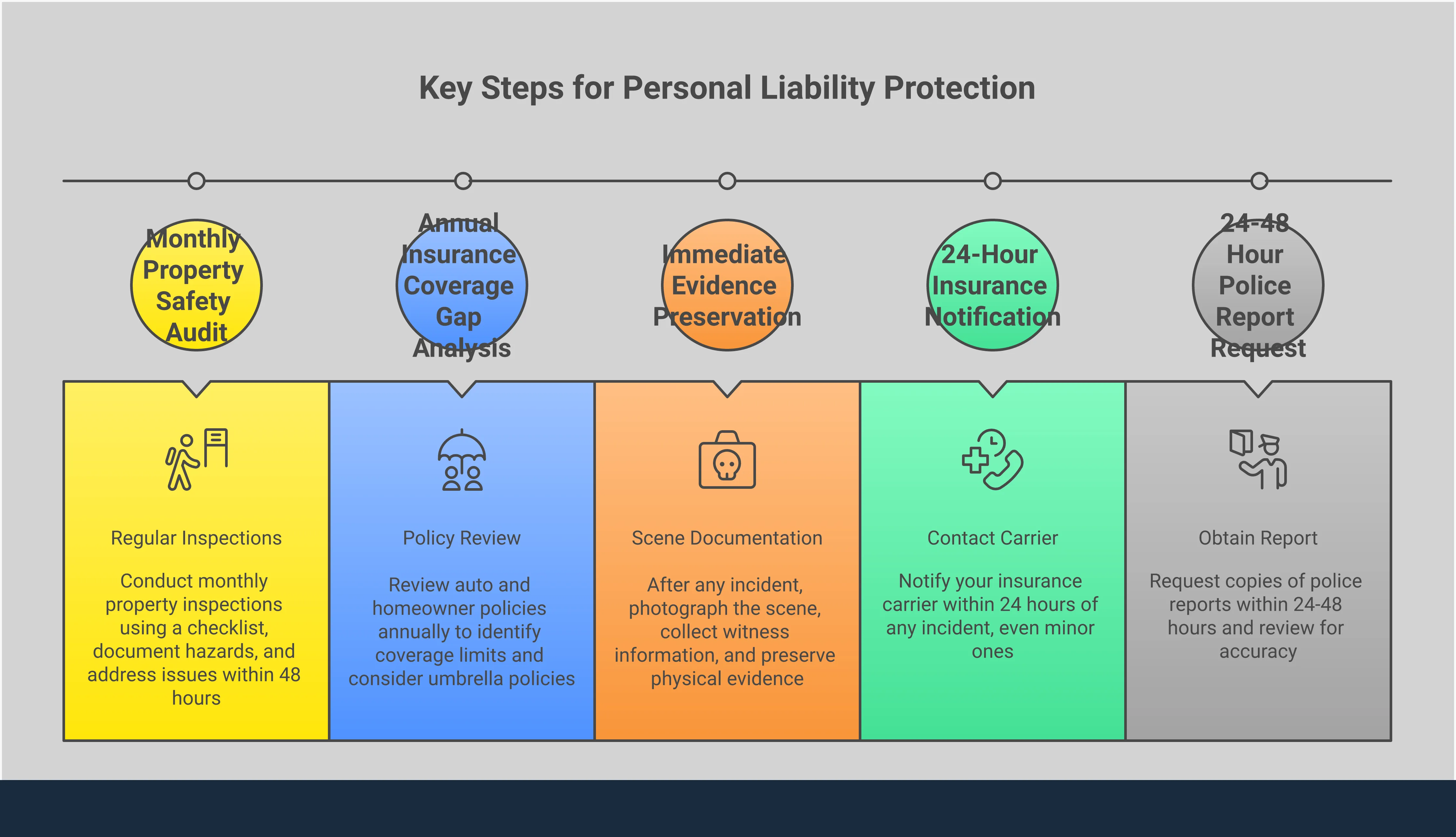
- Keep a Paper Trail: Even with digital claims processing, keep a diary of your injuries, the chores you can't do, and the days you miss work. This documentation is vital for "Essential Services" and "Lost Wage" claims.
- Understand the "Order of Priority": If you are a pedestrian hit by a car or a passenger in a friend’s car, the "order of priority" determines which insurance company pays first. Usually, your own Allstate policy follows you, meaning it covers you even if you aren't in your own car.
Frequently Asked Questions
Does Allstate PIP cover me if I’m a pedestrian?
Yes. In most no-fault states, if you are struck by a motor vehicle while walking or cycling, your own Allstate PIP coverage will provide benefits. If you do not own a car or have a policy, the PIP coverage of the vehicle that hit you typically covers your medical expenses.
Will my Allstate PIP premium go up if I file a claim?
In many no-fault states, insurance companies are prohibited from raising your rates for a PIP claim if you were not at fault for the accident. However, the specific regulations vary by state. Because PIP is designed to be used regardless of fault, it generally has a different impact on your insurance score than a liability claim.
Is Allstate PIP the same as "Full Coverage"?
No. "Full coverage" is a colloquial term that usually refers to a combination of Liability, Collision, and Comprehensive insurance. PIP is a specific medical and economic loss benefit. You can have a "full coverage" policy that does not include PIP if you live in a state where PIP is not offered.
How long do I have to file a PIP claim with Allstate?
Time limits are strict and governed by state law. Some states require you to seek medical treatment within 14 days of an accident to be eligible for PIP benefits (e.g., Florida). You should report the claim and seek medical attention immediately to ensure your rights are protected.
Can I sue the other driver if I have PIP?
In no-fault states, your right to sue is "limited." You can generally only sue for non-economic damages (pain and suffering) if your injuries exceed a specific "verbal" or "monetary" threshold. However, you can always sue for economic damages that exceed your PIP limits (e.g., if you have $100,000 in medical bills but only $50,000 in PIP).
Summary and Next Actions
Allstate Personal Injury Protection coverage remains a cornerstone of driver safety and financial stability in 2026. By providing immediate funding for medical care and replacing lost income, it ensures that an accident doesn't lead to financial ruin before you've even had a chance to recover.
If you are an Allstate policyholder, your next action should be to review your "Declarations Page" to confirm your current PIP limits and deductibles. If you live in a state with rising healthcare costs, consider contacting your Allstate agent to discuss whether your current PIP limits are sufficient for 2026's economic environment. Ensuring you have adequate PIP coverage today is the best way to guarantee peace of mind for the road ahead.
For more information on state-specific insurance requirements, you can consult the Insurance Information Institute or the National Highway Traffic Safety Administration.