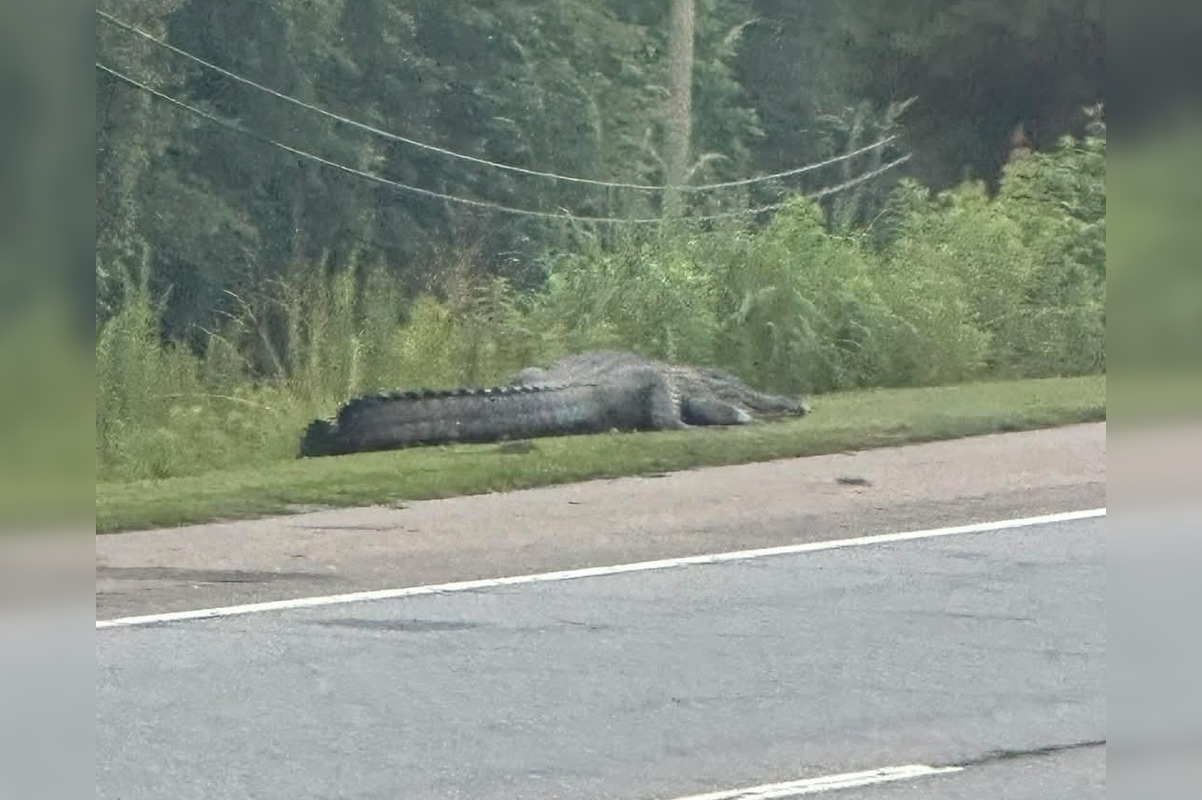
In early 2023, a 4-foot alligator found in Brooklyn’s Prospect Park sparked an intense citywide debate regarding illegal exotic pet trade, animal welfare, and public safety. While the animal ultimately perished due to poor health and exposure, the incident remains a primary reference point in 2026 for New York City’s ongoing efforts to regulate invasive species and prevent animal abandonment.
The discovery of a subtropical reptile in the freezing waters of a Brooklyn lake was more than a local curiosity; it was a symptom of a much larger crisis involving the logistics of urban wildlife management. As we look back from 2026, the "Brooklyn Alligator" incident—often referred to by the media as "Godzilla"—continues to influence how the New York City Department of Parks & Recreation and the Animal Care Centers of NYC (ACC) handle exotic species reports.
The Timeline of the Prospect Park Alligator Incident
The event began on the morning of February 19, 2023, when NYC Parks maintenance staff spotted the alligator near the edge of Prospect Park Lake. At the time, temperatures in New York were hovering near freezing, a lethal environment for an ectothermic (cold-blooded) animal. The alligator was described as extremely lethargic and suffering from "cold shock."
Upon its rescue, the animal was transported to the Bronx Zoo for emergency rehabilitation. Medical assessments revealed that the alligator was not only suffering from the cold but was also severely malnourished and had ingested a four-inch bathtub stopper. Despite the best efforts of the Bronx Zoo’s veterinary team, the alligator passed away in April 2023. The necropsy confirmed that the combination of chronic stress, environmental shock, and the foreign object in its stomach had led to systemic failure.
This sequence of events moved the public conversation from initial amusement to a serious discussion about the ethics of pet ownership and the dangers of introducing non-native species into fragile urban ecosystems.
The Legal Framework: Why Alligators are Illegal in NYC
The debate stirred by the Brooklyn alligator frequently centers on the legalities of exotic pet ownership. In New York City, the Health Code is very specific about which animals are permitted within the five boroughs. Under NYC Health Code § 161.01, it is illegal to possess any "wild, ferocious, fierce, dangerous or venomous animal," which explicitly includes all members of the order Crocodylia.
Why the Law Exists
The prohibition is not merely about the physical danger an alligator poses to humans as it grows; it is also a matter of public health and animal welfare.
- Zoonotic Diseases: Reptiles are frequent carriers of Salmonella and other pathogens that can be easily transmitted in a dense urban environment.
- Infrastructure Limitations: NYC apartments and backyards cannot provide the specialized UV lighting, temperature-controlled water, and large-scale filtration systems required to keep an alligator healthy.
- Ecological Integrity: Abandoned pets can disrupt local food chains. While an alligator cannot survive a New York winter, other abandoned species, like the red-eared slider turtle, have successfully established themselves and crowded out native species.
Penalties for Violations
Individuals found in possession of an illegal exotic animal face significant fines, often starting at $500 to $1,000 for a first offense, in addition to the costs associated with the animal’s removal and relocation. However, the Brooklyn incident highlighted a major flaw in the system: owners often abandon animals in parks to avoid these fines, unknowingly sentencing the animal to a slow death.
The Public Debate: Safety vs. Compassion
The "st stirred debate" mentioned in the subject line refers to the split in public opinion that followed the discovery. On one side, parents and park users expressed concern over the safety of the lake area. Prospect Park Lake is a popular spot for dogs and children; the presence of a predator, even a lethargic one, raised questions about the frequency of illegal releases and the adequacy of park surveillance.
On the other side of the debate were animal rights advocates who argued that the city’s focus should be on the cruelty of the abandonment itself. The fact that the alligator had swallowed a bathtub stopper suggested it had been kept in a cramped, inappropriate domestic setting—likely a bathroom—before being dumped. This shifted the narrative toward the need for more robust "amnesty" programs, where owners can surrender illegal pets without fear of prosecution to prevent them from being left in public spaces.
Comparing Urban Wildlife Challenges in NYC
To understand why the alligator incident was so significant, it is helpful to compare it to other common wildlife management issues faced by the city. The following table outlines the impact of various non-native or problematic species found in New York City parks.
| Species Type | Legal Status | Typical Origin | Impact on Urban Ecosystem |
|---|---|---|---|
| Alligators/Caimans | Prohibited | Illegal Pet Trade | High mortality rate; public safety hazard; zero survival in winter. |
| Red-Eared Sliders | Restricted | Abandoned Pets | Displace native Painted Turtles; overpopulate park ponds. |
| Monk Parakeets | Legal/Wild | Escaped/Intentional Release | Build massive nests on utility poles; potential for power outages. |
| Spotted Lanternfly | N/A (Invasive) | Accidental Import | Massive damage to local flora and agriculture; requires public culling. |
| Red Foxes/Coyotes | Protected/Native | Natural Migration | Generally beneficial for rodent control; requires public education on co-existence. |
The Biological Reality of Cold Shock in Reptiles
One of the most educational aspects of the Brooklyn alligator debate was the public's introduction to the concept of cold shock. Because alligators are ectotherms, their body temperature is regulated by their surroundings. When the water temperature drops below 55°F (13°C), their metabolism slows significantly. They stop eating and become largely immobile.
In the case of the Prospect Park alligator, the water temperatures in February were far below the threshold for survival. This physiological state explains why the animal was "easy to catch" but also why its recovery was so difficult. Even after being moved to a warm environment at the Bronx Zoo, the damage to its internal organs from the prolonged cold was irreversible. Veterinarians noted that "cold stunning" can lead to opportunistic infections and a complete breakdown of the digestive system, which was exacerbated by the bathtub stopper the animal had swallowed while in captivity.
How the City Responded: Policy Changes Through 2026
Since the incident, New York City has implemented several measures to prevent a repeat of the Prospect Park scenario. By 2026, these initiatives have become standard practice:
- Increased Ranger Patrols: The Urban Park Rangers have increased their presence around the "waterfront" areas of major parks like Central Park, Prospect Park, and Van Cortlandt Park to monitor for illegal dumping.
- Public Education Campaigns: The "WildlifeNYC" campaign was expanded to include specific modules on why exotic reptiles make poor pets and the legal consequences of abandonment.
- Enhanced Surveillance: While not fully automated, the city has utilized better reporting tools within the 311 app, allowing citizens to upload photos of unusual wildlife for immediate expert review.
- Strengthened Amnesty Partnerships: The city has worked closer with organizations like the Animal Care Centers of NYC to provide a "no-questions-asked" surrender policy for illegal reptiles during specific times of the year.
Procedures for Encountering Unusual Wildlife in NYC
If you encounter an animal that seems out of place, such as a large reptile or an exotic bird, in a New York City park, follow these steps to ensure both your safety and the welfare of the animal:
- Maintain Distance: Do not attempt to capture or touch the animal. Even a lethargic alligator can bite if it feels threatened.
- Document the Location: Note specific landmarks or use your phone to drop a GPS pin.
- Report via 311: Use the NYC 311 mobile app or call 311 to report a "Wildlife Issue." For immediate safety threats, call 911.
- Notify Park Staff: If there are Urban Park Rangers or maintenance staff nearby, alert them immediately.
- Keep Pets Away: Ensure dogs are on a leash and kept at a significant distance from the water's edge or the animal's location.
Frequently Asked Questions
Can alligators survive a New York City winter?
No. Alligators are native to the Southeast United States and require much warmer climates. While they can survive brief periods of near-freezing temperatures by "icing in" (keeping their snouts above freezing water), they cannot survive the sustained sub-freezing temperatures of a New York winter.
What happened to the alligator found in Prospect Park?
The alligator, which was nicknamed "Godzilla," was taken to the Bronx Zoo for treatment. Unfortunately, it was in poor health due to cold exposure and the ingestion of a bathtub stopper. It died on April 16, 2023.
Is it legal to own a caiman in Brooklyn?
No. Caimans belong to the same order as alligators (Crocodylia) and are strictly prohibited under NYC Health Code § 161.01. Possession of any crocodilian is illegal within all five boroughs.
Why did the alligator have a bathtub stopper in its stomach?
Veterinarians believe the alligator was likely kept in a bathtub by its illegal owners. The animal likely swallowed the stopper either out of hunger or as a result of the stress of its confined environment before it was abandoned in the park.
Where can I legally see alligators in NYC?
The only legal and safe way to see alligators in New York City is at accredited zoological facilities, such as the Bronx Zoo or the Staten Island Zoo, where they are kept in climate-controlled environments and cared for by professionals.
Final Recommendation for Residents
The primary lesson of the Brooklyn alligator incident is that urban parks are not suitable habitats for discarded pets. If you or someone you know is in possession of an illegal exotic animal, the most responsible action is to contact the Animal Care Centers of NYC or a licensed wildlife rehabilitator. Abandoning an animal in a public park is not only illegal but is almost always a death sentence for the animal and a potential risk to the community. By utilizing official surrender channels, you can ensure the animal is relocated to a sanctuary or facility capable of providing the specialized care it requires.