Receiving a notice from Alliance One Receivables Management can be an unsettling experience, but it is a manageable administrative event that requires a systematic approach. The most effective way to address their outreach is by confirming the debt's validity, understanding your legal rights under the Fair Debt Collection Practices Act (FDCPA), and communicating through formal, written channels to ensure your actions are documented.
Understanding the Role of Alliance One Receivables
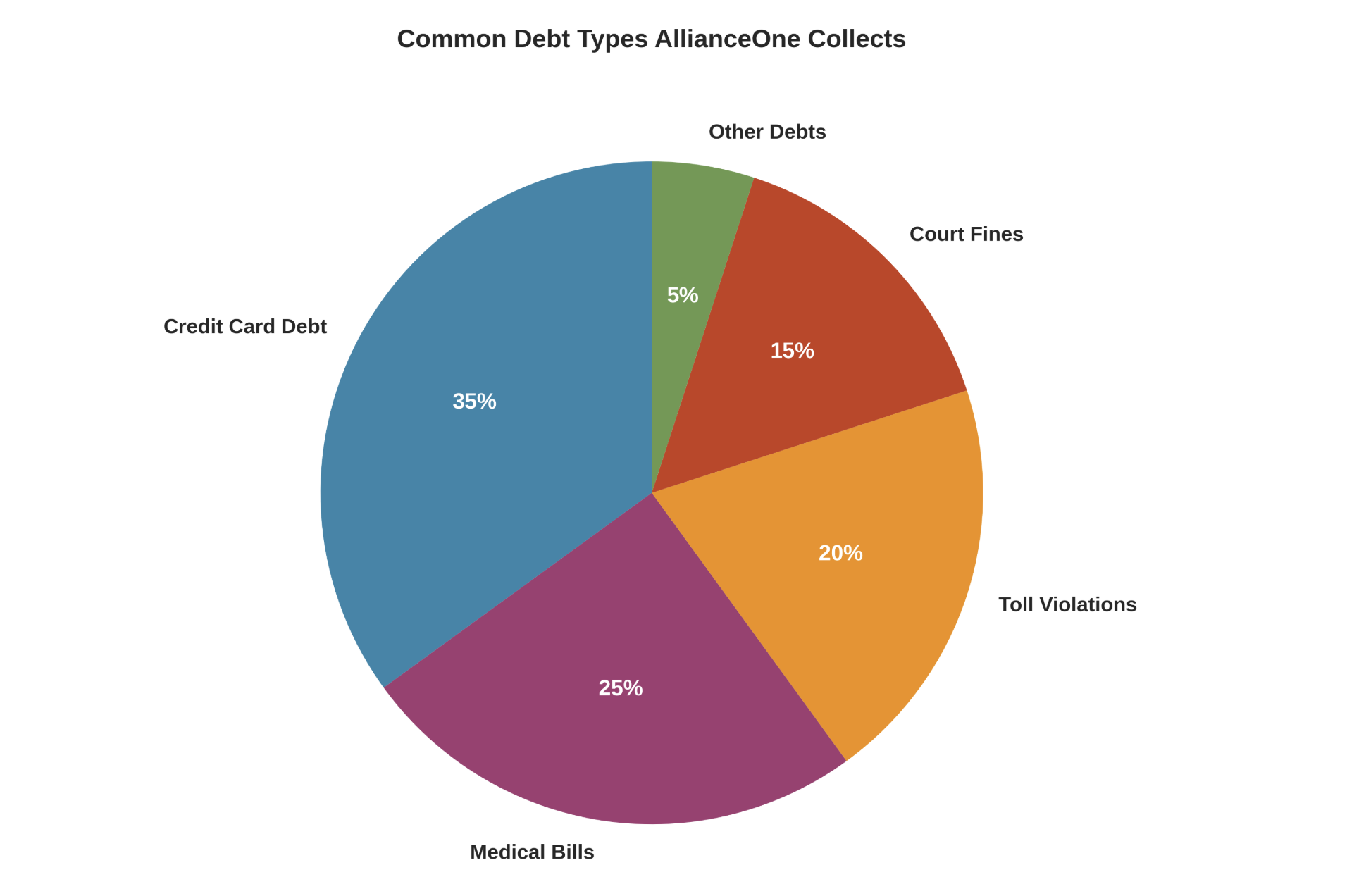
Alliance One Receivables Management is a third-party debt collection agency. Its primary business function is to recover outstanding debts on behalf of original creditors. Unlike the company that issued your original loan, credit card, or utility bill, Alliance One acts as an intermediary. They are often contracted by hospitals, utility companies, telecommunications providers, and financial institutions to manage accounts that have fallen behind on payment schedules.
When an account is transferred to a collection agency, it typically means the original creditor has exhausted its internal collection efforts and has sold or outsourced the debt collection rights. It is important to note that Alliance One is subject to federal regulation under the FDCPA, which dictates how, when, and where they can communicate with consumers, as well as what specific information they must provide upon request.
Initial Steps: When You Receive a Notice
The first step in handling an inquiry from Alliance One is to avoid impulsive decisions or emotional reactions. Documentation is your most powerful tool.
- Retain All Records: Keep the original letter or notice in a secure file. Do not discard any communication, even if you believe the claim is erroneous.
- Review for Accuracy: Examine the document for the name of the original creditor, the amount claimed, and the date the account supposedly went into default.
- Do Not Admit Liability Initially: Avoid making a partial payment or stating over the phone that the debt is yours before you have verified that the collector is legally entitled to collect it.
- Prepare for Verification: If you do not recognize the debt, your first action should be to request a "Debt Validation Letter." Under the FDCPA, you have the right to request proof that the debt is valid and that Alliance One has the legal authority to collect it.
The Debt Validation Process
The Debt Validation process is a fundamental consumer right. Once you receive a notice, you generally have 30 days to dispute the debt in writing. Sending a validation request requires the agency to provide specific documentation, such as the original creditor's name, the account number, and proof that the amount owed is correct.
If you choose to dispute, send a letter via certified mail with a return receipt requested. This ensures you have legal proof that your request was delivered. Once Alliance One receives this request, they are legally required to cease collection activities until they provide the requested verification. If they cannot produce the necessary paperwork, they are generally prohibited from continuing to pursue the debt.
Comparison of Debt Management Approaches
When determining how to resolve a confirmed debt with a collection agency, consumers often choose between several strategies. The table below outlines common approaches, their typical implications, and their intended outcomes.
| Strategy | Mechanism | Potential Pro | Potential Con |
|---|---|---|---|
| Payment in Full | Pay the total outstanding balance. | Stops all collection efforts immediately. | Does not guarantee removal from credit report. |
| Settlement | Negotiate a lump sum less than total. | Saves money on the total obligation. | May impact credit score as "settled" debt. |
| Validation | Formally request proof of debt. | Uncovers errors or time-barred status. | Can be time-consuming to manage. |
| Payment Plan | Arrange periodic, smaller payments. | Makes debt manageable on a budget. | Extends the time the account stays active. |
Legal Considerations and Consumer Rights
The Fair Debt Collection Practices Act (FDCPA) provides a shield for consumers. It is essential to know what an agency like Alliance One cannot do:
- They cannot harass or threaten you with violence.
- They cannot use obscene or profane language.
- They cannot misrepresent the amount you owe or claim you will be arrested for not paying a civil debt.
- They cannot call you at unreasonable times (generally before 8:00 a.m. or after 9:00 p.m. your time).
- They cannot continue to contact you if you have sent a written request asking them to stop.
If you believe Alliance One has violated these regulations, you have the right to file a complaint with the Consumer Financial Protection Bureau (CFPB) and your state’s Attorney General’s office.
Addressing Credit Reporting Impacts
A collection account from Alliance One appearing on your credit report can adversely impact your credit score. If the debt is legitimate, simply paying it may not result in its removal from your report; it will simply change the status to "Paid Collection."
If you are negotiating a payment, you may attempt to request a "pay for delete" agreement. While collectors are not obligated to remove valid negative marks from your credit history, some may agree to do so in exchange for payment. If they agree to this, ensure you get the offer in writing before submitting any payment. Keep in mind that as of 2026, credit reporting bureaus have updated their policies regarding certain paid collections, which may naturally improve your score faster than in previous years, but an active collection is still a significant weight on your credit file.
Frequently Asked Questions
What should I do if I have already paid the original creditor?
If you have proof that the debt was already paid, send a copy of that proof (such as a canceled check or a receipt) to Alliance One immediately. Do not send original documents; only copies. State clearly that the debt has been satisfied and request that they remove the entry from their system and notify the credit bureaus.
Is there a statute of limitations on this debt?
Yes, every state has a statute of limitations for the collection of consumer debt. This is the period during which a creditor can legally sue you to collect a debt. If the debt is past this period, it is considered "time-barred." While the collector may still ask for payment, they cannot successfully sue you to collect it in court. Check your state's specific laws, as these vary significantly.
Can I stop Alliance One from calling me?
Yes. You can send a written request—known as a "cease and desist" letter—demanding that they stop all communication with you. Once they receive this letter, they are legally limited to contacting you only to inform you that they are ending their collection efforts or that they intend to take a specific legal action, such as filing a lawsuit.
Will paying the debt improve my credit score immediately?
Not necessarily. While updating a collection account to "paid" is generally better than leaving it unpaid, it does not guarantee a sudden, massive jump in your score. The primary benefit of paying a collection is stopping further aggressive collection tactics and preventing the potential for a civil judgment or wage garnishment.
What if I cannot afford to pay the full amount?
If you cannot pay in full, negotiate. Debt collection agencies are often willing to accept a lump-sum settlement that is significantly lower than the full balance because they have often purchased the debt for pennies on the dollar. Start by offering a percentage of the total and work toward a mutually acceptable figure.
Next Actions and Expert Guidance
The most practical path forward is to remain professional, keep every communication in writing, and verify every claim. If you find yourself overwhelmed by multiple debts, consider consulting a nonprofit credit counseling organization. These agencies can often help you structure a debt management plan that encompasses all your accounts, not just those currently with collection agencies.
Prioritize verification. Do not assume a notice is correct just because it looks official. By requiring the collector to prove the debt, you filter out potential errors and protect your financial standing. Once the debt is verified, choose the path that best suits your current financial liquidity—whether that is a lump-sum settlement or a structured payment plan—and always get your final agreement in writing before transferring any funds.