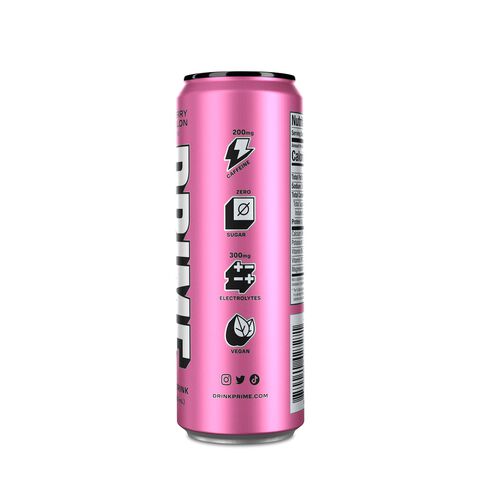
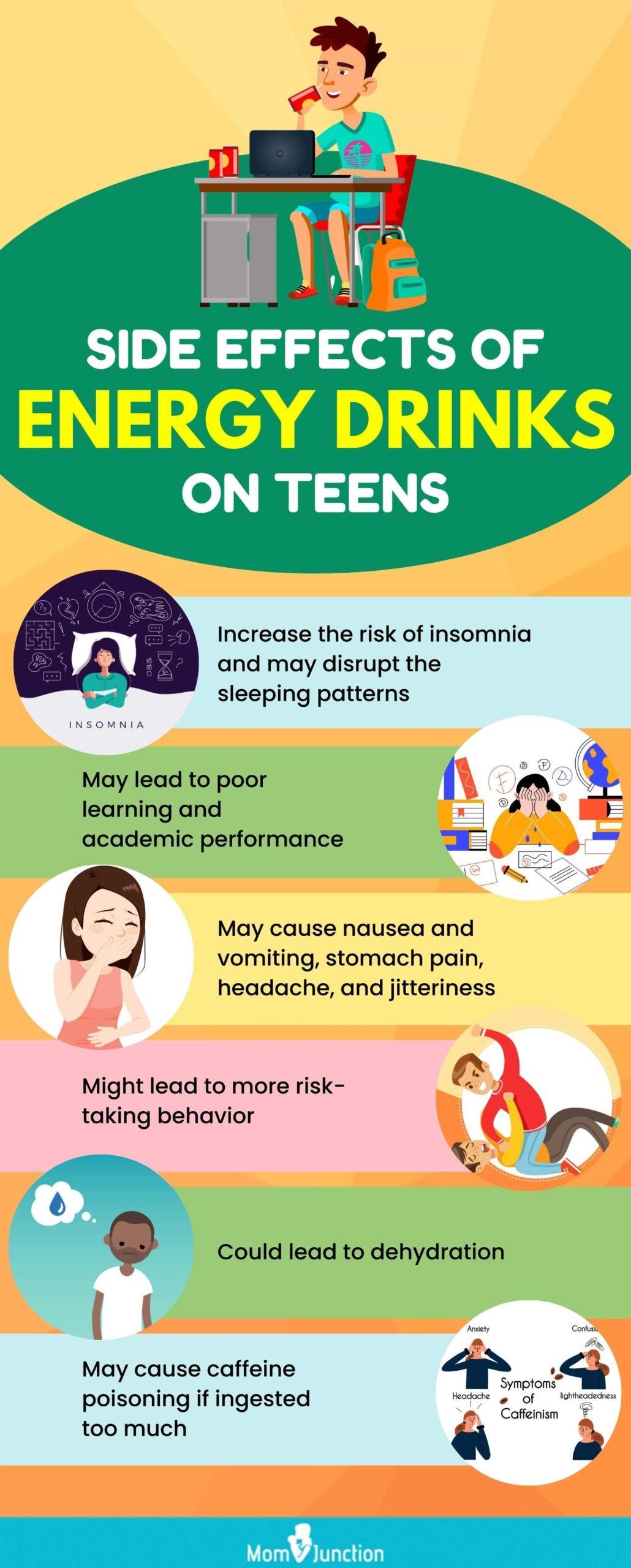
An allergic reaction to an energy drink occurs when the immune system overreacts to one or more ingredients, such as caffeine, herbal extracts like ginseng or guarana, artificial dyes, or preservatives. Symptoms can range from mild skin rashes and itching to severe respiratory distress or life-threatening anaphylaxis. If you suspect a reaction, discontinue use immediately and seek medical evaluation to identify the specific trigger.
The Complex Composition of Energy Drinks
Energy drinks are not monolithic products; they are complex chemical cocktails designed to provide rapid stimulation. While most people consume them without immunological issues, the sheer number of ingredients increases the statistical likelihood of an individual encountering an allergen. By 2026, the market has seen an influx of "natural" and "clean" energy drinks, but even these contain potent botanical extracts that can trigger hypersensitivity.
Stimulants as Allergens
While rare, a true allergy to caffeine exists. The immune system identifies caffeine as a harmful invader and releases immunoglobulin E (IgE) antibodies. This triggers the release of histamine, leading to classic allergic symptoms. More common, however, are reactions to botanical stimulants like guarana and yerba mate. Because these are plant-based, they contain complex proteins that are more likely to be recognized by the immune system than simple alkaloids.
Herbal Additives and Adaptogens
Many modern energy drinks include "proprietary blends" of adaptogens such as ginseng, ashwagandha, and Rhodiola rosea. Ginseng, in particular, has been documented to cause skin eruptions and, in rare cases, systemic allergic reactions. Because these ingredients are often highly concentrated in energy formulas, the dose may cross the threshold from "tolerated" to "reactive" for sensitive individuals.
Synthetic Additives and Preservatives
Artificial colors, particularly Yellow 5 (tartrazine) and Red 40, are notorious for causing hives and asthma-like symptoms in susceptible people. Furthermore, preservatives like sodium benzoate or sulfur dioxide (sometimes present in fruit-based energy drinks) can trigger "pseudo-allergic" reactions, which mimic true allergies but involve a different biological pathway.
Identifying Symptoms: From Mild to Severe
Recognizing the signs of an allergic reaction is crucial for timely intervention. Because energy drinks are liquid and absorbed quickly, symptoms often manifest within minutes, though they can delayed by up to two hours depending on gastric transit time.
Dermatological Reactions
The skin is usually the first place an allergy shows its face. Urticaria (hives)—raised, itchy red welts—are the most common sign. You may also experience generalized itching (pruritus) without a visible rash, or localized swelling known as angioedema, typically affecting the lips, eyelids, or tongue.
Gastrointestinal Distress
While many assume nausea is just a side effect of too much caffeine, severe cramping, vomiting, or sudden diarrhea following the consumption of an energy drink can indicate an IgE-mediated response. The gut contains a high concentration of immune cells that react to ingested allergens by attempting to expel them rapidly.
Respiratory and Cardiovascular Warning Signs
A tightening of the chest, shortness of breath, or wheezing suggests a more serious systemic reaction. It is vital to distinguish these from the "jitters." While caffeine overdose causes a rapid heart rate (tachycardia) and anxiety, it does not typically cause the throat to close or produce a "barking" cough. If you experience difficulty swallowing or a feeling of "doom," these are red flags for anaphylaxis.
Allergy vs. Sensitivity vs. Pharmacological Side Effects
One of the greatest challenges in 2026 for clinical diagnosis is distinguishing a true allergy from other adverse reactions. These terms are often used interchangeably in casual conversation, but they represent very different physiological processes.
- True Allergy (IgE-Mediated): This involves the immune system. Even a tiny amount of the energy drink can trigger a massive response. Symptoms include hives, swelling, and potential airway closure.
- Food Intolerance/Sensitivity: This is usually a metabolic issue. For example, some people lack the enzymes to process certain sugars or artificial sweeteners in the drink, leading to bloating and gas.
- Pharmacological Side Effects: These are "expected" but unwanted actions of the ingredients. High doses of caffeine naturally cause tremors, insomnia, and increased heart rate. This is not an allergy; it is the body reacting to a powerful stimulant.
- The Niacin Flush: Many energy drinks contain high doses of Vitamin B3 (Niacin). This can cause the skin to turn bright red and feel hot or itchy. This is a vasodilator effect, not an allergy, though it is frequently mistaken for one.
Comparative Overview of Energy Drink Triggers
The following table outlines common ingredients and the types of reactions they typically produce.
| Ingredient | Potential Reaction Type | Primary Symptoms | Commonality |
|---|---|---|---|
| Caffeine | Allergy or Sensitivity | Hives, tremors, palpitations, anxiety | Rare (Allergy) / Common (Sensitivity) |
| Ginseng | True Allergy | Skin rash, itching, dizziness | Uncommon |
| Tartrazine (Yellow 5) | Hypersensitivity | Hives, asthma, nasal congestion | Moderate |
| Niacin (B3) | Pharmacological | Skin flushing, warmth, redness | Very Common |
| Taurine | Sensitivity | Digestive upset, headache | Rare |
| Aspartame | Sensitivity | Headaches, skin irritation | Moderate |
| Sodium Benzoate | Pseudo-allergy | Wheezing, hives | Uncommon |
Diagnostic Procedures and Testing
If you suffer a reaction, you should consult an allergist. In 2026, diagnostic protocols have become highly refined, allowing for more precise identification of specific triggers within multi-ingredient beverages.
Clinical History and Elimination
The first step is a detailed "dietary recall." The doctor will look at the specific brand of energy drink and its ingredient list. They may ask you to keep a food diary to see if symptoms recur with other products containing similar dyes or stimulants.
Skin Prick Testing (SPT)
An allergist places a tiny drop of the suspected allergen (or a diluted version of the drink) on your forearm and lightly scratches the skin. If a small, itchy bump (wheal) appears within 20 minutes, it indicates the presence of IgE antibodies.
Specific IgE Blood Tests
Blood tests can measure the concentration of antibodies to specific proteins. While there isn't a "universal energy drink test," doctors can test for reactions to caffeine, specific molds (if the drink contains fermented ingredients), or common botanical extracts.
Oral Food Challenge
Considered the gold standard, this involves consuming small, increasing amounts of the ingredient under strict medical supervision. This is only done if other tests are inconclusive and the reaction was not life-threatening.
Immediate Response and Treatment Options
If you find yourself in the middle of a reaction, the severity of your symptoms dictates the course of action.
For Mild Reactions
If you only have a few hives or mild itching, an over-the-counter antihistamine (such as cetirizine or diphenhydramine) can help block the histamine response. Cool compresses can soothe skin irritation. It is important to monitor your condition closely, as mild symptoms can sometimes precede more severe ones.
For Moderate to Severe Reactions
If you experience any swelling of the face or throat, or difficulty breathing, seek emergency services immediately.
- Epinephrine: This is the first-line treatment for anaphylaxis. It works by constricting blood vessels to increase blood pressure and relaxing the muscles in the lungs to open the airways.
- Corticosteroids: Doctors may administer steroids to reduce inflammation and prevent a "rebound" reaction hours later.
- IV Fluids: If blood pressure drops significantly, intravenous fluids are necessary to maintain organ perfusion.
Prevention and Safe Alternatives
Living with an allergy to energy drink components requires a proactive approach to consumption and label literacy.
Rigorous Label Reading
In 2026, labeling laws require most major allergens to be disclosed, but many herbal extracts are still grouped under "Natural Flavors" or "Energy Blends." If you have a known sensitivity, avoid any product that does not explicitly list every component of its proprietary mixture.
Cross-Contamination Risks
Be aware that facilities that produce energy drinks often process other beverages. If you have a severe allergy to a specific fruit or dye, contact the manufacturer to ask about their cleaning protocols and shared equipment lines.
Safer Energy Sources
If you are allergic to the complex additives in energy drinks, consider simpler alternatives:
- Single-origin coffee or tea: These contain fewer ingredients and no synthetic dyes.
- Vitamin B12 supplements: Ensure these are taken under medical advice to avoid the "niacin flush" associated with B-complexes.
- Hydration and sleep: Often, the "need" for an energy drink is a signal of dehydration or chronic sleep debt, which can be addressed through lifestyle adjustments.
Frequently Asked Questions
Can I suddenly develop an allergy to an energy drink I’ve had many times? Yes. Allergies can develop at any point in life. This process, called sensitization, happens when your immune system repeatedly encounters a substance and eventually decides it is a threat. You may have consumed a specific brand for years without issue before your body triggers a reaction.
Is it possible to be allergic to the "sugar-free" version but not the regular one? Absolutely. Sugar-free energy drinks contain artificial sweeteners like aspartame, sucralose, or acesulfame potassium. Many people have sensitivities or pseudo-allergic reactions to these specific chemicals that are not present in the sugar-sweetened versions.
How long does an allergic reaction to an energy drink last? Mild reactions like hives may subside within a few hours of taking an antihistamine. However, the ingredients in energy drinks can take several hours to be fully metabolized and excreted. In severe cases, symptoms can persist or recur (biphasic reaction) for 12 to 24 hours, which is why medical observation is often required.
Does a "natural" energy drink mean it is safer for people with allergies? Not necessarily. "Natural" ingredients like green coffee bean extract, guarana, and ginseng are common allergens. In fact, synthetic ingredients are sometimes "cleaner" from an immunological standpoint because they lack the complex proteins found in whole plant extracts that the immune system typically targets.
What is the difference between a caffeine allergy and caffeine intolerance? A caffeine allergy is an immune system failure involving IgE antibodies and can cause hives or anaphylaxis. Caffeine intolerance is a sensitivity in the digestive system or a slow metabolic rate (often due to the CYP1A2 gene), leading to exaggerated side effects like jitters, racing heart, and insomnia, but without the skin rashes or respiratory distress of an allergy.
Practical Recommendation
If you have experienced an adverse reaction after consuming an energy drink, your first priority is to identify the specific ingredient rather than blaming "energy drinks" as a whole. Secure the can or a photo of the ingredient label and schedule an appointment with a board-certified allergist. Until you receive a definitive diagnosis, avoid all stimulant-heavy beverages and "proprietary blend" supplements, as many share similar botanical markers. For immediate relief of mild skin symptoms, an H1-antihistamine is effective, but always keep an emergency plan in place if symptoms involve your breathing or circulation.
Disclaimer: This article is for informational purposes only and does not constitute medical advice. If you are experiencing a medical emergency, contact your local emergency services immediately.