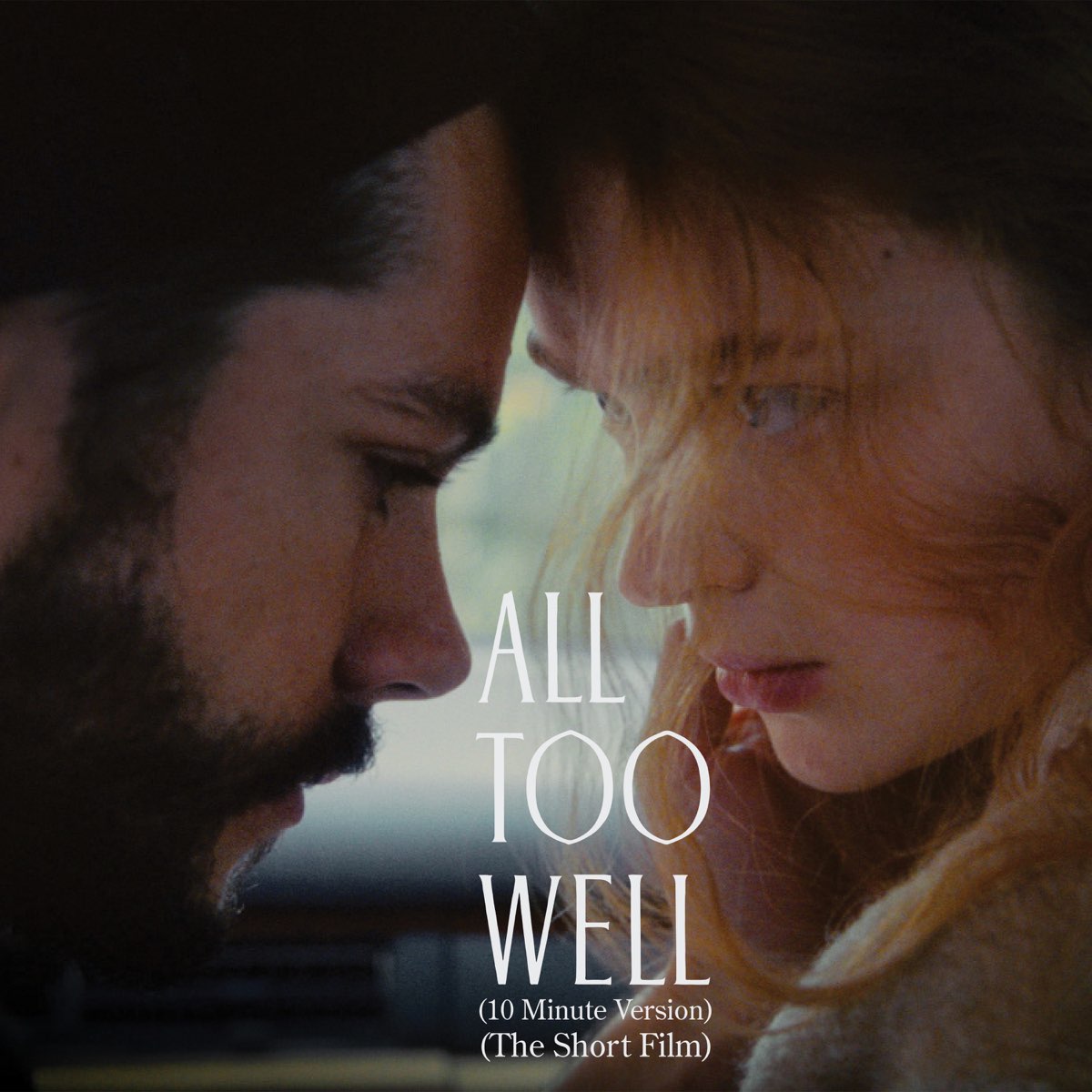
All Too Well (10 Minute Version) (Taylor's Version) [From The Vault] is the uncut, cinematic masterpiece by Taylor Swift, released in November 2021. It restores the original narrative flow of her most acclaimed song, transforming a five-minute ballad into a ten-minute epic that explores heartbreak, power dynamics, and memory through vivid, literary songwriting.
Since its release as part of the Red (Taylor's Version) re-recording project, this version has transcended its status as a mere "vault track" to become a cornerstone of modern pop culture. By 2026, it remains the gold standard for how artists can reclaim their work while providing fans with the deepest possible immersion into their creative process. This article explores the history, lyrical depth, production nuances, and cultural legacy of this landmark recording.
The Origins of the Ten-Minute Legend
For nearly a decade, the "ten-minute version" of "All Too Well" existed only as a myth among Taylor Swift’s fanbase. During the original 2011 recording sessions for the Red album, Swift famously arrived at a rehearsal in a state of emotional distress. She began ad-libbing lyrics over a repetitive chord progression while her band followed her lead. This impromptu "jam session" reportedly lasted between ten and fifteen minutes.
Swift’s sound engineer at the time captured the session on a CD, which Swift eventually took to her frequent collaborator Liz Rose. Rose helped Swift trim the sprawling narrative down to a radio-friendly five-and-a-half minutes for the 2012 release. While the shorter version became a fan favorite and a critical darling, the existence of the "original" longer cut became the subject of intense speculation.
When Swift began her mission to re-record her first six studio albums following a highly publicized dispute over her master recordings, she used the "From The Vault" series to finally finish and release the legendary long-form version.
Lyrical Analysis: What the Extra Minutes Reveal
The 10-minute version does not simply stretch out the original; it adds several entire verses and a haunting outro that change the song’s perspective from a simple breakup narrative to a searing indictment of an unbalanced relationship.
The "Fuck the Patriarchy" Keychain
One of the most discussed additions is the line: "And you were tossing me the car keys / 'Fuck the patriarchy' keychain on the ground." This detail serves as a sharp piece of characterization. It suggests a partner who performed progressive values while simultaneously treating the narrator with a lack of empathy—a phenomenon often described in modern dating as "performative wokeness."
The Age Gap and Power Dynamics
The extended version leans heavily into the age difference between the two subjects (Swift was 20 at the time of the events, while the subject was nearly 30). Lines such as "You said if we had been closer in age maybe it would have been fine" and "I’ll get older, but your lovers stay my age" highlight the inherent power imbalance. These additions move the song away from mere sadness and into the realm of social commentary regarding how young women are often treated by older men in the public eye.
The Birthday Party Incident
A significant narrative arc added to the ten-minute version involves a birthday party where the subject failed to show up. Swift writes: "But then he watched me watch the door all night, willing you to come / And he said, 'It's supposed to be fun turning twenty-one'." This verse provides a specific, heartbreaking anchor for the emotional weight of the song, illustrating the loneliness of being let down on a milestone occasion.
Production and Sonics: The Jack Antonoff Influence
While the 2012 version of "All Too Well" (produced by Nathan Chapman and Swift) had a country-rock, slow-burn build, the 10-minute version (produced by Jack Antonoff and Swift) adopts a more atmospheric, indie-pop aesthetic.
Atmospheric Soundscapes
Antonoff utilized muffled drums and layering synths that create a "snowfall" effect, mirroring the winter setting of the lyrics. The production is steady and rhythmic, acting as a heartbeat that carries the listener through the long duration without becoming repetitive.
The Outro: A Fade Into Memory
The final two minutes of the song consist of a repetitive, chanting outro: "Down around the town," "I was there," "Wind in my hair." This section functions as a musical representation of a "thought spiral." By the time the song fades out, the listener feels the weight of the passage of time, which is central to the song's theme of "remembering it all too well."
The All Too Well Short Film
To accompany the release, Swift wrote and directed All Too Well: The Short Film. Shot on 35mm film, it stars Sadie Sink and Dylan O'Brien. The casting was deliberate; the age gap between the actors mirrored the real-life gap of the song's subjects, adding a layer of visual discomfort to the romantic scenes.
The film is divided into chapters, such as "An Upstate Escape" and "The Reeling," which help structure the ten-minute runtime into a cohesive visual narrative. It famously features a "dialogue break" in the middle—a kitchen argument that was improvised by Sink and O'Brien—which illustrates the gaslighting and communication breakdowns described in the lyrics.
The short film was a critical success, winning the Grammy Award for Best Music Video and qualifying for Academy Award consideration. It solidified Swift's reputation as a visual storyteller and director.
Comparing the Versions: A Technical Breakdown
For listeners familiar with the 2012 original, the 10-minute version offers several distinct changes beyond just the length.
| Feature | All Too Well (2012 Original) | All Too Well (10 Minute Version) (2021) |
|---|---|---|
| Runtime | 5:29 | 10:13 |
| Producer | Nathan Chapman, Taylor Swift | Jack Antonoff, Taylor Swift |
| Genre | Country-Rock / Ballad | Atmospheric Pop / Folk-Rock |
| Primary Theme | Heartbreak and nostalgia | Power dynamics and the passage of time |
| Key Narrative Beats | The scarf, the autumn leaves | The keychain, the birthday party, the age gap |
| Billboard Peak | #80 (original run) | #1 (Longest song to reach #1) |
Cultural Impact and Records Broken
The release of "All Too Well (10 Minute Version)" was a watershed moment in the music industry. It challenged the long-held belief that audiences have short attention spans and that radio-play dictates a song's success.
Breaking the Guinness World Record
Upon its debut, the song reached Number 1 on the Billboard Hot 100. At 10 minutes and 13 seconds, it officially broke the record for the longest song to ever reach the top of the charts, a record previously held for nearly 50 years by Don McLean’s "American Pie" (which clocks in at 8 minutes and 42 seconds).
The Scarf as a Cultural Symbol
The "red scarf" mentioned in the song’s first verse ("And I left my scarf there at your sister's house") has become one of the most recognizable symbols in modern music history. It has been analyzed as a metaphor for innocence, a physical remnant of a broken relationship, and a piece of "evidence" in the fans' collective detective work. In 2026, the scarf remains a staple piece of merchandise and a shorthand for the emotional depth of Swift's discography.
Why the Song Resonates in 2026
Five years after its re-release, "All Too Well (10 Minute Version)" continues to be studied in university songwriting courses and cited by other artists as a major influence. Its staying power can be attributed to three main factors:
- Vulnerability: Swift’s willingness to include raw, unpolished thoughts from her younger self creates a level of intimacy that few pop songs achieve.
- Structural Boldness: The song ignores the standard verse-chorus-verse-chorus-bridge-chorus structure, instead opting for a linear, diary-like progression that feels more like a short story than a single.
- The "Taylor's Version" Context: As the centerpiece of her re-recording project, the song represents more than just music; it represents an artist’s autonomy and the right to own one's creative output.
Troubleshooting Common Listening Issues
Despite its popularity, some listeners may find the length or the production style of the 10-minute version different from what they expected.
- "It feels slower than the original": This is intentional. The 10-minute version has a slightly different BPM (beats per minute) and a more "laid-back" drum track to allow the lyrics to take center stage.
- "Where are the guitars?": While the original was heavy on acoustic and electric guitar builds, the 10-minute version uses more "textured" sounds, including synth pads and processed backing vocals. This is characteristic of Jack Antonoff’s production style.
- "I can't find it on streaming": Ensure you are searching for the full title: "All Too Well (10 Minute Version) (Taylor's Version) [From The Vault]". Many platforms also host the "Sad Girl Autumn Version," which is a stripped-back, piano-heavy rendition recorded at Long Pond Studios.
Frequently Asked Questions
Is the 10-minute version actually the original version?
Technically, no. The original was a 10-to-15-minute improvised jam session. The version released in 2021 is a professionally recorded and structured song that incorporates the lyrics from that original session, but it was produced and recorded specifically for the Red (Taylor's Version) album.
Who is the song "All Too Well" about?
While Taylor Swift famously does not explicitly name the subjects of her songs, "All Too Well" is widely understood by fans and music journalists to be about her relationship with actor Jake Gyllenhaal, which took place in late 2010. The lyrics reference specific details, such as a trip to Upstate New York (where he and Swift were photographed) and his sister, Maggie Gyllenhaal.
Why is the song called "Taylor's Version"?
The suffix "(Taylor's Version)" indicates that the recording is part of Swift's project to re-record her first six albums. This allows her to own the licensing rights (the "masters") to the songs, as the original masters are owned by a private equity firm following the sale of her former label, Big Machine Records.
Did the 10-minute version win a Grammy?
The song itself was nominated for Song of the Year at the 65th Annual Grammy Awards. However, All Too Well: The Short Film won the Grammy for Best Music Video. This made Taylor Swift the first artist to win that category with a solo directing credit for their own music video.
How does the 10-minute version fit into the Eras Tour?
In the Eras Tour (which ran from 2023 through 2024 and defined pop culture through the mid-2020s), the 10-minute version of "All Too Well" served as the grand finale of the Red era segment. Swift performed the song in its entirety every night, usually solo on acoustic guitar or with minimal backing, while "snow" fell on the audience during the outro.
Final Recommendations for Listeners
To fully appreciate "All Too Well (10 Minute Version)," listeners should treat it as a short film or a chapter of a book rather than background music.
- Listen with the lyrics in front of you: The brilliance of the song lies in the specific "Easter eggs" and the evolution of the narrative.
- Watch the Short Film first: Seeing the visual representation of the "kitchen scene" and the "scarf" helps ground the lyrics in a tangible reality.
- Compare the versions: If you are a student of songwriting, listen to the 2012 version and the 2021 version back-to-back. Observe how the removal or addition of a single verse can change the entire emotional "thesis" of a piece of music.
Whether you are a "Swiftie" or a casual listener, the 10-minute version of "All Too Well" is an essential piece of the 21st-century musical canon, proving that great storytelling knows no time limit.