Medical definitions are precise linguistic constructs used to describe physiological states, pathological conditions, anatomical structures, and clinical procedures. They primarily rely on Greek and Latin roots, consisting of prefixes, word roots, and suffixes to create a standardized global language for healthcare professionals. This systematic approach ensures that a diagnosis or anatomical description remains consistent across different languages and geographic borders.
The Foundations of Medical Terminology and Definitions
To understand any medical definition, one must first recognize that medical language is not arbitrary. It is a highly structured system designed for clinical precision and the elimination of ambiguity. As of 2026, the global medical community continues to rely on the International Classification of Diseases, 11th Revision (ICD-11), maintained by the World Health Organization (WHO), as the definitive framework for defining and coding health conditions.
The necessity for a "comprehensive reference entry" arises from the complexity of human biology. A single term, such as myocardial infarction, is not merely a name for a heart attack; it is a definition that describes the location (myocardium/heart muscle) and the nature of the pathology (infarction/tissue death due to lack of blood supply). By breaking down these terms, clinicians can communicate complex physiological events with singular words.
The Linguistic Triad: Prefixes, Roots, and Suffixes
The vast majority of medical definitions are built from three components. Understanding these components allows a reader to decipher almost any complex term without a dictionary.
- The Root (The Core Meaning): This part of the word usually refers to a body part or a specific physiological system. For example, hepat- refers to the liver, while encephal- refers to the brain.
- The Prefix (The Modifier): Placed at the beginning of the word, the prefix modifies the root by indicating location, time, number, or status. For instance, hyper- indicates "excessive" or "above," whereas hypo- indicates "deficient" or "below."
- The Suffix (The Condition or Action): Placed at the end of the word, the suffix often indicates a procedure, condition, or disease. The suffix -itis denotes inflammation, while -ectomy denotes surgical removal.
Categorizing Medical Definitions by Clinical Scope
Medical definitions are generally categorized based on their application within the healthcare ecosystem. These categories help practitioners navigate reference materials like the Merriam-Webster Medical Dictionary or the Stedman’s Medical Dictionary.
Anatomical Definitions
These define the structures of the body. They utilize a "topographical" approach, describing where a part is located in relation to others. Terms like distal (farther from the trunk) and proximal (closer to the trunk) are foundational anatomical definitions that provide orientation during surgery or diagnostic imaging.
Pathological Definitions
These describe diseases and abnormal conditions. A pathological definition must include the etiology (cause), pathogenesis (development), and clinical manifestations (signs and symptoms) of the condition. For example, Type 2 Diabetes Mellitus is defined not just by high blood sugar, but by the underlying mechanism of insulin resistance and relative insulin deficiency.
Procedural and Diagnostic Definitions
These define the "how" of medicine. A cholecystectomy is defined as the surgical removal of the gallbladder. A magnetic resonance imaging (MRI) entry defines the use of powerful magnetic fields and radio waves to create detailed images of the organs and tissues within the body.
Comprehensive Reference Table: Essential Medical Roots and Components
The following table provides a high-level reference for some of the most frequently encountered components in medical definitions as of 2026.
| Component | Type | Meaning | Example Term | Definition of Example |
|---|---|---|---|---|
| Angio- | Root | Blood Vessel | Angioplasty | Surgical repair or unblocking of a blood vessel. |
| Brady- | Prefix | Slow | Bradycardia | A heart rate that is slower than the normal resting rate. |
| -cyte | Suffix | Cell | Erythrocyte | A red blood cell that transports oxygen. |
| Dys- | Prefix | Painful / Difficult | Dyspnea | Difficult or labored breathing. |
| Gastro- | Root | Stomach | Gastritis | Inflammation of the lining of the stomach. |
| -lysis | Suffix | Destruction / Breakdown | Hemolysis | The rupture or destruction of red blood cells. |
| Nephro- | Root | Kidney | Nephropathy | Disease or damage to the kidney. |
| -opathy | Suffix | Disease | Cardiomyopathy | A disease of the heart muscle. |
| Tachy- | Prefix | Fast | Tachycardia | A heart rate that exceeds the normal resting rate. |
| -uria | Suffix | Condition of Urine | Glycosuria | The presence of excess sugar in the urine. |
The Evolution of Medical Definitions in 2026
In 2026, the way we define medical terms has shifted from static paper entries to dynamic, interconnected digital entities. The integration of SNOMED CT (Systematized Nomenclature of Medicine—Clinical Terms) allows for a level of precision that traditional dictionaries could not achieve.
Semantic Interoperability
Modern medical definitions now require "semantic interoperability." This means that a definition for "Hypertension" must be understood identically by an Electronic Health Record (EHR) system in New York, a diagnostic AI in London, and a pharmacy database in Tokyo. Definitions are no longer just for human reading; they are data points that drive automated clinical decision support systems.
Precision Medicine Definitions
We are also seeing a shift toward definitions based on molecular and genetic markers rather than just clinical symptoms. For example, "Lung Cancer" is an increasingly broad and insufficient term. Modern reference entries now define specific subtypes based on genetic mutations, such as EGFR-positive non-small cell lung carcinoma. This level of detail in the definition directly dictates the 2026 standard of care and pharmaceutical intervention.
Distinguishing Between Key Diagnostic Concepts
A common mistake in interpreting medical definitions is the conflation of similar but distinct terms. Accuracy in medical reporting depends on the precise use of these definitions.
Sign vs. Symptom
- Sign: An objective evidence of disease that can be observed by others (e.g., a skin rash, high blood pressure, or a fever measured by a thermometer).
- Symptom: A subjective experience reported by the patient (e.g., lower back pain, fatigue, or anxiety).
Acute vs. Chronic
- Acute: Conditions that have a rapid onset and usually a short duration (e.g., an acute viral infection).
- Chronic: Conditions that are persistent or otherwise long-lasting in their effects (e.g., chronic obstructive pulmonary disease). In 2026, many conditions previously considered "terminal" are now defined as "chronic manageable conditions" due to therapeutic advancements.
Benign vs. Malignant
- Benign: Refers to a condition, tumor, or growth that is not cancerous and does not spread to other parts of the body.
- Malignant: Refers to cells that are cancerous, invade nearby tissues, and can spread (metastasize) to other parts of the body.
The Role of Eponyms and Acronyms in Reference Entries
While modern medicine strives for descriptive naming, many definitions still rely on eponyms—terms named after the person who first described the condition.
- Alzheimer’s Disease: Named after Alois Alzheimer.
- Parkinson’s Disease: Named after James Parkinson.
However, there is a 2026 trend toward replacing eponyms with descriptive terms to improve clarity. For example, "Wegener's Granulomatosis" is now more accurately defined in most reference entries as Granulomatosis with Polyangiitis (GPA).
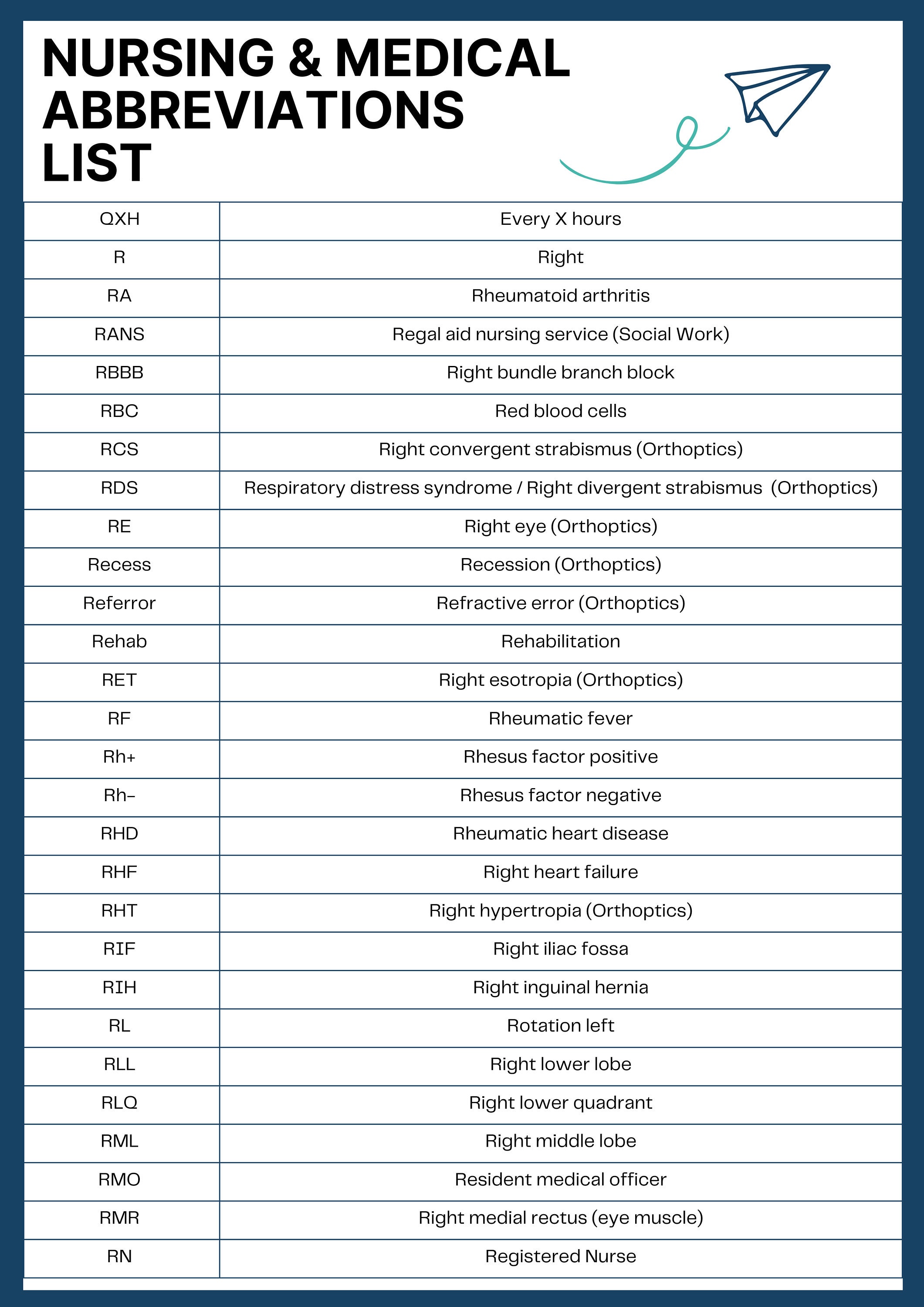
Similarly, acronyms are ubiquitous but require careful definition to avoid "alphabet soup" in clinical notes. COPD (Chronic Obstructive Pulmonary Disease) and GERD (Gastroesophageal Reflux Disease) are standard, but clinicians must ensure the full definition is established in the patient record to prevent errors, especially as some acronyms have multiple meanings across different specialties.
Legal and Ethical Dimensions of Medical Definitions
Medical definitions carry significant weight beyond the clinic. They influence legal proceedings, insurance eligibility, and disability claims.
- Insurance Coverage: A definition of a "pre-existing condition" can determine whether a patient receives coverage for treatment.
- Disability Status: Legal definitions of "permanent disability" vary by jurisdiction and are strictly tied to the diagnostic definitions found in the DSM-5-TR (for mental health) or the ICD-11.
- End-of-Life Care: The definition of "brain death" is a critical legal and medical threshold that dictates the cessation of life support and the initiation of organ procurement protocols.
Note: Medical definitions and legal standards vary by country and state. This information is for educational purposes and does not constitute medical or legal advice. Consult a licensed professional for specific clinical or legal guidance.
How to Verify a Medical Definition
When seeking a definitive entry, users should prioritize sources that are peer-reviewed and regularly updated. In 2026, the following hierarchy of sources is recommended:
- Primary Source: The WHO ICD-11 Browser for disease classification.
- Secondary Source: The National Institutes of Health (NIH) MedlinePlus for patient-friendly yet rigorous definitions.
- Professional Source: The American Medical Association (AMA) or specific specialty journals (e.g., The Lancet, NEJM) for the most current clinical nuances.
Avoid relying on unverified wikis or general search engine snippets, as medical definitions often contain nuances that are lost in automated summarization.
Frequently Asked Questions
What is the most widely used medical dictionary in 2026?
While traditional dictionaries like Dorland’s and Stedman’s remain prestigious, most healthcare professionals in 2026 utilize digital platforms integrated with SNOMED CT and UpToDate. These platforms provide real-time updates to definitions as new clinical research emerges, ensuring the information reflects current best practices.
Why do medical definitions use Latin and Greek?
Latin and Greek provide a "dead language" foundation that does not change over time. Using these roots creates a universal language that is independent of modern linguistic shifts. This ensures that a physician from 100 years ago, today, and 100 years in the future can understand the fundamental meaning of a term like "carditis."
How often are medical definitions updated?
Formal definitions are updated continuously in digital databases, but major revisions to classification systems like the ICD or DSM occur every 10 to 20 years. However, specific definitions for emerging diseases (such as new viral variants or genetic syndromes) are updated by organizations like the CDC and WHO as soon as verified data becomes available.
Can a patient challenge a medical definition?
A patient cannot change the scientific definition of a disease, but they can seek a second opinion regarding whether their specific symptoms meet the criteria for a particular definition. This is common in complex cases like autoimmune disorders or rare diseases where the clinical definition may be met by a "spectrum" of symptoms rather than a single definitive test.
What is the difference between a "syndrome" and a "disease"?
A disease typically has a known cause (etiology) and a clear, understood pathology. A syndrome is a collection of signs and symptoms that frequently occur together, but the underlying cause may not yet be fully understood or may result from multiple factors.
Practical Recommendation for Healthcare Students and Professionals
To master medical definitions, do not simply memorize lists. Instead, focus on learning the 200 most common Greek and Latin roots. Once you understand that "hemat-" always refers to blood and "-oma" always refers to a tumor, you can instantly define hematoma without prior exposure to the word. For 2026, also familiarize yourself with the digital coding structures of ICD-11, as these are the backbone of modern clinical documentation and billing.