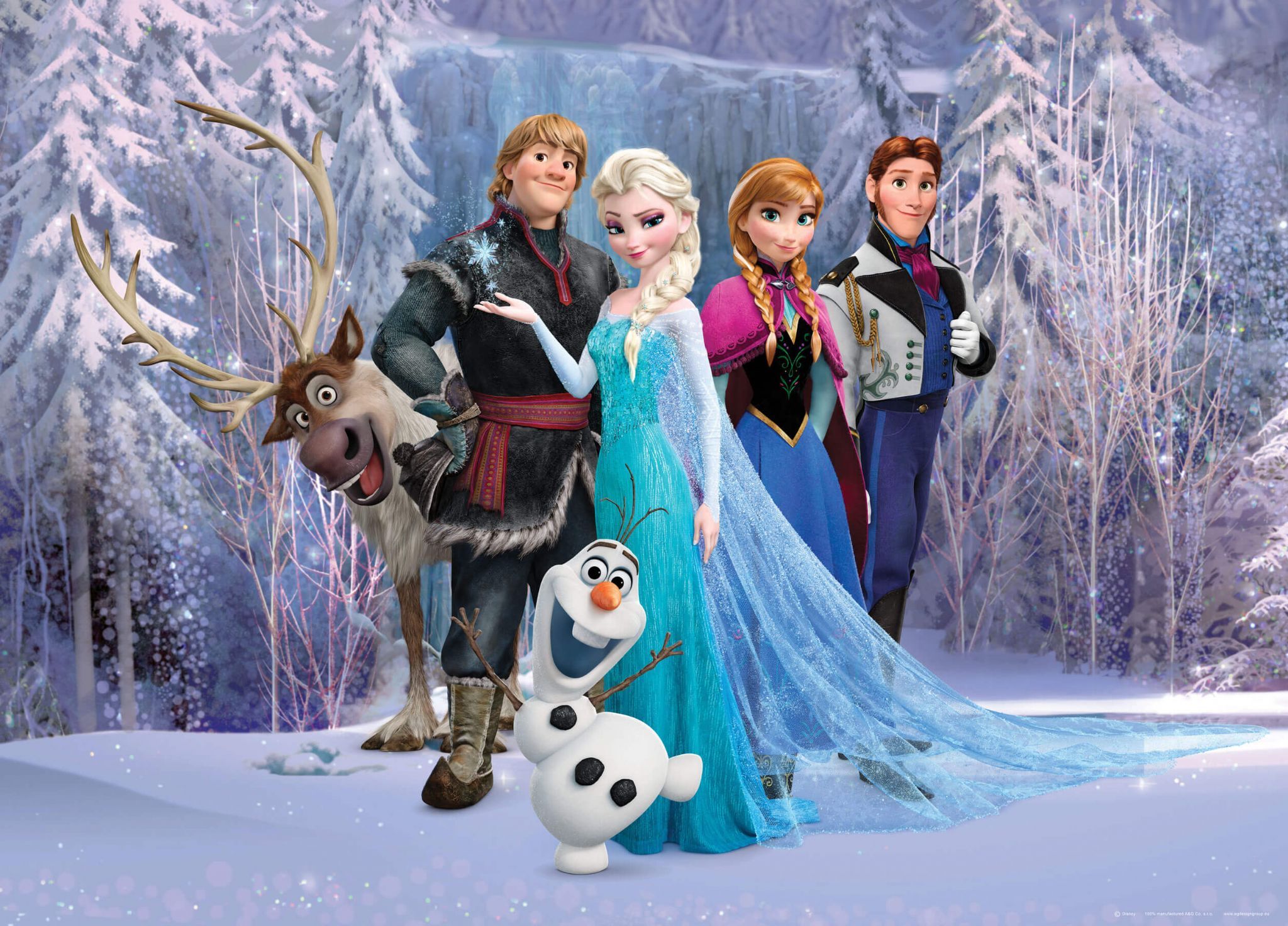
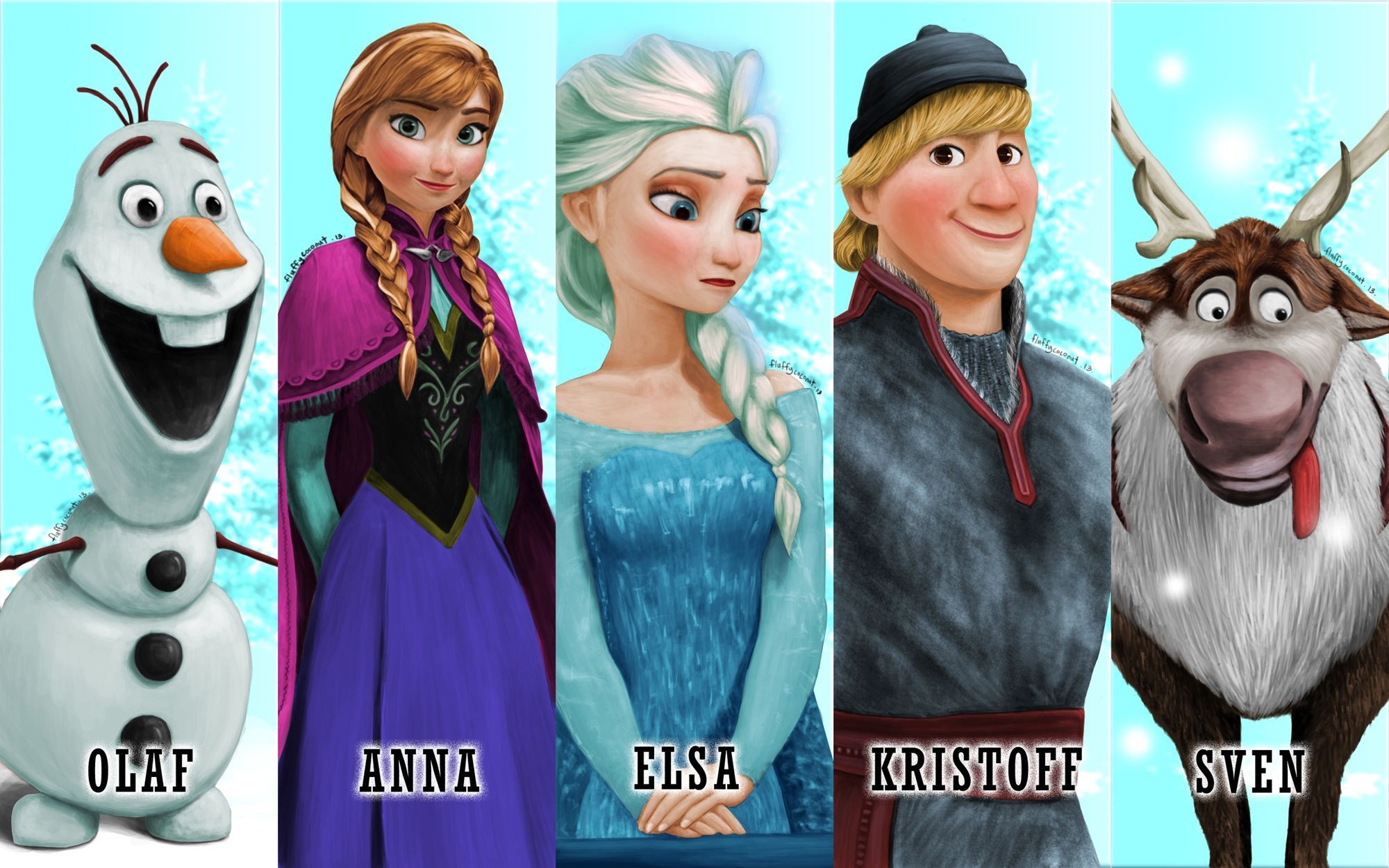
The primary characters in Disney’s Frozen franchise include the royal sisters Anna and Elsa, their loyal companions Olaf the snowman, Kristoff the ice harvester, and his reindeer Sven. Key secondary characters include the villainous Prince Hans, the Duke of Weselton, and the elemental spirits introduced in the sequel, such as the Nokk and Bruni.
The Evolution of Arendelle’s Heroes
Since the first film debuted in 2013 and its monumental sequel followed in 2019, the world of Frozen has expanded into a massive lore-filled universe. As of 2026, these characters remain cultural icons, representing themes of sisterhood, self-discovery, and the balance between nature and civilization. Understanding the names and backgrounds of every character requires looking at both the inhabitants of Arendelle and the magical beings of the Enchanted Forest.
Elsa: The Snow Queen and Fifth Spirit
Elsa is arguably the most famous character in the franchise. Originally the Crown Princess and later the Queen of Arendelle, her journey is defined by her cryokinetic powers—the ability to create and manipulate ice and snow. By the events of the second film, we learn that Elsa is the Fifth Spirit, a bridge between the magical world of nature and the human world. Her name is a Scandinavian diminutive of Elizabeth, meaning "pledged to God," though in the context of the film, it represents her regal and reserved nature.
Anna: The Optimistic Queen
Anna, Elsa's younger sister, serves as the emotional heart of the series. Unlike Elsa, Anna does not possess magical abilities, but her strength lies in her perseverance and capacity for love. Following Elsa’s transition to the Enchanted Forest, Anna takes the throne as the Queen of Arendelle. Her name is a classic Hebrew name meaning "grace," reflecting her character's internal beauty and her growth from a naive princess to a wise leader.
The Loyal Companions of the North
The franchise is well-known for its ensemble cast that supports the sisters through their trials. These characters provide both comic relief and essential support during their adventures across the fjord and into the mist.
Olaf: The Personification of Love
Olaf is the enchanted snowman created by Elsa. He represents the innocent bond between the two sisters from their childhood. In the first film, he famously dreams of experiencing summer, while in the sequel, he undergoes an existential "growing up" phase, questioning the permanence of life. Olaf’s name is of Old Norse origin, meaning "ancestor's relic," which is a poetic nod to his creation based on a memory from the sisters' past.
Kristoff Bjorgman: The Rugged Ice Harvester
Kristoff is the mountain man who becomes Anna’s primary love interest and eventually her fiancé. Raised by trolls, Kristoff has a pragmatic view of the world that often clashes with the royal traditions of Arendelle. He is a skilled woodsman and ice harvester, providing the physical labor and survival skills necessary for their journeys.
Sven: The Reindeer with a Heart of Gold
Sven is Kristoff’s loyal reindeer and best friend. Although he does not speak (except through Kristoff’s humorous "voice-overs"), his expressive face and loyalty make him an integral part of the team. Sven and Kristoff share a bond that highlights the franchise's theme of found family.
The Royal Family and Historical Figures
To understand the motivations of the sisters, one must look at the generation that came before them. The history of Arendelle is rooted in the actions of their parents and grandparents, which set the stage for the conflict in the second film.
- King Agnarr: The father of Anna and Elsa. He was the King of Arendelle who survived the initial conflict in the Enchanted Forest as a young boy.
- Queen Iduna: The mother of Anna and Elsa. It is revealed that she was originally a member of the Northuldra people and saved Agnarr during the forest's battle, leading to their eventual marriage.
- King Runeard: Elsa and Anna’s grandfather. He is the hidden antagonist of the historical narrative, whose distrust of magic led him to build a dam intended to weaken the Northuldra people’s resources.
Antagonists and Conflict Drivers
While Frozen often focuses on internal struggle, several external characters provide the friction necessary for the plot to move forward.
Prince Hans of the Southern Isles
Prince Hans is the youngest of thirteen brothers. He initially appears as a "Prince Charming" figure for Anna but is revealed to be a power-hungry manipulator. His betrayal remains one of the most significant plot twists in modern animation, as he sought to claim the throne of Arendelle by eliminating both sisters.
The Duke of Weselton
Often mispronounced as "Weasel-town," the Duke of Weselton is a secondary antagonist in the first film. He is a paranoid trade partner who fears Elsa’s magic, viewing it as a threat to his economic interests and the safety of the region.
The People of the Enchanted Forest
The expansion of the lore in the sequel introduced two distinct groups of people: the Northuldra and the Arendellian soldiers who had been trapped in the mist for over thirty years.
- Yelana: The elder and leader of the Northuldra tribe. She is fiercely protective of her people and their connection to the spirits.
- Honeymaren: A member of the Northuldra who becomes a close ally to Elsa, sharing knowledge about the four elemental spirits.
- Ryder: Honeymaren’s brother, who shares a bond with Kristoff over their mutual love for reindeer.
- Lieutenant Destin Mattias: A loyal soldier of Arendelle who was trapped in the Enchanted Forest for decades. He serves as a bridge between Arendelle’s past and its future under Queen Anna.
The Elemental Spirits and Magical Beings
The magical world of Frozen is populated by entities that represent the forces of nature. These "characters" often lack dialogue but possess distinct personalities and roles.
The Trolls (The Rock People)
Led by Grand Pabbie, the trolls are ancient, boulder-like creatures with the power to heal and see into the future. They adopted Kristoff and provided the sisters with crucial information regarding Elsa’s powers and the "frozen heart" curse. Bulda is another prominent troll who considers herself Kristoff’s adoptive mother.
The Four Spirits of the Forest
- Gale (The Wind Spirit): An invisible, playful force that interacts with the environment by moving leaves and debris.
- Bruni (The Fire Spirit): A small, blue salamander that creates purple flames when agitated but can be calmed by Elsa’s ice.
- The Nokk (The Water Spirit): A literal water horse that guards the Dark Sea. Elsa must "tame" the Nokk to reach Ahtohallan.
- The Earth Giants: Massive stone creatures that roam the Enchanted Forest, representing the strength and destruction of the earth.
| Character Name | Role/Affiliation | First Appearance | Key Trait |
|---|---|---|---|
| Elsa | Queen/Fifth Spirit | Frozen (2013) | Cryokinetic Magic |
| Anna | Queen of Arendelle | Frozen (2013) | Unwavering Optimism |
| Olaf | Enchanted Snowman | Frozen (2013) | Innocent Humor |
| Kristoff | Ice Harvester | Frozen (2013) | Practicality |
| Sven | Reindeer | Frozen (2013) | Loyalty |
| Hans | Prince/Villain | Frozen (2013) | Deception |
| Pabbie | Troll Elder | Frozen (2013) | Ancient Wisdom |
| Queen Iduna | Mother of Elsa/Anna | Frozen (2013) | Secret Northuldra Origin |
| Mattias | Arendellian General | Frozen II (2019) | Duty and Honor |
| Bruni | Fire Spirit | Frozen II (2019) | Mischievousness |
Minor Characters and Cameos
Even the smallest roles in the Frozen films have names and backstories that fans have come to love.
- Oaken: The owner of Wandering Oaken's Trading Post and Sauna. He is famous for his catchphrase "Big summer blowout!" and his friendly, albeit physically imposing, nature.
- Marshmallow: The giant ice palace guard created by Elsa in the first film. Despite his scary appearance, he is shown to be quite gentle after the main conflict resolves.
- Snowgies: Tiny, mischievous snowmen created whenever Elsa sneezes (primarily seen in the short Frozen Fever).
- Sir Jorgenbjorgen: Anna's childhood toy, a sock monkey that she considers a "member of the family" in Olaf’s Frozen Adventure.
- Erik and Francis: Two of the guards seen working at the Arendelle castle.
Etymology and Cultural Context of the Names
The naming convention in Frozen was heavily influenced by the author of The Snow Queen, Hans Christian Andersen. In fact, if you say the names "Hans, Kristoff, Anna, Sven" quickly in order, it sounds like a tribute to the author's name (Hans-Kristoff-Anna-Sven / Hans Christian Andersen).
Most names in the series have Scandinavian, German, or Dutch roots to match the fictional kingdom of Arendelle, which is inspired by Norway. For example, the name Agnarr is an Old Norse name meaning "warrior" or "edge of a sword," fitting for a king who had to lead his people through a period of isolation. The name Weselton is a play on the real-world English surname, though it is used primarily for comedic effect regarding its pronunciation.
Character Arcs and Their Impact by 2026
As we look at these characters in 2026, their impact on storytelling is evident. Elsa’s name has become synonymous with independence and the acceptance of one’s "otherness." Her journey from a character who hid her true self to one who rules the elements reflects a shift in how modern heroines are portrayed—prioritizing self-actualization over romantic resolution.
Anna’s arc is equally significant. By the end of the second film, she transitions from a supporting sister to a sovereign leader. Her name now carries the weight of responsibility, proving that one does not need magic to be a hero or a ruler. The supporting characters, particularly Olaf, have evolved from simple sidekicks to philosophical guides, helping younger audiences navigate complex emotions like change and grief.
Frequently Asked Questions
What are the names of the sisters in Frozen?
The two main sisters are Elsa, the elder sister with ice powers, and Anna, the younger sister who becomes the Queen of Arendelle. They are the central figures of the entire franchise, and their relationship drives the plot of both major films.
What is the name of the snowman in Frozen?
The snowman’s name is Olaf. He was built by Elsa using her magic and is famous for his love of warm hugs and his dream of experiencing summer. He serves as the primary comic relief but also provides deep emotional insights.
Who is the villain in the first Frozen movie?
The primary villain is Prince Hans of the Southern Isles. While the Duke of Weselton acts as an antagonist, Hans is the true threat, as he attempts to seize the throne of Arendelle by betraying Anna and attempting to execute Elsa.
What are the names of the spirits in Frozen 2?
The four elemental spirits are Gale (Wind), Bruni (Fire), the Nokk (Water), and the Earth Giants. Elsa herself is eventually revealed to be the Fifth Spirit, acting as the mediator between the elemental world and humanity.
What is the reindeer's name?
The reindeer's name is Sven. He is the lifelong companion of Kristoff and acts much like a loyal dog. Sven is instrumental in helping Kristoff and Anna travel across the snowy terrain of the North Mountain and the Enchanted Forest.
What are the names of Elsa and Anna’s parents?
Their father is King Agnarr and their mother is Queen Iduna. Their backstories are explored in depth in Frozen II, where it is revealed that Iduna was a member of the Northuldra people before moving to Arendelle with Agnarr.
Practical Recommendation for Fans
For those looking to explore the full depth of the Frozen cast, it is highly recommended to watch the animated shorts Frozen Fever and Olaf's Frozen Adventure in addition to the two feature films. These shorts introduce minor characters like the Snowgies and provide more context for the holiday traditions of Arendelle, further fleshing out the names and personalities of the kingdom’s inhabitants. If you are researching for a trivia event or a creative project, focusing on the etymology of the names—such as the tribute to Hans Christian Andersen—adds a layer of professional depth to your knowledge.