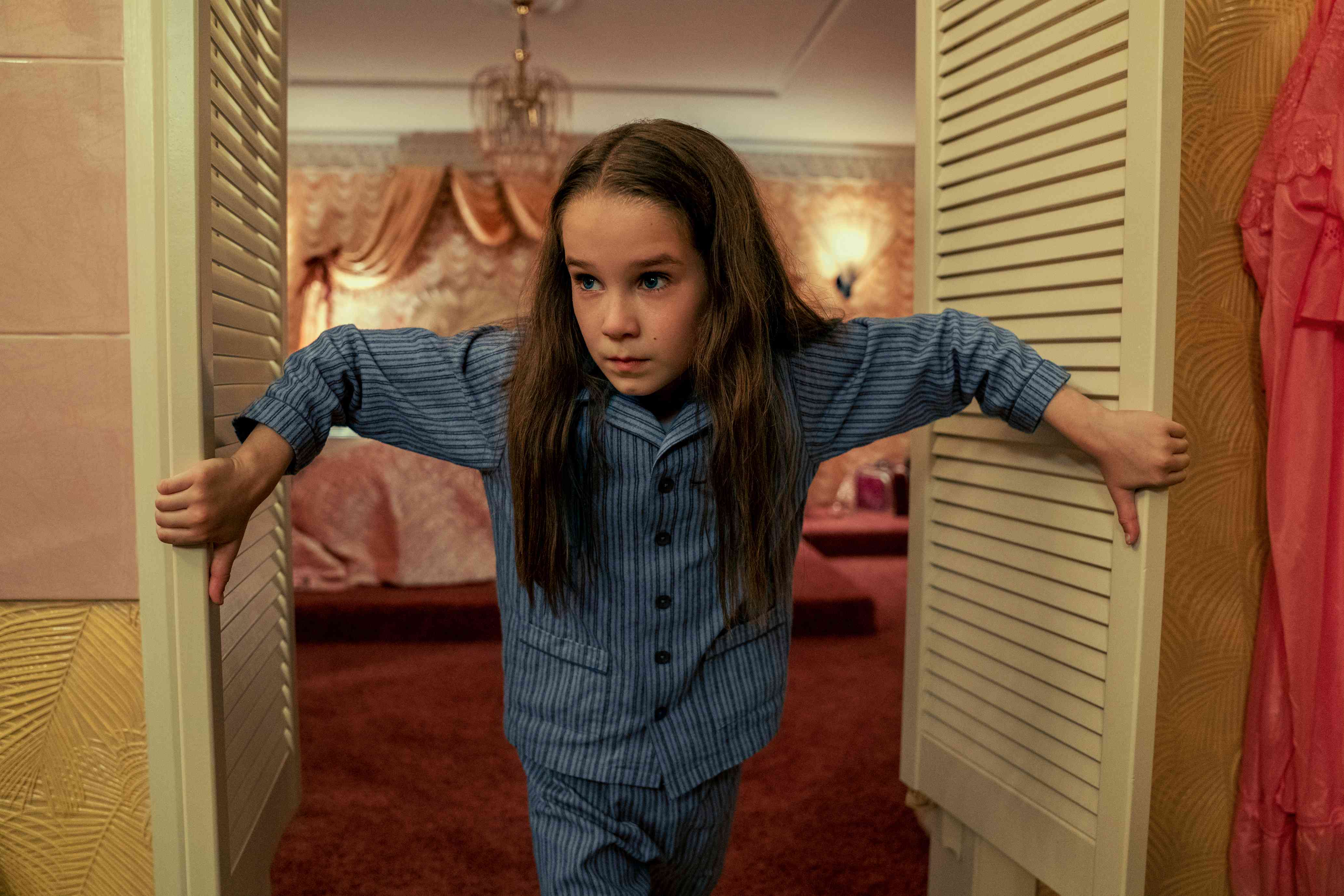
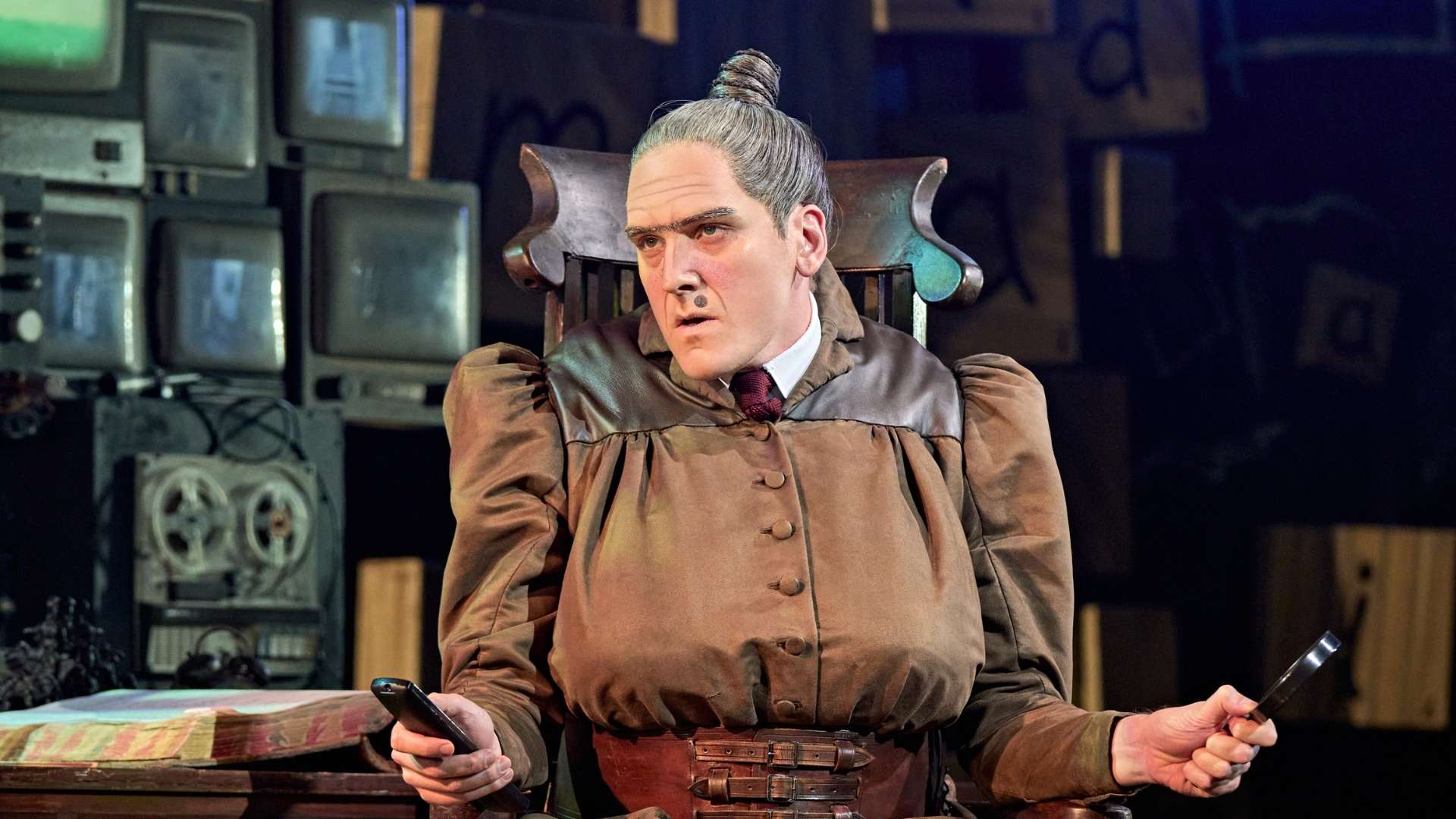
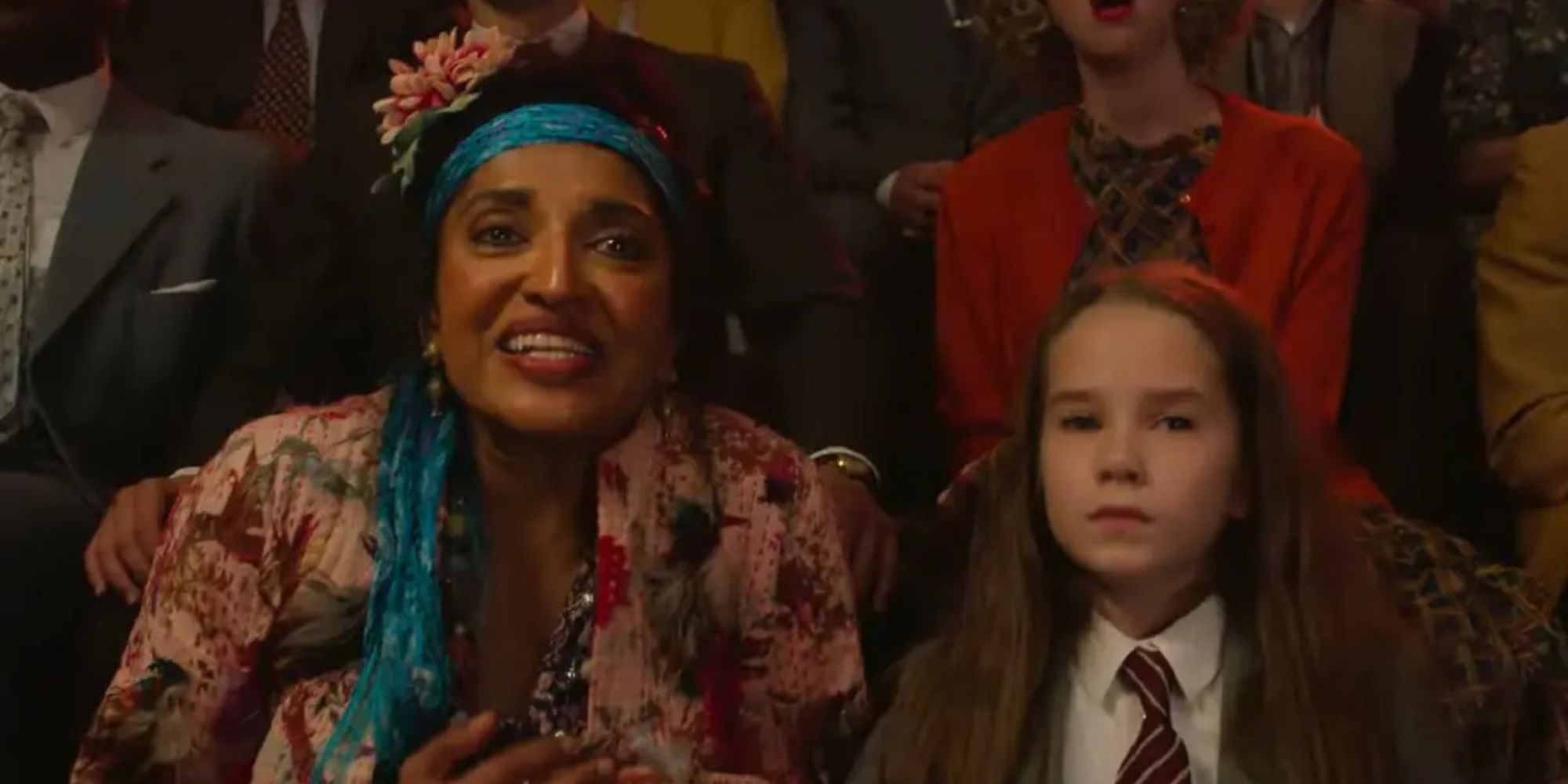
Alice is a featured member of the "Little Kids" ensemble in Matilda the Musical, portraying one of Matilda Wormwood’s classmates at Crunchem Hall Primary School. While she is not the protagonist, Alice is a vital character who represents the collective defiance of the students, participating in demanding musical numbers like "Revolting Children" and "When I Grow Up" that require exceptional dance and vocal skills.
Defining Alice: Character Traits and Personality
In the world of Roald Dahl, adapted for the stage by Dennis Kelly with music and lyrics by Tim Minchin, Alice serves as a core component of the "Little Kids" group. Unlike Lavender, who is explicitly identified as Matilda’s best friend, or Amanda Thripp, who is famously victimized by Miss Trunchbull’s hammer-throw technique, Alice is often characterized by her sharpness and physical resilience.
In most professional productions, including the West End and various international tours active in 2026, Alice is portrayed as a "tough" or "spunky" child. She is often seen with a slightly more rebellious or skeptical edge compared to the more timid Eric or the eccentric Nigel. Her personality is primarily conveyed through her physicality; she must appear as a child who is ready to stand her ground against the tyrannical Miss Trunchbull.
Alice’s character arc mirrors that of the other children: she begins as a terrified "maggot" under the thumb of the headmistress and transforms into a "revolting child" who claims her own destiny. Because the show relies heavily on the ensemble's energy to create the oppressive atmosphere of Crunchem Hall, the actor playing Alice must maintain a high level of intensity and focus throughout the performance.
Alice’s Role in the Narrative and Classroom Dynamics
Alice is present in nearly every classroom scene, serving as a witness to the escalating conflict between Matilda and Miss Trunchbull. Her presence is crucial for the "safety in numbers" dynamic that the musical explores. When one child is singled out—such as when Bruce Bogtrotter is forced to eat the chocolate cake—Alice’s reactions of horror and eventual support help the audience gauge the emotional stakes of the scene.
She is also a participant in the "Newt" incident, though Lavender takes the lead in that specific prank. Alice’s role is to reinforce the reality of the school environment. She is a peer who shares Matilda’s struggles, making Matilda’s extraordinary powers feel more grounded against a backdrop of "normal" (albeit highly talented) children.
In the second act, Alice’s participation in "When I Grow Up" provides one of the show's most poignant moments. This song shifts the tone from the frantic energy of the schoolroom to a reflective, hopeful look at childhood innocence. Alice, along with her peers, expresses the universal desire for the agency and strength that adulthood supposedly brings, unaware of the complexities that Matilda is already facing.
Musical Performance: Songs and Choreography
The role of Alice is technically demanding, primarily due to the intricate choreography created by Peter Darling. As of 2026, the standard for "Little Kid" performers remains incredibly high, requiring a foundation in jazz, contemporary, and hip-hop styles.
The School Song
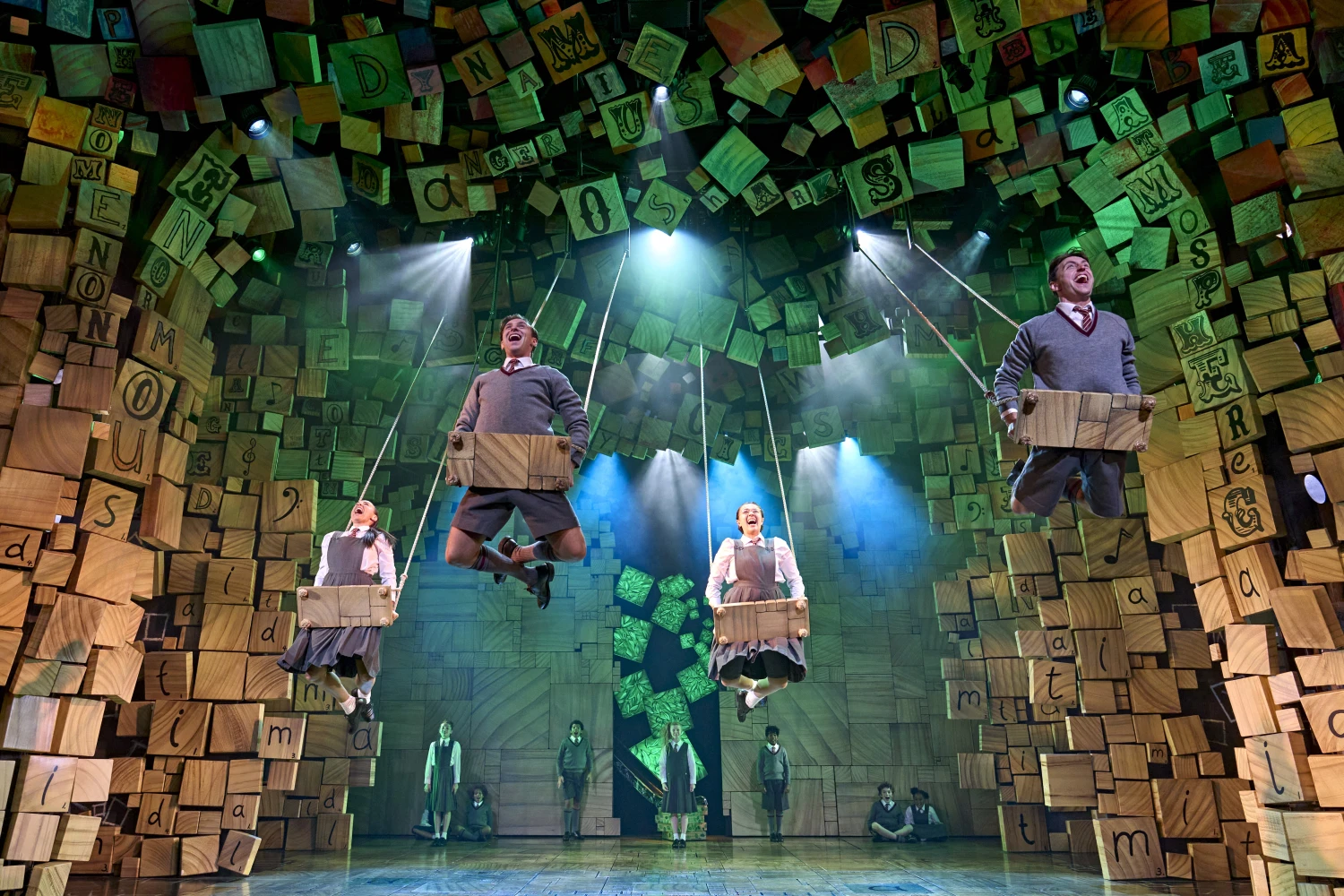
This is perhaps the most famous sequence involving Alice and the ensemble. The "School Song" uses a massive gate and alphabet blocks that must be timed perfectly with the lyrics. Alice must be able to climb the set, insert blocks into the gate, and perform sharp, synchronized movements while singing complex contrapuntal lines. There is no room for error in this number, as a single missed cue can disrupt the visual flow of the entire "alphabet" gimmick.
Revolting Children
In the show’s high-energy finale, Alice is part of the rebellion. The choreography for "Revolting Children" is famous for its "stomp" style and aggressive energy. Alice must project power and defiance, using her voice to belt the anthem while executing high-impact dance moves. This number is often the highlight for the young actors, as it allows them to break out of the rigid "school uniform" posture and express raw emotion.
Other Key Musical Numbers
- "Miracle": Alice appears in the opening number, setting the stage for the diverse ways parents view their children.
- "Bruce": She cheers on Bruce during his cake-eating ordeal, adding to the rhythmic clapping and vocal encouragement.
- "The Smell of Rebellion": Alice participates in the grueling physical education sequences led by Miss Trunchbull, which often involve using gym equipment like vaults or mats.
Casting Requirements and Performance Standards
Casting Alice requires finding a young performer who fits specific physical and vocal profiles. Production companies usually look for "triple threat" performers—actors who can sing, dance, and act with equal proficiency.
Physical and Age Requirements
For professional productions like those on the West End or the 2026 regional tours, the "Little Kids" must look significantly smaller than the "Big Kids" (who are typically played by adults or older teenagers).
- Height: Usually between 4’2” and 4’10”. Height is often a stricter requirement than chronological age to maintain the visual illusion of a primary school classroom.
- Age: Generally between 8 and 13 years old, depending on the child’s maturity and height.
- Stamina: The show is two and a half hours long. Alice is on stage for a significant portion of that time, often engaged in high-intensity movement.
Vocal Range
Alice is a soprano/mezzo-soprano. While she does not have a solo of the same length as Matilda’s "Quiet," she must have a strong, clear belt for the ensemble numbers. Accuracy in pitch is non-negotiable, as the harmonies in Tim Minchin’s score are often dissonant or unconventional.
Acting Ability
While Alice has fewer lines than Lavender or Bruce, she must be a master of "reaction acting." She needs to convey the specific terror of being in Trunchbull’s presence without drawing focus away from the main action. Her facial expressions and body language contribute significantly to the world-building of the play.
Comparing Alice to Other "Little Kids"
To understand Alice’s specific niche in the show, it is helpful to see how she compares to her classmates. Each child is designed to represent a different "type" of student found in a typical school.
| Character | Key Trait | Notable Moment | Physicality |
|---|---|---|---|
| Alice | Sharp/Strong | Defiant energy in "Revolting Children" | Athletic, bold movements |
| Lavender | Quirky/Bold | The Newt in the water jug | Energetic, Matilda's "best friend" |
| Amanda | Target of Trunchbull | Being thrown by her pigtails | Small, often wears pigtails |
| Hortensia | Tough/Vocal | Explaining "The Chokey" | Gritty, slightly more "street-wise" |
| Eric | Vulnerable | Having his ears stretched | Smallest, often perceived as the most "innocent" |
| Nigel | Enthusiastic/Hyper | Hiding under coats | Fast-moving, nervous energy |
Alice in the 2022 Film vs. The Stage Production
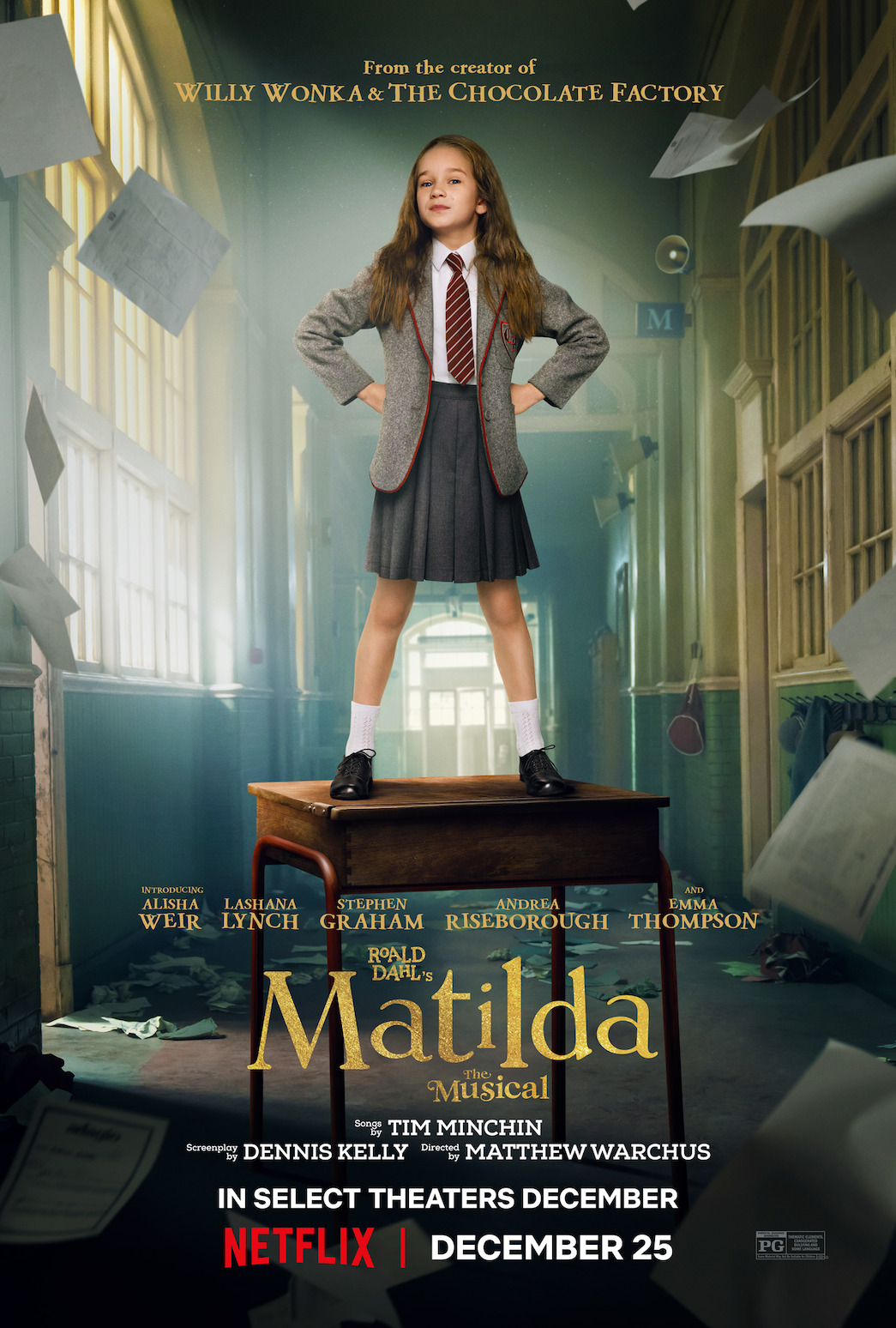
The 2022 Netflix film adaptation of Matilda the Musical brought Alice to a global audience through the performance of Rei Yamauchi Fulker. In the film, the character of Alice was given a more distinct visual identity, often sporting a signature hairstyle and a fierce attitude that stood out in the large-scale "Redeeming" and "Revolting" sequences.
In the film, the choreography (by Ellen Kane) was adapted for the camera, allowing Alice to be seen in close-ups during the "School Song" and "Bruce." The film version emphasizes her role as part of a synchronized "army" of children. For actors looking to play the role on stage in 2026, studying the film is a great way to understand the character’s energy, though the stage version requires much larger movements to reach the back of a theatre.
One major difference between the stage and film is the "Chokey" sequence. On stage, the threat of the Chokey is often described through the children's reactions, including Alice's. In the film, the visual representation of the Chokey is more literal, and Alice's response to it is more visceral.
Preparing for an Audition as Alice
Auditioning for a role in Matilda the Musical is a notoriously rigorous process. Because the show is a staple of musical theatre, the competition is high.
- Dance Readiness: If you are auditioning for Alice, you should be prepared for a "movement-heavy" first round. You will likely be taught a segment of "Revolting Children" or "Naughty." Focus on "sharpness" rather than "prettiness." The choreography is meant to look like children dancing, but with professional-grade precision.
- Vocal Preparation: Be ready to sing a song that shows off a "theatre belt." While Alice is a soprano, she needs to sound like a real kid, not a polished opera singer. Characters in Matilda should have a "natural" sound.
- Acting with the Face: In the ensemble, your face tells the story. Practice reacting to an imaginary Miss Trunchbull. Show fear, show curiosity, and show eventual triumph.
- Accents: Most professional productions require a standard English accent (RP - Received Pronunciation) or a slightly more "Estuary" London accent, depending on the director’s vision for that specific cast.
Life as a "Little Kid" on Tour and in Residency
Being cast as Alice in 2026 means entering a highly regulated world of professional child acting. Due to child labor laws and "Equity" (the actors' union) rules, children in Matilda usually work in "teams."
- The Team System: Typically, there are three or four "teams" of children (e.g., Team Red, Team Blue). This ensures that no child performs more than a few times a week, allowing them to continue their schooling.
- Tutoring: On tour or in the West End, child actors like the one playing Alice are required to have a specific number of hours of schooling per day, often provided by on-set tutors.
- Chaperones: Children are always accompanied by licensed chaperones who manage their schedules, meals, and safety while at the theatre.
For a young actor, playing Alice is often a stepping stone to larger roles. Many former "Alices" have gone on to play Matilda herself in later cast rotations or have moved on to other major West End and Broadway productions.
FAQs About Alice in Matilda the Musical
Does Alice have any solo lines in Matilda the Musical?
Alice does not have a standalone solo song, but she has several "featured" lines within ensemble numbers and classroom scenes. Her voice is most prominent in the harmonies of "When I Grow Up" and the rhythmic chants of "The School Song."
What is the difference between Alice and Hortensia?
In the script, Hortensia is usually portrayed as a bit older or more "battle-hardened" than Alice. Hortensia has the famous line about being in the Chokey "twice yesterday," whereas Alice is generally seen as one of the younger or more agile "Little Kids."
Is Alice in the original Roald Dahl book?
Yes, Alice is mentioned in the book as one of the students, though her role is expanded in the musical to ensure a balanced ensemble of "Little Kids." The musical gives her more personality and physical presence than the brief mentions she receives in the original text.
Can I play Alice if I am a beginner dancer?
For professional productions (West End, Broadway, National Tours), it is very difficult to be cast as Alice without significant dance training. The choreography is highly technical. However, for school or community theatre "Matilda Jr." productions, directors are often more flexible and look for enthusiasm and basic rhythm.
What should I wear to an audition for Alice?
Wear comfortable dance attire that allows the casting directors to see your form. Since Alice is a schoolchild, many actors choose to wear something that subtly suggests a school uniform (like a polo shirt and leggings) without being a full costume. Avoid large bows or flashy costumes that might distract from your movement.
Final Recommendations for Aspiring Performers
If you are aiming to play Alice in a production of Matilda the Musical, focus on your versatility. While Matilda requires a very specific type of quiet intensity, Alice requires an explosive energy.
Start by mastering the cast recording, paying close attention to the timing and "clipped" British diction used in the "School Song." Physical fitness is also key; the "Little Kids" are constantly moving, jumping off swings, and crawling under desks. Most importantly, remember that Alice is part of a team. The success of her character depends on how well she blends with and supports her fellow classmates. Whether you are performing in a local 2026 production or dreaming of the professional stage, the role of Alice is an excellent opportunity to showcase high-level ensemble skills and the "revolting" spirit of childhood rebellion.