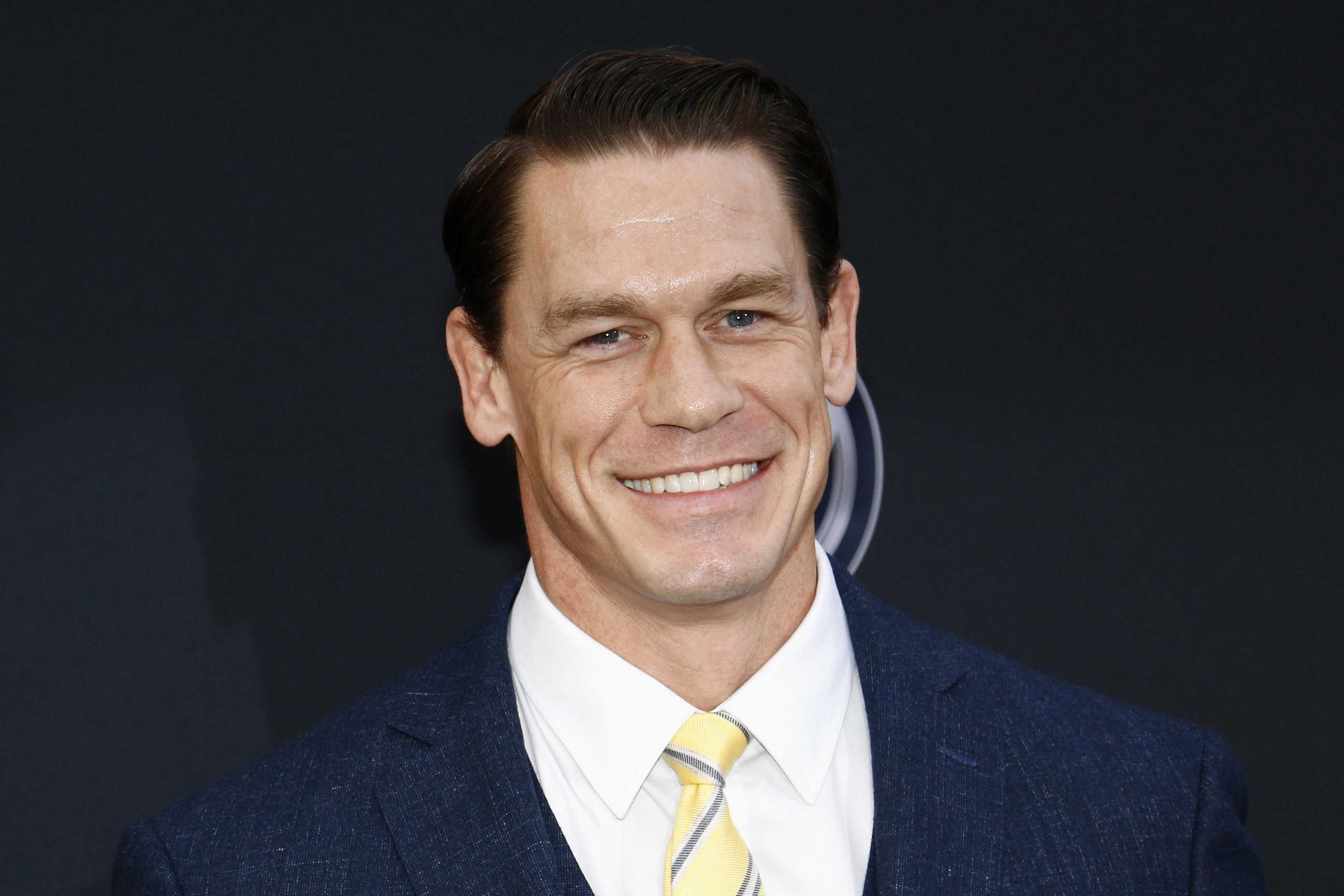
As of 2026, Alberto Cendejas' net worth is estimated to be between $5 million and $10 million. This valuation is derived from his diversified portfolio, which includes significant real estate holdings, a high-ticket sales mentorship organization, and revenue from digital branding and consulting services. His wealth reflects a transition from active sales commissions to passive equity growth.
The trajectory of Alberto Cendejas serves as a modern blueprint for how individual "solopreneurs" transition into multi-faceted business owners. Understanding his net worth requires more than just looking at a single figure; it involves dissecting the mechanics of high-ticket closing, the scalability of digital education, and the long-term stability provided by real estate acquisitions. In a 2026 financial landscape where personal branding is inextricably linked to commercial success, Cendejas has positioned himself at the intersection of influence and tangible asset management.
The Foundation: High-Ticket Sales and Commission Income
The primary engine that fueled Cendejas’ early wealth accumulation was his mastery of high-ticket sales. Unlike traditional retail sales, high-ticket closing involves selling premium products or services—often ranging from $5,000 to over $50,000—where the salesperson earns a significant percentage of the transaction.
In the early stages of his career, Cendejas focused on the coaching and consulting industry. By representing high-level mentors and business programs, he was able to generate substantial cash flow without the overhead of manufacturing a product. This period was crucial because it provided the "seed capital" necessary for his later investments.
The Economics of the Sales Engine
To understand how this contributes to a multi-million dollar net worth, one must look at the volume. A high-performing closer in the premium space can manage several hundred thousand dollars in monthly revenue. At a standard commission rate of 10% to 15%, an elite closer can earn between $20,000 and $50,000 per month in take-home pay. By 2024, Cendejas had moved beyond the "closer" role into the "architect" role, building teams that sold on his behalf, thereby creating a leveraged income stream that required less of his personal time.
Real Estate: The Wealth Preservation Pillar
While sales provided the liquidity, real estate provided the net worth stability. Cendejas has been vocal about his strategy of "flipping" his sales income into "bricks and mortar." By 2026, his real estate portfolio has become a primary component of his audited value.
Residential and Commercial Diversification
Cendejas’ approach to real estate is typically two-pronged:
- Short-term Liquidity (Flips and Wholesaling): Early in his real estate career, he utilized wholesaling—a process of finding distressed properties and assigning the contract to another buyer for a fee—to generate quick capital.
- Long-term Equity (Rental Units): As his capital grew, he transitioned into multi-family residential properties and commercial spaces. These assets are valued based on their Net Operating Income (NOI). In the current 2026 market, with interest rates stabilizing, the valuation of his rental portfolio has seen a steady 4-6% year-over-year appreciation.
Real estate acts as a hedge against inflation. For someone like Cendejas, owning physical assets allows for tax advantages such as depreciation and 1031 exchanges, which effectively lower his taxable income while his total net worth continues to climb.
Digital Assets and Mentorship Scalability
In the mid-2020s, Cendejas expanded his reach through digital education. The "Real Estate Life" and sales coaching programs he pioneered shifted his business model from "one-to-one" (selling a single product to a single person) to "one-to-many" (selling a digital curriculum to thousands).
The Value of Personal Branding
A significant portion of a modern entrepreneur's net worth is "brand equity." While intangible, this brand allows for lower customer acquisition costs. Cendejas uses social media platforms not just for vanity, but as a lead-generation funnel for his high-end mastermind groups. These masterminds often command annual fees of $25,000 or more per member. With a dedicated base of several hundred students, the annual recurring revenue (ARR) from mentorship alone contributes significantly to his liquid net worth.
Intellectual Property (IP)
The curriculum, frameworks, and proprietary sales scripts developed by Cendejas constitute intellectual property. In the event of a business sale or merger, this IP is often valued at a multiple of earnings (EBITDA), further inflating his theoretical net worth beyond just his bank balance.
Estimated Asset Breakdown (2026 Projections)
The following table provides a breakdown of the estimated asset classes that comprise the $5M–$10M net worth range for Alberto Cendejas.
| Asset Category | Estimated Value | Primary Revenue Source |
|---|---|---|
| Real Estate Equity | $3,500,000 - $5,000,000 | Multi-family rentals and commercial holdings |
| Business Equity (Sales/Coaching) | $1,000,000 - $3,000,000 | Mentorship programs and sales agency |
| Liquid Cash & Equivalents | $500,000 - $1,500,000 | Retained earnings and personal savings |
| Luxury Assets & Investments | $500,000 - $1,000,000 | Vehicles, watches, and private equity |
| Total Estimated Net Worth | $5,500,000 - $10,500,000 | Diversified Portfolio |
The Impact of Market Volatility on Net Worth
It is important to note that net worth is not a static number. For an entrepreneur like Cendejas, whose wealth is tied to real estate and consumer spending (in the form of coaching), market cycles play a major role.
In 2025, the real estate market underwent a period of correction. High-net-worth individuals who were over-leveraged (carrying too much debt relative to their assets) saw their net worths dip. However, Cendejas’ focus on "high-margin" sales businesses provided the cash flow necessary to maintain his properties without being forced to sell at a loss. This "cash flow buffer" is a hallmark of his financial strategy, ensuring that even if property values fluctuate, the income required to service the debt remains constant.
Lifestyle Assets: Wealth or Marketing?
Observing Cendejas' public profile, one often sees luxury vehicles and high-end travel. In the world of business influencers, these are frequently debated. Do they subtract from net worth or add to it?
- Depreciating Assets: Cars and fashion are generally depreciating assets. From a strict accounting perspective, a $200,000 car that loses 15% of its value annually is a liability to net worth.
- Marketing ROI: For Cendejas, these assets often serve as "social proof." In the high-ticket sales industry, the appearance of success is a tool used to attract high-level clients and partners. If a $200,000 investment in a luxury lifestyle results in $1,000,000 of new business contracts, it is technically a high-yield marketing expense, even if the asset itself loses value over time.
Risk Management and Future Outlook
Looking forward from 2026, the primary risks to Cendejas’ net worth involve the saturation of the digital coaching market and potential shifts in real estate regulations.
To mitigate these, he has begun diversifying into more traditional sectors, including private equity and perhaps small-scale venture capital. By investing in other businesses that do not rely on his personal brand, he is "de-risking" his portfolio. This transition from "influencer-entrepreneur" to "investor" is the final stage of wealth building, where the goal is to have "money working for the person" rather than "the person working for the money."
Debt Management
A crucial component of "explaining" a net worth is acknowledging debt. Cendejas utilizes "good debt"—mortgages on cash-flowing properties. While his gross assets may exceed $15 million, the $5M–$10M net worth figure accounts for the liabilities held against those properties. Maintaining a healthy Debt-to-Equity (D/E) ratio is what allows him to remain solvent during economic downturns.
Practical Lessons from Cendejas' Financial Growth
For those looking to emulate this path, the "Cendejas Model" suggests three specific phases of wealth building:
- Phase 1: High-Income Skill. Master a skill (like sales) that allows for high commissions without capital investment.
- Phase 2: Asset Conversion. Take the excess cash from the high-income skill and immediately move it into appreciating assets (like real estate).
- Phase 3: Scaling via Systems. Build a brand or a team that allows the business to run without your constant manual labor.
Frequently Asked Questions
How did Alberto Cendejas get started in business?
Cendejas began his career in the sales sector, specifically focusing on high-ticket closing for digital products and coaching services. He gained notoriety by demonstrating a high proficiency in converting leads into sales for premium programs, which provided the initial capital for his real estate ventures.
Is Alberto Cendejas' net worth purely from real estate?
No. While real estate is a significant portion of his wealth in 2026, his net worth is a blend of real estate equity, income from his sales mentorship and agency, and his personal brand's intellectual property. This multi-stream approach provides financial stability across different economic climates.
What is "high-ticket sales," and how does it affect net worth?
High-ticket sales involves selling high-value items (usually over $5,000). It affects net worth by providing high profit margins and significant cash flow with relatively low overhead. This allows an entrepreneur to accumulate "investable capital" much faster than traditional employment.
Does Alberto Cendejas own his luxury cars?
While specific titles are private, most high-level entrepreneurs use a mix of leasing for tax advantages and outright ownership. In the context of net worth, these are considered "lifestyle assets," which are usually a small percentage of the total wealth compared to real estate and business equity.
How can I verify the net worth of an entrepreneur like Cendejas?
Total net worth for private individuals is almost always an estimate. Verification involves looking at public real estate records (property ownership), business filings, the size of their employee base, and their documented historical performance in their respective industries.
Summary Recommendation
For those tracking the financial progress of Alberto Cendejas or seeking to apply his methods, the focus should remain on diversification. His net worth is not the result of a single "lucky" trade, but rather a disciplined process of moving active income into passive assets. To replicate this, prioritize developing a high-value skill first, then focus on acquiring tangible assets that offer tax benefits and long-term appreciation.