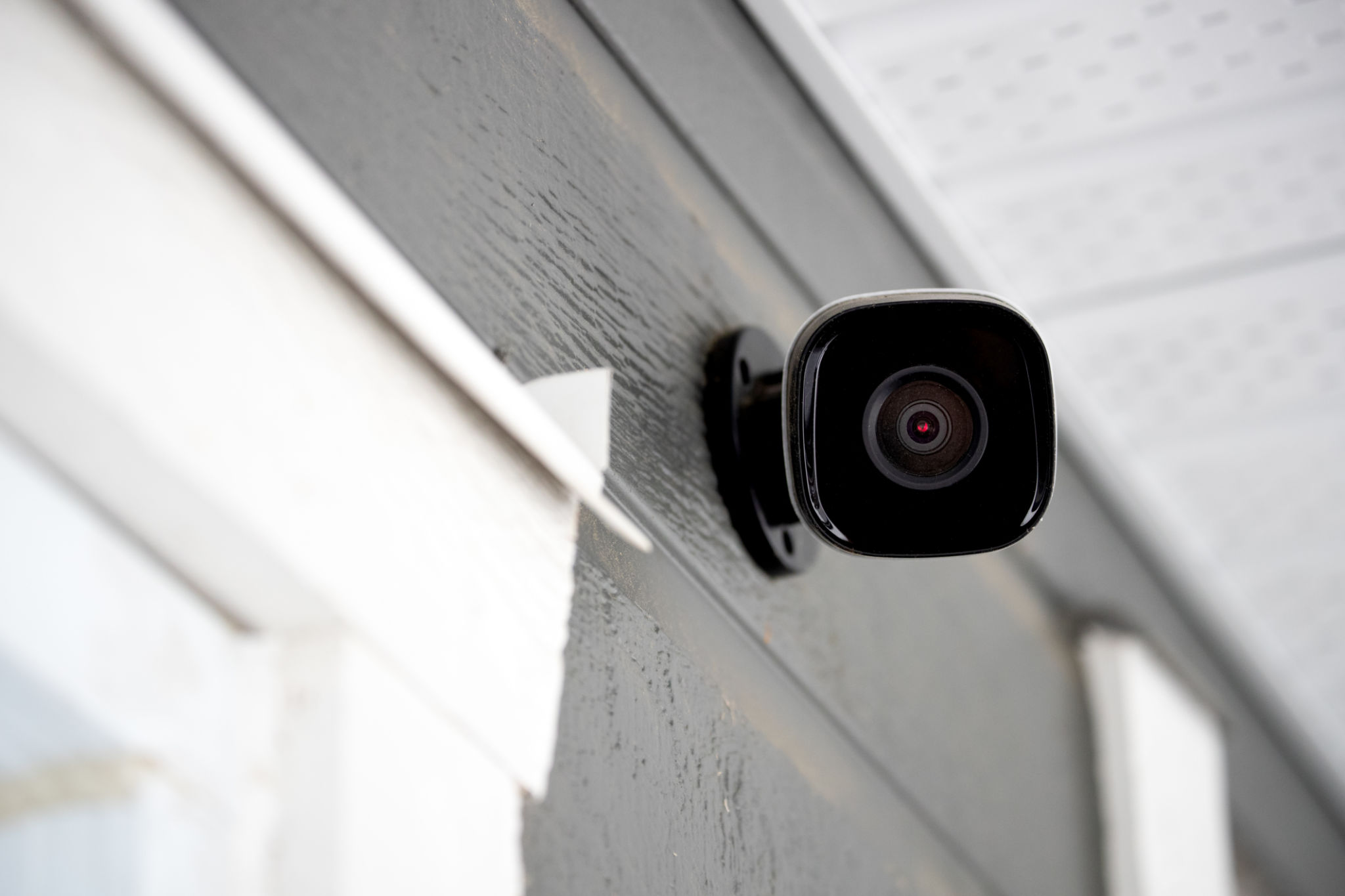
Choosing between Alarm.com and Vivint depends on whether you prefer a flexible, dealer-based platform or a high-end, proprietary, all-in-one system. Vivint offers a seamless, vertically integrated experience with premium hardware, while Alarm.com provides a versatile technology platform used by thousands of independent dealers to offer customized hardware and local service.
The home security landscape in 2026 has evolved significantly, moving beyond simple sensors toward integrated artificial intelligence and sophisticated automation. When comparing Alarm.com and Vivint, you are essentially comparing two different business philosophies. Vivint is a "closed" system, much like Apple, where they control the hardware, the software, and the monitoring. Alarm.com is an "open" platform, more akin to Android, acting as the brain for hardware manufactured by third parties like Qolsys, 2GIG, and ADC-branded cameras, which is then sold and serviced by various local and national security companies.
Understanding this distinction is the first step in determining which system provides the security, convenience, and long-term value your home requires.
Understanding the Core Business Models
To make an informed decision, you must first understand that Alarm.com is not a security company you hire directly. Instead, they are a technology provider that powers other security companies. When you sign up with a provider like Link Interactive, Frontpoint, or a local independent installer, you are likely using the Alarm.com app and cloud services.
In contrast, Vivint is a vertically integrated provider. They design their own control panels, cameras, and sensors. They perform the professional installation themselves and operate their own monitoring centers. This "single-source" model ensures that every component is designed to work perfectly with the next, but it also means you are locked into their ecosystem.
The Alarm.com Ecosystem: Freedom of Choice
The primary advantage of the Alarm.com model is flexibility. Because the technology is licensed to thousands of dealers, you have choices regarding who monitors your home and what hardware you use. If you are unhappy with your current service provider’s customer support, you can often "take your equipment" to another Alarm.com-compatible dealer without having to replace every sensor in your house.
In 2026, Alarm.com continues to support a wide array of high-end hardware, most notably the Qolsys IQ Panel 4 and its successors. These panels utilize PowerG technology, which offers long-range encrypted wireless communication that is difficult to jam and can cover large properties or outbuildings effectively.
The Vivint Model: Premium Integration
Vivint focuses on a "white-glove" experience. Their target audience is the homeowner who wants the best technology available without having to research individual components or manage multiple vendors. Because Vivint controls the manufacturing of their Smart Hub and their "Pro" line of cameras, they can implement deep software-to-hardware integrations that are often more polished than those found in the Alarm.com ecosystem.
Vivint’s Smart Hub acts as the command center, featuring a large touchscreen and dedicated cellular backup. In 2026, Vivint remains a leader in proactive security—using AI to not just record crime, but to actively deter it using light and sound.
Equipment and Hardware Comparison
When evaluating hardware in 2026, the focus has shifted toward edge-based AI processing and high-definition video analytics. Both Alarm.com and Vivint have kept pace, but their hardware selections cater to different preferences.
Alarm.com Compatible Hardware
Alarm.com does not manufacture all of its sensors; instead, it partners with leaders like Johnson Controls (Qolsys) and 2GIG.
- Panels: The Qolsys IQ Pro and IQ Panel 4 are the gold standards. They feature built-in glass break detectors, 8MP cameras for disarm photos, and support for multiple wireless frequencies (PowerG, 319.5MHz, 345MHz, and 433MHz).
- Cameras: Alarm.com offers a vast line of Pro-Series cameras. These include "Perimeter Guard" technology, which uses AI to detect people or vehicles and can trigger loud sirens or flashing LED lights to warn off intruders before they reach the door.
- Sensors: Because of the open nature of the platform, you can find specialized sensors for almost any application, from industrial-grade gate sensors to discreet "vanishing" window contacts.
Vivint Proprietary Hardware
Vivint’s hardware is widely considered the most aesthetic and user-friendly in the industry.
- The Smart Hub: This panel is incredibly intuitive. It features a sleek interface and allows for two-way talk with monitoring agents directly through the screen.
- Outdoor Camera Pro (Gen 2/3): This is Vivint’s flagship. It features "Smart Deter," which identifies someone loitering on your property and emits a loud whistle and a red LED ring light. This proactive approach is a hallmark of the Vivint experience.
- Doorbell Camera Pro: One of the few doorbells on the market with a 180-degree by 180-degree field of view, allowing you to see packages left directly at the base of your door. In 2026, its package protection AI is highly refined, notifying you the moment a delivery is detected or if someone attempts to move it.
Smart Home Integration and Automation
Both platforms serve as excellent hubs for a smart home, but they handle third-party integrations differently.
Alarm.com and the Wider Market
Alarm.com is arguably the most compatible platform in the world for smart home devices. It uses Z-Wave Plus and Matter (as of its 2025/2026 rollouts) to connect with thousands of third-party devices.
- Thermostats: Seamlessly integrates with its own smart thermostats or brands like Ecobee and Honeywell.
- Lighting: Works with Lutron, Leviton, and standard Z-Wave switches.
- Locks: Compatible with Schlage, Yale, and Kwikset.
- Automation Scenes: You can create complex "Rules" (e.g., "If the smoke detector goes off, unlock the front door, turn on all lights, and shut down the HVAC fan to prevent smoke spread").
Vivint’s Curated Smart Home
Vivint takes a more curated approach. While it also uses Z-Wave, Vivint prefers that you use their specific partners (like Kwikset for locks or Nest for thermostats) to ensure stability.
- Voice Control: Vivint has deep integration with Amazon Alexa and Google Assistant, allowing for voice-controlled arming and smart home adjustments.
- Car Guard: A unique Vivint feature that plugs into your car’s OBD-II port. It alerts you if your car is bumped, moved, or if it has mechanical issues, and it can even trigger your home’s outdoor lights if the car is tampered with in the driveway.
Professional Monitoring and Emergency Response
In 2026, monitoring has moved beyond a simple phone call. Both systems offer advanced verification features to reduce false alarms and speed up police response.
Alarm.com monitoring depends entirely on your dealer. National dealers like ADT or Frontpoint have their own massive monitoring centers. Local dealers might outsource to a professional central station like AvantGuard or CMS. Most Alarm.com-powered services now include "Visual Verification," where the monitoring agent can view a brief clip of the alarm event to confirm a human intruder, which often grants the call a higher priority with local law enforcement (Priority Dispatch).
Vivint owns and operates its own monitoring centers. This allows for a very tight feedback loop. When an alarm is triggered, the Smart Hub allows for "Two-Way Voice," where an agent speaks directly into your living room to check on you. This is standard across all Vivint plans and is highly effective in medical emergencies or for checking in on children or the elderly.
Installation and Setup
Professional Installation (Vivint)
Vivint requires professional installation. You cannot buy a Vivint system and install it yourself. This ensures that cameras are mounted at the correct angles, AI zones are calibrated properly, and all sensors are within range of the hub. While this comes with an installation fee (often waived during promotions), it guarantees the system works as intended from day one.
DIY vs. Professional (Alarm.com)
The Alarm.com ecosystem offers both. If you want a DIY experience, you can go with a provider like Link Interactive. They pre-program the equipment and ship it to you; you simply peel and stick the sensors. If you want professional installation, you can call a local security company in your city that uses Alarm.com. This versatility is one of the platform's greatest strengths.
Pricing and Contract Structures
Pricing in 2026 remains a complex variable, particularly with inflation and the rising cost of cellular data for camera streaming.
The Cost of Alarm.com
Because Alarm.com is a platform, pricing is set by the dealer.
- Equipment: You often pay for equipment upfront, or it is folded into a contract.
- Monitoring: Ranges from $35 to $60 per month depending on how many cameras you have and whether you want home automation features.
- Contracts: Some dealers offer no-contract DIY options, while others require 3-year or 5-year agreements in exchange for lower upfront equipment costs.
The Cost of Vivint
Vivint usually separates the cost of equipment from the cost of monitoring.
- Equipment: A standard Vivint setup often costs between $1,000 and $2,500. Vivint offers 0% APR financing through partners, allowing you to pay $20–$50 per month for the hardware.
- Monitoring: Typically starts around $40 per month and goes up if you add video recording.
- Contracts: If you pay for your equipment upfront, there is no long-term contract for monitoring. If you finance the equipment, the contract term matches the financing term (usually 42 to 60 months).
Feature Comparison Table
| Feature | Alarm.com (Platform) | Vivint (Integrated System) |
|---|---|---|
| Model | Dealer-based (Open Platform) | Vertically Integrated (Closed) |
| Hardware | Qolsys, 2GIG, ADC, Interlogix | Proprietary Vivint Pro-Series |
| Installation | DIY or Professional Options | Professional Only |
| Smart Home | Massive (Z-Wave, Matter, Zigbee) | Curated (Z-Wave, Nest, Kwikset) |
| Video AI | Perimeter Guard (Siren/Light) | Smart Deter (Whistle/Light) |
| Contract | Varies by Dealer (0 to 5 years) | 0 with upfront pay / 4-5 years with finance |
| App Rating | High (Industry Standard) | High (Custom/Proprietary) |
| Car Integration | Third-party (DroneMobile, etc.) | Integrated (Vivint Car Guard) |
| Support | Local or National Dealer | Centralized Vivint Support |
Pros and Cons
Alarm.com
Pros:
- Extreme Flexibility: Choose your hardware, your installer, and your price point.
- Equipment Ownership: Most Alarm.com hardware can be "unlocked" and used with other providers.
- Matter Support: Leading the way in 2026 with universal smart home compatibility.
- Local Service: You can hire a local business that provides personalized on-site support.
Cons:
- Inconsistent Experience: Customer service quality depends entirely on the specific dealer you choose.
- Hardware Mix: Using different manufacturers for cameras and sensors can occasionally lead to a slightly less cohesive app experience than a proprietary system.
Vivint
Pros:
- Best-in-Class Hardware: Their cameras and Hub are arguably the most beautiful and functional in the 2026 market.
- Proactive Deterrence: Excellent use of AI to stop crimes before they happen.
- Unified Support: One phone number for equipment, software, and monitoring issues.
- Deep Automation: The way the system links car security, home security, and lighting is incredibly smooth.
Cons:
- Proprietary Lock-in: If you cancel Vivint, you cannot easily move their hardware to another monitoring company.
- Expensive Equipment: High-end tech comes with a high-end price tag.
- No DIY Option: Not suitable for those who want to save money by doing the work themselves.
FAQ
Can I use Vivint cameras with an Alarm.com system?
No. Vivint's cameras are proprietary and designed specifically for the Vivint Smart Hub. Similarly, Alarm.com-branded cameras require an Alarm.com service plan and cannot be added to a Vivint system. Both companies use proprietary firmware to ensure security and recurring revenue.
Is Alarm.com more secure than Vivint?
Both systems meet the highest industry standards for security. Both use encrypted wireless sensors (PowerG for Alarm.com/Qolsys and proprietary encrypted signals for Vivint) to prevent hacking or jamming. Both offer dual-path communication (Cellular + Wi-Fi) to ensure the system stays online even if your internet is cut.
What happens if the power goes out?
Both systems include battery backups. The control panels typically stay powered for 24 hours, and because they use cellular signals to communicate with monitoring centers, the security features remain fully functional. However, your Wi-Fi-connected cameras may go offline unless your router is also on a backup power source.
Can I monitor these systems myself without a monthly fee?
Generally, no. In 2026, both Alarm.com and Vivint are designed as professionally monitored services. While you can view your cameras and receive alerts on your phone, the core value of these systems is the professional dispatch of emergency services. Some Alarm.com dealers offer "Self-Monitoring" plans for a lower fee, but Vivint generally requires a professional monitoring contract.
Which system is better for large properties?
Alarm.com has a slight edge for very large properties or homes with detached garages. The support for PowerG sensors allows for a range of up to 2 kilometers (line of sight) from the main panel. This makes it easier to secure a gate or a barn without needing expensive signal repeaters.
Final Recommendation: Which Should You Choose?
Choose Alarm.com if you value long-term flexibility and choice. It is the best option for those who want to "own" their hardware and have the ability to switch service providers if they are unhappy. It is also the superior choice for those who want to integrate a vast array of third-party smart home devices using the latest 2026 standards like Matter.
Choose Vivint if you want a premium, high-performance security system and don't mind paying a higher price for it. It is the best choice for homeowners who want a "hands-off" experience where professionals handle the installation and maintenance. If your primary goal is proactive crime deterrence (stopping the burglar before they break a window), Vivint’s Smart Deter technology remains the industry leader.
For most users, the decision comes down to the dealer. Before choosing Alarm.com, read reviews of the specific company providing the service. If you choose Vivint, ensure you are comfortable with the equipment financing terms, as you will likely be with them for several years.