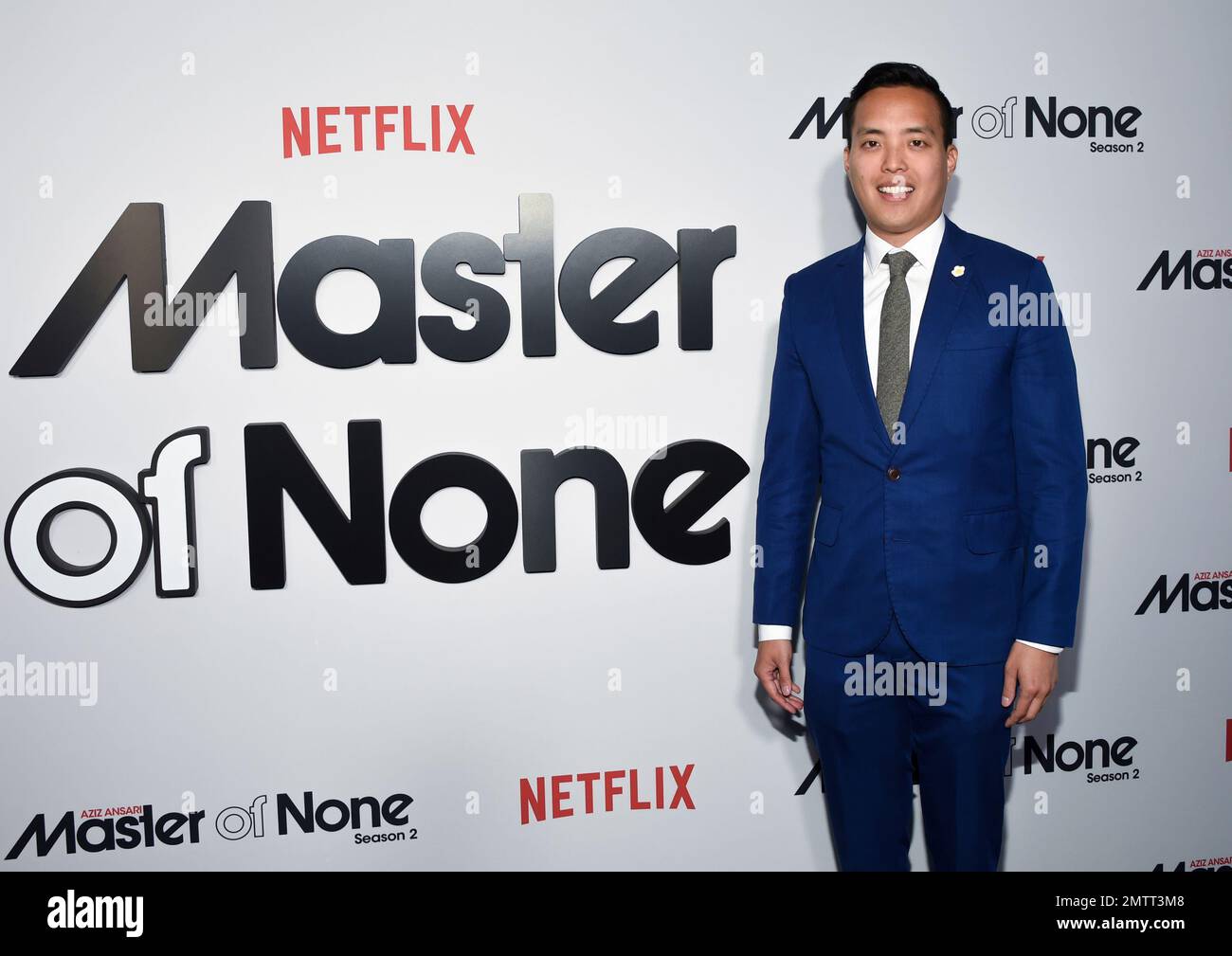
Alan Yang’s net worth is estimated to be approximately $10 million to $15 million as of 2026. This wealth has been accumulated primarily through his highly successful career as a writer, director, producer, and actor, most notably for his work on critically acclaimed television series such as Parks and Recreation, Master of None, and Loot.
The Professional Foundation: From Writing to Showrunning
To understand the financial standing of Alan Yang, one must first look at the trajectory of his career within the entertainment industry. Yang’s professional journey serves as a blueprint for success in modern television production, transitioning from a writer-for-hire to an influential showrunner and creator. His career trajectory highlights the economic shift in the streaming era, where creators who can command both critical acclaim and mass viewership reach high levels of financial stability.
Yang first gained widespread recognition for his contributions to the NBC sitcom Parks and Recreation. Serving as a writer and producer for several seasons, he was part of the creative team that defined the show’s unique tone. Working on a long-running, hit network comedy provided Yang with consistent, high-level income and established his reputation within the industry. Compensation for writers in major network comedies often involves a base salary that scales with the writer's seniority, coupled with residuals that continue to pay out long after a show’s conclusion.
The Impact of Master of None on Financial Growth
The most significant pivot point in Alan Yang’s career—and consequently his wealth—was the development of the Netflix series Master of None. Co-created with Aziz Ansari, this show was a landmark moment for the streaming giant. Unlike traditional network models, Netflix deals for creators of successful, prestige content often involve substantial upfront fees, backend opportunities, and the prestige that leads to lucrative multi-project overall deals.
When Master of None premiered, it was lauded for its distinct voice and artistic risk-taking. For a creator, having a show that wins Emmy Awards (such as the Primetime Emmy for Outstanding Writing for a Comedy Series) acts as a multiplier for future earnings. It increases the "market value" of the creator in the eyes of studios, allowing them to negotiate much more favorable terms for future endeavors. His work on this series established him as a premier talent in the streaming space, a position that commands significant financial premiums in the current 2026 television landscape.
Overall Deals and Industry Economics
In recent years, the business of television has been dominated by "overall deals." These are contracts where a studio or streaming platform pays a creator an annual salary in exchange for the exclusive right to their creative output. Alan Yang has signed prominent deals with major platforms, including Apple TV+.
These deals are a primary driver of net worth for showrunners. An overall deal acts as a retainer, ensuring a steady, high-seven-figure income for the creator, regardless of how many shows are currently in production. This financial structure allows creators to develop multiple pilots, oversee writers' rooms, and manage production budgets while being shielded from the feast-or-famine nature of freelance writing. His partnership with Apple TV+ for projects like Loot underscores his current status as a "go-to" creative executive who delivers high-quality content that aligns with the premium branding of a major tech conglomerate.
Diversification: Acting, Directing, and Producing
While writing and showrunning form the bedrock of his income, Yang has successfully diversified his professional portfolio. His role as a director—not just of episodes of his own shows, but also of feature films such as Tigertail—adds another layer to his financial profile. Directing typically comes with a separate fee structure from writing, often involving a "pay-or-play" contract that guarantees a set amount of money regardless of scheduling changes or production issues.
Furthermore, his occasional forays into acting provide a different income stream. While acting may not be his primary focus, having a SAG-AFTRA (Screen Actors Guild) presence allows for additional compensation via union-negotiated rates and residuals. The accumulation of these various revenue streams—writing fees, producing fees, directing fees, and overall deal retainers—collectively builds the net worth profile associated with an industry veteran of his caliber.
Comparison of Revenue Streams for Showrunners
| Revenue Stream | Primary Function | Financial Characteristic |
|---|---|---|
| Writing Salary | Episode-based pay | Standardized union rates |
| Producing Fee | Series management | High-value, flat fee per episode |
| Overall Deals | Studio exclusivity | Guaranteed annual retainer |
| Residuals | Long-term ownership | Passive income over years |
| Directing Fees | Project-specific | Fixed contract payment |
Understanding the Volatility of Net Worth
It is important for readers to understand that "net worth" is not a static bank balance. It is a calculation of total assets (real estate, investment portfolios, production company equity) minus liabilities. For someone in the entertainment industry like Alan Yang, much of the wealth is tied up in ongoing production projects and intellectual property.
The entertainment industry is notoriously cyclical. A creator’s net worth can fluctuate based on the renewal or cancellation of series, the changing terms of overall deals, and the general economic health of the streaming sector. In 2026, the industry is increasingly focused on cost-efficiency. Creators who have a proven track record of bringing projects in on time and under budget are at a premium. Yang’s consistent ability to deliver critically successful series that resonate with audiences makes his "human capital" highly valuable, regardless of the immediate performance of a single individual episode.
Frequently Asked Questions
Is Alan Yang’s wealth primarily from acting? No. While Alan Yang has appeared on screen, his wealth is primarily derived from his work as a writer, producer, and showrunner. These behind-the-camera roles offer higher and more consistent compensation than acting work, particularly for creators who sign multi-year overall deals with major studios.
How do Emmy wins affect the net worth of a showrunner? Awards like the Primetime Emmy are strong indicators of industry influence. They increase a creator’s leverage during contract negotiations, allowing them to demand higher fees for future projects. While an award itself is not a cash payout, it functions as a marketing tool that secures higher-budget projects and more lucrative exclusivity deals.
What is the significance of his deal with Apple TV+? His deal with Apple TV+ represents a high-level strategic partnership. In the current market, major tech companies invest heavily in original content to differentiate their streaming services. By securing a deal with such a firm, Yang ensures a stable income base and the resources necessary to produce high-end content, which enhances his long-term financial security.
Do writers receive residuals for streaming shows? Yes, although the structure of streaming residuals differs from traditional network TV. In 2026, contracts are increasingly tailored to address the lack of traditional ad-revenue-based residuals, often replacing them with fixed bonuses or performance-based incentives for successful series on platforms like Netflix or Apple TV+.
What are the major costs that reduce a creator’s net worth? High-earning individuals in the entertainment industry face significant overhead. This includes payments to agents, managers, lawyers, and publicists, who typically take a percentage of gross earnings (often totaling 15-20%). Additionally, taxes and the high cost of living in production hubs like Los Angeles account for a large portion of annual expenditures.
Professional Financial Context
While this analysis provides an overview of Alan Yang’s career-based earnings, it is not a verified audit of his private financial accounts. Net worth estimates for public figures are often calculated based on public records of property holdings, reported salary data, and industry standards for overall deals. Individuals should view these figures as expert estimates rather than exact financial disclosures. When planning personal financial strategies or careers in the creative industries, it is advisable to consult with a financial advisor regarding long-term wealth management and tax planning.
Next Steps for Aspiring Creators
For those looking to replicate a career path similar to Alan Yang’s, the primary focus should be on developing a distinct creative voice and mastering the technical craft of screenwriting. Building a career in Hollywood is rarely about a single "big break" but rather about compounding success—starting with high-quality writing samples, gaining entry into prestigious writers' rooms, and eventually building the reputation necessary to pitch and sell original concepts. In the current 2026 market, the ability to act as both a creative visionary and a practical producer is the most effective way to ensure both artistic and financial longevity.